

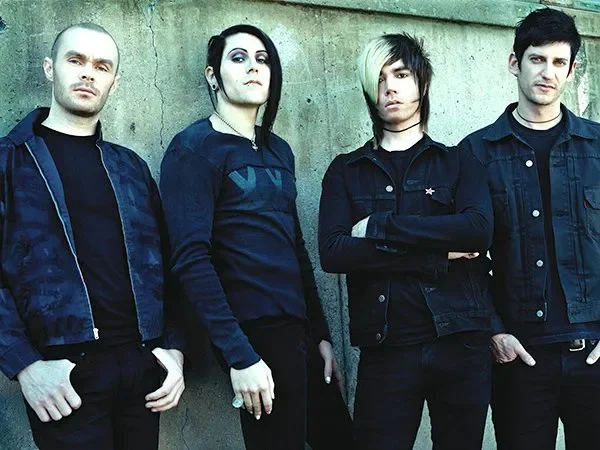
AFI - Miss Murder
“Miss Murder” is a breakout single by AFI, released in 2006 as part of their album Decemberunderground. The song marked a major shift in the band’s sound, blending their earlier hardcore punk roots with a more polished alternative rock and emo style, which helped them reach a much wider audience. Frontman Davey Havok wrote the lyrics as a reflection on fame, identity, and the pressures of success, with the repeated line “Hey, Miss Murder, can I?” becoming instantly recognizable. The track became AFI’s highest-charting hit, peaking in the Top 40 of the Billboard Hot 100 and gaining heavy rotation on radio and MTV, including a popular music video that won the MTV Video Music Award for Best Rock Video in 2006. “Miss Murder” is often credited with cementing AFI’s place in mainstream rock while also dividing some longtime fans due to its more commercial sound compared to their earlier work.

Aerosmith - Dream On
Aerosmith's iconic power ballad "Dream On" holds a significant place in rock history, having been a cornerstone of the band's career. The song was primarily written by lead singer Steven Tyler, who began composing its melody on a piano as early as his teenage years. The initial musical ideas were inspired by classical composers, and Tyler continued to develop the song while living in a house in Foxboro, Massachusetts, before Aerosmith's formation. The lyrics, which reflect themes of perseverance and dreaming despite life's challenges, were completed when Tyler was around 17 or 18 years old.
"Dream On" was featured on Aerosmith's self-titled debut album, released in 1973. It was initially released as a single in the same year, but its initial chart performance was modest. However, the song gained significant traction and popularity upon its re-release in 1976, eventually peaking within the top 10 on the Billboard Hot 100. This resurgence helped solidify Aerosmith's status as a major rock act. The song is particularly noted for Tyler's powerful vocal performance, which showcases his impressive range, culminating in a soaring climax. Over the decades, "Dream On" has remained one of Aerosmith's most recognizable and beloved songs, frequently appearing on lists of greatest rock songs and being inducted into the Grammy Hall of Fame. Its enduring appeal is a testament to its timeless melody and universal message.

Aerosmith - Janie’s Got A Gun
"Janie's Got a Gun" is a powerful 1989 single by American rock band Aerosmith, written by lead singer Steven Tyler and bassist Tom Hamilton. Released as the second single from their highly successful album Pump, the song marked a dramatic departure from the band's typical party-rock anthems, tackling the dark and serious subject of child sexual abuse and revenge. The song tells the story of a young woman named Janie who kills her sexually abusive father, bringing attention to a topic that was rarely addressed in mainstream rock music at the time. It became a major commercial success, peaking at number four on the US Billboard Hot 100, reaching number two on the Billboard Album Rock Tracks chart, and achieving number one in Australia. Most significantly, it earned Aerosmith their first Grammy Award in 1990 for Best Rock Performance by a Duo or Group with Vocal, cementing its place as one of the band's most important and socially conscious works.
The creative process behind "Janie's Got a Gun" was lengthy and deeply personal for Steven Tyler. He initially came up with the hook line while playing around in his basement, but then spent months struggling to find the right direction for the song. The breakthrough came when he saw a Time magazine article documenting 48 hours of handgun deaths in the United States, which led him to explore the connection between violence and child abuse. Tyler's inspiration was further fueled by stories he heard during his time in drug rehabilitation, where he met women who had turned to substance abuse after suffering sexual abuse as children. He spent nine months completing the lyrics, driven by anger that nobody was paying attention to victims of parental abuse. Tyler later explained that he wanted to give voice to those who had been silenced by their trauma, making the song both a personal artistic statement and a social commentary on a taboo subject that mainstream society was reluctant to confront.
The song faced significant controversy during its production due to its explicit content. The original lyrics were even more graphic than what was ultimately released, with the line "He raped a little bitty baby" initially appearing in Tyler's draft. John Kalodner, an executive at Aerosmith's record label Geffen Records, insisted that the word "rape" be changed because he believed radio stations would refuse to play the song despite its potential to be a major hit. After a heated argument with Tyler, who initially resisted the change, the line was altered to "He jacked a little bitty baby." Similarly, the lyric "and put a bullet in his brain" was softened to "she left him in the pouring rain" for the radio edit. Despite these compromises, Tyler has often performed the original, more explicit lyrics during live concerts, maintaining the song's raw and unfiltered message. The tension between commercial viability and artistic integrity highlighted the challenges of addressing such serious subject matter in mainstream popular music.
The music video for "Janie's Got a Gun" became one of the most cinematic and memorable clips to air on MTV during the late 1980s. Directed by David Fincher—who would later gain fame for directing films like Se7en, Fight Club, and Panic Room—the video played more like a short film than a typical music video. It featured actress Kristin Dattilo as Janie and Lesley Ann Warren as her mother, with scenes depicting the abuse and its aftermath intercut with footage of Aerosmith performing on a darkened stage. Fincher's signature style was evident throughout, with his talent for building tension and his distinctive lighting and composition techniques that would later become hallmarks of his feature films. The video's haunting and serious tone matched the gravity of the song's subject matter, helping to elevate the message and ensure that viewers understood this was not just another rock song but a statement about a critical social issue.
The impact and legacy of "Janie's Got a Gun" extended far beyond its chart success and awards. Drummer Joey Kramer noted in the band's autobiography that Steven Tyler had hit upon a subject most people were afraid to deal with and even unaware of: parental abuse and violence against children. The song sparked public debate about gun violence, child abuse, and whether the track glorified vigilante justice, demonstrating that Aerosmith had truly struck a nerve with American audiences. More than two decades after the song's release, Steven Tyler transformed its message into concrete action by founding Janie's Fund in 2015, a nonprofit organization that provides counseling, trauma care, housing, and medical care to young women who have suffered abuse and neglect. The charity has raised millions of dollars, with Tyler's 2022 Grammy Awards Viewing Party alone raising a record-breaking 4.6 million dollars. In 2017 and 2019, Tyler opened two Janie's House facilities—homes for abused girls in Atlanta and Bartlett, Tennessee—demonstrating his ongoing commitment to the cause. The song remains one of Aerosmith's most significant achievements, proving that rock music could address serious social issues while still achieving commercial success and creating lasting positive change in the world. You can learn more about it here: https://janiesfund.org/the-mission/


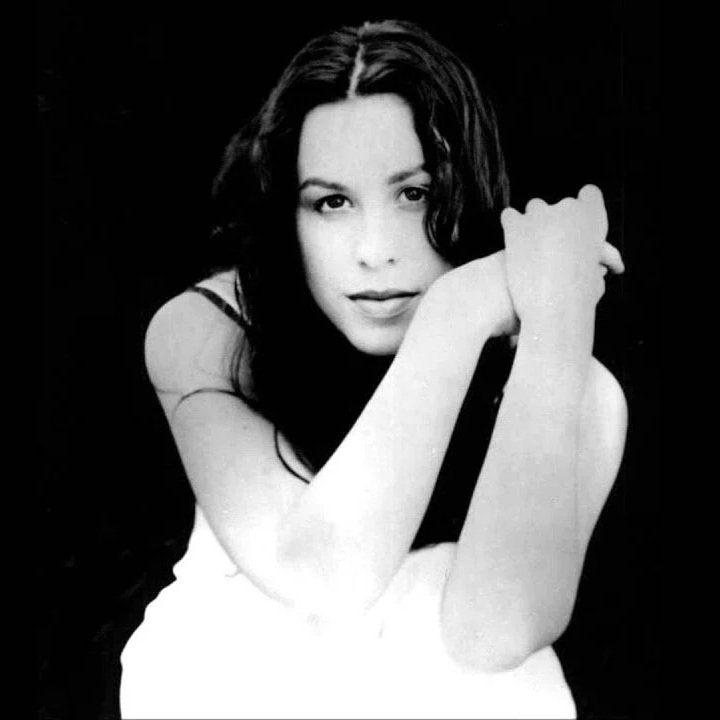
Alanis Morissette - Not the Doctor
"Not the Doctor" by Alanis Morissette is a song from her acclaimed album "Jagged Little Pill." In this track, she expresses themes of independence and self-identity, focusing on the struggle of not wanting to be someone’s emotional crutch or savior. The song combines catchy melodies with powerful lyrics that reflect Morissette's signature style. Discussing themes of independence and the complexities of relationships, expressing a desire for authenticity rather than being in a role that doesn't align with one's true self. The song's raw emotion and relatable lyrics have resonated with many listeners, making it a standout track from the album.

Alanis Morissette - Hand In My Pocket
Alanis Morissette’s “Hand In My Pocket” is a standout track from her 1995 album Jagged Little Pill. It perfectly captures the mix of angst, self-discovery, and optimism that made the album so iconic. The song’s folk-rock vibe, paired with Alanis' raw, emotional lyrics, tells a story of someone navigating the complexities of life and coming to terms with their imperfections.
The chorus, “I’m free but I’m focused / I’m lost but I’m hopeful”, sums up the contradiction of feeling uncertain about the future but still holding onto hope. It’s relatable because it speaks to that push and pull of trying to figure it all out, with the line “I’ve got one hand in my pocket, and the other one is giving a high five” symbolizing the mix of uncertainty and defiance.
It’s such a powerful track because it conveys a sense of authenticity—Alanis doesn’t hide her vulnerabilities or contradictions. Jagged Little Pill made a lasting impact, and this song definitely helped shape her as a voice for people who felt a bit out of place.

Alice Cooper - Hello Hooray
"Hello Hooray" is a track from Alice Cooper's 1973 album Billion Dollar Babies. "Hello Hooray," originally written by Rolf Løvland was later popularized by Judy Collins and covered by Alice Cooper. His version adds a rock edge and theatrical flair that distinguishes it from Collins' folk-influenced take. "Hello Hooray" by Alice Cooper serves as a jubilant yet ironic celebration, capturing the essence of Cooper's theatrical rock style. The song’s upbeat, anthemic chorus appears to exuberantly herald the arrival of a grand event or persona, but beneath its celebratory surface lies a layer of irony. In the context of Alice Cooper’s larger body of work, the song can be interpreted as both a tribute to and a critique of the extravagant nature of rock stardom and fame. It reflects the spectacle and flamboyance that Cooper is known for, while subtly commenting on the absurdities and excesses inherent in the world of entertainment. Thus, "Hello Hooray" combines energetic celebration with a deeper, more ironic reflection on the nature of public adulation and theatricality.
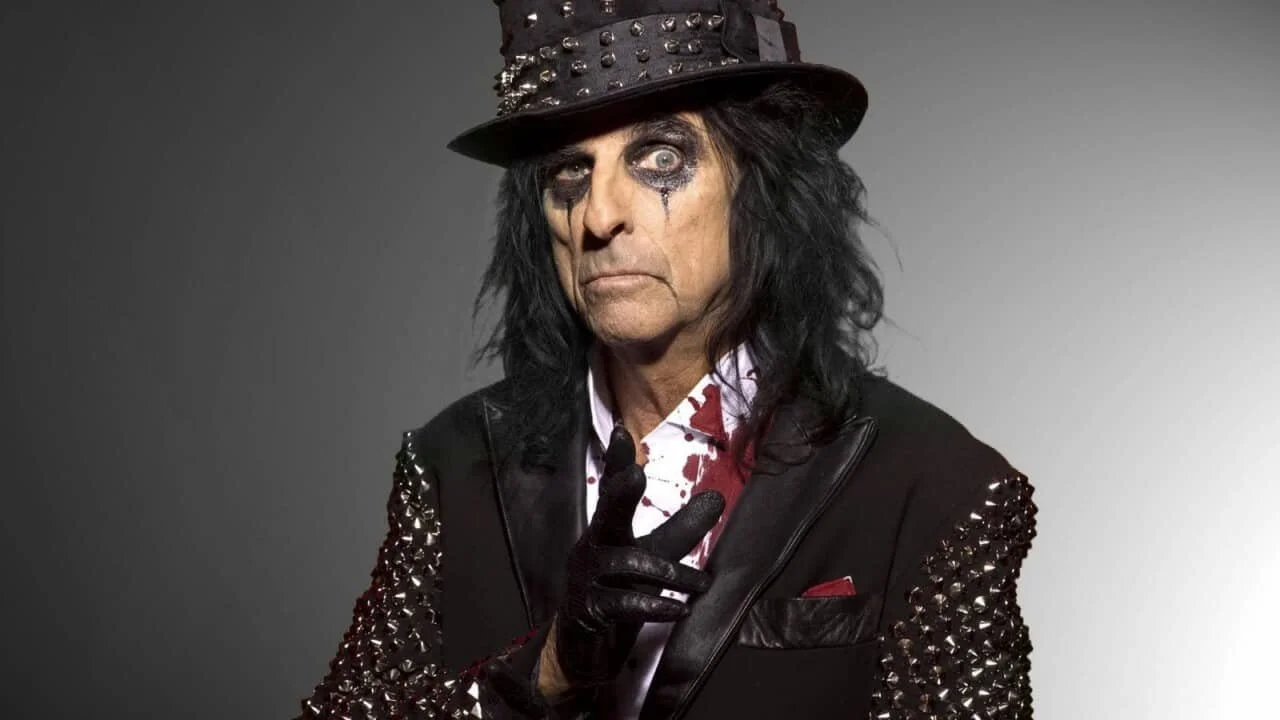
Alice Cooper - Steven
Alice Cooper’s song “Steven” is one of the most unsettling and psychologically intense tracks in his catalog, released in 1975 on the concept album Welcome to My Nightmare. The song is part of a larger narrative that follows a disturbed character named Steven, whose descent into madness reflects themes of trauma, repression, and fractured identity. Written during a period when Cooper was heavily exploring theatrical horror in music, “Steven” stands out for its eerie atmosphere, whispered vocals, and chilling sound effects, all of which help immerse the listener in the character’s unstable mind.
Within the story of Welcome to My Nightmare, Steven is portrayed as a deeply troubled individual haunted by childhood abuse and violent impulses. The song suggests that he may have committed murder—possibly of a loved one—and is now trapped in a state of denial and psychological breakdown. The repeated plea, “I don’t want to see you go,” carries a disturbing ambiguity, hinting at both guilt and delusion. Musically, the track departs from traditional rock structure, using minimal instrumentation and eerie production techniques to heighten tension. Over time, “Steven” has become a cult favorite among fans and critics for its bold storytelling and its role in shaping the darker, more theatrical side of shock rock, a genre that Alice Cooper helped pioneer.

Alice Cooper - You And Me
Alice Cooper, known for his theatrical shock rock persona, surprised many with the release of the soft rock ballad "You and Me" in 1977. This song served as the lead single from his album "Lace and Whiskey." The album itself was a reflection of a period in Cooper's life marked by personal struggles, including his battle with alcoholism, and a departure from his more aggressive musical style. "You and Me" presented a stark contrast to his typical hard rock anthems, showcasing a more vulnerable and introspective side of the artist.
The song achieved considerable commercial success, becoming a top 10 hit on the US Billboard charts, peaking at number nine. It also performed well internationally, reaching number two on the Australian singles chart. The success of "You and Me" demonstrated Cooper's versatility as a musician and his ability to connect with a broader audience beyond his established rock fan base. Despite its softer sound, the song remained consistent with Cooper's narrative approach to music, often telling stories through his lyrics. "You and Me" stands as a notable entry in Alice Cooper's discography, highlighting a unique phase in his career and proving his capacity for crafting successful ballads alongside his more characteristic rock anthems.


Amy Winehouse - Back To Black
"Back to Black" is the critically acclaimed second studio album by Amy Winehouse, released in 2006. The album is a blend of soul, rhythm and blues, and jazz, showcasing Winehouse's distinctive vocal style and deeply personal songwriting.
The album's title track, "Back to Black," and other songs such as "Rehab," "You Know I’m No Good," and "Tears Dry on Their Own" reflect themes of heartbreak, loss, and addiction, often drawing from Winehouse's own tumultuous life experiences. The production, led by Mark Ronson and Salaam Remi, features vintage sounds and lush instrumentation, which complement her powerful and emotive voice.
"Back to Black" received widespread critical acclaim, earning numerous awards, including five Grammy Awards, and solidifying Winehouse's place in music history. The album's raw honesty and emotional depth resonated with many listeners, leading to it being considered one of the greatest albums of the 21st century. Despite its success, the album also highlights the struggles Winehouse faced, particularly with addiction and her tumultuous relationships, making it a poignant and bittersweet record in her legacy.

Amy Winehouse - F**k Me Pumps
" F**k Me Pumps " is a track by Amy Winehouse from her debut album, "Frank," released in 2003. " F**k Me Pumps " showcases Amy Winehouse's sharp lyrical wit, where she navigates the themes of desire and the shallow nature of romantic encounters in nightlife settings. The song's title itself sets a bold tone, reflecting the provocative and candid approach that Winehouse was known for.
In the lyrics, Winehouse reflects on the dynamics of modern dating, highlighting the superficiality of some relationships while also expressing a longing for genuine connection. Her jazzy, sultry vocal delivery pairs perfectly with the upbeat instrumentation, making it a standout track on the "Frank" album.
The song also serves as a commentary on the expectations placed on women in terms of appearance and behavior, as she critiques the superficiality present in the dating scene. This blend of personal reflection and social commentary is a hallmark of Winehouse's songwriting, further establishing her as an artist who could seamlessly merge humor with serious undertones.
Overall, " F**k Me Pumps " is not just a danceable tune; it's a nuanced exploration of love, lust, and the complexities of human relationships, all wrapped up in Amy's distinctive style. The song remains a fan favorite, encapsulating the essence of early 2000s music while foreshadowing the profound impact Winehouse would go on to have in the industry.

Amy Winehouse - Stronger Than Me (Live)
“Stronger Than Me” is the debut single by Amy Winehouse from her first album, Frank, released in 2003. The song was written by Winehouse and Salaam Remi. It's a jazz-influenced track that showcases Winehouse's distinctive vocal style and lyrical prowess. The song addresses gender roles and expectations in relationships, with Winehouse expressing frustration at her partner's lack of assertiveness. It's often praised for its raw honesty and soulful delivery, setting the tone for Winehouse's critically acclaimed career.
Amy Winehouse's live performances were often filled with raw emotion and captivating energy, and her rendition of Stronger Than Me was no exception. In live settings, Winehouse's soulful voice and stage presence added an extra layer of intensity to the song's already powerful lyrics. Her live performances often showcased her remarkable talent as a vocalist and performer, leaving a lasting impression on audiences around the world.

