
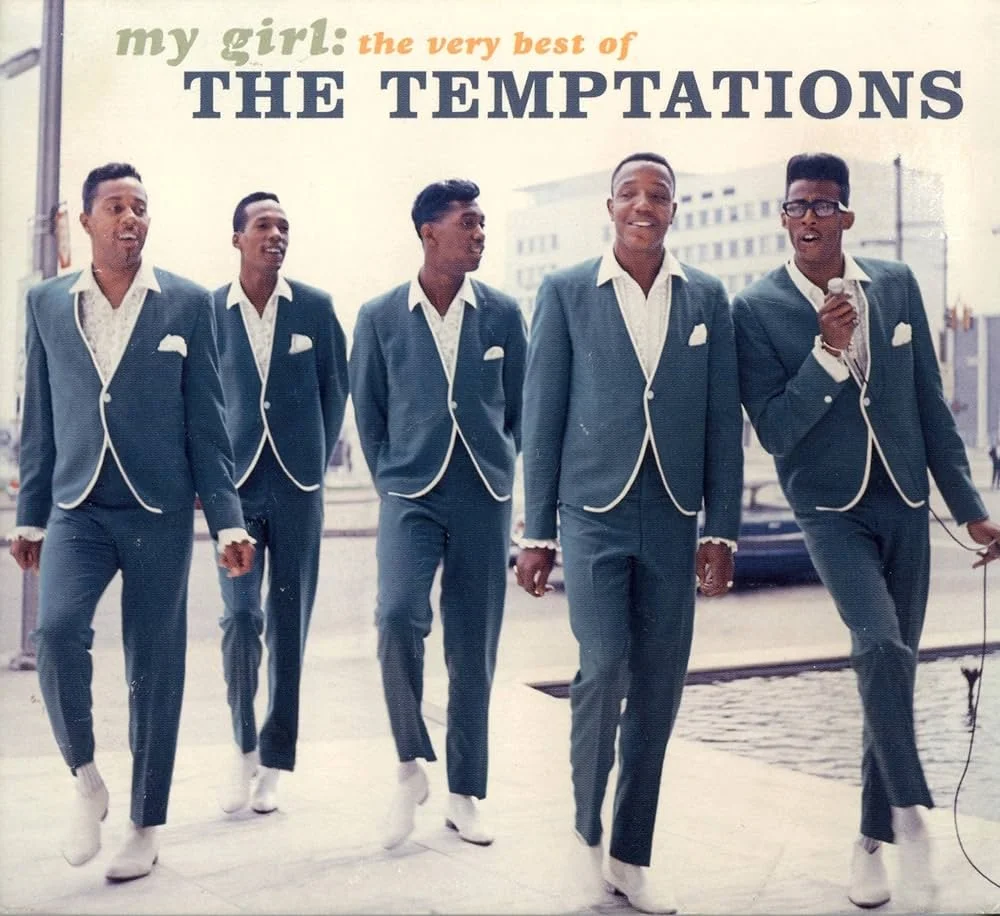
The Temptations - My Girl
“My Girl” by The Temptations stands as one of the most iconic songs in American music history. Released on December 21, 1964, through Motown’s Gordy Records subsidiary, the song became the group’s first number-one hit, reaching the top of both the Billboard Hot 100 and R&B charts in March 1965. Written and produced by Smokey Robinson and Ronnie White of The Miracles, “My Girl” was crafted specifically for The Temptations’ newest member, David Ruffin, whose powerful yet tender voice Robinson believed could deliver something truly special. The song marked Ruffin’s debut as lead vocalist for the group, launching him into the spotlight and establishing The Temptations as major stars.
The creation of “My Girl” came about after Robinson witnessed Ruffin perform The Drifters’ “Under the Boardwalk” at Detroit’s 20 Grand nightclub in 1964. Impressed by Ruffin’s vocal abilities, Robinson set out to write something that balanced Ruffin’s naturally commanding baritone with a sweet, melodic quality. Robinson has stated that he wrote the song as a follow-up to his hit “My Guy,” which Mary Wells had recorded earlier that year, and the lyrics were inspired by his wife, Claudette Rogers Robinson, who was also a member of The Miracles. The recording came together with remarkable efficiency: the instrumental track was laid down on September 25, 1964, at Motown’s legendary Snakepit studio by the Funk Brothers, featuring James Jamerson’s instantly recognizable opening bass line and Robert White’s melodic guitar riff. The Temptations added their vocals in November after Robinson taught them the song during a week of shows at the Apollo Theater in New York.
“My Girl” proved to be a watershed moment not just for The Temptations but for Motown as a whole. It became the label’s first number-one hit for a male group and the first chart-topper for the Gordy Records subsidiary. The song’s universal appeal and joyful expression of love helped it transcend musical boundaries, eventually being covered by more than 150 artists including Otis Redding, The Rolling Stones, Al Green, and The Mamas & The Papas. Its cultural impact has only grown over the decades: the song was inducted into the Grammy Hall of Fame in 1998, selected for preservation in the National Recording Registry by the Library of Congress in 2017, and ranked number 43 on Rolling Stone’s 2021 list of “The 500 Greatest Songs of All Time.” In 2024, “My Girl” surpassed one billion streams on Spotify and experienced a resurgence when New York Mets shortstop Francisco Lindor chose it as his walk-up song, prompting stadium-wide singalongs at Citi Field. As the song celebrated its 60th anniversary in December 2024, it remains The Temptations’ signature song and what founding member Otis Williams has called the “National Anthem of the Temptations,” continuing to resonate with new generations of listeners around the world.

The Wallflowers - One Headlight
"One Headlight" is a song by The Wallflowers, released in 1996 as the second single from their album "Bringing Down the Horse." The Wallflowers, fronted by Jakob Dylan (son of Bob Dylan), gained significant popularity with this song.
"One Headlight" is characterized by its introspective lyrics and a driving rock sound. The song reflects on themes of introspection, loss, and perseverance, with poignant lyrics that evoke a sense of searching and longing. The title metaphorically refers to a car with only one working headlight, symbolizing a sense of vulnerability or being lost.
Musically, "One Headlight" features strong guitar melodies and Dylan's distinctive vocals. The song was a commercial success, reaching the top of the Billboard Modern Rock Tracks chart and winning a Grammy Award for Best Rock Song in 1998. It remains one of The Wallflowers' most popular and enduring songs, celebrated for its evocative lyrics and memorable melody.
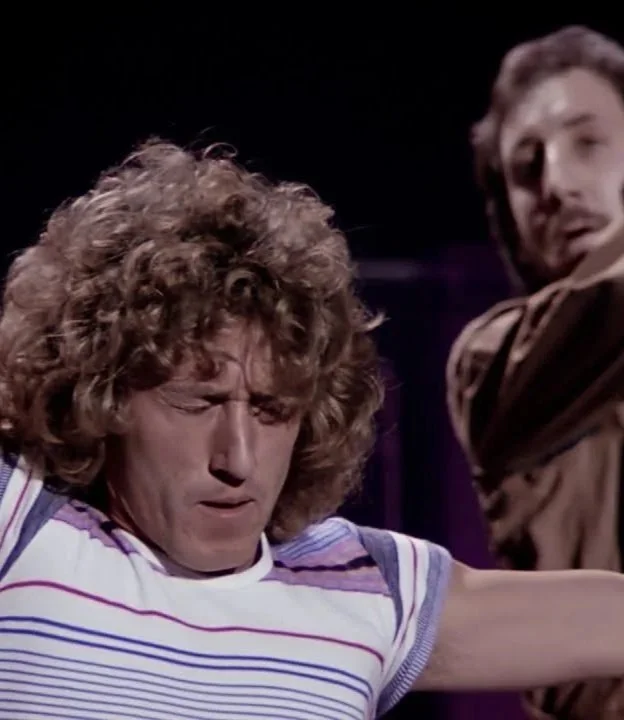
The Who - Won't Get Fooled Again
"Won't Get Fooled Again" is one of The Who's most iconic songs, released in 1971 as part of their rock opera album "Who's Next." The track is notable for its powerful themes of revolution, disillusionment, and the cyclical nature of political change.
The song's origins can be traced back to earlier material that was intended for the abandoned rock opera "Lifehouse." After the project's collapse, the band repurposed some of its concepts into "Who's Next." The song features Pete Townshend's signature synthesizer work, along with Roger Daltrey's explosive vocal performance, especially during the song's famous climax.
Lyrically, the song expresses a sense of skepticism towards political movements and leaders, suggesting that even with change, people's hopes often lead to disappointment. The anthemic chorus, "We don't get fooled again," has resonated as a message of resilience and awareness among listeners.
Musically, the song is renowned for its dynamic shifts, from quieter sections to the intense finale, showcasing The Who's signature sound. It has been a staple in their live performances and has been covered by numerous artists. The extended use of the synthesizer and the unique structure have cemented "Won't Get Fooled Again" as one of the greatest rock songs of all time.
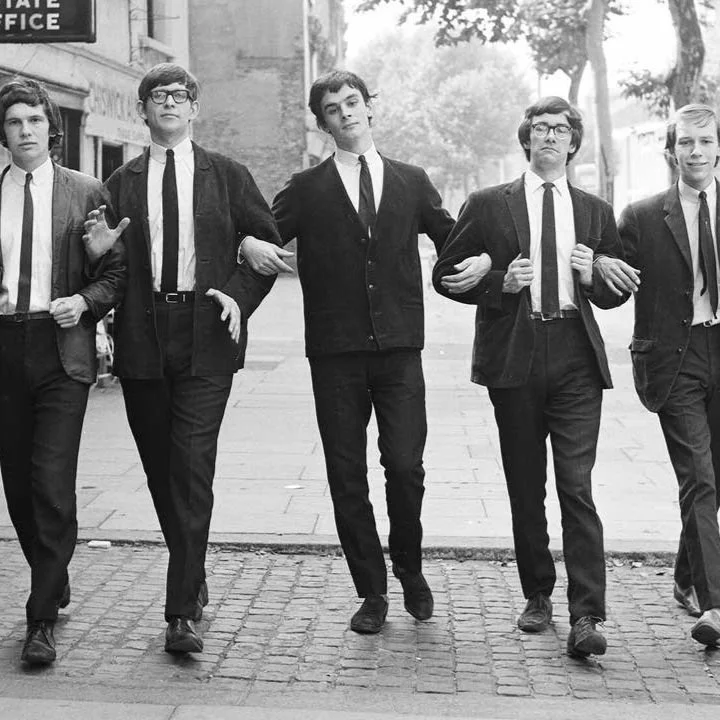
The Zombies - She's Not There
"She's Not There" by The Zombies is a timeless classic that epitomizes the jangly, melodic sound of 1960s British Invasion pop rock. Released in 1964, it features Colin Blunstone's distinctive vocals layered over Rod Argent's catchy keyboard riff and the band's tight rhythm section. The song's lyrics tell the story of a man who discovers his romantic interest has vanished without a trace, capturing themes of longing and uncertainty with poetic elegance.
Musically, "She's Not There" is characterized by its infectious melody and the interplay between Argent's organ and Paul Atkinson's guitar, creating a lush, atmospheric backdrop for Blunstone's soulful delivery. The song was a major hit, reaching the top of the charts in the United States and earning The Zombies a lasting place in rock music history. Its enduring appeal lies in its irresistible blend of pop sensibility, melancholic lyrics, and innovative instrumentation, making it a standout track of the 1960s and a cornerstone of The Zombies' acclaimed discography.

Three Dog Night – Mama Told Me (Not To Come)
“Mama Told Me (Not to Come)” is a rock song performed by Three Dog Night. It was written by Randy Newman and originally recorded by Eric Burdon and The Animals in 1967. However, Three Dog Night's version, released in 1970 as a single from their album It Ain't Easy, became the most popular rendition.
The song features an energetic rock sound with a catchy chorus. It narrates a story of attending a wild party and feeling out of place, despite being advised by one's mother not to engage in such activities. The lyrics and the upbeat tempo of the song contributed to its success, making it one of Three Dog Night's signature songs.
“Mama Told Me (Not to Come)” became a chart-topping hit for Three Dog Night, reaching number one on the Billboard Hot 100 chart. It remains a staple of classic rock radio and is often regarded as one of the band's most memorable tracks.

Tim Timebomb and Friends - She's Drunk All The Time
"She’s Drunk All the Time" is a song by Tim Timebomb and Friends, a collaborative project led by Tim Armstrong, best known as the frontman of Rancid. Released in 2013 as part of Armstrong’s ambitious series of daily music uploads, the track reflects his deep roots in punk, ska, and reggae, while also embracing a looser, more experimental and collaborative style. The Tim Timebomb and Friends project involved Armstrong working with a rotating cast of musicians, reinterpreting classic songs, creating original material, and blending genres in a way that paid homage to his musical influences.
The song itself carries a raw, gritty narrative style typical of Armstrong’s songwriting, telling the story of a troubled relationship marked by addiction and emotional instability. Musically, it features a stripped-down, punk-infused arrangement with elements of ska rhythm, giving it an energetic yet slightly melancholic tone. Like many tracks from the project, “She’s Drunk All the Time” captures a sense of spontaneity and authenticity, as the recordings were often done quickly and released directly to fans online.
While not a mainstream chart hit, the song is appreciated by fans of Armstrong’s work for its candid storytelling and DIY spirit. It reflects the ethos of Tim Timebomb and Friends as a whole—an ongoing creative outlet that allowed Armstrong to experiment freely outside the structure of a traditional band, while still staying true to the rebellious, emotionally honest core of punk music.
The song features an energetic rock sound with a catchy chorus. It narrates a story of attending a wild party and feeling out of place, despite being advised by one's mother not to engage in such activities. The lyrics and the upbeat tempo of the song contributed to its success, making it one of Three Dog Night's signature songs.
“Mama Told Me (Not to Come)” became a chart-topping hit for Three Dog Night, reaching number one on the Billboard Hot 100 chart. It remains a staple of classic rock radio and is often regarded as one of the band's most memorable tracks.

Tina Turner - What’s Love Got To Do With It
"What’s Love Got to Do with It" is one of Tina Turner’s most iconic songs, released in 1984. The track explores themes of love, desire, and emotional detachment, emphasizing that love might not be the primary factor in a relationship. Its catchy chorus and powerful vocals contributed to its commercial success, making it a classic in pop and rock music. The song also played a significant role in Turner’s comeback and is featured in her biopic of the same name.
"What’s Love Got to Do with It" by Tina Turner explores the complexities of love and relationships, highlighting that love isn't the only factor in romantic connections.

Tove Lo - Habits (Stay High)
Tove Lo's "Habits (Stay High)" is a bold and unapologetic track that perfectly captures the emotional complexity of trying to numb heartbreak and pain. Released in 2013 as part of her debut album Queen of the Clouds, the song became a breakout hit and is known for its raw, candid lyrics. Tove Lo sings about using temporary fixes—whether it's partying, substance use, or just being in denial—to distract from the hurt of a broken relationship.
The juxtaposition of the upbeat, almost catchy instrumental with the dark, introspective lyrics gives the song a unique vibe, creating a sense of duality. You’re dancing to the rhythm, but the words reveal a deeper sadness and self-doubt. It’s one of those songs that highlights the way people sometimes cope with loss or heartbreak in unhealthy ways, all while trying to keep up appearances and maintain a sense of control.
It’s definitely a track that many people can relate to when they’re navigating those tough, vulnerable moments.
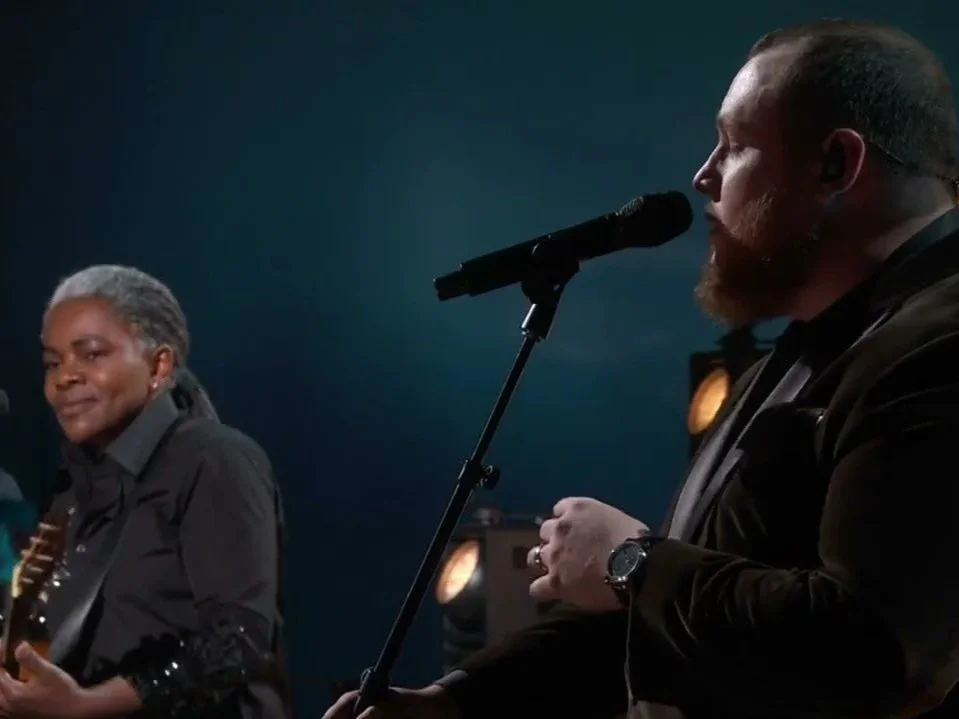
Tracy Chapman and Luke Combs - Fast Car
“Fast Car” is a song originally written and performed by Tracy Chapman, released in 1988 on her self-titled debut album. The song became a massive hit, known for its poignant storytelling and emotional depth. It captures themes of escape, longing for a better life, and the complexities of relationships. The narrator dreams of freedom and a better future while navigating the difficulties of a troubled relationship.
In 2021, country artist Luke Combs released a cover of “Fast Car,” which brought the song to a new audience and gained significant popularity. Combs’ rendition retains the heartfelt essence of the original while infusing it with his own style, appealing to both country and pop listeners alike. His cover further highlights the timelessness of the song's themes and demonstrates its versatility across genres.
Overall, “Fast Car” remains an iconic track that resonates with many, showcasing the struggles and aspirations of everyday life, whether through Tracy Chapman’s original or Luke Combs’ interpretation.

Tracy Chapman and Luciano Pavarotti - Baby Can I Hold You Tonight
Baby Can I Hold You Tonight is a song originally written and performed by Tracy Chapman, an American singer-songwriter known for her soulful and introspective music. The song was released on her self-titled debut album in 1988. It's a poignant ballad that explores themes of love, longing, and vulnerability. Joining Luciano Pavarotti, the renowned Italian operatic tenor, makes this performance all the more special.


Van Halen - Jump
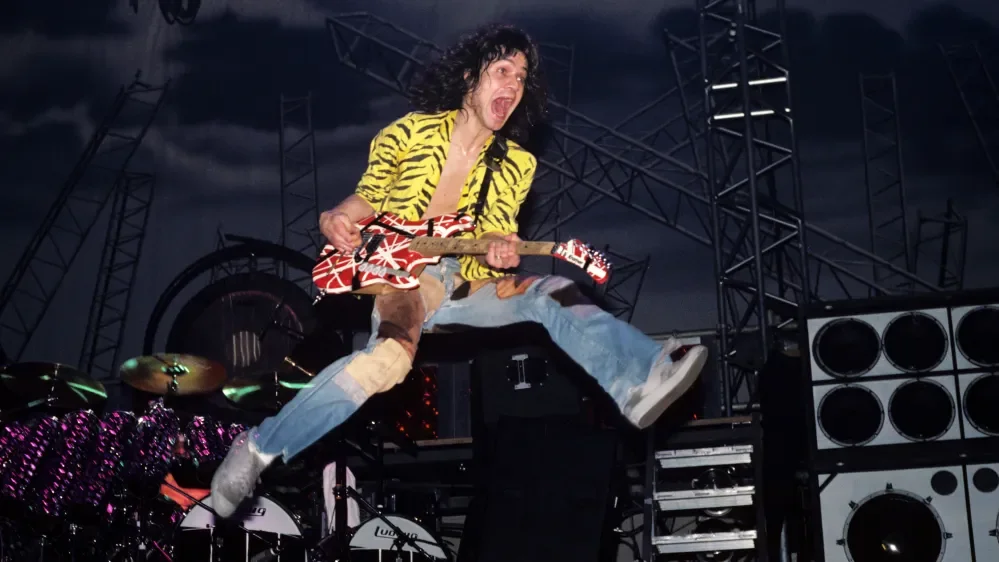
It’s 1983 and December. What did everyone want for Christmas? Or what you’re returning your gift for? You bet it was 1984 by Van Halen. “Jump” was an immediate hit becoming Van Halen's most successful single, reaching number 1 on the US Billboard Hot 100. MTV played it day and night; and we still didn’t tire of it. Existing Van Halen fans were not as pleased with the direction the band had gone, much preferring the heavier version of the bands' earlier albums; also blaming the song for the future break up of the band.
"Jump" is widely known for its catchy hook and vibrant energy, emblematic of the 1980s rock scene. The song was a departure from Van Halen's earlier albums, as it incorporated synthesizers more prominently, which was a trend during that era. David Lee Roth's vocals are dynamic and motivational, urging listeners to take leaps of faith—both literally and metaphorically. The music video for "Jump" further enhanced its popularity, featuring dynamic performance footage of the band, which perfectly captured the spirit of the song. The track is often played at sporting events and is a staple in classic rock radio playlists. Its enduring appeal has made it a timeless anthem that continues to inspire listeners to embrace opportunities and take risks.

Velvet Revolver - Fall To Pieces
"Fall to Pieces" is a song by Velvet Revolver, an American hard rock supergroup formed in 2002. The band consisted of former Guns N' Roses members Slash, Duff McKagan, and Matt Sorum, alongside Dave Kushner and Scott Weiland, formerly of Stone Temple Pilots. "Fall to Pieces" was released as the second single from their debut album, "Contraband," in 2004. The song is characterized by its emotional lyrics, powerful vocals by Scott Weiland, and melodic yet heavy instrumentation. It explores themes of struggle, addiction, and vulnerability. The song received critical acclaim and became one of Velvet Revolver's most successful singles.
Whirling Dervishes - You're a Mean One Mr. Grinch
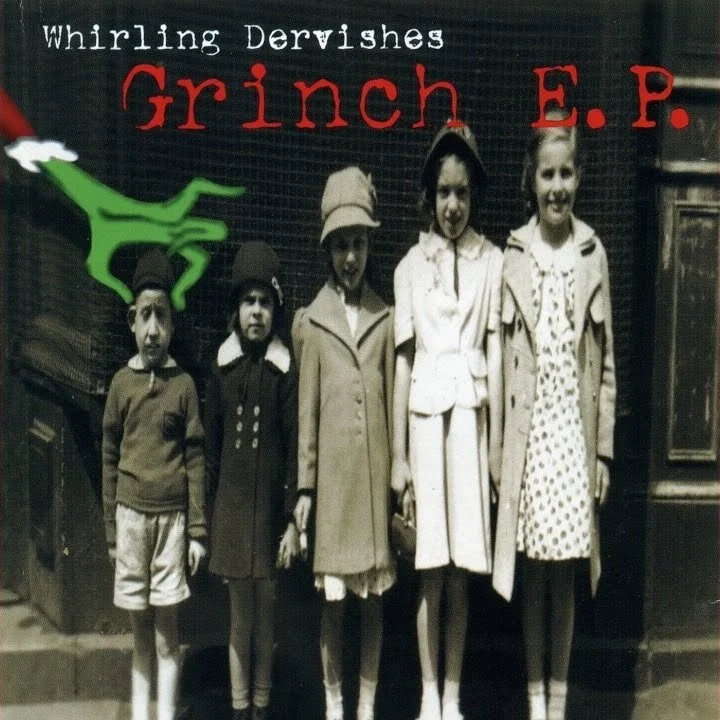
Whirling Dervishes are an American alternative rock band from Westfield, New Jersey. Formed in 1981 initially as Johnny Bravo and his Whirling Dervishes, the band shortened its name in 1983 to Whirling Dervishes.
Best known for their perennial Christmas classic cover of "You're A Mean One, Mr. Grinch," the band released two vinyl EPs, History Kicks You (1983) and Affordable World (1985); one CD EP, Wish it Would Snow (1992), independently, re-released in 1994 on Ignition with bonus tracks and again in 1995 as Grinch on Continuum/Universal; and one full-length CD album, Strange and Wonderful (1992).

Whitney Houston - I Will Always Love You
"I Will Always Love You" is one of Whitney Houston's most iconic songs, originally written and recorded by Dolly Parton in 1973. However, it was Houston's 1992 cover of the song that turned it into a global phenomenon. The song was featured on the soundtrack for the film The Bodyguard, in which Houston starred alongside Kevin Costner.
Whitney's version of "I Will Always Love You" was produced by David Foster and showcased her extraordinary vocal range and emotional depth. The song is a heartfelt ballad about love, parting, and the bittersweet nature of saying goodbye to someone you care about. Houston's powerful delivery, combined with the stripped-down arrangement featuring a haunting piano and subtle orchestration, made it an unforgettable ballad that resonated with millions.
The song became an instant hit, topping the charts in many countries, including the United States, where it spent 14 weeks at No. 1 on the Billboard Hot 100, a record at the time for a female artist. It also became one of the best-selling singles of all time.
Whitney Houston's rendition of "I Will Always Love You" is widely regarded as one of the greatest vocal performances in pop music history, and it remains a defining part of her legacy. The emotional depth of the song, combined with Houston's powerful, soulful voice, continues to move listeners and solidify the song as a classic in the pop and R&B genres.