

The Smashing Pumpkins - Today
The Smashing Pumpkins' song "Today," released in 1993 as part of their seminal album Siamese Dream, is widely recognized for its seemingly upbeat melody contrasting sharply with its dark lyrical content. Written by frontman Billy Corgan, the song emerged from a period of profound depression and suicidal ideation he experienced following the band's initial success with their debut album Gish. Corgan has often described "Today" as a sarcastic take on his feelings, a defiant declaration that despite his internal struggles, he would choose to live through another day.
The creation of Siamese Dream, including "Today," was a challenging process for the band, marked by internal tensions and Corgan's perfectionism. The album was produced by Butch Vig, known for his work on Nirvana's Nevermind, and recorded on analog tape, a meticulous process that contributed to the album's rich, layered sound. "Today" quickly became one of the band's most iconic tracks, propelling them into mainstream recognition. Its music video, featuring Corgan driving an ice cream truck through various surreal and desolate landscapes, further cemented its place in 90s alternative rock culture. The video's narrative, inspired by a memory Corgan had of an ice cream truck driver giving away his stock upon quitting, visually echoed the song's themes of despair and a yearning for escape. While the song achieved significant commercial success, particularly on the Billboard Modern Rock Tracks chart, its enduring legacy lies in its candid exploration of mental health struggles wrapped in an accessible, anthemic package.

The Strokes - Last Nite
"Last Nite" is from The Strokes' debut album, “Is This It”, which was released in 2001. It is a song that captures the essence of the early 2000s rock revival. The lyrics reflect themes of youth, disillusionment, and the complexities of relationships. The narrator expresses feelings of frustration and longing, often conveying a sense of vulnerability. The catchy guitar riffs and upbeat tempo contrast with the introspective lyrics, creating a powerful dynamic. Overall, the song embodies a rebellious spirit and the struggles of finding one's place in a chaotic world, making it a defining track of the era.
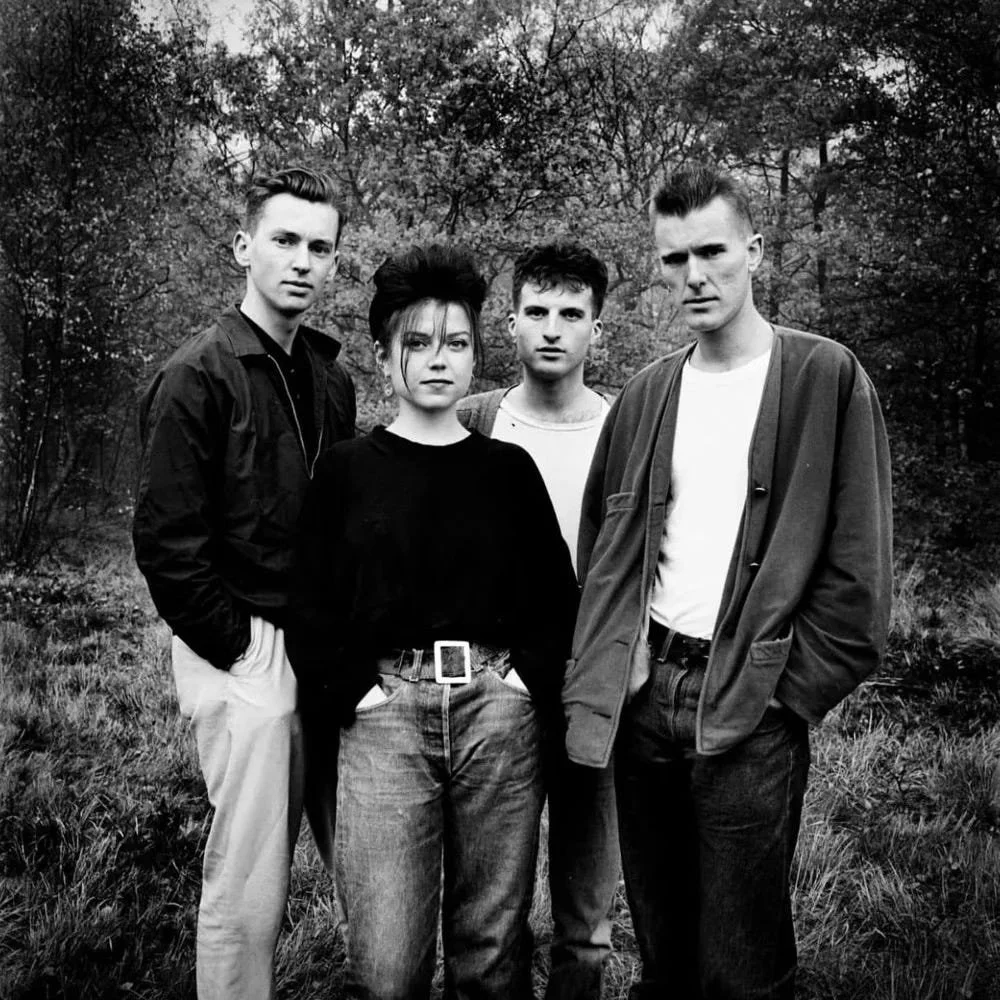
The Sundays - Here's Where The Story Ends
"Here's Where The Story Ends" is a song by The Sundays, released in 1990 as part of their debut album, "Reading, Writing and Arithmetic." The song showcases the band's signature jangly guitar sound, reflective lyrics, and the ethereal vocals of lead singer Harriet Wheeler.
The track stands out for its introspective and melancholic vibe, exploring themes of nostalgia, love, and the passage of time. It captures a sense of yearning and vulnerability, which resonated with listeners at the time and continues to do so today.
The Sundays formed in 1988 in the United Kingdom and quickly gained traction with their blend of alternative rock and dream pop. "Here's Where The Story Ends" became one of their most popular songs, helping them secure a place in the early 90s alternative music scene. The song received significant airplay on college radio and was well-received by critics, contributing to the band’s enduring legacy in the genre.
Despite their success, The Sundays didn't release a large number of albums; they followed up with "Blind" in 1992 and "Static and Silence" in 1997, but disbanded soon after. The band's sound and Wheeler's distinctive voice have influenced many artists in the indie and alternative genres over the years, ensuring that "Here's Where The Story Ends" remains a beloved classic.

The Temptations - I Wish It Would Rain
“I Wish It Would Rain” is a classic soul song by The Temptations, released in 1967. It was written by Norman Whitfield, Barrett Strong, and Roger Penzabene. The song features lead vocals by David Ruffin.
The lyrics tell the story of heartbreak and longing for rain to mask the singer's tears and inner pain caused by a breakup. The melancholic melody and emotive vocals convey the depth of sorrow and despair experienced by the protagonist. Despite the sadness expressed in the song, it became a major hit for The Temptations and remains a beloved soul classic.
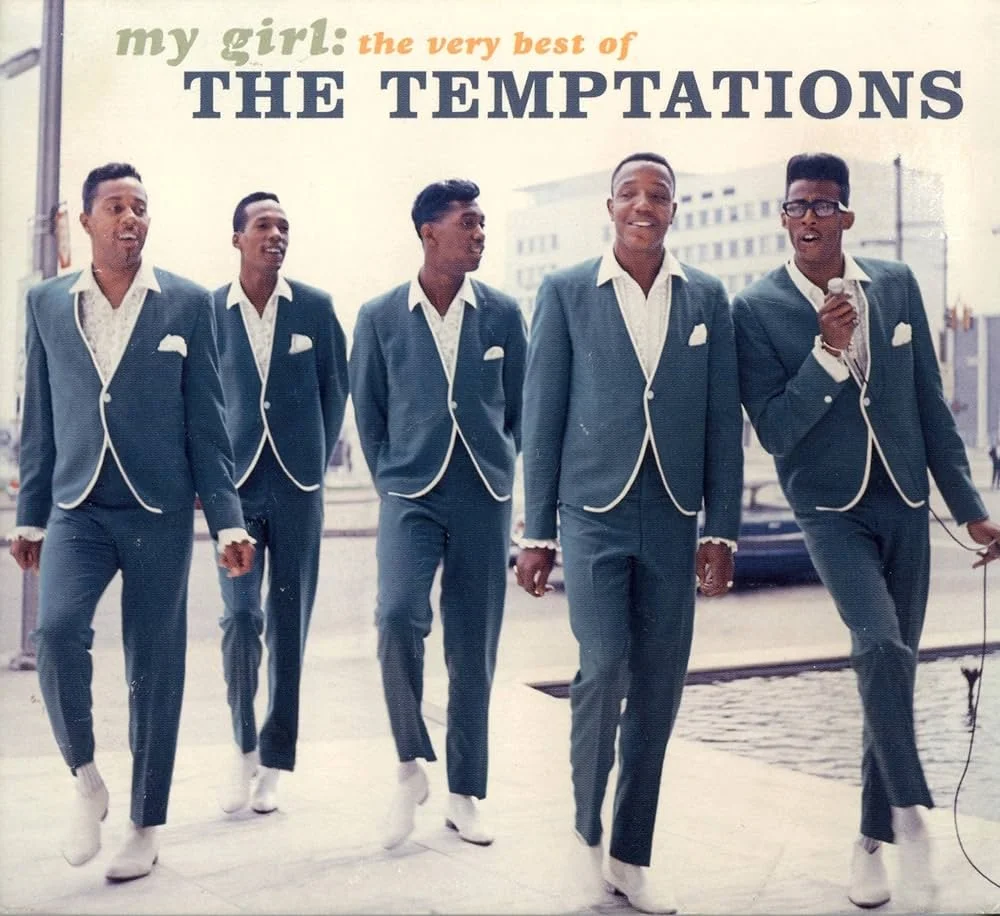
The Temptations - My Girl
“My Girl” by The Temptations stands as one of the most iconic songs in American music history. Released on December 21, 1964, through Motown’s Gordy Records subsidiary, the song became the group’s first number-one hit, reaching the top of both the Billboard Hot 100 and R&B charts in March 1965. Written and produced by Smokey Robinson and Ronnie White of The Miracles, “My Girl” was crafted specifically for The Temptations’ newest member, David Ruffin, whose powerful yet tender voice Robinson believed could deliver something truly special. The song marked Ruffin’s debut as lead vocalist for the group, launching him into the spotlight and establishing The Temptations as major stars.
The creation of “My Girl” came about after Robinson witnessed Ruffin perform The Drifters’ “Under the Boardwalk” at Detroit’s 20 Grand nightclub in 1964. Impressed by Ruffin’s vocal abilities, Robinson set out to write something that balanced Ruffin’s naturally commanding baritone with a sweet, melodic quality. Robinson has stated that he wrote the song as a follow-up to his hit “My Guy,” which Mary Wells had recorded earlier that year, and the lyrics were inspired by his wife, Claudette Rogers Robinson, who was also a member of The Miracles. The recording came together with remarkable efficiency: the instrumental track was laid down on September 25, 1964, at Motown’s legendary Snakepit studio by the Funk Brothers, featuring James Jamerson’s instantly recognizable opening bass line and Robert White’s melodic guitar riff. The Temptations added their vocals in November after Robinson taught them the song during a week of shows at the Apollo Theater in New York.
“My Girl” proved to be a watershed moment not just for The Temptations but for Motown as a whole. It became the label’s first number-one hit for a male group and the first chart-topper for the Gordy Records subsidiary. The song’s universal appeal and joyful expression of love helped it transcend musical boundaries, eventually being covered by more than 150 artists including Otis Redding, The Rolling Stones, Al Green, and The Mamas & The Papas. Its cultural impact has only grown over the decades: the song was inducted into the Grammy Hall of Fame in 1998, selected for preservation in the National Recording Registry by the Library of Congress in 2017, and ranked number 43 on Rolling Stone’s 2021 list of “The 500 Greatest Songs of All Time.” In 2024, “My Girl” surpassed one billion streams on Spotify and experienced a resurgence when New York Mets shortstop Francisco Lindor chose it as his walk-up song, prompting stadium-wide singalongs at Citi Field. As the song celebrated its 60th anniversary in December 2024, it remains The Temptations’ signature song and what founding member Otis Williams has called the “National Anthem of the Temptations,” continuing to resonate with new generations of listeners around the world.

The Wallflowers - One Headlight
"One Headlight" is a song by The Wallflowers, released in 1996 as the second single from their album "Bringing Down the Horse." The Wallflowers, fronted by Jakob Dylan (son of Bob Dylan), gained significant popularity with this song.
"One Headlight" is characterized by its introspective lyrics and a driving rock sound. The song reflects on themes of introspection, loss, and perseverance, with poignant lyrics that evoke a sense of searching and longing. The title metaphorically refers to a car with only one working headlight, symbolizing a sense of vulnerability or being lost.
Musically, "One Headlight" features strong guitar melodies and Dylan's distinctive vocals. The song was a commercial success, reaching the top of the Billboard Modern Rock Tracks chart and winning a Grammy Award for Best Rock Song in 1998. It remains one of The Wallflowers' most popular and enduring songs, celebrated for its evocative lyrics and memorable melody.
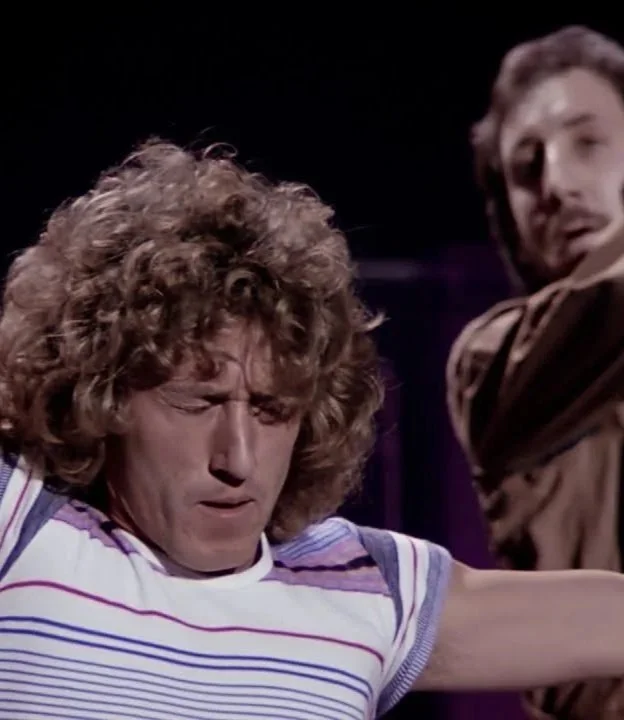
The Who - Won't Get Fooled Again
"Won't Get Fooled Again" is one of The Who's most iconic songs, released in 1971 as part of their rock opera album "Who's Next." The track is notable for its powerful themes of revolution, disillusionment, and the cyclical nature of political change.
The song's origins can be traced back to earlier material that was intended for the abandoned rock opera "Lifehouse." After the project's collapse, the band repurposed some of its concepts into "Who's Next." The song features Pete Townshend's signature synthesizer work, along with Roger Daltrey's explosive vocal performance, especially during the song's famous climax.
Lyrically, the song expresses a sense of skepticism towards political movements and leaders, suggesting that even with change, people's hopes often lead to disappointment. The anthemic chorus, "We don't get fooled again," has resonated as a message of resilience and awareness among listeners.
Musically, the song is renowned for its dynamic shifts, from quieter sections to the intense finale, showcasing The Who's signature sound. It has been a staple in their live performances and has been covered by numerous artists. The extended use of the synthesizer and the unique structure have cemented "Won't Get Fooled Again" as one of the greatest rock songs of all time.
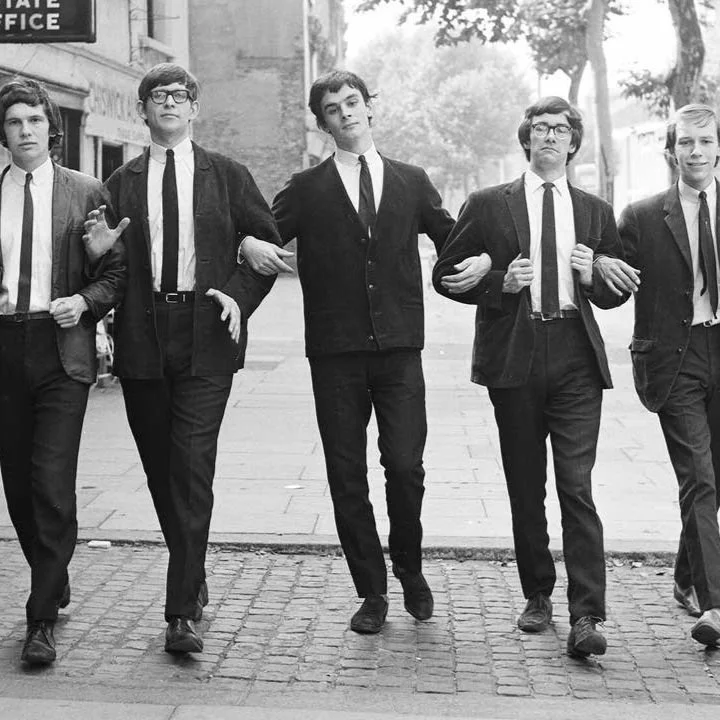
The Zombies - She's Not There
"She's Not There" by The Zombies is a timeless classic that epitomizes the jangly, melodic sound of 1960s British Invasion pop rock. Released in 1964, it features Colin Blunstone's distinctive vocals layered over Rod Argent's catchy keyboard riff and the band's tight rhythm section. The song's lyrics tell the story of a man who discovers his romantic interest has vanished without a trace, capturing themes of longing and uncertainty with poetic elegance.
Musically, "She's Not There" is characterized by its infectious melody and the interplay between Argent's organ and Paul Atkinson's guitar, creating a lush, atmospheric backdrop for Blunstone's soulful delivery. The song was a major hit, reaching the top of the charts in the United States and earning The Zombies a lasting place in rock music history. Its enduring appeal lies in its irresistible blend of pop sensibility, melancholic lyrics, and innovative instrumentation, making it a standout track of the 1960s and a cornerstone of The Zombies' acclaimed discography.

Three Dog Night – Mama Told Me (Not To Come)
“Mama Told Me (Not to Come)” is a rock song performed by Three Dog Night. It was written by Randy Newman and originally recorded by Eric Burdon and The Animals in 1967. However, Three Dog Night's version, released in 1970 as a single from their album It Ain't Easy, became the most popular rendition.
The song features an energetic rock sound with a catchy chorus. It narrates a story of attending a wild party and feeling out of place, despite being advised by one's mother not to engage in such activities. The lyrics and the upbeat tempo of the song contributed to its success, making it one of Three Dog Night's signature songs.
“Mama Told Me (Not to Come)” became a chart-topping hit for Three Dog Night, reaching number one on the Billboard Hot 100 chart. It remains a staple of classic rock radio and is often regarded as one of the band's most memorable tracks.
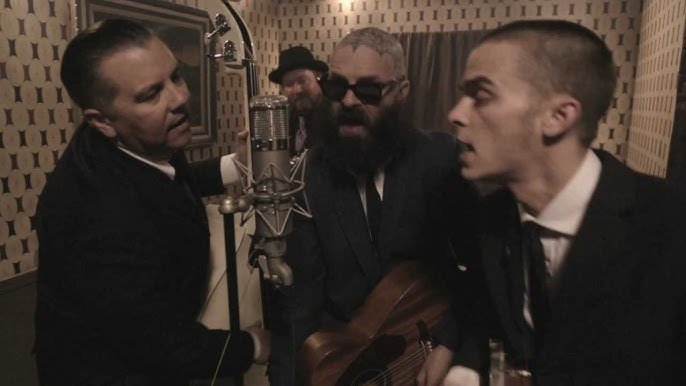
Tim Timebomb and Friends - She's Drunk All The Time
"She’s Drunk All the Time" is a song by Tim Timebomb and Friends, a collaborative project led by Tim Armstrong, best known as the frontman of Rancid. Released in 2013 as part of Armstrong’s ambitious series of daily music uploads, the track reflects his deep roots in punk, ska, and reggae, while also embracing a looser, more experimental and collaborative style. The Tim Timebomb and Friends project involved Armstrong working with a rotating cast of musicians, reinterpreting classic songs, creating original material, and blending genres in a way that paid homage to his musical influences.
The song itself carries a raw, gritty narrative style typical of Armstrong’s songwriting, telling the story of a troubled relationship marked by addiction and emotional instability. Musically, it features a stripped-down, punk-infused arrangement with elements of ska rhythm, giving it an energetic yet slightly melancholic tone. Like many tracks from the project, “She’s Drunk All the Time” captures a sense of spontaneity and authenticity, as the recordings were often done quickly and released directly to fans online.
While not a mainstream chart hit, the song is appreciated by fans of Armstrong’s work for its candid storytelling and DIY spirit. It reflects the ethos of Tim Timebomb and Friends as a whole—an ongoing creative outlet that allowed Armstrong to experiment freely outside the structure of a traditional band, while still staying true to the rebellious, emotionally honest core of punk music.
The song features an energetic rock sound with a catchy chorus. It narrates a story of attending a wild party and feeling out of place, despite being advised by one's mother not to engage in such activities. The lyrics and the upbeat tempo of the song contributed to its success, making it one of Three Dog Night's signature songs.
“Mama Told Me (Not to Come)” became a chart-topping hit for Three Dog Night, reaching number one on the Billboard Hot 100 chart. It remains a staple of classic rock radio and is often regarded as one of the band's most memorable tracks.

Tina Turner - What’s Love Got To Do With It
"What’s Love Got to Do with It" is one of Tina Turner’s most iconic songs, released in 1984. The track explores themes of love, desire, and emotional detachment, emphasizing that love might not be the primary factor in a relationship. Its catchy chorus and powerful vocals contributed to its commercial success, making it a classic in pop and rock music. The song also played a significant role in Turner’s comeback and is featured in her biopic of the same name.
"What’s Love Got to Do with It" by Tina Turner explores the complexities of love and relationships, highlighting that love isn't the only factor in romantic connections.

Tove Lo - Habits (Stay High)
Tove Lo's "Habits (Stay High)" is a bold and unapologetic track that perfectly captures the emotional complexity of trying to numb heartbreak and pain. Released in 2013 as part of her debut album Queen of the Clouds, the song became a breakout hit and is known for its raw, candid lyrics. Tove Lo sings about using temporary fixes—whether it's partying, substance use, or just being in denial—to distract from the hurt of a broken relationship.
The juxtaposition of the upbeat, almost catchy instrumental with the dark, introspective lyrics gives the song a unique vibe, creating a sense of duality. You’re dancing to the rhythm, but the words reveal a deeper sadness and self-doubt. It’s one of those songs that highlights the way people sometimes cope with loss or heartbreak in unhealthy ways, all while trying to keep up appearances and maintain a sense of control.
It’s definitely a track that many people can relate to when they’re navigating those tough, vulnerable moments.
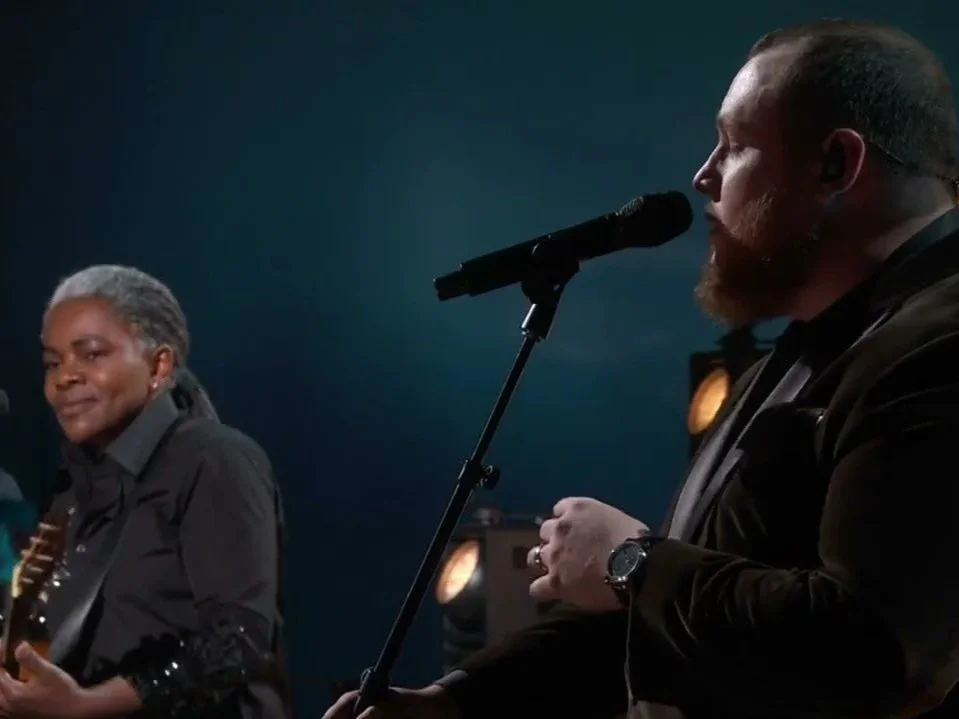
Tracy Chapman and Luke Combs - Fast Car
“Fast Car” is a song originally written and performed by Tracy Chapman, released in 1988 on her self-titled debut album. The song became a massive hit, known for its poignant storytelling and emotional depth. It captures themes of escape, longing for a better life, and the complexities of relationships. The narrator dreams of freedom and a better future while navigating the difficulties of a troubled relationship.
In 2021, country artist Luke Combs released a cover of “Fast Car,” which brought the song to a new audience and gained significant popularity. Combs’ rendition retains the heartfelt essence of the original while infusing it with his own style, appealing to both country and pop listeners alike. His cover further highlights the timelessness of the song's themes and demonstrates its versatility across genres.
Overall, “Fast Car” remains an iconic track that resonates with many, showcasing the struggles and aspirations of everyday life, whether through Tracy Chapman’s original or Luke Combs’ interpretation.

Tracy Chapman and Luciano Pavarotti - Baby Can I Hold You Tonight
Baby Can I Hold You Tonight is a song originally written and performed by Tracy Chapman, an American singer-songwriter known for her soulful and introspective music. The song was released on her self-titled debut album in 1988. It's a poignant ballad that explores themes of love, longing, and vulnerability. Joining Luciano Pavarotti, the renowned Italian operatic tenor, makes this performance all the more special.

Tupac - Keep Ya Head Up
"Keep Ya Head Up" by Tupac is one of his most powerful and inspirational tracks. Released in 1993 as part of his album Strictly 4 My N.I.G.G.A.Z., the song touches on themes of resilience, social injustice, and the struggles that women face, particularly single mothers. It’s known for its uplifting message and compassionate tone, where Tupac encourages people—especially women—to stay strong in the face of adversity. The track is often considered a classic not only for its lyrics but also for its sample of the 1971 song "Keep Ya Head Up" by the legendary soul artist, Betty Wright.
The song resonates with so many because of its raw emotion and universal appeal, addressing societal issues still relevant today.
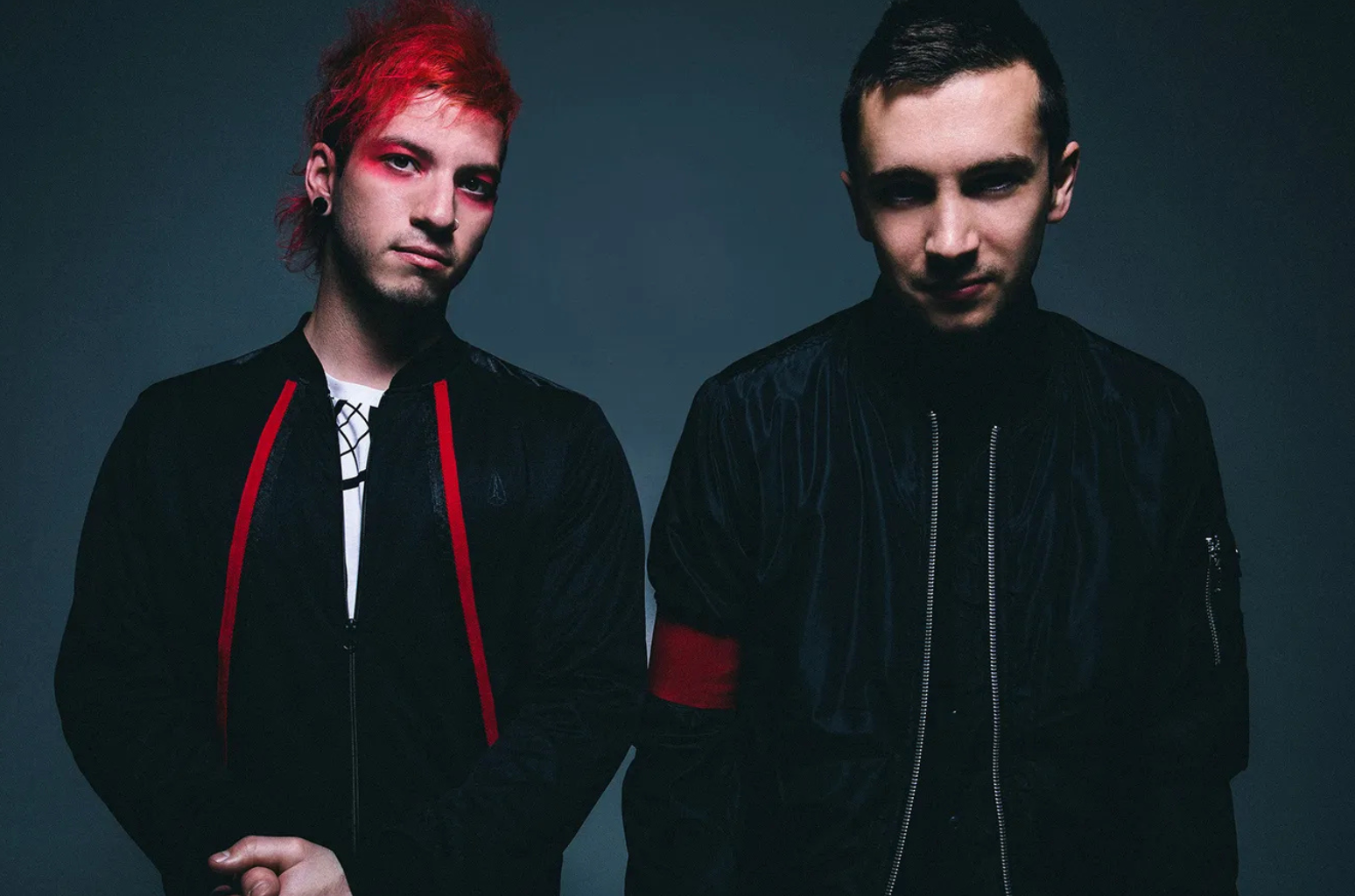
Twenty One Pilots - Heathens
Twenty One Pilots' song "Heathens" was released in 2016 as a single for the soundtrack of the film Suicide Squad. The track was written and produced by Tyler Joseph, with additional production by Mike Elizondo. The song gained significant commercial success, peaking at number two on the US Billboard Hot 100, a position it shared with the band's earlier hit "Stressed Out." This achievement made Twenty One Pilots the first alternative artist in history to have two concurrent top five singles on the Billboard Hot 100. "Heathens" was notably leaked online prior to its official release, an event that the band acknowledged with a cryptic tweet. Lyrically, the song has been interpreted in various ways, including as a message from Tyler Joseph to new fans about the band's existing fanbase, known as the Skeleton Clique, and as a broader commentary on judging and accepting others. The song also received a Grammy nomination for Best Rock Performance.
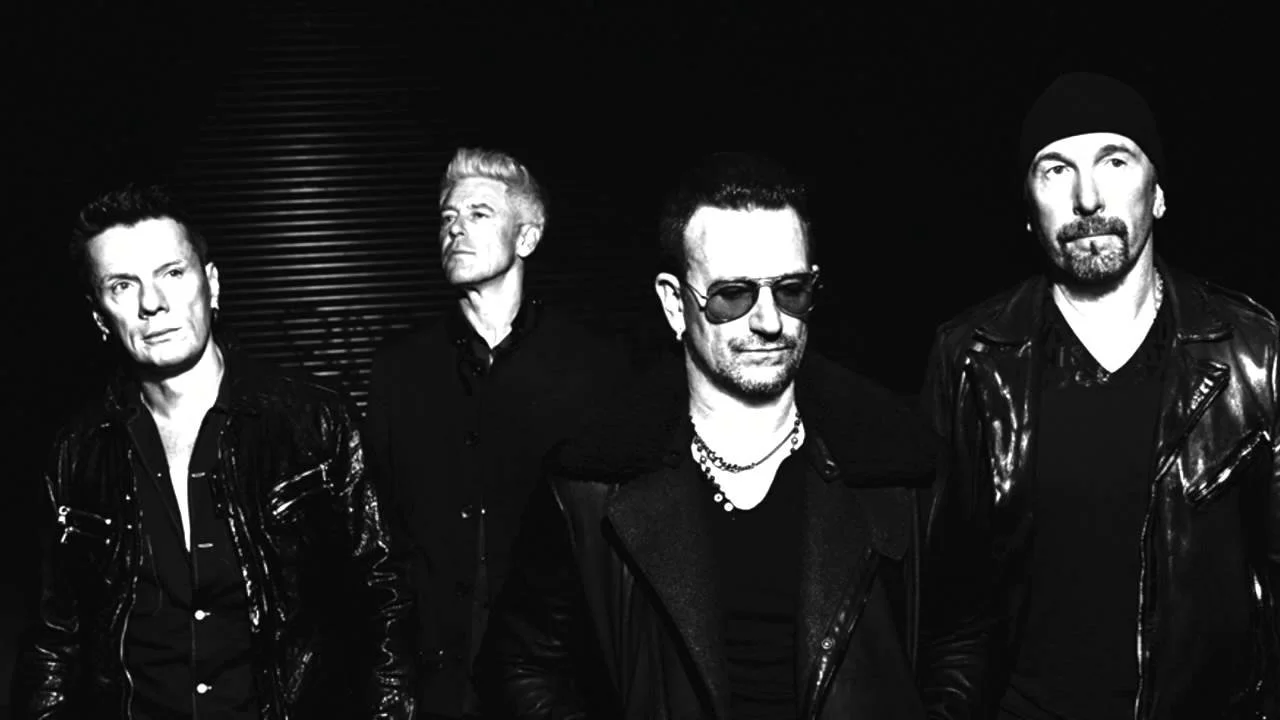
U2 - The Miracle (Of Joey Ramone)
U2's "The Miracle (Of Joey Ramone)" serves as the opening track to their thirteenth studio album, Songs of Innocence, released in 2014. The song originated from recording sessions in 2010, initially featuring a drum loop and acoustic guitar, and evolved into a rockier sound with the help of producers Danger Mouse, Paul Epworth, and Ryan Tedder. The title is a direct homage to Joey Ramone, the iconic lead singer of the punk rock band the Ramones, who profoundly influenced Bono during U2's formative years. Bono has recounted sneaking into a Ramones concert as a teenager, an experience that helped him overcome self-consciousness about his own singing. The song was first unveiled during an Apple Inc. product launch event in September 2014, coinciding with the controversial announcement that Songs of Innocence would be distributed free to all iTunes Store customers. While intended as a tribute, the song's release was overshadowed by the backlash against the unsolicited album download. Despite the controversy, former Ramones drummer Marky Ramone praised the song, noting that Joey would have appreciated the tribute, even though his name isn't explicitly mentioned in the lyrics.

Ugly Kid Joe - Everything About You
"Everything About You" is a breakout hit by Ugly Kid Joe, released in 1992 as the lead single from their debut album America's Least Wanted. The song is a sarcastic, tongue-in-cheek anthem about dissatisfaction and frustration in a bad relationship, with lyrics like "I hate the way you talk to me" and "I hate the way you make me laugh" capturing the irritation of dealing with someone whose every trait seems grating. Musically, the track blends hard rock with elements of grunge and alternative metal, driven by infectious guitar riffs and an energetic vocal performance from Whitfield Crane. Its catchy chorus and irreverent tone made it an instant radio hit, propelling Ugly Kid Joe to mainstream success. The song remains the band’s signature track, embodying the rebellious, humorous spirit of early '90s rock and continuing to be a fan favorite in their live shows.