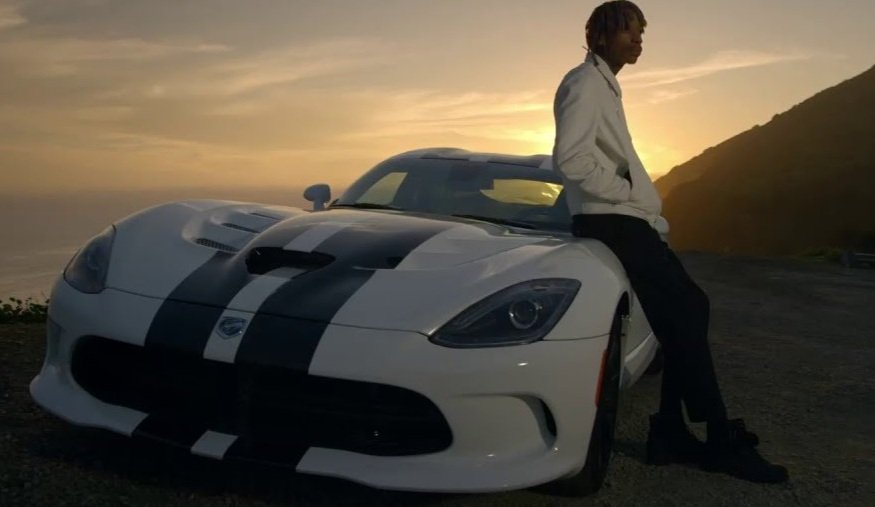
The Strokes - Last Nite
"Last Nite" is from The Strokes' debut album, “Is This It”, which was released in 2001. It is a song that captures the essence of the early 2000s rock revival. The lyrics reflect themes of youth, disillusionment, and the complexities of relationships. The narrator expresses feelings of frustration and longing, often conveying a sense of vulnerability. The catchy guitar riffs and upbeat tempo contrast with the introspective lyrics, creating a powerful dynamic. Overall, the song embodies a rebellious spirit and the struggles of finding one's place in a chaotic world, making it a defining track of the era.

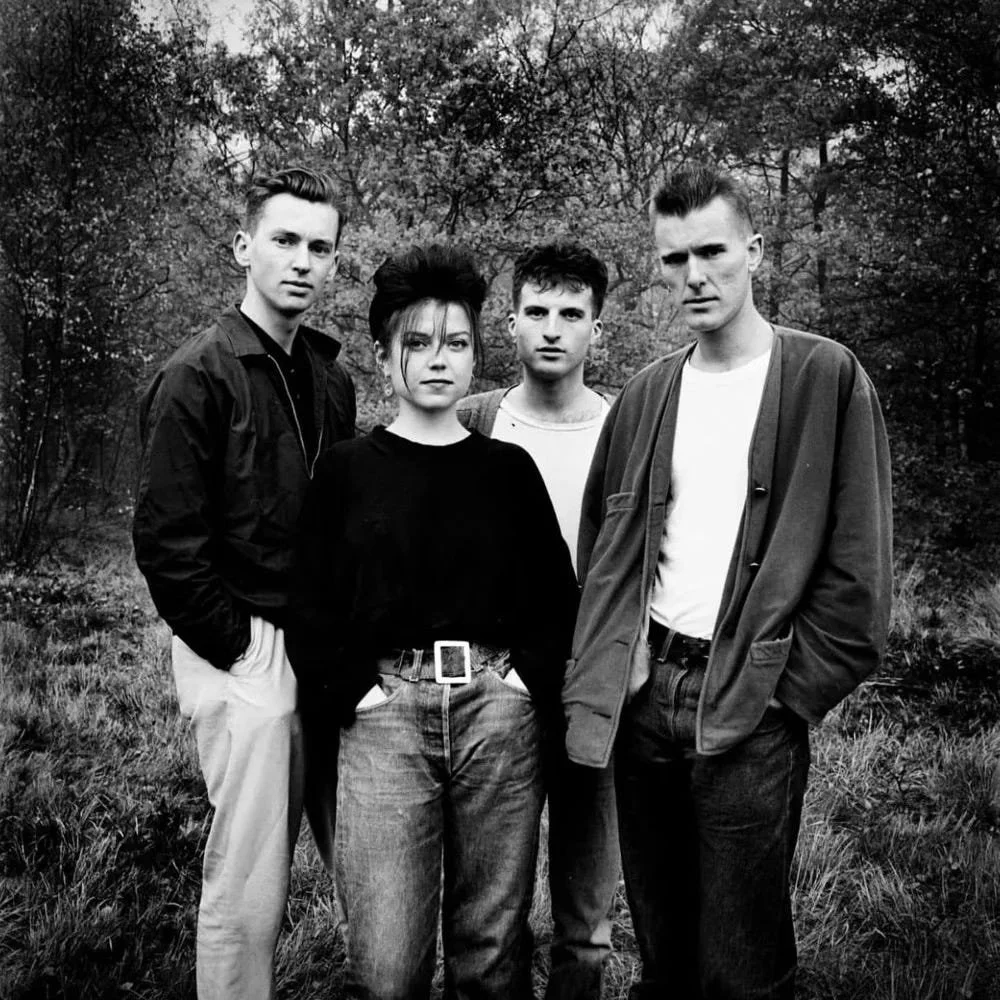
The Sundays - Here's Where The Story Ends
"Here's Where The Story Ends" is a song by The Sundays, released in 1990 as part of their debut album, "Reading, Writing and Arithmetic." The song showcases the band's signature jangly guitar sound, reflective lyrics, and the ethereal vocals of lead singer Harriet Wheeler.
The track stands out for its introspective and melancholic vibe, exploring themes of nostalgia, love, and the passage of time. It captures a sense of yearning and vulnerability, which resonated with listeners at the time and continues to do so today.
The Sundays formed in 1988 in the United Kingdom and quickly gained traction with their blend of alternative rock and dream pop. "Here's Where The Story Ends" became one of their most popular songs, helping them secure a place in the early 90s alternative music scene. The song received significant airplay on college radio and was well-received by critics, contributing to the band’s enduring legacy in the genre.
Despite their success, The Sundays didn't release a large number of albums; they followed up with "Blind" in 1992 and "Static and Silence" in 1997, but disbanded soon after. The band's sound and Wheeler's distinctive voice have influenced many artists in the indie and alternative genres over the years, ensuring that "Here's Where The Story Ends" remains a beloved classic.


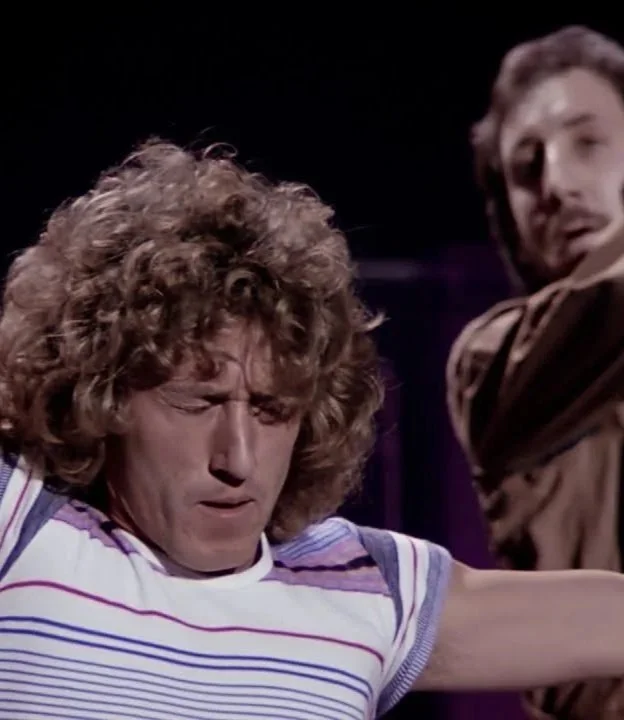
The Who - Won't Get Fooled Again
"Won't Get Fooled Again" is one of The Who's most iconic songs, released in 1971 as part of their rock opera album "Who's Next." The track is notable for its powerful themes of revolution, disillusionment, and the cyclical nature of political change.
The song's origins can be traced back to earlier material that was intended for the abandoned rock opera "Lifehouse." After the project's collapse, the band repurposed some of its concepts into "Who's Next." The song features Pete Townshend's signature synthesizer work, along with Roger Daltrey's explosive vocal performance, especially during the song's famous climax.
Lyrically, the song expresses a sense of skepticism towards political movements and leaders, suggesting that even with change, people's hopes often lead to disappointment. The anthemic chorus, "We don't get fooled again," has resonated as a message of resilience and awareness among listeners.
Musically, the song is renowned for its dynamic shifts, from quieter sections to the intense finale, showcasing The Who's signature sound. It has been a staple in their live performances and has been covered by numerous artists. The extended use of the synthesizer and the unique structure have cemented "Won't Get Fooled Again" as one of the greatest rock songs of all time.
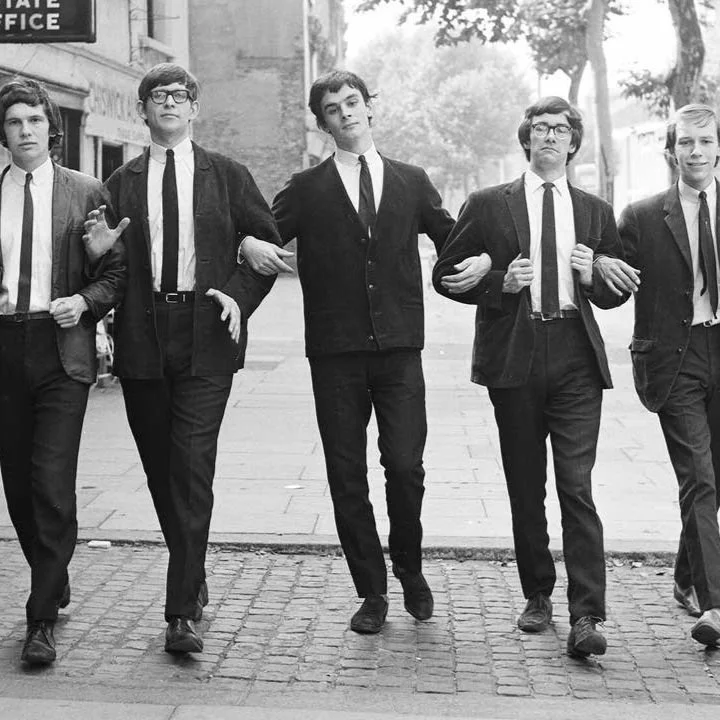

Three Dog Night – Mama Told Me (Not To Come)
“Mama Told Me (Not to Come)” is a rock song performed by Three Dog Night. It was written by Randy Newman and originally recorded by Eric Burdon and The Animals in 1967. However, Three Dog Night's version, released in 1970 as a single from their album It Ain't Easy, became the most popular rendition.
The song features an energetic rock sound with a catchy chorus. It narrates a story of attending a wild party and feeling out of place, despite being advised by one's mother not to engage in such activities. The lyrics and the upbeat tempo of the song contributed to its success, making it one of Three Dog Night's signature songs.
“Mama Told Me (Not to Come)” became a chart-topping hit for Three Dog Night, reaching number one on the Billboard Hot 100 chart. It remains a staple of classic rock radio and is often regarded as one of the band's most memorable tracks.
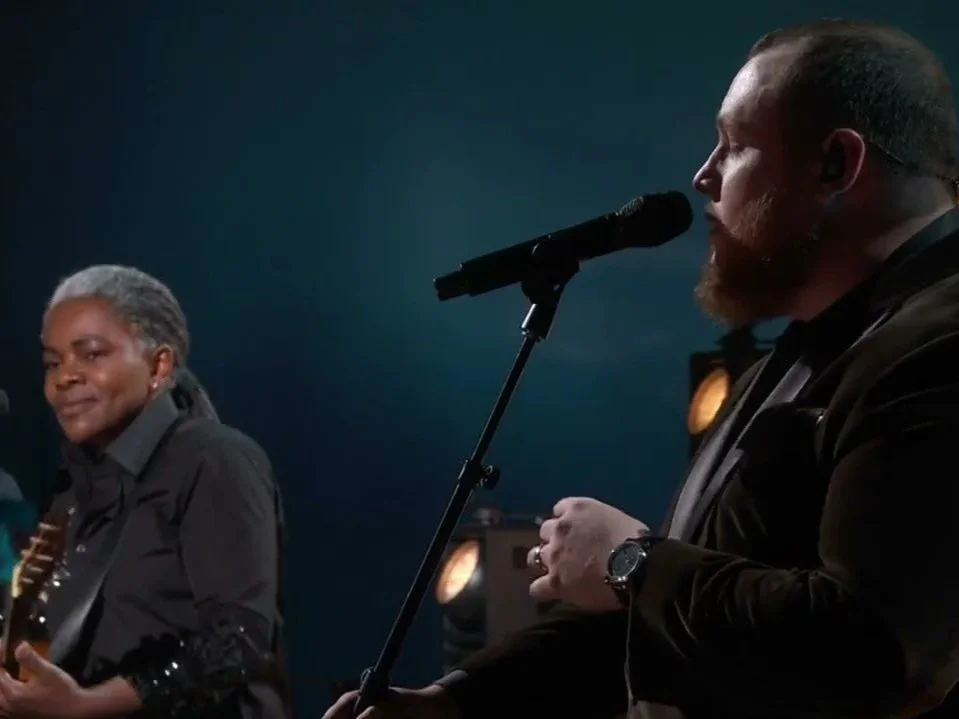
Tracy Chapman and Luke Combs - Fast Car
“Fast Car” is a song originally written and performed by Tracy Chapman, released in 1988 on her self-titled debut album. The song became a massive hit, known for its poignant storytelling and emotional depth. It captures themes of escape, longing for a better life, and the complexities of relationships. The narrator dreams of freedom and a better future while navigating the difficulties of a troubled relationship.
In 2021, country artist Luke Combs released a cover of “Fast Car,” which brought the song to a new audience and gained significant popularity. Combs’ rendition retains the heartfelt essence of the original while infusing it with his own style, appealing to both country and pop listeners alike. His cover further highlights the timelessness of the song's themes and demonstrates its versatility across genres.
Overall, “Fast Car” remains an iconic track that resonates with many, showcasing the struggles and aspirations of everyday life, whether through Tracy Chapman’s original or Luke Combs’ interpretation.

Tracy Chapman and Luciano Pavarotti - Baby Can I Hold You Tonight
Baby Can I Hold You Tonight is a song originally written and performed by Tracy Chapman, an American singer-songwriter known for her soulful and introspective music. The song was released on her self-titled debut album in 1988. It's a poignant ballad that explores themes of love, longing, and vulnerability. Joining Luciano Pavarotti, the renowned Italian operatic tenor, makes this performance all the more special.

Tina Turner - What’s Love Got To Do With It
"What’s Love Got to Do with It" is one of Tina Turner’s most iconic songs, released in 1984. The track explores themes of love, desire, and emotional detachment, emphasizing that love might not be the primary factor in a relationship. Its catchy chorus and powerful vocals contributed to its commercial success, making it a classic in pop and rock music. The song also played a significant role in Turner’s comeback and is featured in her biopic of the same name.
"What’s Love Got to Do with It" by Tina Turner explores the complexities of love and relationships, highlighting that love isn't the only factor in romantic connections.


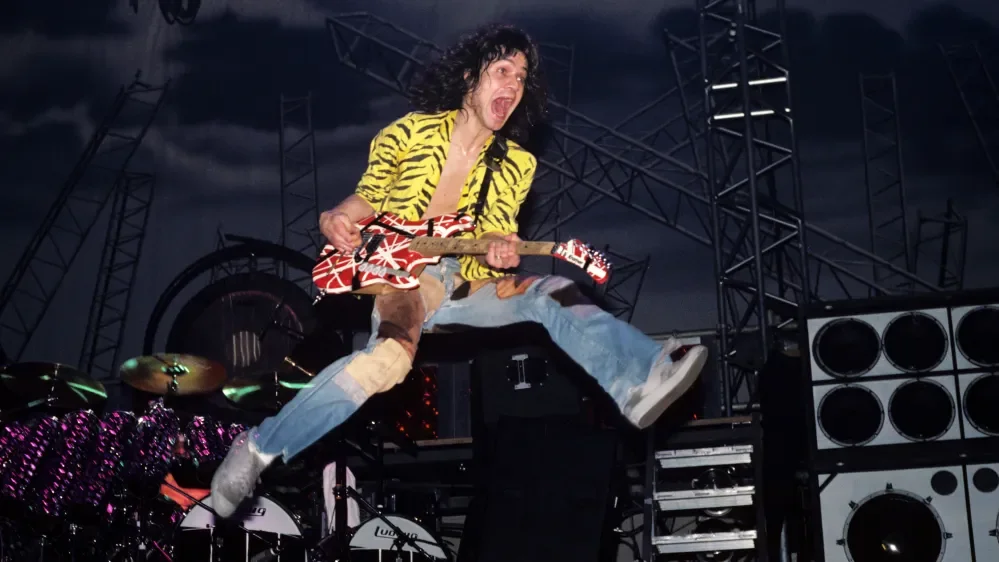
Van Halen - Jump
It’s 1983 and December. What did everyone want for Christmas? Or what you’re returning your gift for? You bet it was 1984 by Van Halen. “Jump” was an immediate hit becoming Van Halen's most successful single, reaching number 1 on the US Billboard Hot 100. MTV played it day and night; and we still didn’t tire of it. Existing Van Halen fans were not as pleased with the direction the band had gone, much preferring the heavier version of the bands' earlier albums; also blaming the song for the future break up of the band.
"Jump" is widely known for its catchy hook and vibrant energy, emblematic of the 1980s rock scene. The song was a departure from Van Halen's earlier albums, as it incorporated synthesizers more prominently, which was a trend during that era. David Lee Roth's vocals are dynamic and motivational, urging listeners to take leaps of faith—both literally and metaphorically. The music video for "Jump" further enhanced its popularity, featuring dynamic performance footage of the band, which perfectly captured the spirit of the song. The track is often played at sporting events and is a staple in classic rock radio playlists. Its enduring appeal has made it a timeless anthem that continues to inspire listeners to embrace opportunities and take risks.

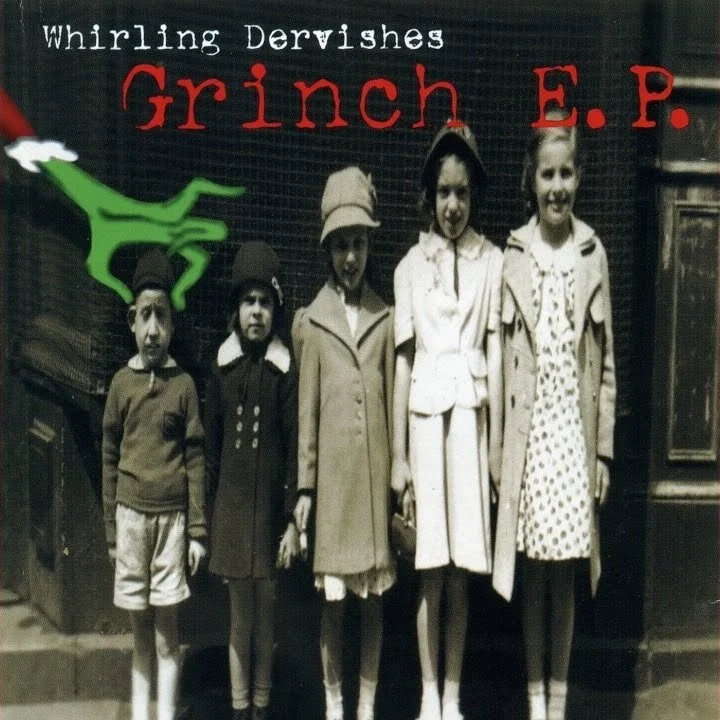
Whirling Dervishes - You're a Mean One Mr. Grinch
Whirling Dervishes are an American alternative rock band from Westfield, New Jersey. Formed in 1981 initially as Johnny Bravo and his Whirling Dervishes, the band shortened its name in 1983 to Whirling Dervishes.
Best known for their perennial Christmas classic cover of "You're A Mean One, Mr. Grinch," the band released two vinyl EPs, History Kicks You (1983) and Affordable World (1985); one CD EP, Wish it Would Snow (1992), independently, re-released in 1994 on Ignition with bonus tracks and again in 1995 as Grinch on Continuum/Universal; and one full-length CD album, Strange and Wonderful (1992).