

The Jeff Healey Band - Angel Eyes
“Angel Eyes” by The Jeff Healey Band is a blues-rock ballad that became the group’s signature song and biggest commercial success. Written by acclaimed songwriters John Hiatt and Fred Koller, the song was produced by Greg Ladanyi and appeared on the band’s debut album, See the Light, released in 1988 on Arista Records. The Toronto-based band, formed in 1985, featured the extraordinary guitarist Jeff Healey, who was blind from infancy due to eye cancer and developed a unique playing style by laying his guitar flat on his lap and pressing directly down on the fretboard. Released as a single in April 1989 in the United Kingdom and shortly after in the United States, “Angel Eyes” climbed to No. 5 on the Billboard Hot 100, spending 22 weeks on the chart and becoming the 70th-highest-selling single in the United States for 1989. The song’s success was significantly boosted by its inclusion in the 1989 film Road House, where Healey and his band appeared as the house band at the Double Deuce saloon alongside Patrick Swayze. The track showcased Healey’s emotive vocals and expressive guitar work, blending blues sensibility with soft rock accessibility. While it remains The Jeff Healey Band’s only major hit in America, the song has endured as a classic, later covered by Australian artist Paulini, whose version reached No. 1 in Australia in 2004. Healey continued performing until his death in 2008 at age 41 from lung cancer, leaving “Angel Eyes” as his most recognizable and enduring contribution to popular music.
The Kinks - Father Christmas
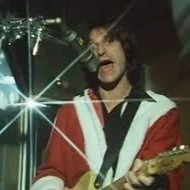
"Father Christmas" is a Christmas song by the British rock band The Kinks, released in 1977 as a single. The song, written by lead singer and songwriter Ray Davies, is a departure from the traditional cheerful holiday music. It stands out for its more cynical and rebellious tone.
In "Father Christmas," the lyrics tell the story of a young boy who confronts Santa Claus, asking for money and presents. However, the song takes an unexpected twist when the child, rather than expressing joy and excitement, is frustrated by the commercialism of Christmas. The boy even tells Father Christmas to "give it to the poor" and expresses disillusionment with the idea of material gifts. The song also has a darker side, as the narrator describes being attacked by a group of "naughty" children who end up taking Santa's presents.
Despite its grittier and more rebellious approach, "Father Christmas" became a holiday favorite, especially among fans of rock music. The song's catchy melody, energetic performance, and sharp lyrics made it an anthem of sorts for those who see Christmas through a more critical lens, highlighting the commercialization and materialistic nature of the holiday.
While it was not initially a major chart hit, "Father Christmas" has since gained popularity and is now considered one of The Kinks' most iconic holiday songs. It remains a staple of alternative Christmas playlists and is beloved for its unique take on the festive season.

The Kinks - You Really Got Me
"You Really Got Me" by The Kinks stands as one of the most influential rock songs of the 1960s and a pivotal moment in the development of hard rock and heavy metal. Written by frontman Ray Davies and released as the band's third single in 1964, the song became the Kinks' breakthrough hit, establishing them as one of the top British Invasion acts in the United States. During the spring of 1964, Ray Davies initially conceived the song as a more laid-back, jazz-oriented number centered around a piano or saxophone line. However, when he played the chords to his younger brother Dave Davies, the Kinks' lead guitarist, Dave recognized that the riff would be much more powerful on guitar. This decision to transform the song into a guitar-centered track proved to be career-defining, as the resulting sound was radically different from anything the band had recorded before.
The recording process for "You Really Got Me" was fraught with tension and nearly didn't happen at all. The Kinks recorded the song at least twice in mid-1964, likely around June and July. The band's first full studio version was slower and less emphatic than the final single, with producer Shel Talmy covering the track in reverb that buried the lead guitar. The band was dissatisfied with this version and wanted to re-record it, but their record company Pye refused to fund another session since the band's first two singles had failed to chart. Ray Davies threatened that he would refuse to perform or promote the single unless it was re-recorded, and manager Larry Page also refused to publish the original recording. When Pye stood its ground, the band's own management broke the stalemate by funding the session themselves. The final version was recorded in July 1964, with session drummer Bobby Graham playing drums (despite Mick Avory having joined the band, Talmy didn't trust him and had him play tambourine instead). The song's revolutionary guitar sound came from Dave Davies' damaged amplifier, though the Davies brothers have disputed over the years exactly how the distortion was achieved—Ray claims he stuck knitting needles through the speaker, while Dave insists he sliced the amp's speaker cone with a razor blade.
The impact of "You Really Got Me" was immediate and far-reaching. Released in the UK on August 4, 1964, it climbed to number one on September 16, where it stayed for two weeks. When it first charted in the U.S. on September 26, 1964, it was already number one on the British pop charts, and it would reach number seven on the U.S. Hot 100. The song's novel use of power chords and distortion heavily influenced later rock musicians, particularly in the heavy metal and punk rock genres. Its raw, aggressive guitar riff became a template for countless rock songs that followed, and the track has been covered by numerous artists over the decades. Most notably, Van Halen recorded a new version of the song for their self-titled debut album in 1978, turning it into a Top 40 single all over again and helping spark a Kinks revival in the process. "You Really Got Me" remains a fundamental building block of rock music, representing the moment when the genre took a decisive turn toward heavier, more aggressive sounds.
The McCoys - Hang On Sloopy
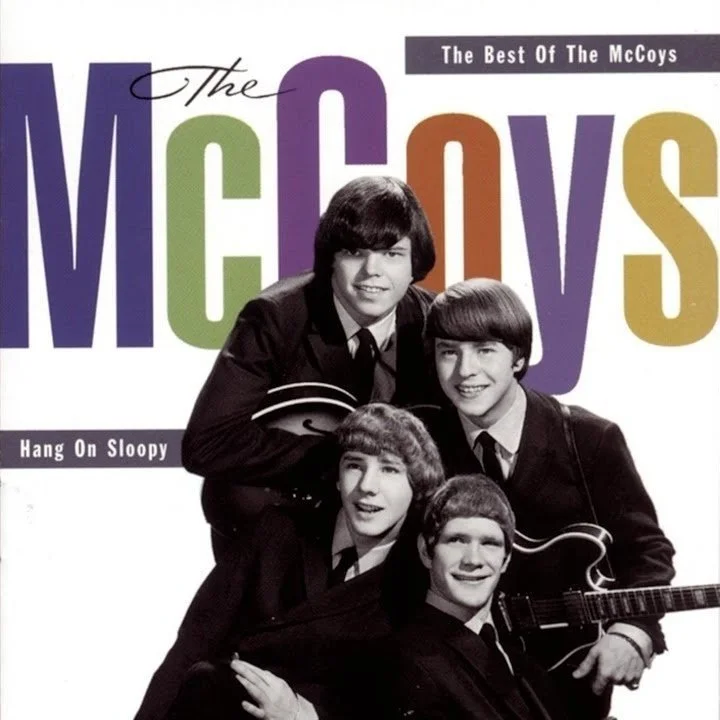
"Hang On Sloopy," performed by The McCoys and released in 1965, is a quintessential rock song that achieved widespread popularity for its infectious energy and memorable chorus. Written by Wes Farrell and Conny Van Dyke, the song tells the story of a girl named Sloopy, encouraging her to persevere and stay resilient despite life's challenges. The repetitive and catchy refrain, "Hang on Sloopy, Sloopy hang on," serves as both a rallying cry and a message of support. Musically, the song features a driving guitar riff and a vibrant tempo, emblematic of the mid-60s rock sound. Its cultural impact was further solidified when it became the official rock song of Ohio, due in part to its association with the Ohio State University Buckeyes. "Hang On Sloopy" remains a beloved classic rock anthem, celebrated for its lively spirit and enduring appeal.

The Police - Every Breath You Take
"Every Breath You Take" by The Police is a song that is often misunderstood as a romantic love song due to its melodic structure and the use of phrases like "every breath you take" and "every move you make." However, it actually explores the darker side of relationships, focusing on themes of obsession and surveillance. The lyrics, sung from the perspective of someone watching another person's every move, convey a sense of possessiveness and longing.
The song was written by Sting, The Police's lead vocalist and bassist, and was released in 1983 as part of their album "Synchronicity." It became one of their most famous and successful songs, topping the charts in multiple countries and winning Grammy Awards for Song of the Year and Best Pop Performance by a Duo or Group with Vocals.
Musically, "Every Breath You Take" features a distinctive guitar riff and a steady, hypnotic beat that enhances the song's atmosphere of obsession and introspection. Its enduring popularity has cemented it as a classic in pop music history, despite its complex lyrical themes.

The Police - King of Pain
“King of Pain” is a song by the English rock band The Police, released as the final single from their fifth studio album, “Synchronicity,” in 1983. The song was written by the band's lead vocalist and bassist, Sting.
“King of Pain” is characterized by its introspective lyrics, exploring themes of despair, isolation, and emotional turmoil. The song's verses vividly describe various forms of pain and suffering, while the chorus expresses a sense of resignation and acceptance. Musically, “King of Pain” features a haunting melody, driven by Sting's emotive vocals and Andy Summers' atmospheric guitar work. The song's intricate arrangement and atmospheric production contribute to its enduring appeal.
“King of Pain” achieved commercial success, reaching the top ten in several countries and becoming a staple of The Police's live performances. Its poignant lyrics and evocative melody have made it one of the band's most beloved songs, earning it a place as a classic in the rock genre.


The Strokes - Last Nite
"Last Nite" is from The Strokes' debut album, “Is This It”, which was released in 2001. It is a song that captures the essence of the early 2000s rock revival. The lyrics reflect themes of youth, disillusionment, and the complexities of relationships. The narrator expresses feelings of frustration and longing, often conveying a sense of vulnerability. The catchy guitar riffs and upbeat tempo contrast with the introspective lyrics, creating a powerful dynamic. Overall, the song embodies a rebellious spirit and the struggles of finding one's place in a chaotic world, making it a defining track of the era.

The Sundays - Here's Where The Story Ends
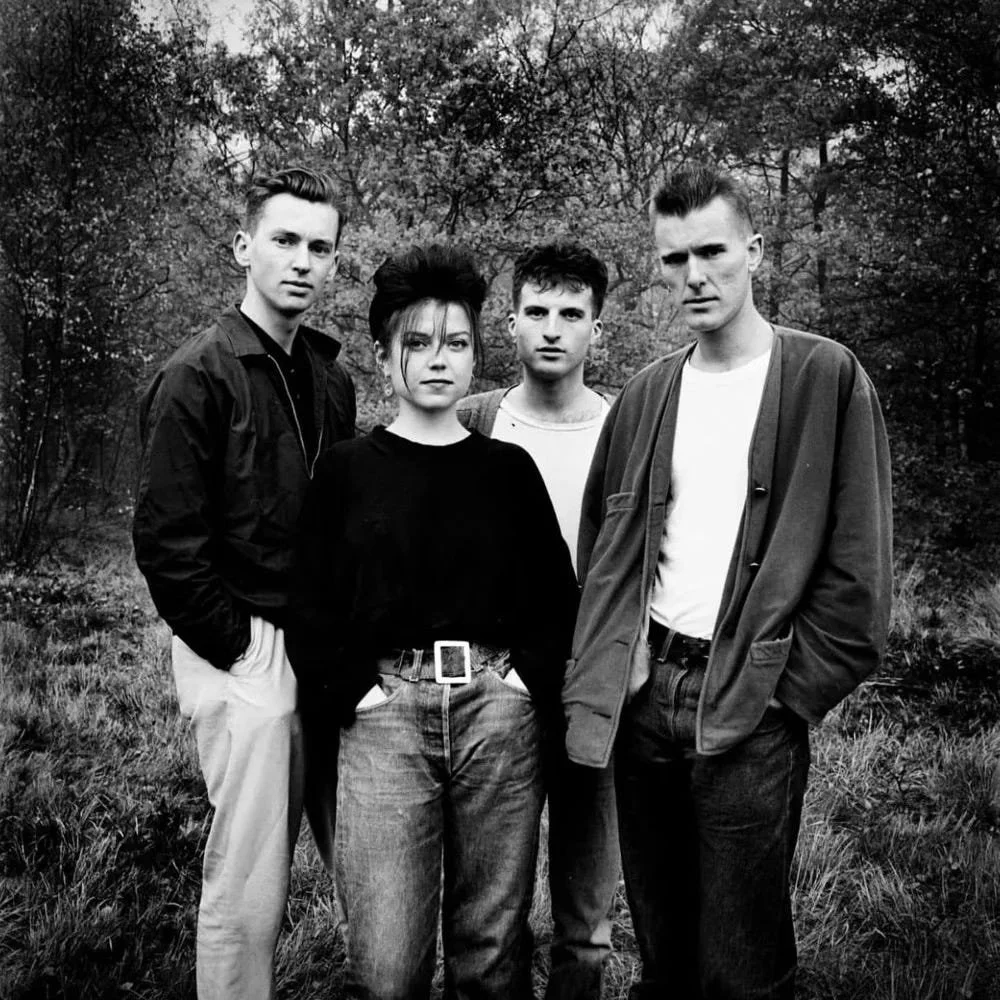
"Here's Where The Story Ends" is a song by The Sundays, released in 1990 as part of their debut album, "Reading, Writing and Arithmetic." The song showcases the band's signature jangly guitar sound, reflective lyrics, and the ethereal vocals of lead singer Harriet Wheeler.
The track stands out for its introspective and melancholic vibe, exploring themes of nostalgia, love, and the passage of time. It captures a sense of yearning and vulnerability, which resonated with listeners at the time and continues to do so today.
The Sundays formed in 1988 in the United Kingdom and quickly gained traction with their blend of alternative rock and dream pop. "Here's Where The Story Ends" became one of their most popular songs, helping them secure a place in the early 90s alternative music scene. The song received significant airplay on college radio and was well-received by critics, contributing to the band’s enduring legacy in the genre.
Despite their success, The Sundays didn't release a large number of albums; they followed up with "Blind" in 1992 and "Static and Silence" in 1997, but disbanded soon after. The band's sound and Wheeler's distinctive voice have influenced many artists in the indie and alternative genres over the years, ensuring that "Here's Where The Story Ends" remains a beloved classic.

The Temptations - My Girl
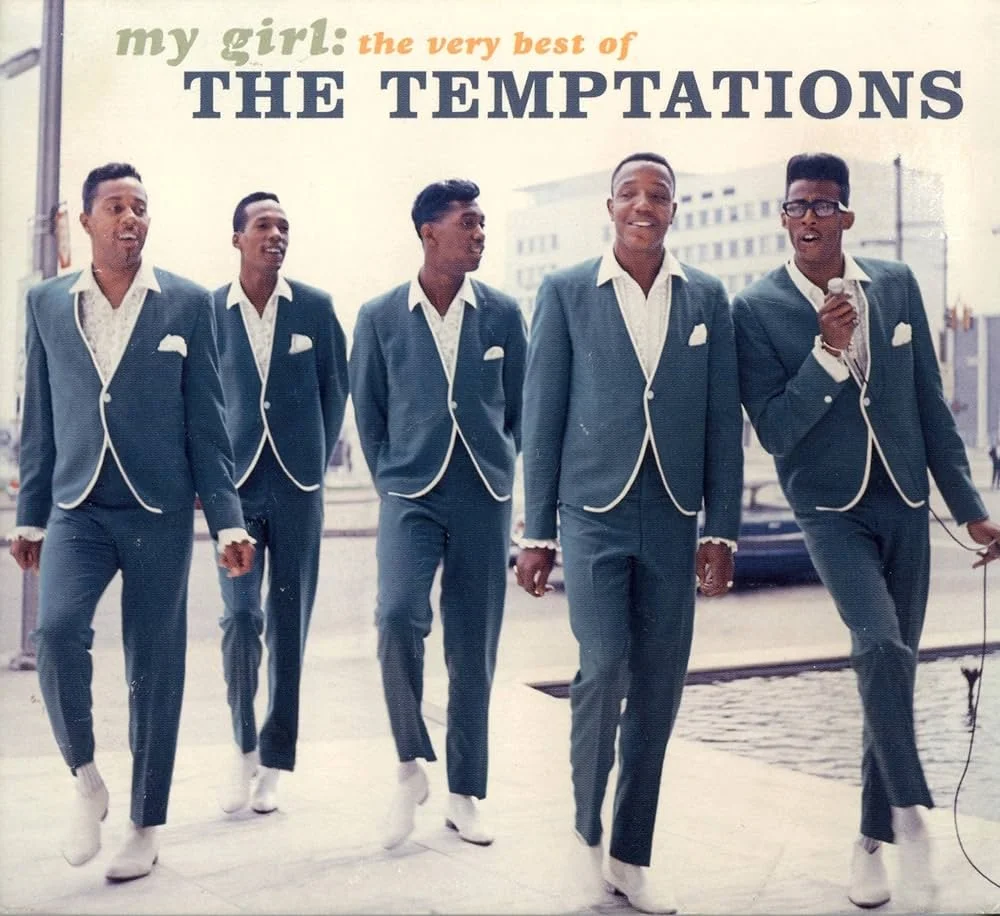
“My Girl” by The Temptations stands as one of the most iconic songs in American music history. Released on December 21, 1964, through Motown’s Gordy Records subsidiary, the song became the group’s first number-one hit, reaching the top of both the Billboard Hot 100 and R&B charts in March 1965. Written and produced by Smokey Robinson and Ronnie White of The Miracles, “My Girl” was crafted specifically for The Temptations’ newest member, David Ruffin, whose powerful yet tender voice Robinson believed could deliver something truly special. The song marked Ruffin’s debut as lead vocalist for the group, launching him into the spotlight and establishing The Temptations as major stars.
The creation of “My Girl” came about after Robinson witnessed Ruffin perform The Drifters’ “Under the Boardwalk” at Detroit’s 20 Grand nightclub in 1964. Impressed by Ruffin’s vocal abilities, Robinson set out to write something that balanced Ruffin’s naturally commanding baritone with a sweet, melodic quality. Robinson has stated that he wrote the song as a follow-up to his hit “My Guy,” which Mary Wells had recorded earlier that year, and the lyrics were inspired by his wife, Claudette Rogers Robinson, who was also a member of The Miracles. The recording came together with remarkable efficiency: the instrumental track was laid down on September 25, 1964, at Motown’s legendary Snakepit studio by the Funk Brothers, featuring James Jamerson’s instantly recognizable opening bass line and Robert White’s melodic guitar riff. The Temptations added their vocals in November after Robinson taught them the song during a week of shows at the Apollo Theater in New York.
“My Girl” proved to be a watershed moment not just for The Temptations but for Motown as a whole. It became the label’s first number-one hit for a male group and the first chart-topper for the Gordy Records subsidiary. The song’s universal appeal and joyful expression of love helped it transcend musical boundaries, eventually being covered by more than 150 artists including Otis Redding, The Rolling Stones, Al Green, and The Mamas & The Papas. Its cultural impact has only grown over the decades: the song was inducted into the Grammy Hall of Fame in 1998, selected for preservation in the National Recording Registry by the Library of Congress in 2017, and ranked number 43 on Rolling Stone’s 2021 list of “The 500 Greatest Songs of All Time.” In 2024, “My Girl” surpassed one billion streams on Spotify and experienced a resurgence when New York Mets shortstop Francisco Lindor chose it as his walk-up song, prompting stadium-wide singalongs at Citi Field. As the song celebrated its 60th anniversary in December 2024, it remains The Temptations’ signature song and what founding member Otis Williams has called the “National Anthem of the Temptations,” continuing to resonate with new generations of listeners around the world.

The Wallflowers - One Headlight
"One Headlight" is a song by The Wallflowers, released in 1996 as the second single from their album "Bringing Down the Horse." The Wallflowers, fronted by Jakob Dylan (son of Bob Dylan), gained significant popularity with this song.
"One Headlight" is characterized by its introspective lyrics and a driving rock sound. The song reflects on themes of introspection, loss, and perseverance, with poignant lyrics that evoke a sense of searching and longing. The title metaphorically refers to a car with only one working headlight, symbolizing a sense of vulnerability or being lost.
Musically, "One Headlight" features strong guitar melodies and Dylan's distinctive vocals. The song was a commercial success, reaching the top of the Billboard Modern Rock Tracks chart and winning a Grammy Award for Best Rock Song in 1998. It remains one of The Wallflowers' most popular and enduring songs, celebrated for its evocative lyrics and memorable melody.
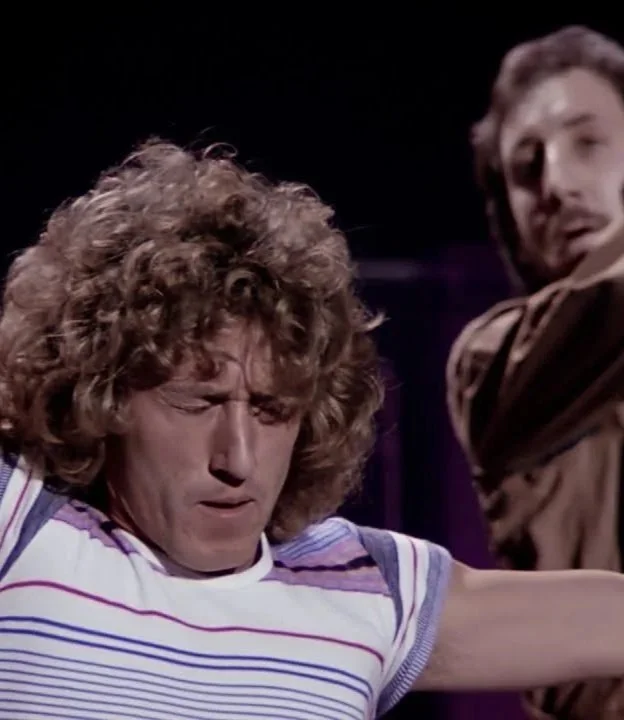
The Who - Won't Get Fooled Again
"Won't Get Fooled Again" is one of The Who's most iconic songs, released in 1971 as part of their rock opera album "Who's Next." The track is notable for its powerful themes of revolution, disillusionment, and the cyclical nature of political change.
The song's origins can be traced back to earlier material that was intended for the abandoned rock opera "Lifehouse." After the project's collapse, the band repurposed some of its concepts into "Who's Next." The song features Pete Townshend's signature synthesizer work, along with Roger Daltrey's explosive vocal performance, especially during the song's famous climax.
Lyrically, the song expresses a sense of skepticism towards political movements and leaders, suggesting that even with change, people's hopes often lead to disappointment. The anthemic chorus, "We don't get fooled again," has resonated as a message of resilience and awareness among listeners.
Musically, the song is renowned for its dynamic shifts, from quieter sections to the intense finale, showcasing The Who's signature sound. It has been a staple in their live performances and has been covered by numerous artists. The extended use of the synthesizer and the unique structure have cemented "Won't Get Fooled Again" as one of the greatest rock songs of all time.
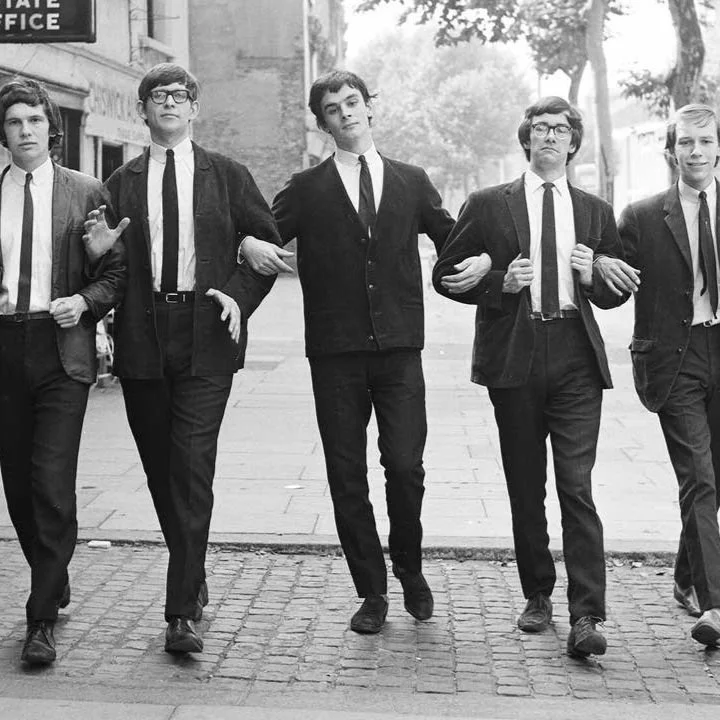
The Zombies - She's Not There
"She's Not There" by The Zombies is a timeless classic that epitomizes the jangly, melodic sound of 1960s British Invasion pop rock. Released in 1964, it features Colin Blunstone's distinctive vocals layered over Rod Argent's catchy keyboard riff and the band's tight rhythm section. The song's lyrics tell the story of a man who discovers his romantic interest has vanished without a trace, capturing themes of longing and uncertainty with poetic elegance.
Musically, "She's Not There" is characterized by its infectious melody and the interplay between Argent's organ and Paul Atkinson's guitar, creating a lush, atmospheric backdrop for Blunstone's soulful delivery. The song was a major hit, reaching the top of the charts in the United States and earning The Zombies a lasting place in rock music history. Its enduring appeal lies in its irresistible blend of pop sensibility, melancholic lyrics, and innovative instrumentation, making it a standout track of the 1960s and a cornerstone of The Zombies' acclaimed discography.

Three Dog Night – Mama Told Me (Not To Come)
“Mama Told Me (Not to Come)” is a rock song performed by Three Dog Night. It was written by Randy Newman and originally recorded by Eric Burdon and The Animals in 1967. However, Three Dog Night's version, released in 1970 as a single from their album It Ain't Easy, became the most popular rendition.
The song features an energetic rock sound with a catchy chorus. It narrates a story of attending a wild party and feeling out of place, despite being advised by one's mother not to engage in such activities. The lyrics and the upbeat tempo of the song contributed to its success, making it one of Three Dog Night's signature songs.
“Mama Told Me (Not to Come)” became a chart-topping hit for Three Dog Night, reaching number one on the Billboard Hot 100 chart. It remains a staple of classic rock radio and is often regarded as one of the band's most memorable tracks.

Tim Timebomb and Friends - She's Drunk All The Time
"She’s Drunk All the Time" is a song by Tim Timebomb and Friends, a collaborative project led by Tim Armstrong, best known as the frontman of Rancid. Released in 2013 as part of Armstrong’s ambitious series of daily music uploads, the track reflects his deep roots in punk, ska, and reggae, while also embracing a looser, more experimental and collaborative style. The Tim Timebomb and Friends project involved Armstrong working with a rotating cast of musicians, reinterpreting classic songs, creating original material, and blending genres in a way that paid homage to his musical influences.
The song itself carries a raw, gritty narrative style typical of Armstrong’s songwriting, telling the story of a troubled relationship marked by addiction and emotional instability. Musically, it features a stripped-down, punk-infused arrangement with elements of ska rhythm, giving it an energetic yet slightly melancholic tone. Like many tracks from the project, “She’s Drunk All the Time” captures a sense of spontaneity and authenticity, as the recordings were often done quickly and released directly to fans online.
While not a mainstream chart hit, the song is appreciated by fans of Armstrong’s work for its candid storytelling and DIY spirit. It reflects the ethos of Tim Timebomb and Friends as a whole—an ongoing creative outlet that allowed Armstrong to experiment freely outside the structure of a traditional band, while still staying true to the rebellious, emotionally honest core of punk music.
The song features an energetic rock sound with a catchy chorus. It narrates a story of attending a wild party and feeling out of place, despite being advised by one's mother not to engage in such activities. The lyrics and the upbeat tempo of the song contributed to its success, making it one of Three Dog Night's signature songs.
“Mama Told Me (Not to Come)” became a chart-topping hit for Three Dog Night, reaching number one on the Billboard Hot 100 chart. It remains a staple of classic rock radio and is often regarded as one of the band's most memorable tracks.