


The Beatles - I've Got A Feeling
"I've Got a Feeling" by The Beatles is a lively and energetic song that blends two separate compositions by John Lennon and Paul McCartney. It's known for its raw rock sound and infectious optimism. Lennon's part is more bluesy and introspective, while McCartney's section is upbeat and hopeful. The song was featured on the Beatles' final studio album, "Let It Be," released in 1970, although most of the album's tracks were recorded in early 1969. The Beatles famously performed "I've Got a Feeling" on the rooftop of the Apple Corps building in London on January 30, 1969. This rooftop concert, often referred to as the "Rooftop Concert," was their last public performance as a group. They played several songs from their "Let It Be" album to a surprised and delighted crowd gathered on the streets below. The performance of "I've Got a Feeling" on the rooftop is particularly memorable for capturing the band's raw energy and musical chemistry, as well as the historical significance of the moment as one of The Beatles' final live performances together.
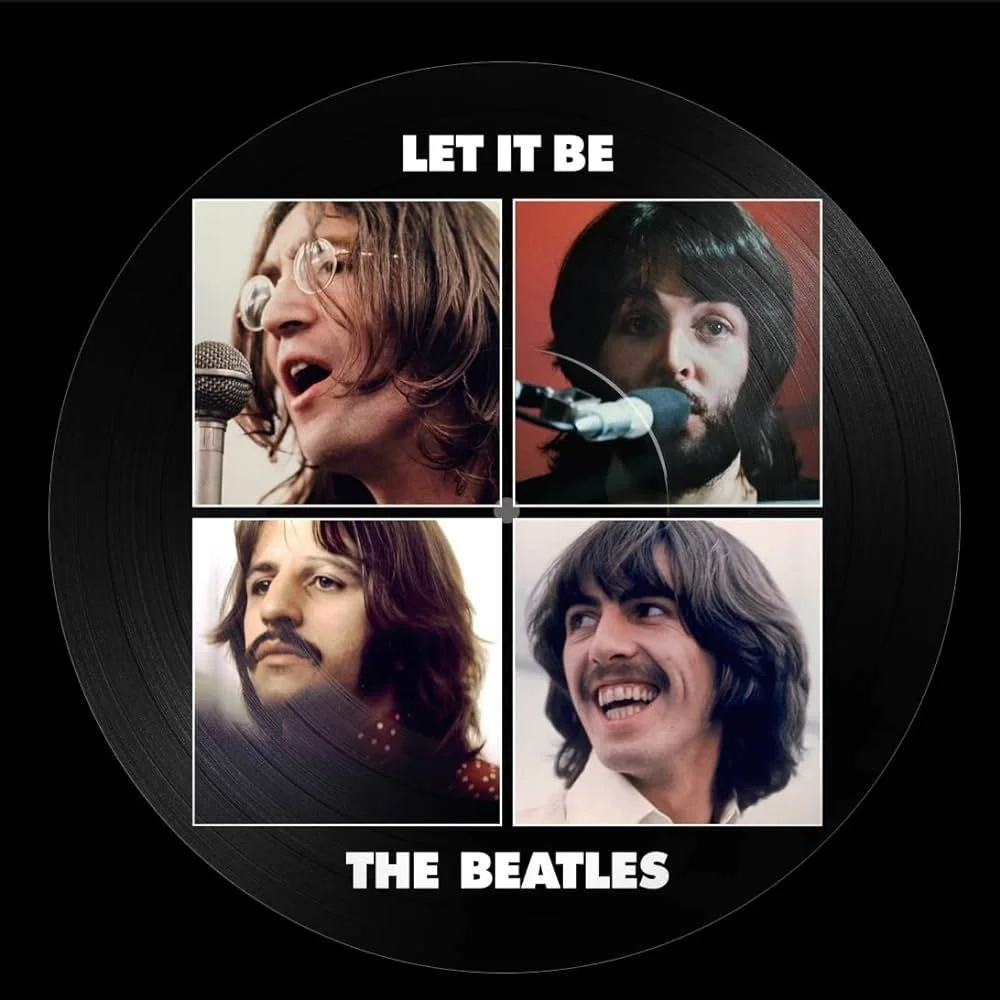
The Beatles - Let It Be
The Beatles' "Let It Be" project began in January 1969 with the intention of creating an album and a television special that would show the band rehearsing and recording new material, culminating in a live performance. The initial concept, under the working title "Get Back," aimed to strip away the elaborate studio techniques of their recent albums and return to a more raw, live sound. Filming and recording sessions took place at Twickenham Film Studios and later at the band's own Apple Corps headquarters in Savile Row. These sessions were often fraught with tension and disagreements among the band members, reflecting the growing strains within the group.
Despite the challenging atmosphere, the sessions produced a wealth of new songs, some of which would appear on the eventual album. A significant moment during this period was the impromptu rooftop concert on January 30, 1969, atop the Apple Corps building. This iconic performance, which was ultimately cut short by the police, marked the band's final public live appearance. Following the initial recording and filming, the project was shelved for a time as the band focused on recording what would become their final studio album, "Abbey Road."
After the release of "Abbey Road" and with the band effectively dissolved, the "Get Back" tapes were eventually handed over to producer Phil Spector in early 1970 to prepare them for release. Spector's controversial additions of orchestral and choral overdubs to several tracks, particularly "The Long and Winding Road," angered Paul McCartney. The album, retitled "Let It Be," was finally released in May 1970, shortly after the band's official breakup. It was accompanied by a documentary film of the same name, which captured much of the tumultuous recording process and the rooftop concert. The "Let It Be" project, though born out of a desire for simplicity, ultimately became a poignant document of The Beatles' final creative period and their eventual disbandment.
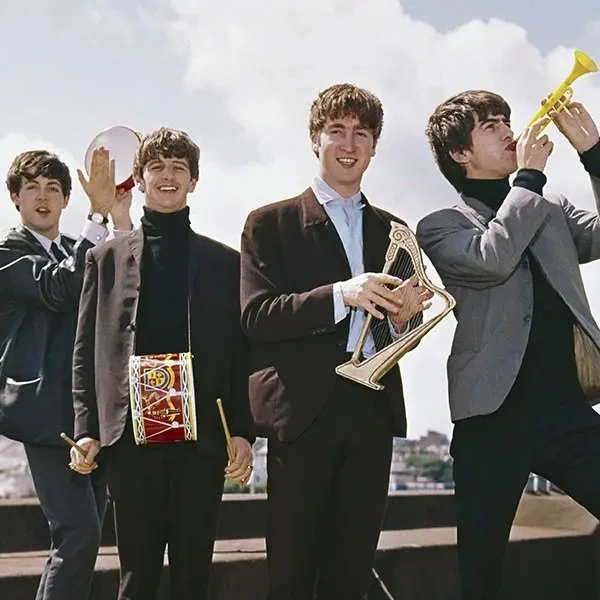
The Beatles - Love Me Do
The Beatles' debut single, "Love Me Do," released in October 1962, marked a pivotal moment in the band's career, though its journey to release was characterized by several recording sessions and changes in drummers. The song itself was primarily a Paul McCartney composition, written largely in 1958–1959 when he was around 16 years old, with John Lennon contributing to the middle eight. Lennon's distinctive harmonica playing became a prominent feature of the track, a skill he reportedly honed after being influenced by American blues musician Delbert McClinton, whom The Beatles met during their early days. McClinton's harmonica work on Bruce Channel's hit "Hey! Baby" is often cited as the inspiration for Lennon's approach.
The recording history of "Love Me Do" is notable for the involvement of three different drummers. The first session, on June 6, 1962, featured Pete Best on drums. However, after Best's dismissal, The Beatles returned to EMI Studios on September 4, 1962, with their new drummer, Ringo Starr. Producer George Martin, not entirely satisfied with Starr's drumming on this initial take, opted to bring in session drummer Andy White for a third recording session on September 11, 1962. For this session, Starr was relegated to playing the tambourine. Consequently, two main versions of the single were released: one featuring Ringo Starr on drums (the version that appeared on the initial UK single and later on the album "Please Please Me") and another with Andy White on drums and Ringo on tambourine (the version found on the first pressings of the UK single and most subsequent releases, including the US single).
Upon its initial release in the United Kingdom, "Love Me Do" achieved a modest chart position, peaking at number 17. However, when it was released in the United States in 1964, it soared to number one on the Billboard chart, becoming a significant hit and introducing The Beatles to a wider American audience. The song's simple yet catchy melody, combined with Lennon's harmonica riff, established a sound that would soon become synonymous with the burgeoning phenomenon of Beatlemania.

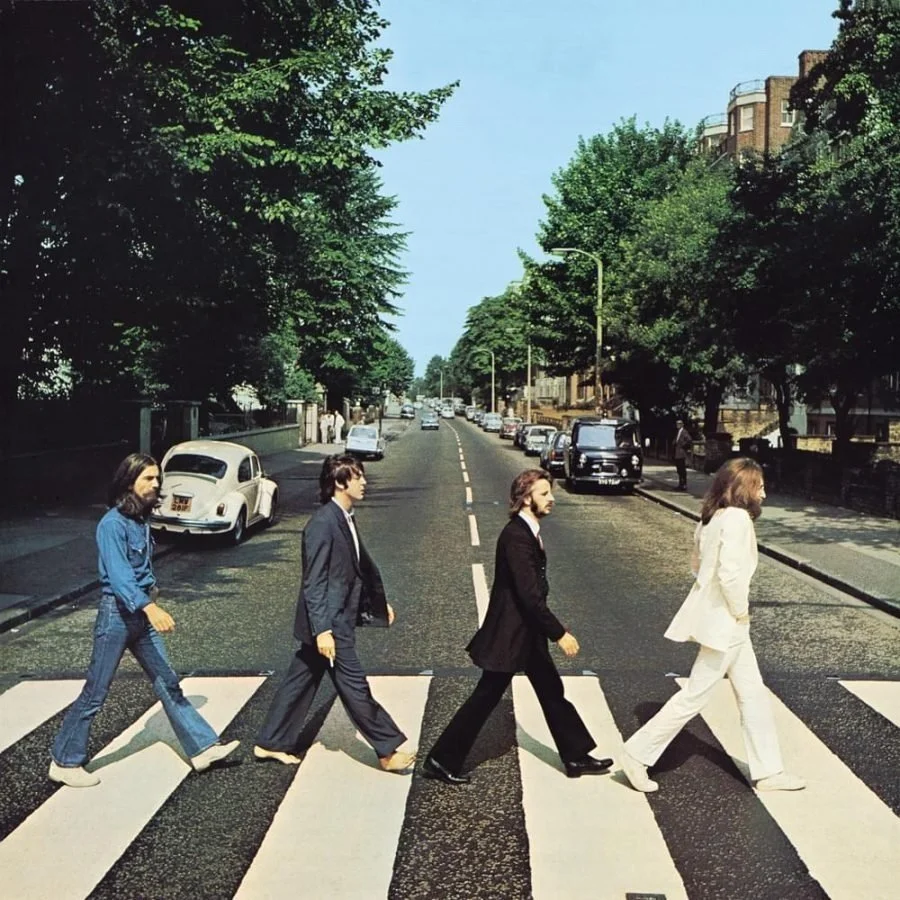
The Beatles - Octopus’s Garden
Octopus's Garden was written and sung by Ringo Starr. George Harrison, who partnered with him on the song, reportedly commented: "Octopus's Garden is Ringo's song. It's only the second song Ringo has ever written, mind you, and it's lovely."
It was released on their 1969 album Abbey Road, though it was recorded earlier in 1969. The track is notable for its whimsical, lighthearted nature and is one of the few Beatles songs entirely written by Ringo.
The inspiration for "Octopus's Garden" came from a trip Ringo took to Sardinia in 1968. He went on a boat trip with a local fisherman who told him about the underwater gardens that octopuses build, which sparked the idea for the song.
The song's lyrics depict a fantasy where the singer wishes to live in an octopus's garden beneath the sea, a peaceful and carefree environment, away from the worries of the world. Musically, it features a catchy, upbeat melody and is often remembered for its childlike innocence and joyful vibe.
While it may not have had the same cultural impact as some of the band's more famous songs, "Octopus's Garden" remains a beloved track among fans, especially because of its gentle, almost meditative tone. The song also stands out as one of the few Beatles songs written and sung by Ringo, making it a bit of a rarity in their catalog.

The Beatles - Penny Lane
"Penny Lane" by The Beatles is a classic track that captures the vibrant, whimsical essence of Paul McCartney's childhood neighborhood in Liverpool. Released as a single in 1967 and featured on the "Magical Mystery Tour" album, the song is known for its catchy melody, vivid lyrics, and orchestral arrangement.
The song paints a nostalgic picture of a lively street filled with various characters and scenes. It’s a delightful snapshot of everyday life that highlights McCartney's talent for storytelling and his ability to bring his memories to life through music.
The track is also notable for its use of brass and a piccolo trumpet solo, which add a unique and memorable touch to the song. It’s one of The Beatles' most enduring and beloved tracks, showcasing their creativity and ability to capture the essence of a time and place in a way that's both personal and universal.

The Beatles - Twist And Shout
"Twist and Shout" is one of The Beatles' most energetic and iconic songs. The Beatles covered it on their 1963 album Please Please Me, and it quickly became one of their defining tracks.
Originally though, The Top Notes, an American R&B group, released and were best known for their 1961 hit "Twist and Shout." Interestingly, their version of the song predates The Isley Brothers' and The Beatles' more famous renditions. The Top Notes recorded "Twist and Shout" under the guidance of producer Phil Spector, who was just beginning to develop his famous "Wall of Sound" production style at the time. Though their version of "Twist and Shout" didn't become a huge hit, it laid the groundwork for the more successful versions that followed. The Top Notes themselves didn't have a long-lasting career, but they were part of the early wave of soul and R&B music that influenced later artists. Their take on "Twist and Shout" has a rawer, more bluesy feel compared to the more polished renditions that would follow.
What makes The Beatles' version so memorable is John Lennon's raw, gritty vocal performance, which was recorded with him in a near-shattered voice after a long day of recording. Despite that, his delivery added a certain edge to the song, giving it even more power. The song itself is fast-paced, full of youthful energy, and has an undeniable danceable rhythm that encouraged listeners to get up and twist along.
The track was also one of the first major hits for The Beatles in the United States, contributing to their meteoric rise during the British Invasion.

The Beatles - When I'm Sixty-Four
From their 1967 album Sgt. Pepper's Lonely Hearts Club Band, “When I’m Sixty-Four” is a playful and nostalgic tune written by Paul McCartney (though often credited to the Lennon/McCartney partnership).
The lyrics imagine a future where the singer and their partner are older, pondering whether their love will last as they age. The line "When I get older, losing my hair, many years from now" evokes a sense of sentimentality and humor as it looks ahead to growing old together.
It's a classic example of McCartney's ability to write catchy melodies paired with thoughtful, sometimes whimsical lyrics.
The Black Crowes - She Talks To Angels
“She Talks to Angels” is a song by The Black Crowes, featured on their debut album, "Shake Your Money Maker," released in 1990. The song was written by the band's frontman, Chris Robinson, and it reflects themes of love, loss, and the struggles of addiction. In the song, the narrative revolves around a woman who communicates with angels and seems to be dealing with her inner demons and possibly addiction. The lyrics evoke a sense of melancholy and longing, which resonates with listeners. The song became one of the band’s most popular tracks and contributed significantly to their rise in the rock genre during the early '90s. Its soulful melodies and emotional depth showcase The Black Crowes' blend of Southern rock and blues influences, establishing them as a notable act during that era. The song continues to be a classic, often covered and recognized for its impactful storytelling and hauntingly beautiful sound.

The Chainsmokers and Coldplay - Something Just Like This
"Something Just Like This" is a collaborative single by American electronic music duo The Chainsmokers and British rock band Coldplay. The song was released in February 2017 and is part of The Chainsmokers' debut album, "Memories…Do Not Open."
The track combines elements of both electronic and rock music, blending The Chainsmokers' signature production style with Coldplay's melodic and anthemic sound. "Something Just Like This" became a commercial success, topping charts in various countries and gaining widespread popularity for its catchy chorus and uplifting vibe.
The collaboration between The Chainsmokers and Coldplay brought together different musical genres, attracting fans from both electronic and rock music backgrounds. The song's success solidified its place as a crossover hit and a prominent track in the pop music landscape.

The Chicks - Wide Open Spaces
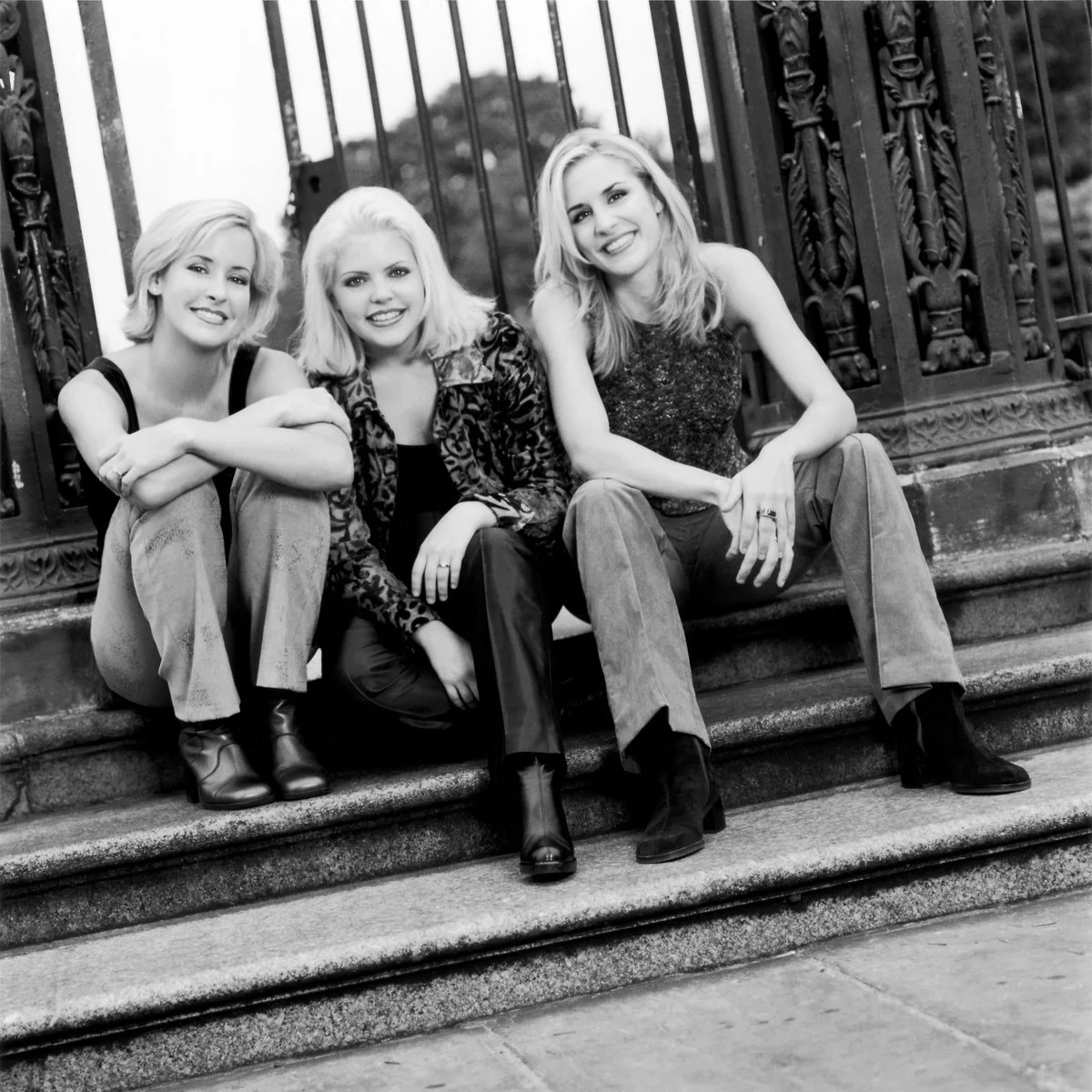
The Chicks' seminal hit "Wide Open Spaces," released in 1998, became an anthem for independence and self-discovery, particularly for young women. The song was penned by songwriter Susan Gibson, who began writing it after returning home from college, reflecting on the transition from youth to adulthood and the desire to explore new horizons. It perfectly captured the feelings of leaving home, embracing freedom, and forging one's own path. When The Chicks (then known as the Dixie Chicks) recorded it for their album of the same name, it resonated deeply with audiences, propelling the album to massive commercial success and solidifying their status as country music superstars. The track's empowering message, combined with the band's energetic performance and harmonies, made it a crossover hit and a lasting symbol of female empowerment in country music and beyond.
The Church - Under The Milky Way
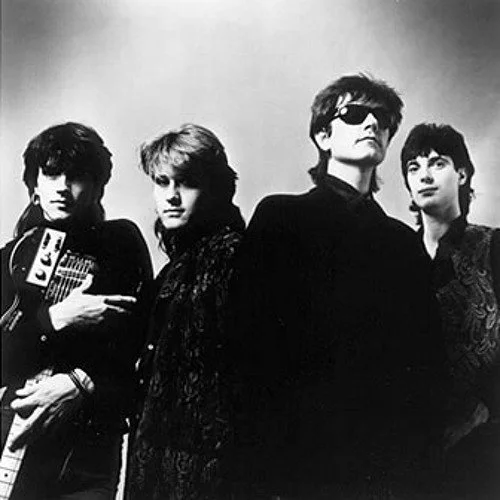
The creation of "Under the Milky Way" began in a moment of quiet domesticity at Smiths Lake on the New South Wales central coast of Australia. During a visit to his mother’s home in the late 1980s, Steve Kilbey, the lead singer and bassist of The Church, found himself tinkering on an old, slightly out-of-tune piano in a backyard cabin. He was joined by his then-girlfriend, Swedish musician Karin Jansson, and together they composed the song’s foundation in a remarkably short span of time. Kilbey later recalled that the chord progression seemed to fall out of the sky, and the lyrics were sketched out on the porch under the stars in just a few minutes. Despite its later status as a masterpiece, Kilbey initially viewed it as just another track among the many he wrote each week, never suspecting it would become the band's definitive anthem.
The recording process for the song took place in Los Angeles at The Complex studio during the sessions for the band’s 1988 album, Starfish. The production was marked by significant tension between the band and producers Waddy Wachtel and Greg Ladanyi, who were brought in to polish the group’s sound for the American market. The song was initially considered a "black sheep" of the record; the producers were not particularly impressed with it, and Kilbey himself was ambivalent. The recording involved a sophisticated piece of technology called a Synclavier, which was used to build the song's skeleton. In a move that caused some internal friction, the band's regular drummer, Richard Ploog, was replaced on the track by legendary session musician Russ Kunkel because the producers felt Ploog struggled to match the precise timing required by the sequenced backing.
Musically, "Under the Milky Way" is defined by its haunting atmosphere and distinctive 12-string acoustic guitar work. One of its most iconic elements is the instrumental solo, which many listeners mistake for bagpipes. In reality, the sound was created using an E-bow on a Fender Jazzmaster guitar, which was then sampled and manipulated through the Synclavier to create a bagpipe-like texture. The song’s harmonic structure is built around a melancholic A-minor chord progression, featuring a subtle but crucial F-sharp bass note that provides a sense of unresolved longing. This musical "tristesse" is paired with a production style that Kilbey later criticized as being too sterile, though he eventually conceded that the combination of elements resulted in a unique, universal appeal.
The lyrics of the song are famously ambiguous, a quality that Kilbey has long defended. While the title was inspired by the Melkweg (Milky Way), a cultural venue and bar in Amsterdam that Kilbey frequented, the song is not strictly about a specific place or event. Kilbey has described his songwriting as a "portal" or a "guided meditation," intended to be a blank canvas upon which listeners can project their own meanings and experiences. Phrases like "loveless fascination" and "something shimmering and white" suggest a sense of urban isolation and the primal, often irrational urges that drive human behavior. This open-ended nature has allowed the song to resonate across different contexts, from wedding aisles to funeral services.
Upon its release, the song's potential was immediately recognized by Arista Records founder Clive Davis, who famously declared it a hit the moment he heard it. He was proven correct as the single climbed to the Top 25 on the Billboard Hot 100 and earned The Church the ARIA Award for Single of the Year in 1989. Over the decades, its legacy has only grown, bolstered by its inclusion in the cult classic film Donnie Darko and covers by artists ranging from Sia to The Killers. In Australia, it has achieved a status akin to an unofficial national anthem, a "beautiful accident" of a song that continues to captivate new generations with its timeless, mysterious allure.


The Doobie Brothers - Long Train Runnin'
“Long Train Runnin'“ is a song by The Doobie Brothers. It was released as a single in 1973 and later included on their album “The Captain and Me.” The song is known for its energetic and catchy guitar riff, and it became one of The Doobie Brothers' signature tracks. “Long Train Runnin'“ was written by Tom Johnston, who was a member of the band. The song's bluesy rock sound and memorable lyrics contributed to its success, making it a classic in the rock genre.
“Long Train Runnin'“ is one of those songs that you'll find yourself humming long after you've heard it. "Without love... where would you be now..." See, now you're already humming it !!

The Doobie Brothers - Takin' It To The Streets
"Takin' It to the Streets" is a classic song by The Doobie Brothers, released as a single in 1976. It's the title track from their album of the same name. The song marked a shift in the band's sound, incorporating more of a soul and R&B influence compared to their earlier rock and roll style. It features Michael McDonald on lead vocals, who had joined the band around that time and became a key contributor to their sound.
The track is known for its catchy rhythm, smooth vocals, and uplifting message. Its lyrics talk about taking action, being bold, and pushing forward in life—ideal for a road trip or any time you need a boost of energy.
The Doors - Roadhouse Blues
"Roadhouse Blues," a standout track from The Doors' 1970 album Morrison Hotel, encapsulates a raw, blues-rock energy that marked a significant shift in the band's sound. Released as the B-side to "You Make Me Real," the song, despite not being a major chart hit, has cemented its place as a classic, celebrated for its unbridled enthusiasm and direct lyrical approach.
By 1969, The Doors were navigating a turbulent period. The infamous Miami concert incident in March led to legal troubles and a backlash that impacted their touring and record sales. Furthermore, their 1969 album, The Soft Parade, which incorporated horns and string arrangements, received mixed reviews, with many critics feeling it deviated too far from their signature psychedelic sound. Jim Morrison's escalating alcoholism also contributed to the band's challenges.
In response to these pressures and a desire to return to a more fundamental rock sound, The Doors reconvened in November 1969 to record Morrison Hotel. The album, named after a real Los Angeles establishment, was a deliberate effort to strip away the embellishments of their previous work and embrace a tougher, bluesier aesthetic. "Roadhouse Blues" perfectly embodies this new direction, serving as the album's powerful opening track.
The exact origin of "Roadhouse Blues" is somewhat debated, though it is widely believed to have emerged from a jam session. While Jim Morrison is credited as the sole lyricist, the music is attributed to the entire band, suggesting a collaborative development. Morrison likely contributed lyrics he had already conceived, fitting them to the band's evolving blues-rock framework.
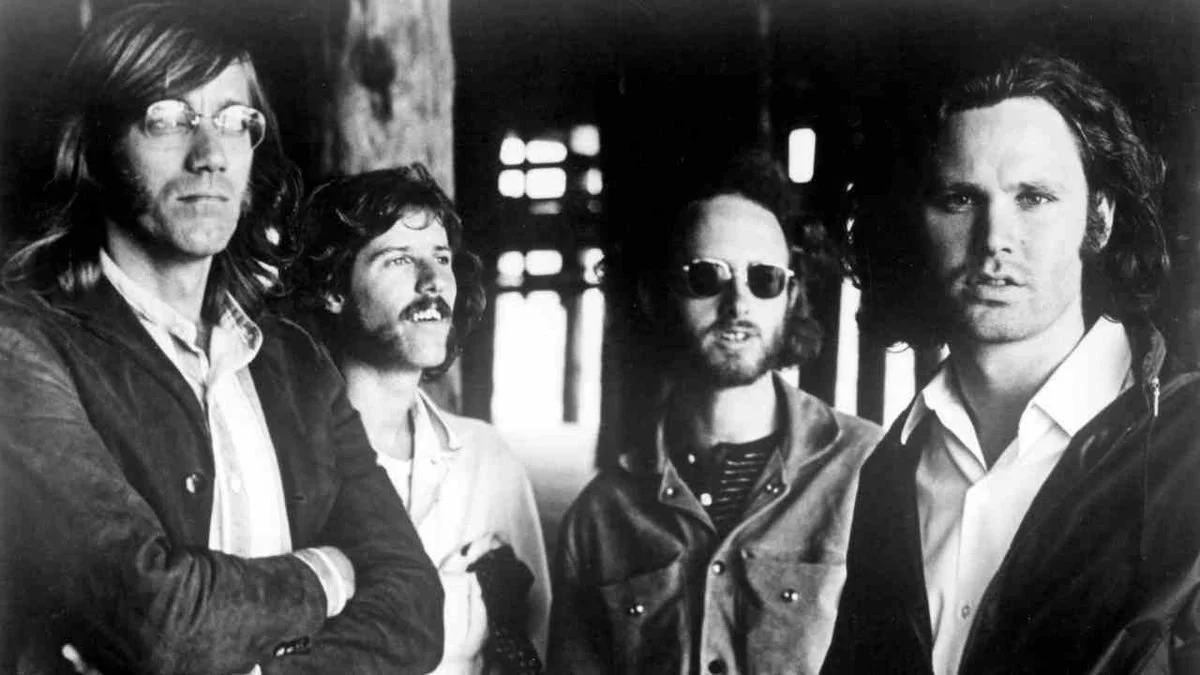
The recording sessions for "Roadhouse Blues" featured notable guest musicians who enhanced its authentic blues sound. As The Doors did not have a permanent bassist, Lonnie Mack, a respected blues and soul performer then working with Elektra Records, was brought in at the last minute to play bass. The harmonica part, crucial for a gutbucket blues track, was played by John Sebastian of The Lovin' Spoonful, who used the pseudonym "G. Puglese" due to contractual obligations. This six-man lineup created a track brimming with thrilling musical chemistry.
Guitarist Robby Krieger's contributions are particularly prominent, with his distinctive opening riff and a furious solo, famously egged on by Morrison's cries of "Do it, Robby!" Ray Manzarek, known for his organ work, switched to a barroom-style piano, adding an irresistible funkiness, while John Densmore's drumming provided a steady, elastic groove.
Unlike some of Morrison's more enigmatic poetic works, the lyrics of "Roadhouse Blues" are direct and evocative, painting a vivid picture of a wild night out. The opening lines, "Keep your eyes on the road, your hands upon the wheel," immediately set a tone of reckless abandon and adventure. The song's narrative centers around a roadhouse, a common fixture in blues lore, with references to "bungalows in back" for those looking to "go down slow."
While no single roadhouse is definitively identified as the inspiration, the Topanga Corral, a legendary Malibu bar and live venue, is frequently cited. This windowless nightclub, located in the winding Topanga Canyon, would have necessitated keeping "eyes on the road, hands upon the wheel." The mention of bungalows could also refer to cabins behind the Topanga Corral, which some sources suggest Morrison acquired for his girlfriend, Pamela Courson.
Morrison's vocal performance on "Roadhouse Blues" is powerful and uninhibited, featuring playful scatting and a raw delivery. The line "Ashen lady, give up your vows" has been interpreted as the narrator making advances toward a married woman at the bar, showcasing Morrison's slick yet unhinged persona. The song culminates with one of rock's most memorable couplets: "Well, I woke up this morning and I got myself a beer / The future's uncertain and the end is always near." This juxtaposition of triviality and existential reflection perfectly captures the song's spirit.
"Roadhouse Blues" has transcended its initial release to become a timeless rock anthem. It is often hailed as the "ultimate bar song" and continues to be a staple for bar bands worldwide. Its enduring appeal lies in its ability to transport listeners to a place of raw, unadulterated rock and roll, showcasing The Doors not just as poetic purveyors of psychedelia, but as a supremely talented blues-rock powerhouse.