

Sarah McLachlan - Angel
"Angel" is one of Sarah McLachlan's most iconic songs, released in 1997 as part of her album Surfacing. The song is known for its hauntingly beautiful melody and poignant lyrics. It was written by McLachlan and is often interpreted as a reflection on loss, comfort, and the desire for peace. It has been widely praised for its emotional depth and has been used in various films, TV shows, and commercials, adding to its status as a timeless ballad.
The song also gained additional recognition after being featured in commercials for the ASPCA (American Society for the Prevention of Cruelty to Animals), where its gentle tone and emotional resonance helped raise awareness for animal welfare. The song's themes of hope and solace continue to resonate with listeners around the world.

Screaming Trees - Nearly Lost You
Screaming Trees’ “Nearly Lost You” is a track from their 1992 album Sweet Oblivion. It’s one of the band's most well-known songs and captures a raw, emotional moment with its deep guitar riff, heavy drums, and the distinct, gravelly voice of Mark Lanegan.
The song has this perfect blend of melancholy and defiance, with Lanegan singing about a relationship that's on the verge of falling apart. The lyrics are introspective, and you can feel the weight of regret and self-awareness. The chorus, “Nearly lost you, nearly lost you,” feels like a reflection on narrowly escaping emotional destruction, almost like standing on the edge but pulling back just in time.
It was a major hit for the band and gave them more recognition in the mainstream, but it still holds that raw, underground feel typical of early '90s grunge. The track has a timeless quality to it, with its bittersweet tone and gripping musical elements.
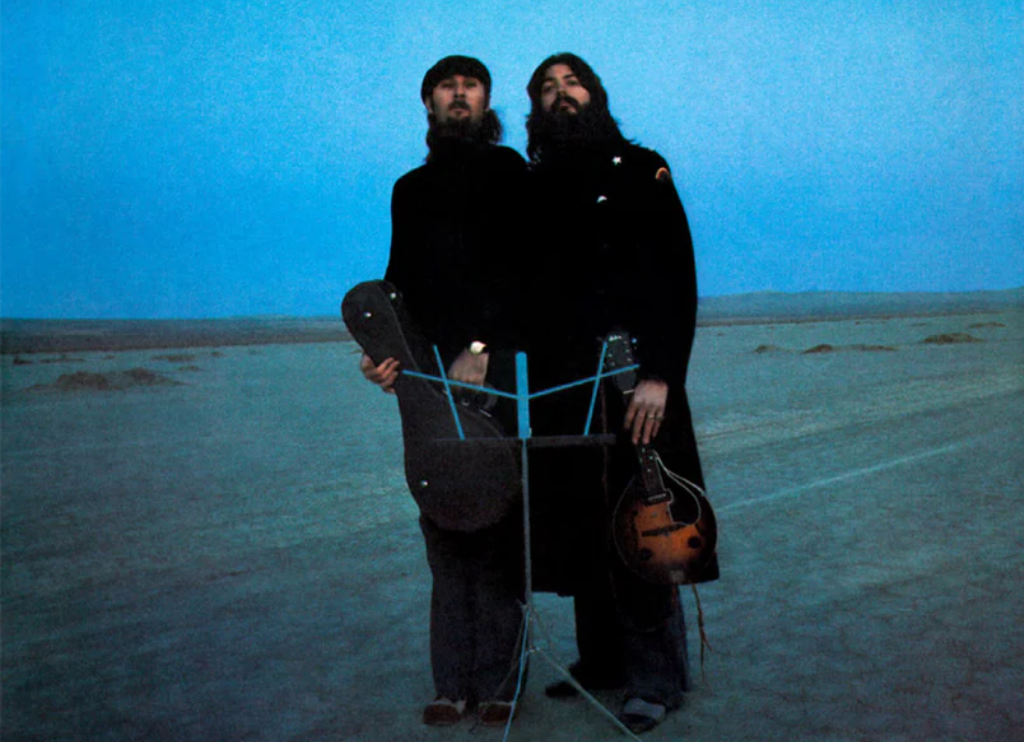
Seals and Crofts - Diamond Girl
"Diamond Girl" is one of the most popular songs by the American soft rock duo Seals and Crofts, released in 1973 on their album of the same name. The duo, composed of James Seals and Dash Crofts, were known for their harmonious sound and blend of folk rock and pop.
The song reflects themes of love and yearning, using rich imagery to evoke feelings of nostalgia and admiration. "Diamond Girl" showcases the trademark smooth vocal harmonies of Seals and Crofts, along with their penchant for using acoustic instruments, which contributes to the soft rock feel of the era.
The duo gained fame in the early 1970s with hits like "Summer Breeze" and "Get Closer." Their music often incorporated elements of spirituality and nature, resonating with audiences looking for a more laid-back style during that time. "Diamond Girl" was a significant track in their catalog, reaching the top of the charts and solidifying their status in the soft rock genre.
Seals and Crofts continued to create music together throughout the 1970s, and their legacy remains influential, with "Diamond Girl" often remembered as a classic of the soft rock movement.

Seals and Crofts - Summer Breeze
“Summer Breeze” is a song by the musical duo Seals & Crofts, released in 1972 on their album of the same name. The song became one of their biggest hits, reaching number six on the Billboard Hot 100 chart. The duo, consisting of James Seals and Dash Crofts, were known for their soft rock sound, blending elements of pop, folk, and a bit of rock. “Summer Breeze” captures the essence of a relaxing summer day, with lyrics that evoke imagery of warm weather, nature, and the comfort of home. The song’s success helped solidify Seals & Crofts' popularity in the 1970s, and they followed it up with other hits like “Diamond Girl” and “We May Never Pass This Way (Again).” The gentle acoustic sound and harmonious vocals contributed to the laid-back vibe that resonated with listeners and made it a staple of the soft rock genre. “Summer Breeze” has been covered by several artists over the years, further cementing its status as a classic. The song continues to be celebrated for its nostalgic qualities and timeless appeal.

Sex Pistols - God Save The Queen
"God Save the Queen" is one of the most controversial and influential punk rock songs, released by the Sex Pistols in 1977. The song became a symbol of the punk movement in the UK and is often remembered for its rebellious and anti-establishment message.
The song’s lyrics critique the British monarchy and the political system, using sharp and provocative language to express disdain for authority and the idea of national reverence. The title itself, "God Save the Queen," is a direct reference to the British national anthem, but the lyrics subvert this traditional symbol of loyalty and patriotism by portraying the Queen as a figurehead who represents a stagnant, oppressive society. The line "God save the queen, she ain't no human being" stands out as a stark rejection of the monarchy's legitimacy.
Released during Queen Elizabeth II’s Silver Jubilee year, the song caused an uproar in the UK, with some seeing it as a direct attack on the monarchy and British values. The Sex Pistols were banned from many media outlets, and the single was even banned by the BBC, but it still became a massive commercial success, reaching number two on the UK Singles Chart.
"God Save the Queen" is often seen as a rallying cry for the disenfranchised youth of the time and as a powerful statement against societal norms. The song's impact transcended music, influencing political and cultural movements and solidifying the Sex Pistols' place in punk rock history.
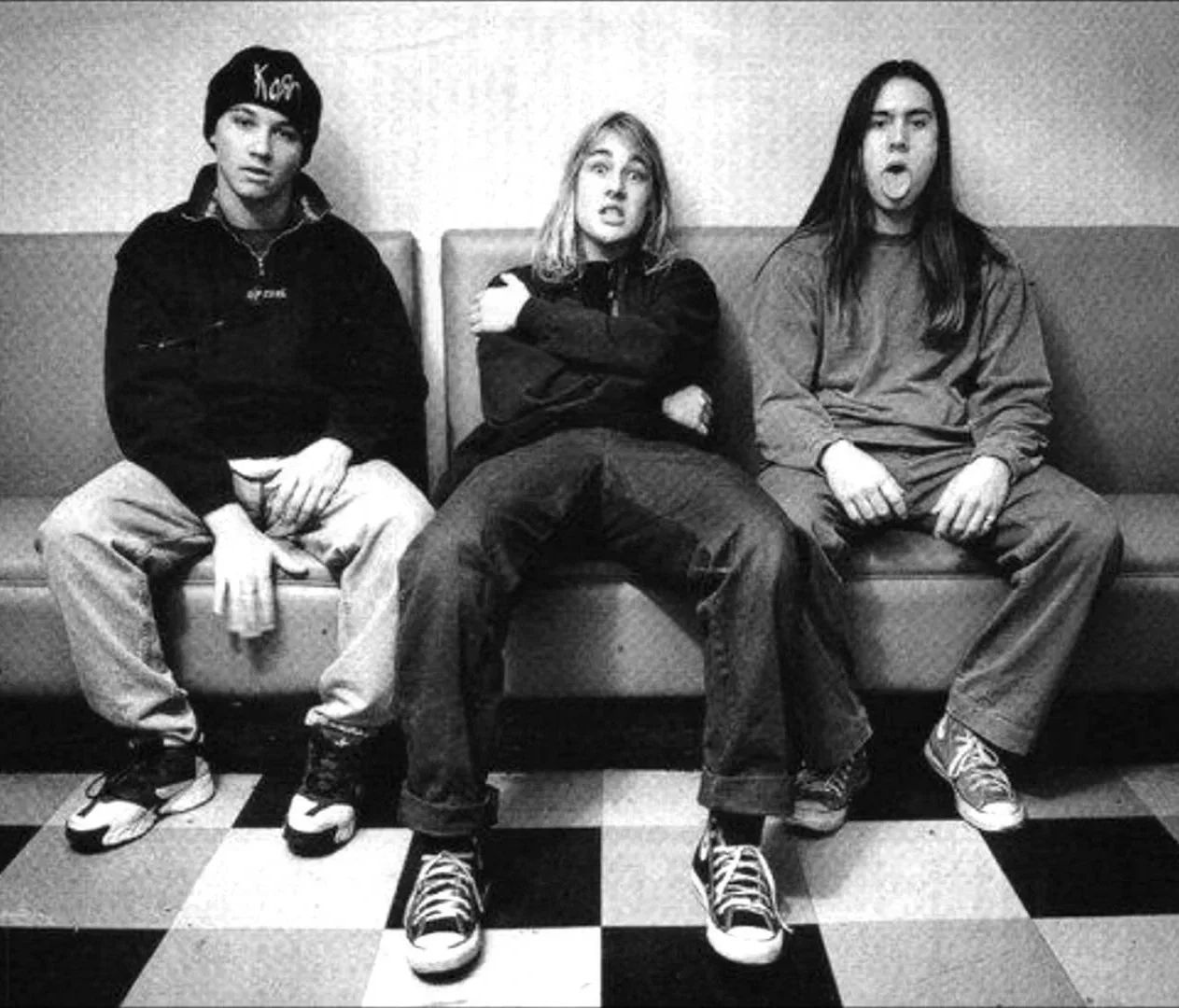
Silverchair - Tomorrow
"Tomorrow" is a song by Australian rock band Silverchair, released as the third single from their debut album Frogstomp in 1994. Written by lead vocalist and guitarist Daniel Johns, the song is one of the band’s most iconic tracks and helped propel their success both in Australia and internationally. The song’s sound is characterized by heavy guitar riffs and intense drumming, which, combined with Johns’ raw, emotive vocal delivery, captured the angst and confusion of youth.
The song deals with themes of uncertainty and a longing for change, reflective of the band’s experience as young musicians thrust into the spotlight at a very early age; which added an element of authenticity to the raw, rebellious nature of the song. The track was both commercially successful and critically acclaimed, reaching number one on the Australian charts and earning Silverchair international recognition.
"Tomorrow" is often seen as a defining moment in the grunge movement of the '90s, drawing comparisons to bands like Nirvana and Pearl Jam, though Silverchair's music also reflected their own unique identity and experiences. The song's success marked the beginning of Silverchair's career, which would span over two decades, though their sound would evolve significantly in the years that followed.

Simple Minds - Don't You (Forget About Me)
"Don't You (Forget About Me)" by Simple Minds is such an iconic 80s anthem! Released in 1985, It's best known for its inclusion in the soundtrack of the iconic film The Breakfast Club, where it perfectly captured the mood of the movie's closing moments, catapulting it instant stardom. The song’s catchy melody, combined with its blend of synth-pop and rock, made it a perfect fit for the film’s rebellious, emotional tone. It’s one of those songs that just sticks with you—especially with the famous line "Don't you forget about me," which has become almost a cultural slogan in itself. It's a timeless track that has continued to resonate with audiences for decades. It's impossible not to feel a surge of nostalgia whenever you hear those opening notes.

Sinead O'Connor - The Last Day of Our Acquaintance
“The Last Day of Our Acquaintance” is a powerful track from Sinéad O’Connor’s critically acclaimed second studio album, I Do Not Want What I Haven’t Got, released in March 1990. While the album is best known for O’Connor’s iconic cover of Prince’s “Nothing Compares 2 U,” this song stands as one of the most emotionally resonant pieces on the record. Written by O’Connor herself, the song features Jah Wobble on bass guitar and John Reynolds on drums and percussion, with O’Connor handling vocals, acoustic guitar, and other instrumentation.
The song is a sparse, wrenching portrait of a relationship’s end, specifically depicting the agonizing countdown to what appears to be a divorce, with references to meeting “later in somebody’s office.” Beginning with delicate acoustic guitar, the track showcases O’Connor’s remarkable vocal transformation as it progresses. She starts with a fragile, broken whisper that mirrors the narrator’s sadness and resignation, then gradually builds strength and boldness as the music becomes more forceful, ultimately conveying the protagonist’s realization that their life is just beginning—a self-empowered triumph emerging from pain.
O’Connor performed “The Last Day of Our Acquaintance” on Saturday Night Live on September 29, 1990, alongside “Three Babies,” during her first appearance on the show. The song was also featured in The Year of the Horse, a concert film directed by Sophie Muller that captured O’Connor’s performances in Brussels and Rotterdam in October 1990. In 1996, R.E.M.'s Michael Stipe recorded a notable cover of the song for a VH1 Honors performance, treating O’Connor’s original “like a standard, a piece of precious genius to be interpreted with great care.” This tribute came four years after O’Connor’s controversial 1992 SNL appearance where she tore up a photo of the Pope, and Stipe’s cover served as a powerful reminder of her artistry during a period when she faced significant public backlash.
The song has taken on additional poignancy following O’Connor’s death on July 26, 2023, at age 56. Many fans and critics have reflected on how the title resonates with the loss of the Irish artist, who had been working on new music and planning tours before her passing. The track remains a testament to O’Connor’s ability to transform personal pain into universal art, capturing the complex emotions of endings and new beginnings with raw honesty and vocal mastery.
This live version is not the most watched on YouTube, but it is certainly one of the best, if not the best, of her performances of The Last Day of Our Acquaintance.

Sister Rosetta Tharpe – Didn’t It Rain (Children)
"Didn't It Rain" is one of Sister Rosetta Tharpe's most celebrated songs, deeply rooted in the gospel tradition. A concert, in the rain, was recorded by Granada Television at the disused railway station at Wilbraham Road, Manchester, in May 1964. They had dressed the disused station up to resemble what they imagined the "deep South" would look like. Then the typical Mancunian weather drenched it. Sister Rosetta made the call to change the set list at the last minute and perform this as the opening number. The band performed on one platform while the audience was seated on the opposite platform. The song captures a sense of spirituality, reflecting on the themes of divine intervention and the feeling of being uplifted through faith during challenging times. Tharpe's energetic performance style combined with her remarkable guitar skills helped to bridge the gap between gospel and popular music, paving the way for future artists across various genres. Originally popularized in the 1930s, the song features a lively tempo and infectious rhythm, showcasing Tharpe's unique ability to infuse gospel music with the energy of blues and rock. Her influence can be seen in many artists who followed, and she is often credited with helping to lay the groundwork for rock and roll. Tharpe's contribution to music history extends beyond just "Didn't It Rain;" she was a trailblazer for female musicians, particularly in a time when the music industry was dominated by men. Her legacy continues to inspire musicians today, and her work is celebrated for its emotional depth and cultural significance.

Sly and the Family Stone – Everyday People
“Everyday People” by Sly and the Family Stone is a groundbreaking 1968 song that champions equality, unity, and acceptance across racial, social, and personal differences. Released during a time of social unrest in the United States, the song delivers a powerful message through its simple yet profound lyrics, emphasizing that no one is better than anyone else—“I am no better and neither are you / We are the same whatever we do.” The phrase “different strokes for different folks,” popularized by the song, became a lasting expression of tolerance. Musically, it blends elements of funk, soul, and pop, showcasing the band’s signature upbeat yet socially conscious style. As one of the first major integrated bands in rock and soul, Sly and the Family Stone used “Everyday People” to promote inclusivity, making it an enduring anthem of peace and civil rights.
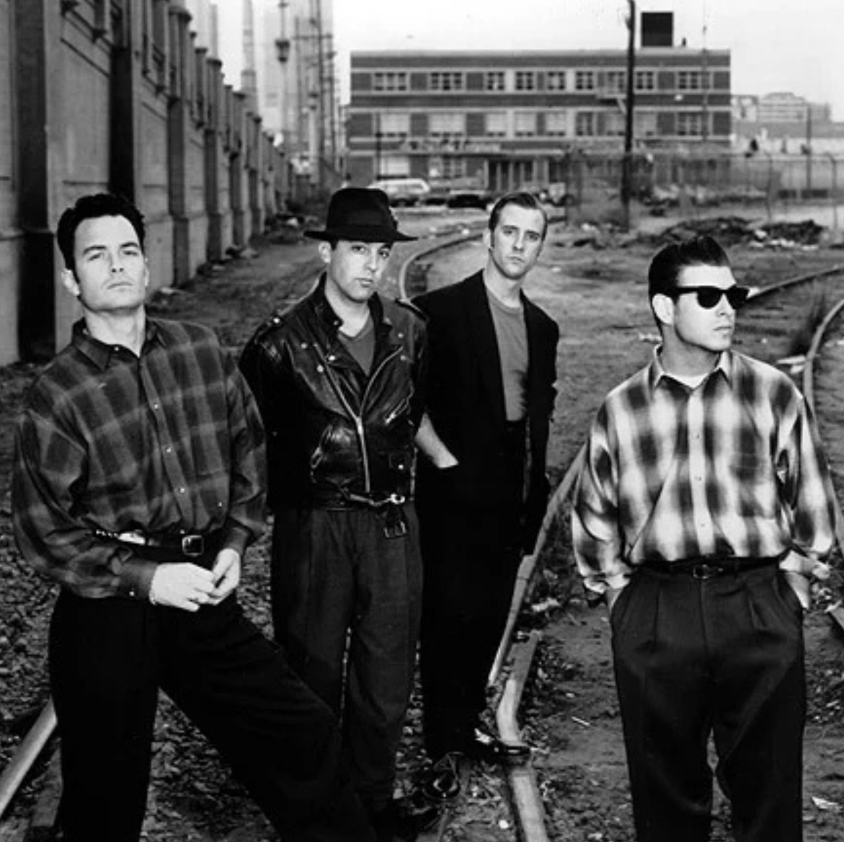
Social Distortion - Ball And Chain
Social Distortion's powerful anthem, "Ball and Chain," penned by frontman Mike Ness in 1987, is a deeply personal and evocative song that resonates with themes of struggle, redemption, and hope. It appeared on the band's self-titled album, released in 1990, which marked their transition to a major label. Ness has described the song as a "hard luck story," a heartfelt plea, and a "folk prayer," reflecting a desire for liberation from personal burdens such as addiction, pain, or fear. While some might interpret the title as referring to a romantic relationship, Ness intended a broader meaning, allowing listeners to connect with the song on their own terms regarding their individual struggles. The track's raw emotion and introspective lyrics, combined with Social Distortion's signature punk rock sound infused with country and blues influences, quickly made it a fan favorite and a staple in their live performances. "Ball and Chain" became one of the band's most recognizable songs, contributing significantly to their growing popularity and solidifying their place in the punk rock landscape.
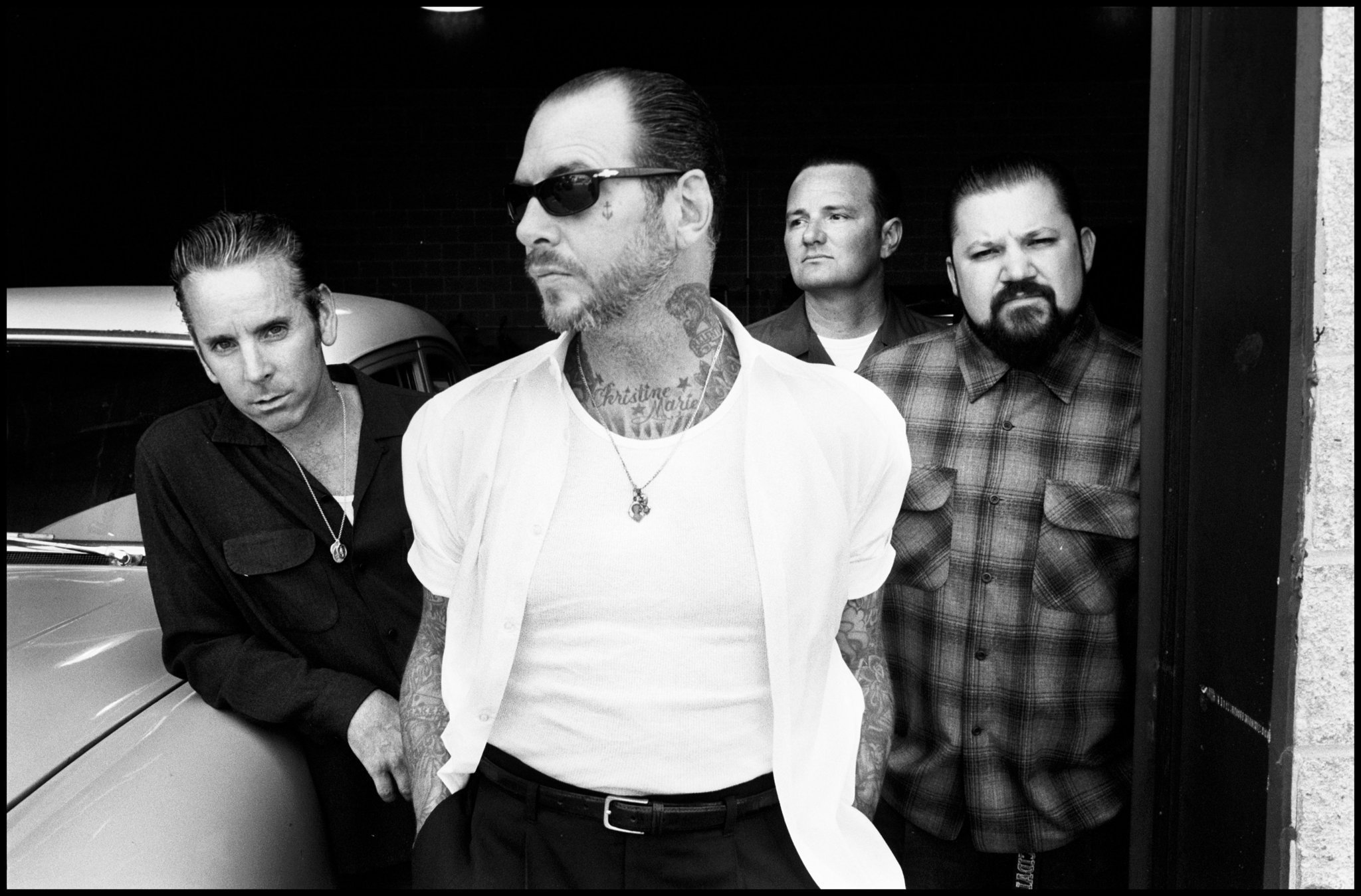
Social Distortion - I Was Wrong
Social Distortion's song "I Was Wrong" is a prominent track from their fifth studio album, "White Light, White Heat, White Trash," released in September 1996. This album marked a period where the band, led by frontman Mike Ness, continued to evolve their signature punk rock sound, incorporating elements of rockabilly and country while maintaining their raw energy and introspective lyrics.
"I Was Wrong" quickly became one of the album's standout tracks and a fan favorite. It was released as a single and achieved considerable commercial success, reaching number four on Billboard's Modern Rock Tracks chart and number twelve on the Mainstream Rock Tracks chart. The song's lyrics, penned by Mike Ness, are often interpreted as a reflection on past mistakes, personal growth, and the humility that comes with acknowledging one's errors. This theme resonated deeply with listeners, as Ness frequently drew from his own experiences with addiction and redemption in his songwriting.
The recording of "I Was Wrong" took place at Bearsville Studio in Woodstock, New York, with Michael Beinhorn producing. The track's powerful guitar riffs, driving rhythm section, and Ness's distinctive vocals contributed to its appeal. Its inclusion as a playable track in the 2008 music video game "Rock Band 2" further exposed the song to a new generation of fans, solidifying its place as one of Social Distortion's most enduring and impactful songs.

Social Distortion - Story of My Life
“Story of My Life” is a song by the American punk rock band Social Distortion. It was released in 1990 as the lead single from their self-titled album, Social Distortion. The song features a blend of punk rock and rockabilly influences, characterized by its driving rhythm, catchy guitar riffs, and frontman Mike Ness's distinctive vocals.
Lyrically, Story of My Life reflects on personal experiences and struggles, including themes of loneliness, regret, and resilience. The chorus, with its anthemic refrain "The story of my life, I take her home, I drive all night to keep her warm and time is frozen," captures a sense of longing and determination amidst life's challenges.
The song became one of Social Distortion's most well-known and beloved tracks, garnering significant airplay on rock radio stations and solidifying the band's status within the punk rock scene. Its enduring popularity has made it a staple in their live performances and a fan favorite for over three decades.

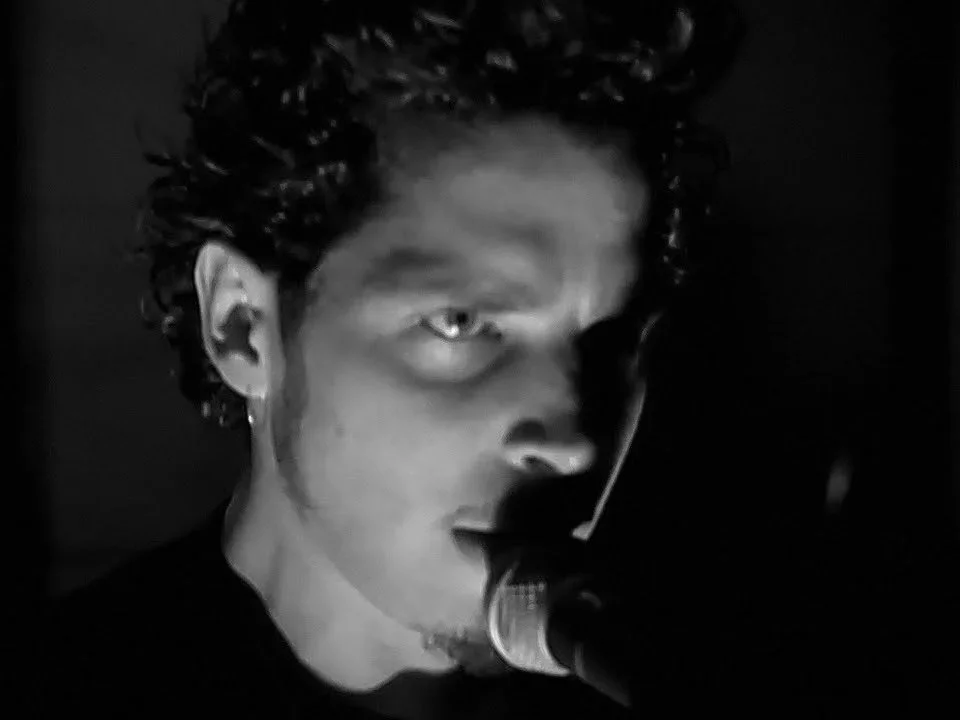
Soundgarden - Fell On Black Days
"Fell on Black Days" is a song by the American rock band Soundgarden, featured on their 1994 album "Superunknown." The song is often recognized for its haunting melodies and introspective lyrics, which delve into themes of existential despair, loss, and the feeling of being overwhelmed by life's darker moments.
The history behind the song reflects the band's broader exploration of emotional and psychological struggles, which resonated with many listeners during the grunge movement of the early '90s. Chris Cornell, the band’s frontman, wrote the lyrics, and they reflect his personal experiences and feelings of uncertainty and depression. The song captures the essence of a pivotal time in American rock music, marked by raw emotion and a departure from the more glamorous styles of the '80s.
"Fell on Black Days" was critically acclaimed and has remained a staple of Soundgarden's discography, contributing to the band's legacy and influence within the rock genre. The song's blend of heavy guitar riffs and introspective lyrics showcases the band's ability to balance power and vulnerability, making it a classic that continues to resonate with fans today.
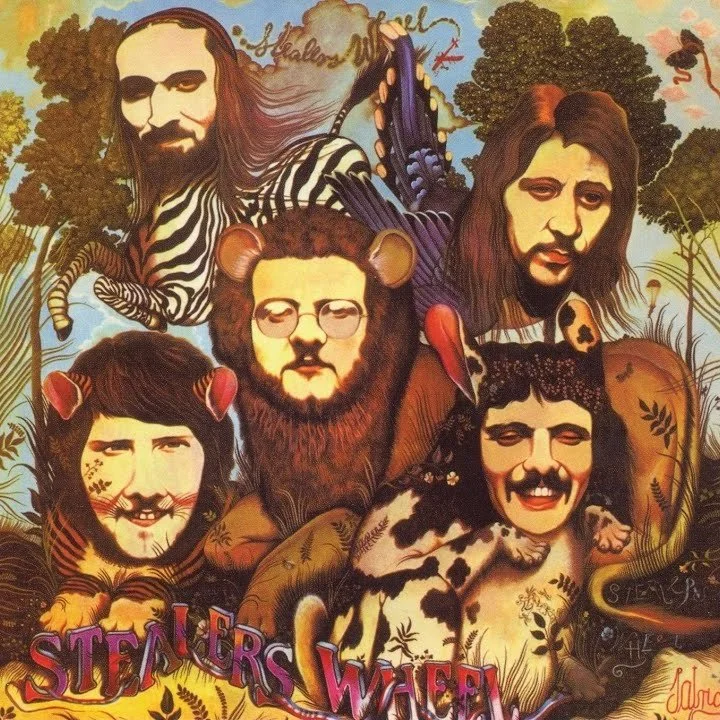
Stealers Wheel - Stuck In The Middle With You
"Stuck in the Middle with You" by Stealers Wheel is a song from their 1972 self-titled debut album. It was written by the band's co-founders, Gerry Rafferty and Joe Egan. The track became a hit, reaching No. 6 on the Billboard Hot 100 and gaining significant popularity.
The song's catchy, folk-rock sound is paired with somewhat ironic lyrics, which can be interpreted as a commentary on feeling out of place or overwhelmed by the expectations and behavior of others. Its upbeat vibe contrasts with the more cynical undertones of the lyrics.
The track gained renewed attention after being featured in Quentin Tarantino's 1992 film Reservoir Dogs, particularly in a memorable scene involving a dance sequence and a controversial moment of violence. This use helped cement the song’s place in pop culture.
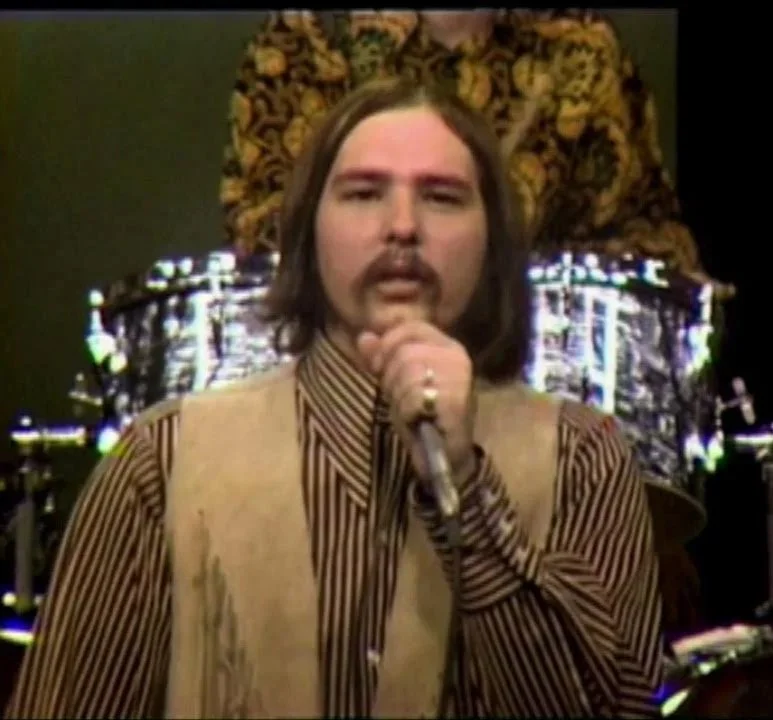
Steam - Na Na Hey Hey Kiss Him Goodbye
"Na Na Hey Hey Kiss Him Goodbye" is a song by the band Steam, released in 1969. It became a major hit, reaching number one on the Billboard Hot 100 chart in the United States. The song is known for its catchy chorus and infectious melody, featuring a simple yet effective arrangement of vocals, hand claps, and a prominent organ riff.
The song's lyrics revolve around a farewell theme, encouraging someone to say goodbye to their romantic interest with a kiss-off sentiment. "Na Na Hey Hey Kiss Him Goodbye" has endured as a popular anthem for celebrations and sporting events, often used to taunt losing teams or players.
Interestingly, Steam was a studio group initially formed by producers Paul Leka and Gary DeCarlo, and they recruited singer Dale Frashuer to perform the vocals. Despite their success with "Na Na Hey Hey Kiss Him Goodbye," Steam never managed to replicate the song's chart performance with subsequent releases.

Steppenwolf – Born To Be Wild
"Born to Be Wild" is a classic rock song by the band Steppenwolf, released in 1968. Written by Mars Bonfire, the song became an anthem for the counterculture and is famously associated with the 1969 film Easy Rider. It is known for its driving guitar riff and rebellious spirit, capturing the freedom and thrill of the open road.
The song's most iconic line, "Get your motor runnin', head out on the highway," has become synonymous with the freedom of the American road trip and the rebellious attitude of youth in the late '60s and early '70s. "Born to Be Wild" is often credited with helping to popularize the term "heavy metal," due to its loud, distorted guitar and aggressive energy, though Steppenwolf did not consider themselves part of that genre.