

Rag'n'Bone Man - Human
"Human" is a powerful song by British singer-songwriter Rag'n'Bone Man, released in 2016 as the lead single from his debut studio album, Human. The song explores themes of vulnerability, self-reflection, and the complexities of human nature. It features a soulful blend of blues, pop, and electronic influences, with Rag'n'Bone Man's deep, gravelly voice taking center stage.
In the song, Rag'n'Bone Man sings about the inevitability of making mistakes and the limitations of being human. The chorus, where he repeatedly sings "I'm only human after all," captures the essence of accepting one’s imperfections and flaws. It's both a personal confession and a universal reminder that nobody is perfect, and everyone has their struggles.
"Human" became a major hit, reaching the top of the charts in multiple countries and earning Rag'n'Bone Man critical acclaim. The song's message of humility and authenticity resonated widely with listeners, making it a memorable anthem for those grappling with their own human experiences.


Ramones - Merry Christmas (I Don't Want to Fight Tonight)
"Merry Christmas (I Don't Want to Fight Tonight)" is a song by the Ramones, released as a single in 1989 and later included on their 1991 album Brain Drain. It stands out as a holiday-themed track with the band's signature fast-paced punk rock sound.
The song's lyrics mix the spirit of Christmas with a relatable sentiment of wanting peace and avoiding conflicts, especially during the holiday season. The narrator expresses a desire to have a calm and joyful time, rejecting the typical holiday stress and family disputes that often arise.
While it may not be the most traditional Christmas song, the Ramones' track has become a favorite among punk rock fans during the holiday season due to its catchy melody and relatable theme. The song also reflects the Ramones' unique ability to blend irreverence and emotional sincerity, a hallmark of their music throughout their career.


Red Hot Chili Peppers - Coffee Shop
"Coffee Shop" by the Red Hot Chili Peppers is a track from their 1995 album "One Hot Minute." The song showcases the band's unique blend of rock, funk, and alternative sounds. Lyrically, it captures themes of longing, introspection, and the simple pleasure of hanging out in a café setting.
Historically, "One Hot Minute" is notable because it's the only album featuring guitarists Dave Navarro, who brought a different musical influence compared to previous guitarist John Frusciante. The album came during a transitional phase for the band, who had experienced personal and musical changes following the departure of Frusciante and the death of guitarist Hillel Slovak.
The song itself has a laid-back vibe, with engaging rhythms and catchy melodies that make it a fan favorite. It reflects a mix of the band's funky style while also incorporating a more serious tone in the lyrics, capturing the essence of the band's ability to blend elements of fun and depth in their music.

Rob Zombie - Living Dead Girl
"Living Dead Girl" is a song by Rob Zombie, released as part of his 1998 debut solo album, Hellbilly Deluxe. The song showcases Zombie's signature blend of heavy metal, industrial rock, and horror themes, drawing inspiration from classic horror films and pop culture.
Lyrically, "Living Dead Girl" features a dark and seductive narrative, often interpreted as a tribute to the archetype of the "living dead" found in films and literature. It explores themes of desire, death, and resurrection, reflecting the filmic imagery that permeates Zombie's work. The song is known for its catchy chorus and electronic beats, combined with heavy guitar riffs, making it a standout track in Zombie's discography.
The music video further emphasizes the horror aesthetic, featuring clips reminiscent of classic horror movies, along with surreal and macabre visuals that align with Zombie's artistic vision. Over the years, "Living Dead Girl" has become an anthem in Zombie's concerts and remains popular among fans of rock and horror genres alike.
In a broader context, the song showcases Rob Zombie's unique ability to blend music with visual storytelling, solidifying his place in both the music and film industries.

Rock and Roll Hall of Fame 2004 - While My Guitar Gently Weeps
Cue 3:30 for one of the best guitar solos of all time. Prince stole the show; as a Prince will do. How lucky are we that we had him as long as we did. An true American treasure.
While My Guitar Gently Weeps is a song by the Beatles, written by George Harrison, and included on their 1968 album The Beatles (commonly known as the White Album). This version was the performance from the Rock and Roll Hall of Fame induction ceremony in 2004.
During this performance, Prince, Tom Petty, Jeff Lynne, Steve Winwood, and others paid tribute to George Harrison, who had been posthumously inducted as a solo artist. Prince delivered a memorable guitar solo during the performance, showcasing his virtuosity and stage presence. The rendition received widespread acclaim for the energy and passion brought by all the musicians involved.
This performance is often cited as one of the highlights of the Rock and Roll Hall of Fame ceremonies and serves as a testament to the enduring influence and power of George Harrison's music.

Sam Cooke - A Change Is Gonna Come
"A Change Is Gonna Come" by Sam Cooke is a powerful and iconic song that was released in 1964. Written by Cooke himself, the song became an anthem of the Civil Rights Movement and is known for its soulful sound and emotional depth. Inspired by his experiences with racial discrimination, as well as the broader struggles for social justice, the song speaks to the hope and determination for a better future.
The song's haunting orchestration, along with Cooke's impassioned vocal performance, conveys both sorrow and optimism. The lyrics express the belief that change is inevitable and that despite the hardships faced, a better day will come.
It's often considered one of the greatest songs of all time and continues to resonate with listeners due to its timeless message of resilience and hope.

Sam Cooke - Bring It On Home To Me
"Bring It on Home to Me" is a classic soul song written and performed by Sam Cooke. Released in 1962 as a single, the track became one of Cooke's most iconic and enduring hits.
The song is a heartfelt plea for reconciliation, where Cooke sings about longing for a loved one to return, apologizing for past mistakes, and asking them to "bring it on home" – a metaphor for returning home to him and restoring the relationship. The song's simple but powerful lyrics are complemented by Cooke's smooth, emotive vocal delivery, which has made it a standout in the soul genre.
Musically, "Bring It on Home to Me" features a blend of doo-wop and gospel influences, with its rich harmonies and tender melodies. The track also includes a memorable instrumental arrangement, with a prominent horn section and a steady rhythm that supports Cooke's passionate performance.
"Bring It on Home to Me" has been widely praised for its emotional depth and Cooke's vocal prowess. It has been covered by many artists over the years, solidifying its status as a soul classic.

Sarah McLachlan - Angel
"Angel" is one of Sarah McLachlan's most iconic songs, released in 1997 as part of her album Surfacing. The song is known for its hauntingly beautiful melody and poignant lyrics. It was written by McLachlan and is often interpreted as a reflection on loss, comfort, and the desire for peace. It has been widely praised for its emotional depth and has been used in various films, TV shows, and commercials, adding to its status as a timeless ballad.
The song also gained additional recognition after being featured in commercials for the ASPCA (American Society for the Prevention of Cruelty to Animals), where its gentle tone and emotional resonance helped raise awareness for animal welfare. The song's themes of hope and solace continue to resonate with listeners around the world.

Screaming Trees - Nearly Lost You
Screaming Trees’ “Nearly Lost You” is a quintessential grunge track from their 1992 album Sweet Oblivion. It’s one of the band's most well-known songs and captures a raw, emotional moment with its deep guitar riff, heavy drums, and the distinct, gravelly voice of Mark Lanegan.
The song has this perfect blend of melancholy and defiance, with Lanegan singing about a relationship that's on the verge of falling apart. The lyrics are introspective, and you can feel the weight of regret and self-awareness. The chorus, “Nearly lost you, nearly lost you,” feels like a reflection on narrowly escaping emotional destruction, almost like standing on the edge but pulling back just in time.
It was a major hit for the band and gave them more recognition in the mainstream, but it still holds that raw, underground feel typical of early '90s grunge. The track has a timeless quality to it, with its bittersweet tone and gripping musical elements.
Seals and Crofts - Diamond Girl
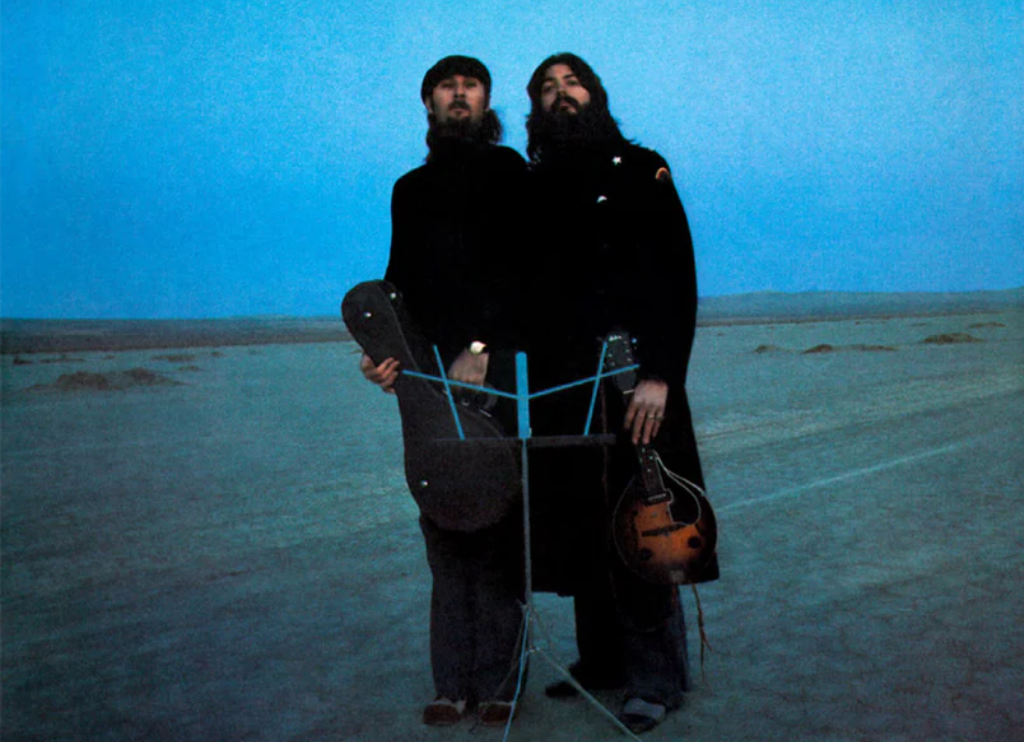
"Diamond Girl" is one of the most popular songs by the American soft rock duo Seals and Crofts, released in 1973 on their album of the same name. The duo, composed of James Seals and Dash Crofts, were known for their harmonious sound and blend of folk rock and pop.
The song reflects themes of love and yearning, using rich imagery to evoke feelings of nostalgia and admiration. "Diamond Girl" showcases the trademark smooth vocal harmonies of Seals and Crofts, along with their penchant for using acoustic instruments, which contributes to the soft rock feel of the era.
The duo gained fame in the early 1970s with hits like "Summer Breeze" and "Get Closer." Their music often incorporated elements of spirituality and nature, resonating with audiences looking for a more laid-back style during that time. "Diamond Girl" was a significant track in their catalog, reaching the top of the charts and solidifying their status in the soft rock genre.
Seals and Crofts continued to create music together throughout the 1970s, and their legacy remains influential, with "Diamond Girl" often remembered as a classic of the soft rock movement.

Seals and Crofts - Summer Breeze
“Summer Breeze” is a song by the musical duo Seals & Crofts, released in 1972 on their album of the same name. The song became one of their biggest hits, reaching number six on the Billboard Hot 100 chart. The duo, consisting of James Seals and Dash Crofts, were known for their soft rock sound, blending elements of pop, folk, and a bit of rock. “Summer Breeze” captures the essence of a relaxing summer day, with lyrics that evoke imagery of warm weather, nature, and the comfort of home. The song’s success helped solidify Seals & Crofts' popularity in the 1970s, and they followed it up with other hits like “Diamond Girl” and “We May Never Pass This Way (Again).” The gentle acoustic sound and harmonious vocals contributed to the laid-back vibe that resonated with listeners and made it a staple of the soft rock genre. “Summer Breeze” has been covered by several artists over the years, further cementing its status as a classic. The song continues to be celebrated for its nostalgic qualities and timeless appeal.

Sex Pistols - God Save The Queen
"God Save the Queen" is one of the most controversial and influential punk rock songs, released by the Sex Pistols in 1977. The song became a symbol of the punk movement in the UK and is often remembered for its rebellious and anti-establishment message.
The song’s lyrics critique the British monarchy and the political system, using sharp and provocative language to express disdain for authority and the idea of national reverence. The title itself, "God Save the Queen," is a direct reference to the British national anthem, but the lyrics subvert this traditional symbol of loyalty and patriotism by portraying the Queen as a figurehead who represents a stagnant, oppressive society. The line "God save the queen, she ain't no human being" stands out as a stark rejection of the monarchy's legitimacy.
Released during Queen Elizabeth II’s Silver Jubilee year, the song caused an uproar in the UK, with some seeing it as a direct attack on the monarchy and British values. The Sex Pistols were banned from many media outlets, and the single was even banned by the BBC, but it still became a massive commercial success, reaching number two on the UK Singles Chart.
"God Save the Queen" is often seen as a rallying cry for the disenfranchised youth of the time and as a powerful statement against societal norms. The song's impact transcended music, influencing political and cultural movements and solidifying the Sex Pistols' place in punk rock history.
Silverchair - Tomorrow
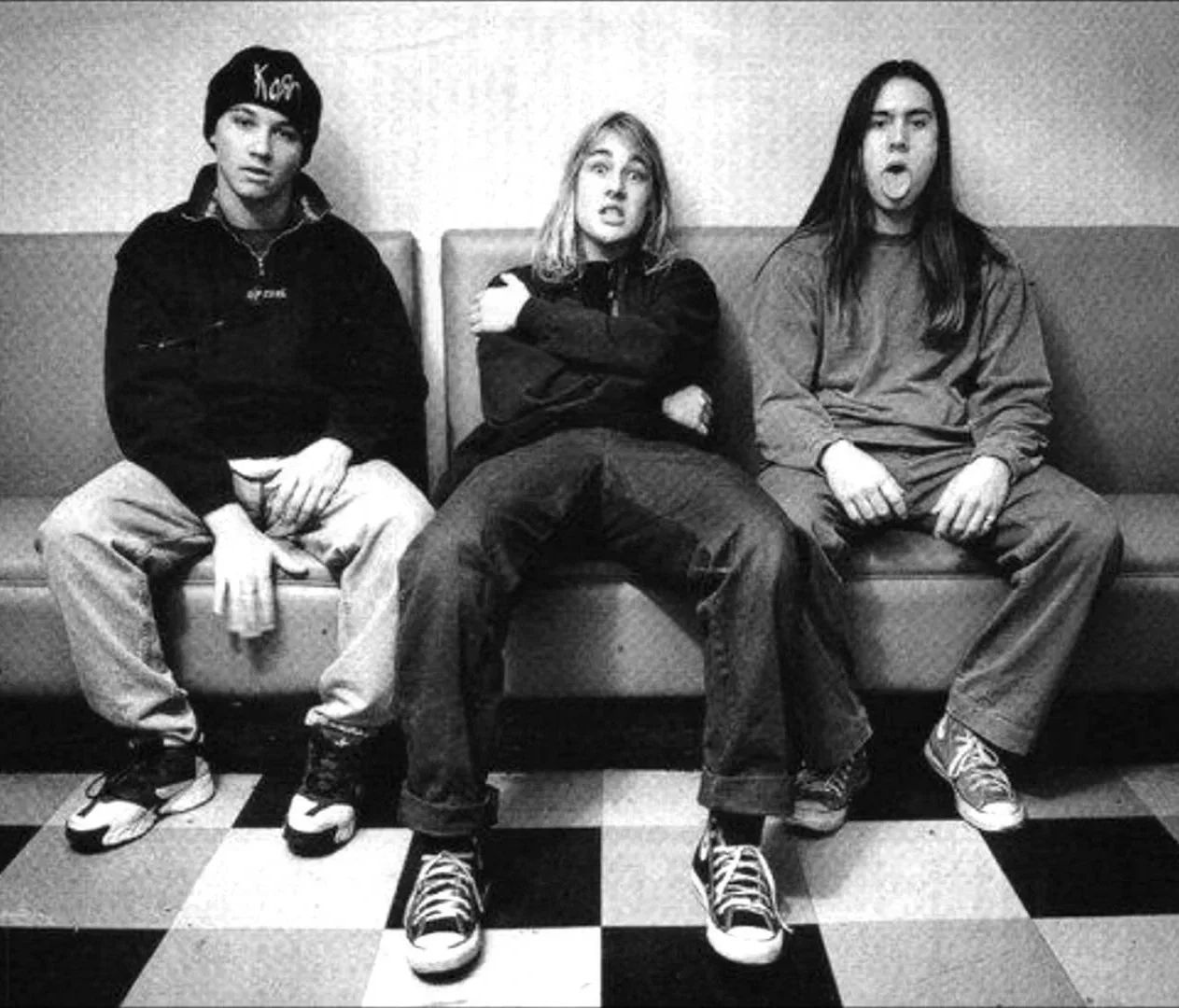
"Tomorrow" is a song by Australian rock band Silverchair, released as the third single from their debut album Frogstomp in 1994. Written by lead vocalist and guitarist Daniel Johns, the song is one of the band’s most iconic tracks and helped propel their success both in Australia and internationally. The song’s sound is characterized by heavy guitar riffs and intense drumming, which, combined with Johns’ raw, emotive vocal delivery, captured the angst and confusion of youth.
The song deals with themes of uncertainty and a longing for change, reflective of the band’s experience as young musicians thrust into the spotlight at a very early age; which added an element of authenticity to the raw, rebellious nature of the song. The track was both commercially successful and critically acclaimed, reaching number one on the Australian charts and earning Silverchair international recognition.
"Tomorrow" is often seen as a defining moment in the grunge movement of the '90s, drawing comparisons to bands like Nirvana and Pearl Jam, though Silverchair's music also reflected their own unique identity and experiences. The song's success marked the beginning of Silverchair's career, which would span over two decades, though their sound would evolve significantly in the years that followed.


Sinead O'Connor - The Last Day of Our Acquaintance
“The Last Day of Our Acquaintance” is a powerful track from Sinéad O’Connor’s critically acclaimed second studio album, I Do Not Want What I Haven’t Got, released in March 1990. While the album is best known for O’Connor’s iconic cover of Prince’s “Nothing Compares 2 U,” this song stands as one of the most emotionally resonant pieces on the record. Written by O’Connor herself, the song features Jah Wobble on bass guitar and John Reynolds on drums and percussion, with O’Connor handling vocals, acoustic guitar, and other instrumentation.
The song is a sparse, wrenching portrait of a relationship’s end, specifically depicting the agonizing countdown to what appears to be a divorce, with references to meeting “later in somebody’s office.” Beginning with delicate acoustic guitar, the track showcases O’Connor’s remarkable vocal transformation as it progresses. She starts with a fragile, broken whisper that mirrors the narrator’s sadness and resignation, then gradually builds strength and boldness as the music becomes more forceful, ultimately conveying the protagonist’s realization that their life is just beginning—a self-empowered triumph emerging from pain.
O’Connor performed “The Last Day of Our Acquaintance” on Saturday Night Live on September 29, 1990, alongside “Three Babies,” during her first appearance on the show. The song was also featured in The Year of the Horse, a concert film directed by Sophie Muller that captured O’Connor’s performances in Brussels and Rotterdam in October 1990. In 1996, R.E.M.'s Michael Stipe recorded a notable cover of the song for a VH1 Honors performance, treating O’Connor’s original “like a standard, a piece of precious genius to be interpreted with great care.” This tribute came four years after O’Connor’s controversial 1992 SNL appearance where she tore up a photo of the Pope, and Stipe’s cover served as a powerful reminder of her artistry during a period when she faced significant public backlash.
The song has taken on additional poignancy following O’Connor’s death on July 26, 2023, at age 56. Many fans and critics have reflected on how the title resonates with the loss of the Irish artist, who had been working on new music and planning tours before her passing. The track remains a testament to O’Connor’s ability to transform personal pain into universal art, capturing the complex emotions of endings and new beginnings with raw honesty and vocal mastery.
This live version is not the most watched on YouTube, but it is certainly one of the best, if not the best, of her performances of The Last Day of Our Acquaintance.