

Ozzy Osbourne - Mr. Crowley
Cue in at 2:17 for one of the best guitar solos of all time. Cue in at 3:40 for another. 4:20 for another. Best bet watch beginning to end; you wouldn't want to miss anything actually. Ozzy looking over to Randy is a man in amazement and wonder.
“Mr. Crowley” is a song by Ozzy Osbourne, released as the lead single from his debut solo album, Blizzard of Ozz, in 1980. The song was written by Ozzy Osbourne, guitarist Randy Rhoads, and bassist/lyricist Bob Daisley.
“Mr. Crowley” is notable for its dark and occult-themed lyrics, which were inspired by Aleister Crowley, a British occultist and ceremonial magician who gained notoriety in the early 20th century. The song's subject matter explores themes of mysticism, magic, and the occult, with references to Crowley's life and teachings. Musically, it features Randy Rhoads' intricate guitar work and Ozzy Osbourne's distinctive vocal delivery.
Despite its controversial subject matter, “Mr. Crowley” became one of Ozzy Osbourne's most iconic songs and remains a staple of his live performances. It has also been praised for its musicianship and lyrical depth, and it has influenced many subsequent heavy metal and hard rock musicians.
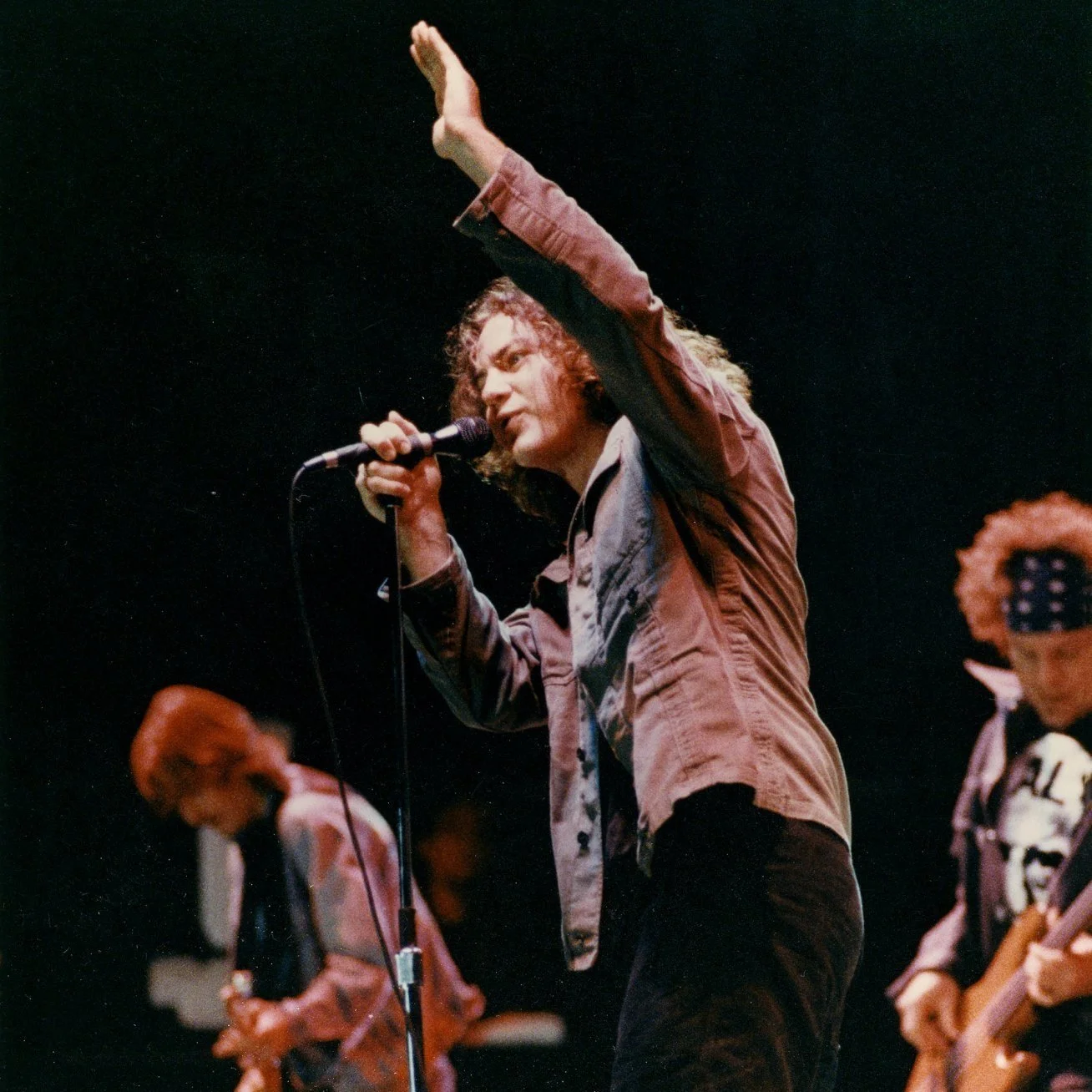
Pearl Jam - Daughter
“Daughter” by Pearl Jam was released in 1993 and is a poignant song that addresses themes of childhood struggles and the impact of parental relationships. The lyrics convey a sense of empathy and understanding for a young girl facing difficulties, often interpreted as touching on issues like neglect and emotional pain. The song’s haunting melody and Eddie Vedder’s powerful vocals enhance its emotional weight. It’s a fan favorite and highlights the band’s ability to blend personal storytelling with broader social commentary.
Eddie Vedder said about the song "Daughter":
"The child in that song obviously has a learning difficulty, and it's only in the last few years that they've actually been able to diagnose these learning disabilities, that before were looked at as misbehavior; as just outright rebelliousness, but no one knew what it was. These kids, because they seemed unable or reluctant to learn, they'd end up getting the shit beaten outta them. The song ends, you know, with this idea of the shades going down—so that the neighbors can't see what happens next. What hurts about shit like that is that it ends up defining people's lives. They have to live with that abuse for the rest of their lives. Good, creative people are just fucking destroyed."
Phil Collins - Another Day In Paradise
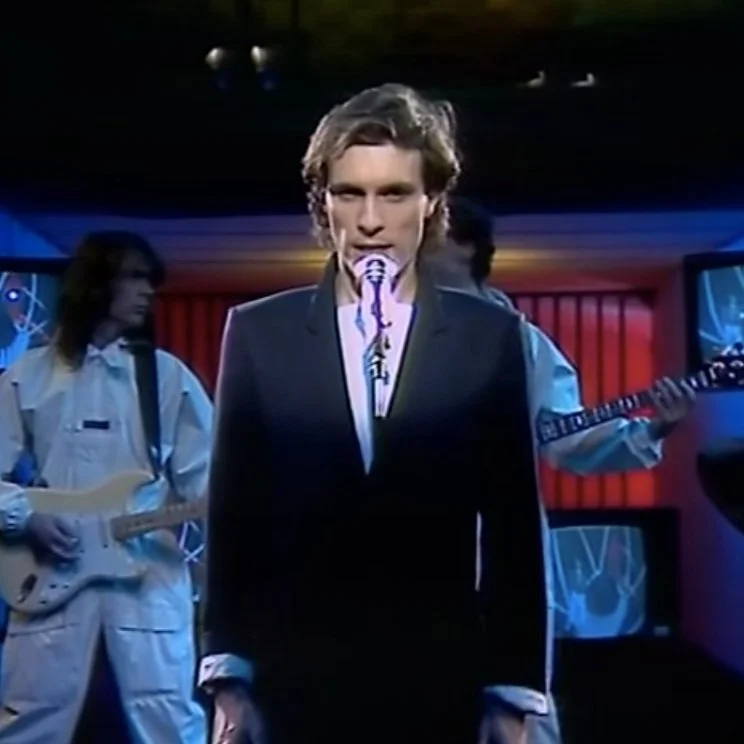
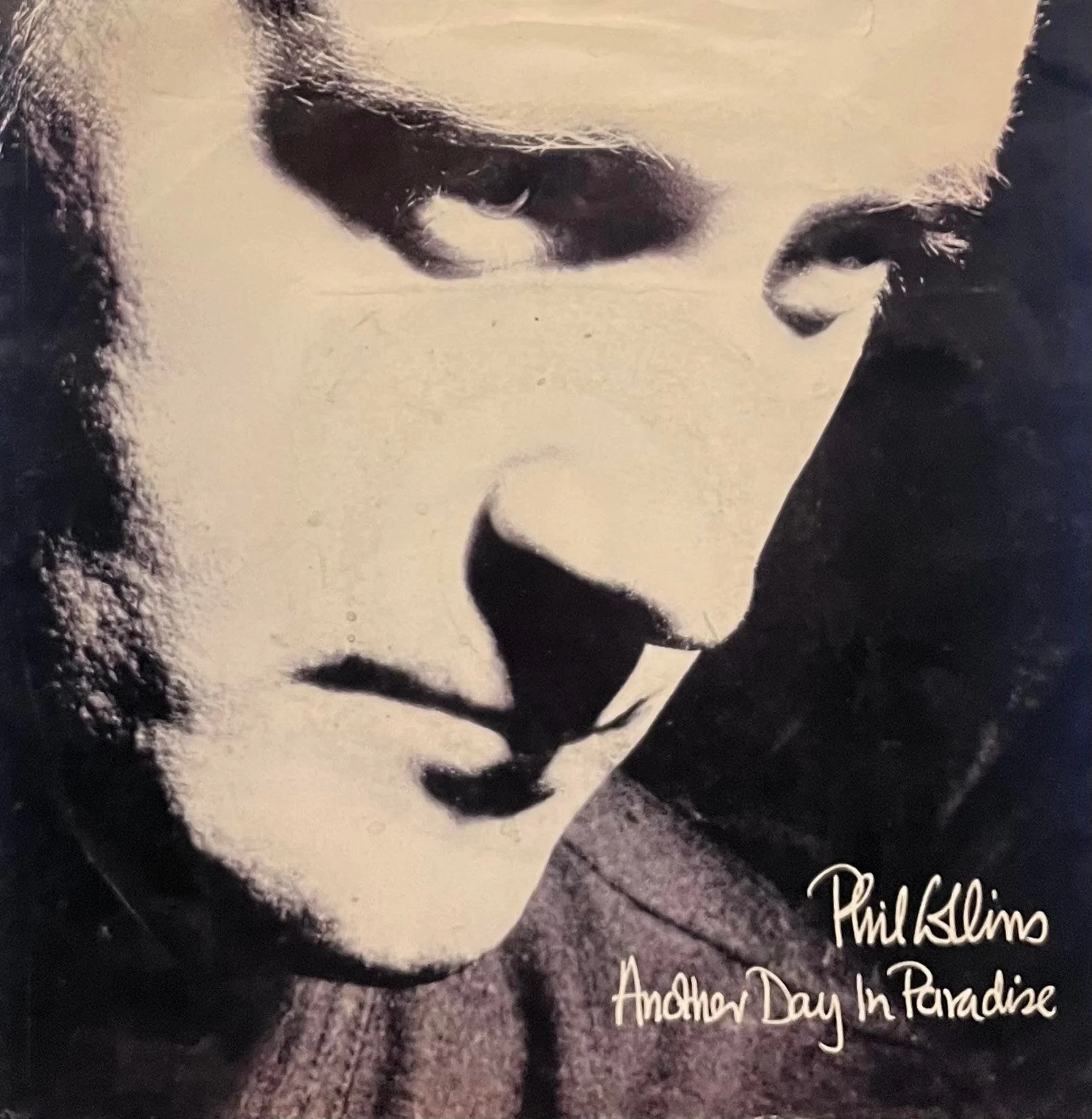
“Another Day in Paradise” is a song written and recorded by Phil Collins, released in October 1989 as the lead single from his fourth solo album, …But Seriously. The track was produced by Collins along with Hugh Padgham and marked a significant departure from his previous dance-pop sound. The song addresses the issue of homelessness, similar to his earlier Genesis track “Man on the Corner”, representing a more socially conscious direction for the artist. Collins was inspired to write the song after witnessing people sleeping on heating grates near Capitol Hill in Washington, D.C., and encountering homeless individuals asking for help. Collins later explained that the song essentially “wrote itself” when he sat down at the piano, with the words coming out naturally rather than being a deliberate effort to write about homelessness. The song features backing vocals from David Crosby, who Collins had met at the Atlantic Records 40th Anniversary concert, adding a subtle folk-protest sensibility to the track.
“Another Day in Paradise” became a massive commercial success. It entered the Billboard Hot 100 at number 43 in November 1989 and reached number one seven weeks later on December 23, 1989, becoming Collins’ seventh and final number-one hit. The song stayed at number one for four weeks, making it the last number-one hit of the 1980s and the first of the 1990s. The track also topped charts in multiple countries and earned significant accolades, including the Grammy Award for Record of the Year and the BRIT Award for Best British Single. Despite its success, the song provoked controversy and was widely criticized, with some finding the wealthy Collins unqualified to sing about poverty and others accusing him of profiteering from homelessness. Collins defended himself by stating that having money doesn’t mean being “out of touch with reality” and that he saw the same things everyone else did when driving down the street. Nevertheless, the song’s impact endured, and it has since been covered by numerous artists and remains a powerful commentary on social indifference to homelessness.
Phil Collins - In the Air Tonight
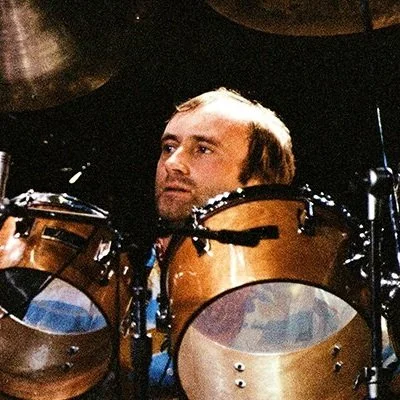
"In the Air Tonight" is one of Phil Collins' most iconic songs, released in 1981 as the lead single from his debut solo album Face Value. The song is famous for its haunting atmosphere, distinctive drum break, and Collins' emotionally charged vocal performance.
The lyrics of "In the Air Tonight" have long been the subject of speculation, with many fans wondering about the meaning behind them. The song has often been interpreted as a reflection of Collins' personal emotions following his divorce from his first wife. The lyrics seem to convey feelings of anger, betrayal, and emotional distance, with the recurring line "I can feel it coming in the air tonight" often seen as expressing anticipation for some kind of emotional reckoning or confrontation.
A key moment in the song is the dramatic drum break, which has become one of the most memorable moments in pop music history. It's a powerful, cathartic release that complements the emotional intensity of the lyrics. Over time, the song has also gained a cultural legacy, often used in movies, TV shows, and even as a meme, further cementing its place in music history.
Although some myths have arisen around the song's meaning—such as the false rumor that it was inspired by witnessing a drowning or a moment of revenge—Collins has clarified that the lyrics are more about the emotional experience of a breakup and the sense of foreboding that came with it.

Pink Floyd - Wish You Were Here
“Wish You Were Here” is a song by the English rock band Pink Floyd. It was released in 1975 as the title track of their ninth studio album, Wish You Were Here. The song was written by the band members Roger Waters and David Gilmour and is one of Pink Floyd's most iconic and enduring compositions.
“Wish You Were Here” is renowned for its poignant lyrics, which reflect themes of absence, alienation, and the disillusionment felt by the band members amidst their growing fame and the music industry's commercial pressures. The song's emotional depth is further enhanced by its evocative melody and Gilmour's soulful guitar solos.
The track is also notable for its distinctive sound effects, including the use of radio tuning and the recording of a wind sound created by blowing through a straw into a microphone, which contribute to the atmospheric and introspective mood of the song.
“Wish You Were Here” has remained a beloved classic and is often regarded as one of Pink Floyd's greatest achievements. It continues to resonate with audiences around the world, capturing the universal longing for connection and understanding.

Prince - Creep
"Creep" is a song by the English alternative rock band Radiohead, released in 1992. While there's no official record of Prince covering "Creep," he did incorporate it into his live performances from time to time. In a memorable rendition during Coachella in 2008, he blended it with his own song "The Beautiful Ones." Prince's version of "Creep" was notable for its soulful interpretation, showcasing his ability to infuse his style into diverse genres of music. Although it wasn't formally recorded and released by Prince, his live performances often brought fresh and unexpected takes on well-known songs.
Prince's cover of "Creep" showcases his unique style and musical prowess. Known for his ability to reinterpret songs, Prince adds a soulful and emotional depth to the track, blending his signature vocals and guitar riffs. His rendition often emphasizes the themes of alienation and longing present in the original, all while infusing it with his distinctive flair.

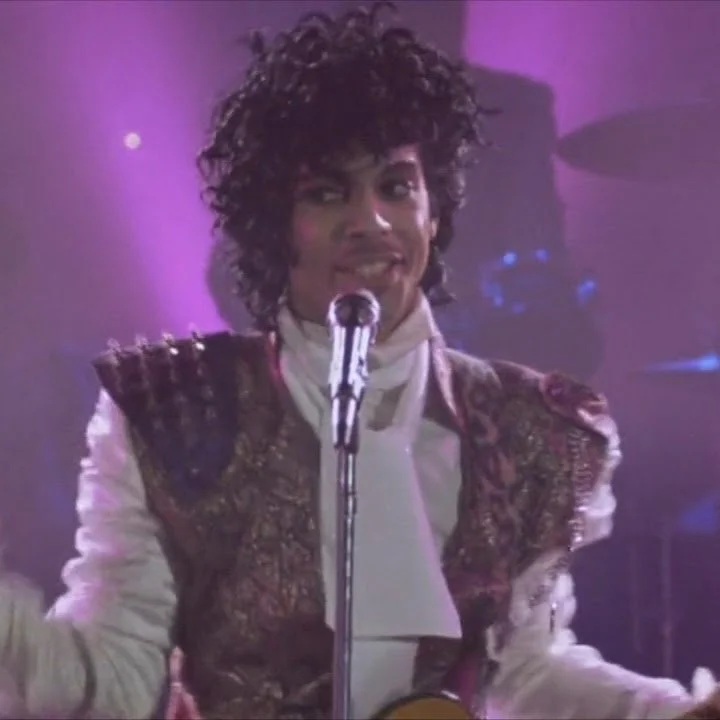
Prince and the Revolution - Let's Go Crazy
"Let's Go Crazy" by Prince and The Revolution is a high-energy rock song that serves as the opening track on Prince's iconic album, "Purple Rain," released in 1984. The song begins with a sermon-like monologue delivered by Prince, emphasizing the fleeting nature of life and the need to embrace joy and celebration. Musically, it features a driving beat, electric guitar riffs, and Prince's distinctive falsetto vocals, creating an infectious and electrifying atmosphere. "Let's Go Crazy" became a signature anthem for Prince, showcasing his virtuosity as a musician and his ability to fuse rock, funk, and pop into a cohesive and powerful sound. The song's message of seizing the moment and reveling in life's pleasures resonates through its energetic performance and memorable lyrics, solidifying its place as one of Prince's most beloved and enduring hits.

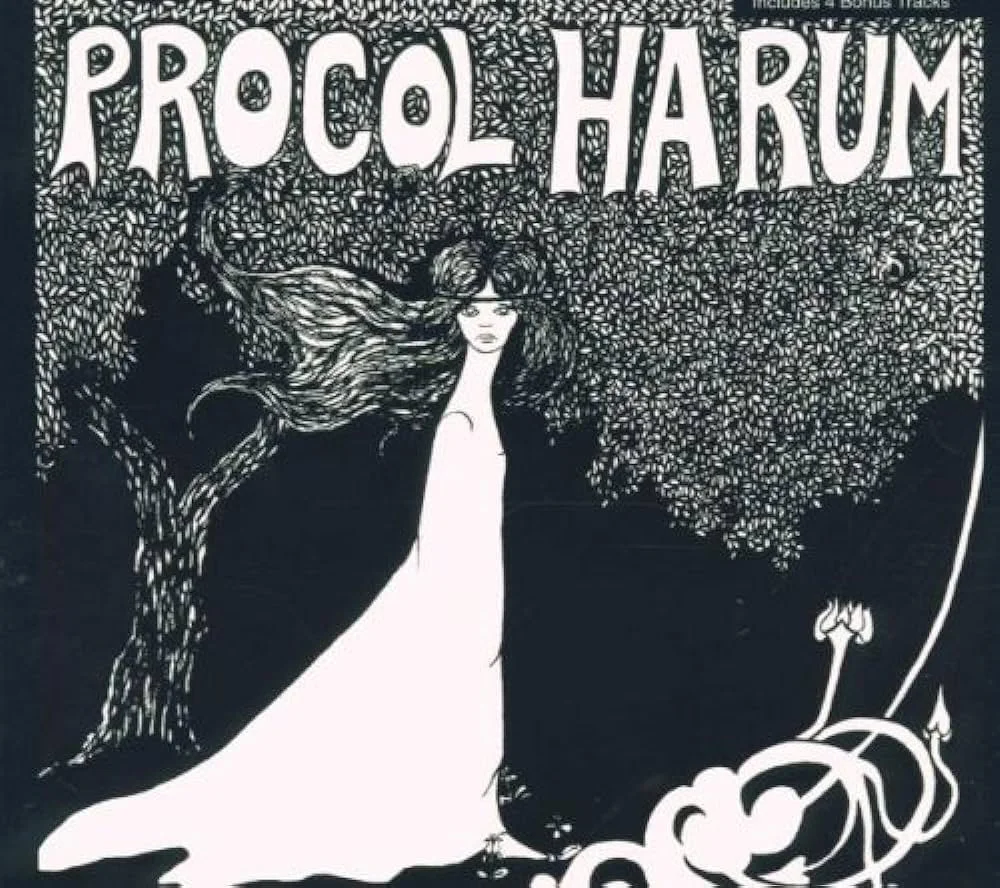
Procol Harum - A Whiter Shade of Pale
“A Whiter Shade of Pale” by Procol Harum stands as one of the most iconic and enduring songs of the 1960s. The English rock band Procol Harum was formed in Southend-on-Sea, Essex, in 1967, and they played their first live gig at London’s Speakeasy club on the day “A Whiter Shade of Pale” was released on 12 May 1967. Lyricist Keith Reid got the title and starting point for the song at a party, where he overheard someone saying to a woman, “You’ve turned a whiter shade of pale”, and the phrase stuck in his mind. The music was composed by Gary Brooker, with Matthew Fisher’s organ part so prominent that he also eventually received a songwriting credit after a protracted court battle. The song was recorded at Olympic Sound Studios in London, produced by Denny Cordell, and completed in two takes, with no subsequent overdubbing.
The song’s success was immediate and extraordinary. In June “A Whiter Shade of Pale” topped the UK charts for six weeks, while in the United States, the single reached number 5 on the Billboard Hot 100 and sold over 1 million copies. It became one of the few singles to have sold more than 10 million copies. The song’s distinctive baroque sound, featuring Fisher’s Hammond organ melody inspired by Bach’s Air on the G String, combined with Reid’s enigmatic, surrealist lyrics to create something truly unique. The song has been interpreted as dealing in metaphorical form with a male/female relationship ending in a sexual act, described through references to sex as a form of travel, usually nautical, using mythical and literary journeys. However, Reid himself stated he was simply trying to conjure a mood rather than tell a straightforward story.
The song’s legacy has proven remarkably durable. In 1977, “A Whiter Shade of Pale” was voted Best British Pop Single 1952-1977, sharing the honours with Queen’s Bohemian Rhapsody. The song was inducted into the Grammy Hall of Fame in 1998 and into the Rock & Roll Hall of Fame in 2018. Over the years it has been released as a cover version by at least 1,000 different artists. The phrase “a whiter shade of pale” itself has entered common usage in the English language. Despite the band’s continued success with albums like “A Salty Dog” and “Shine on Brightly,” and their career lasting until 1977 before reforming in 1991, “A Whiter Shade of Pale” remained their signature achievement and one of the defining songs of the Summer of Love era.
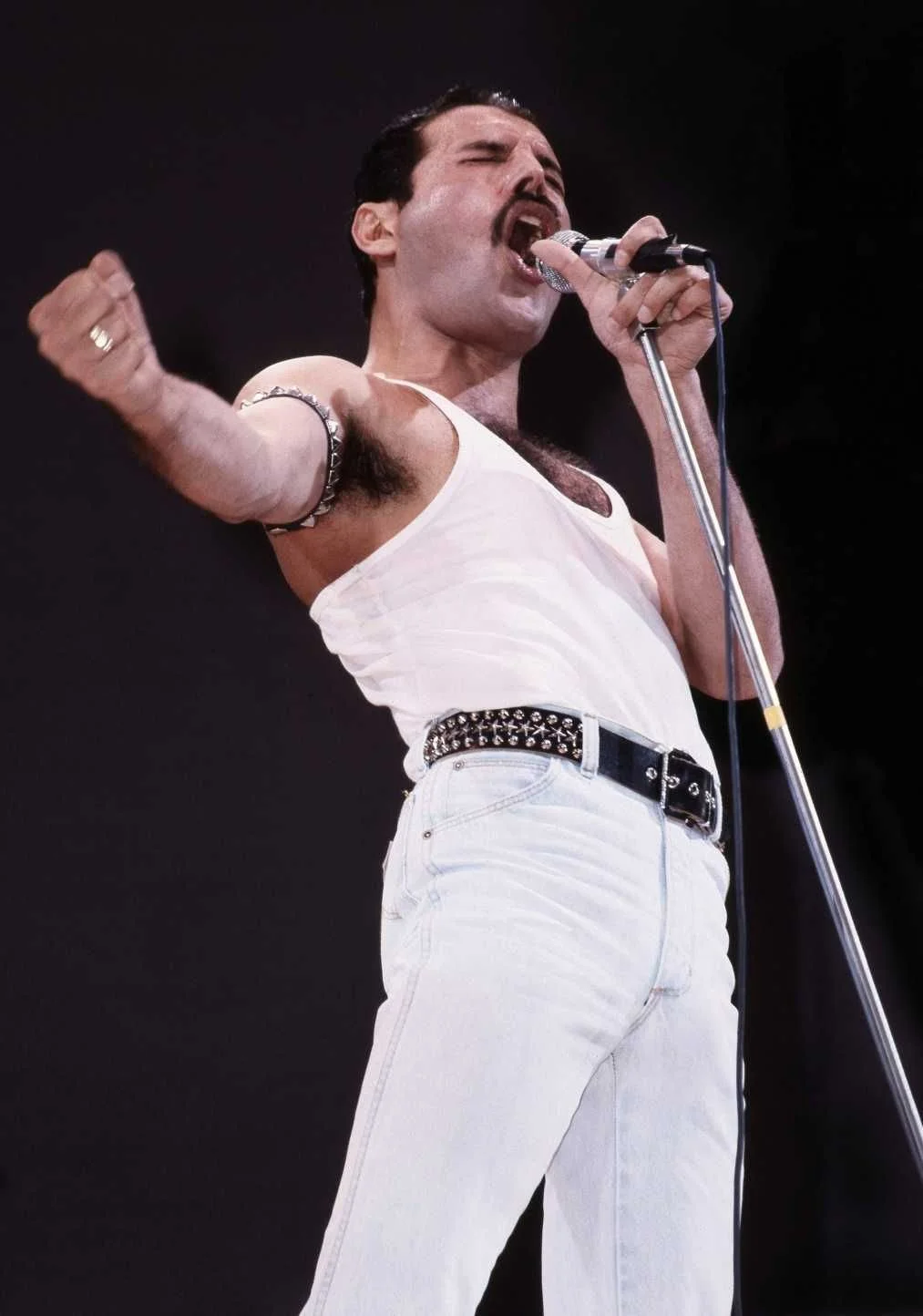
Queen - Radio Ga Ga
"Radio Ga Ga" by Queen is a dynamic and anthemic song that was released in 1984 as part of their album "The Works." Written by Queen's drummer Roger Taylor, the song is notable for its catchy melody, powerful vocals by Freddie Mercury, and its commentary on the evolving role of radio in popular culture.
The lyrics of "Radio Ga Ga" reflect on the nostalgic era when radio was the dominant medium for music and entertainment, contrasting it with the rise of television and other forms of media. The song's title is a play on words, evoking the sound of radio transmissions ("Radio Ga Ga") while also referencing the repetitive nature of pop music at the time ("Radio goo goo").
Musically, "Radio Ga Ga" features strong guitar riffs by Brian May, complemented by Taylor's driving drum beat and Mercury's soaring vocals. The song builds to a climactic chorus that encourages listeners to embrace the power of radio and its ability to connect people through music.
"Radio Ga Ga" became a commercial success for Queen, reaching the top of the charts in multiple countries. Its iconic music video, featuring scenes from Fritz Lang's film "Metropolis," further enhanced its popularity and cultural impact. Today, "Radio Ga Ga" remains a beloved classic in Queen's repertoire, celebrated for its infectious energy, thoughtful lyrics, and memorable hooks.

R.E.M. - What's the Frequency, Kenneth
"What's the Frequency, Kenneth?" is a song by the American alternative rock band R.E.M. It was released as the lead single from their ninth studio album, "Monster," in 1994. The title of the song refers to an incident in 1986 when news anchor Dan Rather was attacked on the streets of New York City by a man who kept repeating the question, "What's the frequency, Kenneth?" The phrase became a bizarre and infamous pop culture reference.
R.E.M.'s song, written by band members Bill Berry, Peter Buck, Mike Mills, and Michael Stipe, doesn't directly address the incident but incorporates the mysterious and surreal nature of the event into its lyrics. "What's the Frequency, Kenneth?" features a dynamic rock sound and is one of the more notable tracks from the "Monster" album.

Rag'n'Bone Man - Human
"Human" is a powerful song by British singer-songwriter Rag'n'Bone Man, released in 2016 as the lead single from his debut studio album, Human. The song explores themes of vulnerability, self-reflection, and the complexities of human nature. It features a soulful blend of blues, pop, and electronic influences, with Rag'n'Bone Man's deep, gravelly voice taking center stage.
In the song, Rag'n'Bone Man sings about the inevitability of making mistakes and the limitations of being human. The chorus, where he repeatedly sings "I'm only human after all," captures the essence of accepting one’s imperfections and flaws. It's both a personal confession and a universal reminder that nobody is perfect, and everyone has their struggles.
"Human" became a major hit, reaching the top of the charts in multiple countries and earning Rag'n'Bone Man critical acclaim. The song's message of humility and authenticity resonated widely with listeners, making it a memorable anthem for those grappling with their own human experiences.


Ramones - Merry Christmas (I Don't Want to Fight Tonight)
"Merry Christmas (I Don't Want to Fight Tonight)" is a song by the Ramones, released as a single in 1989 and later included on their 1991 album Brain Drain. It stands out as a holiday-themed track with the band's signature fast-paced punk rock sound.
The song's lyrics mix the spirit of Christmas with a relatable sentiment of wanting peace and avoiding conflicts, especially during the holiday season. The narrator expresses a desire to have a calm and joyful time, rejecting the typical holiday stress and family disputes that often arise.
While it may not be the most traditional Christmas song, the Ramones' track has become a favorite among punk rock fans during the holiday season due to its catchy melody and relatable theme. The song also reflects the Ramones' unique ability to blend irreverence and emotional sincerity, a hallmark of their music throughout their career.


Red Hot Chili Peppers - Coffee Shop
"Coffee Shop" by the Red Hot Chili Peppers is a track from their 1995 album "One Hot Minute." The song showcases the band's unique blend of rock, funk, and alternative sounds. Lyrically, it captures themes of longing, introspection, and the simple pleasure of hanging out in a café setting.
Historically, "One Hot Minute" is notable because it's the only album featuring guitarists Dave Navarro, who brought a different musical influence compared to previous guitarist John Frusciante. The album came during a transitional phase for the band, who had experienced personal and musical changes following the departure of Frusciante and the death of guitarist Hillel Slovak.
The song itself has a laid-back vibe, with engaging rhythms and catchy melodies that make it a fan favorite. It reflects a mix of the band's funky style while also incorporating a more serious tone in the lyrics, capturing the essence of the band's ability to blend elements of fun and depth in their music.