

Macklemore and Ryan Lewis - Same Love feat. Mary Lambert
"Same Love" is a song by American hip hop duo Macklemore and Ryan Lewis, featuring vocals by Mary Lambert. It was released as the third single from their debut studio album, The Heist, in 2012. The song addresses themes of LGBTQ+ rights, specifically advocating for same-sex marriage equality and challenging homophobia within the hip hop community and society at large.
"Same Love" received widespread acclaim for its poignant lyrics and powerful message, becoming an anthem for the LGBTQ+ rights movement. The song's success helped spark important conversations about equality and acceptance, and it remains a significant cultural touchstone in the fight for LGBTQ+ rights.

Madness - Our House
Madness, the popular English ska and pop band, released their enduring hit "Our House" on November 12, 1982, as the lead single from their fourth studio album, "The Rise & Fall." The song was primarily written by band members Chris Foreman and Chas Smash. It quickly became one of their most recognizable tracks, celebrated for its catchy melody and vivid lyrical portrayal of everyday family life in a working-class London home.
The inspiration for "Our House" reportedly came from observations of domestic routines and the comforting familiarity of home. The song's upbeat tempo and singalong chorus contributed to its widespread appeal, mak
ing it a staple of 1980s pop music. "Our House" achieved significant international success, charting within the top ten in multiple countries. It was particularly successful in the United States, where it became Madness's only Top 10 hit on the Billboard Hot 100, peaking at number seven in 1983. The song also earned critical acclaim, winning Best Pop Song at the Ivor Novello Awards in May 1983. Its accompanying music video, which humorously depicted the band members engaging in various household activities, further cemented its place in popular culture and contributed to its lasting charm and enduring popularity.
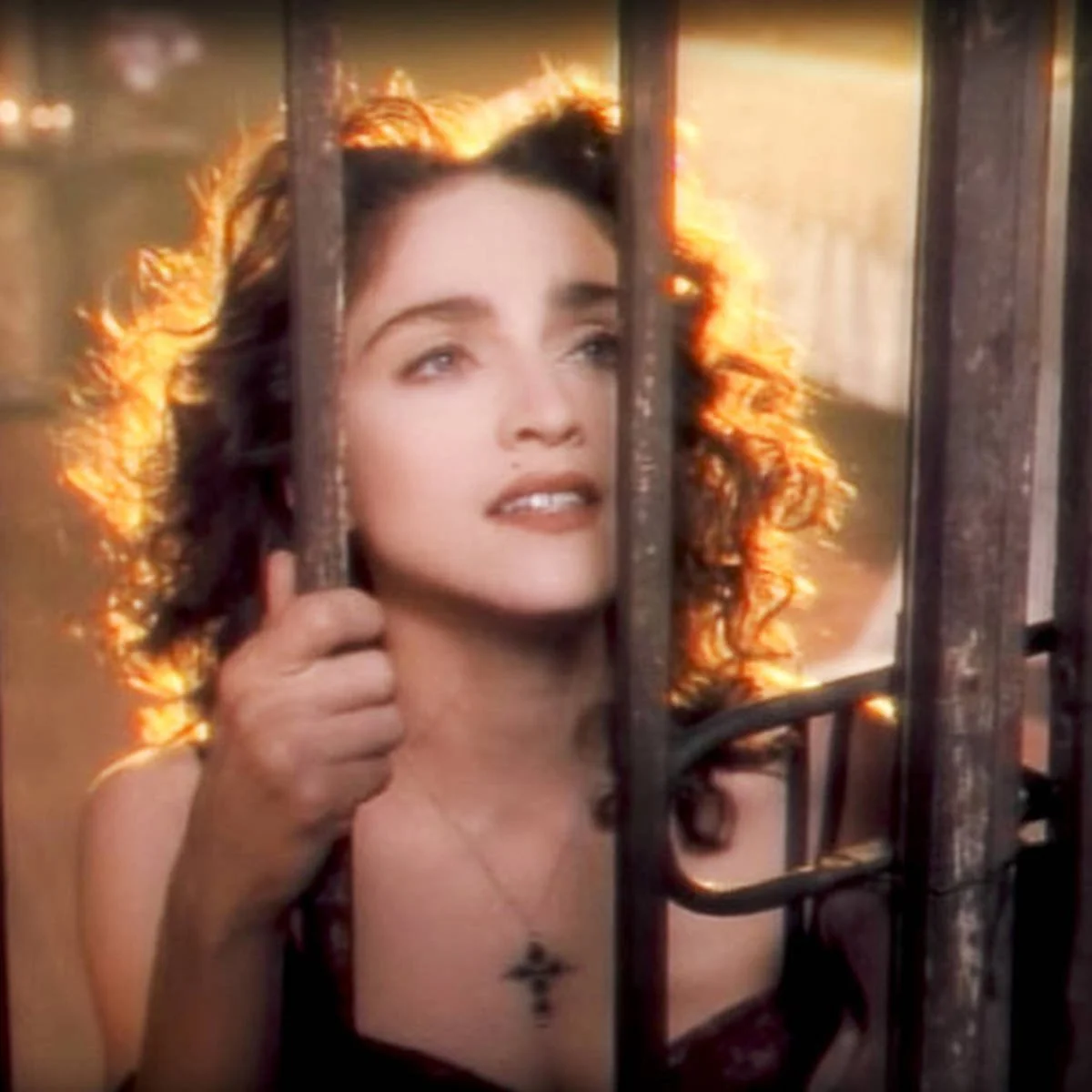
Madonna - Like A Prayer
"Like A Prayer" is a song by Madonna, released in 1989 as the title track from her fourth studio album. The song explores themes of spirituality, love, and redemption, intertwining religious imagery with personal reflection. It marked a significant evolution in Madonna's musical style, incorporating elements of gospel and pop.
The song's music video, directed by Mary Lambert, featured controversial imagery, including religious symbols and themes of racial discrimination. This sparked significant debate and backlash from religious groups upon its release, but it also highlighted Madonna's willingness to push boundaries and challenge societal norms.
"Like A Prayer" became one of Madonna's most acclaimed works, both commercially and critically, and is often regarded as one of her signature songs. Its impact has endured over the years, influencing numerous artists and remaining relevant in popular culture. The song was a commercial success worldwide, and its powerful message continues to resonate with audiences today.

Mark Ronson - Uptown Funk ft. Bruno Mars
"Uptown Funk" is a catchy and energetic pop song by British producer Mark Ronson, featuring American singer Bruno Mars. Released in November 2014, it became a global hit, topping charts worldwide and becoming a cultural phenomenon.
The official music video for "Uptown Funk" is colorful, vibrant, and full of energy, matching the upbeat feel of the song. Set in a retro, '80s-inspired aesthetic, the video showcases a fun, funky street vibe with lots of dancing, flashing lights, and Bruno Mars leading a crew through various choreographed routines. Ronson appears in the video as well, adding to the playful, celebratory atmosphere.
The song itself is a fun blend of funk, pop, and R&B, with an infectious groove that channels the energy of classic funk artists like James Brown and Prince, while still feeling fresh and modern. "Uptown Funk" became known for its catchy chorus ("Don't believe me, just watch!") and its signature funky instrumental breaks.
The video helped elevate the song even further, with its lively visuals and charismatic performances by Bruno Mars and his dancers. It also features memorable scenes, like Mars strutting down the street in a sleek suit, showcasing his smooth dance moves and energetic style.
"Uptown Funk" received critical acclaim and won several awards, including multiple Grammys. It's one of the most-streamed songs of all time and remains one of the defining tracks of the mid-2010s pop scene.
Maroon 5 - Memories
Maroon 5's globally successful single, "Memories," released on September 20, 2019, and later featured on their 2021 album Jordi, stands as a poignant tribute to loss and remembrance. The song was primarily conceived by Adam Levine, alongside co-writers Michael Pollack, Jacob Kasher Hindlin, Jon Bellion, Vincent Ford, Stefan Johnson, and Jordan Johnson, with production handled by Levine and The Monsters & Strangerz. The profound inspiration behind "Memories" is the untimely passing of Jordan Feldstein, Maroon 5's longtime manager and a childhood friend of Adam Levine. Feldstein, who was also the brother of actors Jonah Hill and Beanie Feldstein, died unexpectedly in December 2017 at the age of 40 from a pulmonary embolism. Levine has openly spoken about the deep personal impact of this loss, describing Feldstein as someone he had known since childhood, making the song and the album title "Jordi" direct homages to his memory.
Musically, "Memories" is notable for its distinct composition, which prominently features the harmonic progression of Johann Pachelbel's renowned "Canon in D Major." The song adopts the classical piece's iconic eight-note chord sequence (I–V–vi–iii–IV–I–IV–V), transposed to B major, forming the backbone of its melody. Additionally, the track subtly incorporates melodic elements from Bob Marley & The Wailers' "No Woman, No Cry," with Vincent Ford receiving a writing credit. In contrast to Maroon 5's more elaborate productions, "Memories" employs a minimalist arrangement, characterized by a stripped-back combination of guitar, keyboards, and vocals, which serves to amplify the emotional depth of the lyrics. Lyrically, the song delves into themes of grief, nostalgia, and the act of cherishing those who are no longer present. Its widely recognized chorus, "Here's to the ones that we got / Cheers to the wish you were here, but you're not," has resonated with audiences worldwide as an anthem for mourning and celebrating lost loved ones, capturing the bittersweet reality that everyday experiences, like having a drink, can evoke a flood of memories.
Upon its release, "Memories" achieved significant commercial success, reaching the top 10 in over 30 countries and peaking at number 2 on the Billboard Hot 100 in the United States. Critical reception, however, was somewhat divided; while many praised the song's emotional honesty and simplicity, some critics found the direct interpolation of Pachelbel's Canon to be unoriginal or the production too sparse. The accompanying music video further underscored the song's personal nature, featuring a close-up shot of Adam Levine singing directly into the camera, concluding with a heartfelt dedication: "For Jordi." This visual element reinforced the song's sincere message, solidifying its place as a powerful and enduring tribute within Maroon 5's discography.


Martha & The Vandellas - Dancing in the Streets
"Dancing in the Streets" by Martha and the Vandellas, released in 1964, is one of the most iconic songs of the 1960s and a defining example of the Motown sound. Written by Marvin Gaye, William "Mickey" Stevenson, and Ivy Jo Hunter, the song blends soul, R&B, and pop to create an upbeat, infectious anthem of unity and celebration. Its lyrics, urging people from cities across the United States to come together and dance, became a symbol of joy and solidarity, resonating with the social and political movements of the time, particularly the Civil Rights Movement. Although the song is a fun and energetic call for togetherness, it also carried an underlying message of hope and change. "Dancing in the Streets" became a massive commercial success, reaching #2 on the Billboard Hot 100, and has since been covered by several artists, including David Bowie and Mick Jagger in 1985. The song remains a timeless classic, celebrated for its powerful message and enduring cultural impact.

Marvin Gaye - What's Going On
"What's Going On" by Marvin Gaye is one of the most iconic songs in music history, released in 1971 as the title track of his album of the same name. The song tackles serious social issues, including poverty, war, racism, and the struggles of marginalized communities. It was inspired by Gaye's brother, who had just returned from the Vietnam War, as well as Gaye’s own growing awareness of social injustices in the world.
The song’s smooth, soulful melody contrasts with its heavy, introspective lyrics, and its introspective tone is what made it a groundbreaking track in the R&B and soul genres. "What's Going On" became a protest anthem and remains relevant today for its powerful message of compassion, understanding, and the need for social change.
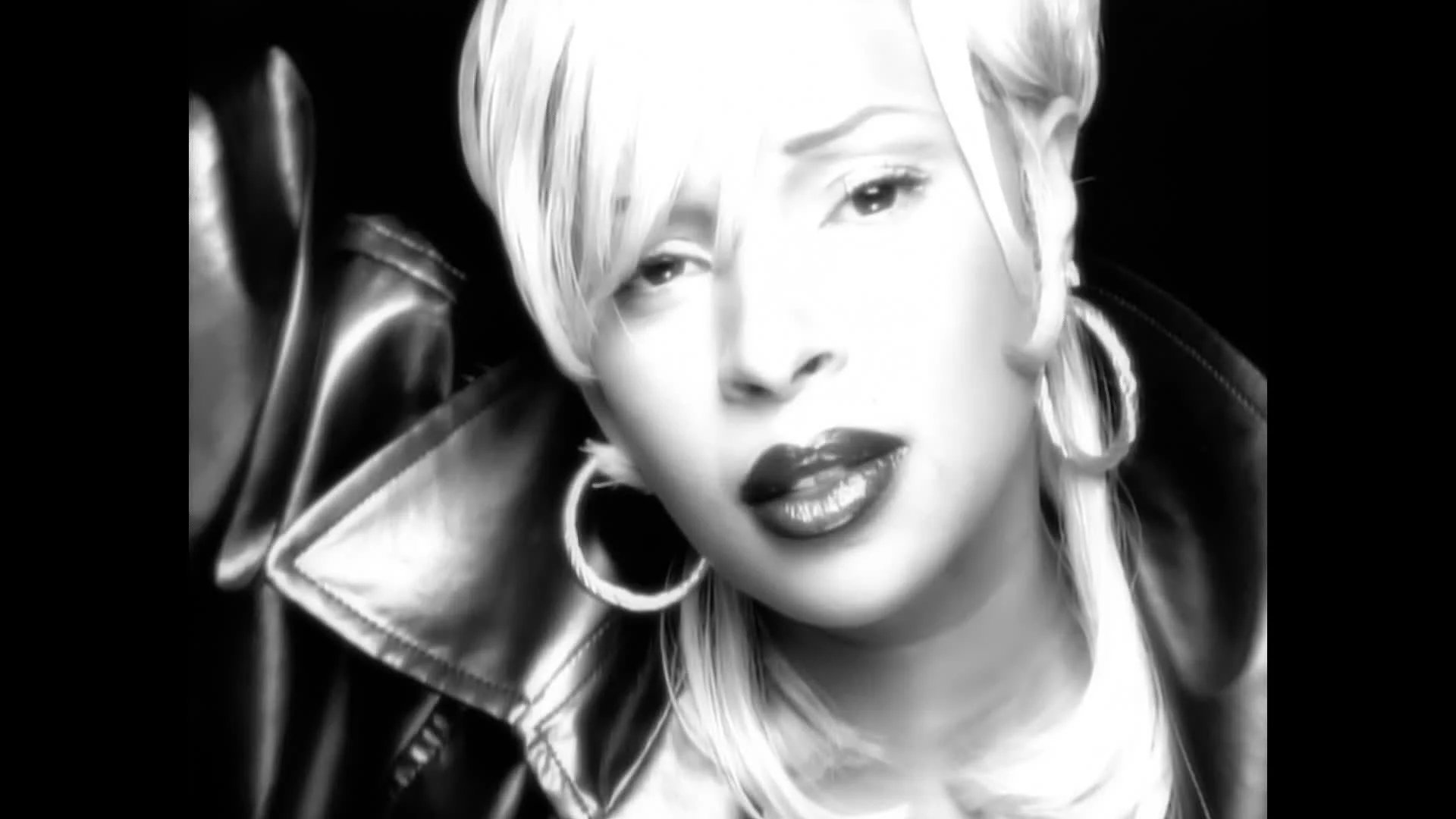
Mary J. Blige - I'm Goin' Down
Mary J. Blige's powerful rendition of "I'm Goin' Down" became a standout track from her critically acclaimed 1994 album, My Life. While widely associated with Blige, the song is a cover of a classic torch ballad originally performed by the American soul and R&B group Rose Royce in 1976, featured on the soundtrack of the film Car Wash.
Blige's version, released as the second single from My Life, was produced by Sean "Diddy" Combs and Chucky Thompson. Her interpretation brought a raw, emotional depth to the song, perfectly aligning with the themes of pain, vulnerability, and resilience that defined the My Life album. The track resonated deeply with audiences, showcasing Blige's ability to infuse classic material with her unique hip-hop soul style.
The song's music video, directed by Matthew Rolston, was shot in black-and-white and featured iconic imagery of multiple Mary J. Bliges, dressed in a black pantsuit, rhythmically descending a white stairway. This visual became one of the most memorable of her early career, further cementing the song's impact. "I'm Goin' Down" achieved significant commercial success, peaking at number 22 on the US Hot 100 and reaching number 13 on the R&B charts, solidifying Blige's status as the "Queen of Hip-Hop Soul."
Despite another R&B girl group, Y?N-Vee, releasing their own cover of the Rose Royce song around the same time, Blige's version ultimately overshadowed the competition, becoming the definitive modern interpretation. The enduring popularity and emotional resonance of Mary J. Blige's "I'm Goin' Down" highlight her profound artistry and her ability to connect with listeners through heartfelt performances.


Melissa Etheridge – Come To My Window
"Come to My Window" is one of Melissa Etheridge's most memorable and powerful songs, released as the second single from her 1993 album Yes I Am. The song is a deeply emotional ballad that showcases Etheridge's raw, raspy voice and her ability to convey vulnerability and longing. With its poignant lyrics, "Come to My Window" expresses a sense of yearning, where the narrator invites someone to offer solace and understanding. The track became a major hit, earning Etheridge widespread recognition and commercial success. It reached number 25 on the Billboard Hot 100 and won the Grammy Award for Best Female Rock Vocal Performance in 1995. The accompanying music video complements the song's emotional depth, featuring Etheridge performing in a dark, intimate setting that mirrors the song’s themes of loneliness and longing. "Come to My Window" remains one of Etheridge's signature songs, reflecting her unique blend of rock and folk influences while highlighting her talent for merging personal expression with universal emotional experiences.

Metallica - Enter Sandman
"Enter Sandman" by Metallica is a heavy metal anthem released in 1991 as the opening track of their self-titled album, commonly known as "The Black Album." The song is instantly recognizable for its ominous guitar riff, which builds tension before exploding into the powerful main riff. James Hetfield's aggressive vocals and Lars Ulrich's thunderous drumming drive the song forward with relentless energy. The track's combination of intense instrumentation and evocative lyrics has made it one of Metallica's signature songs and a staple of their live performances.
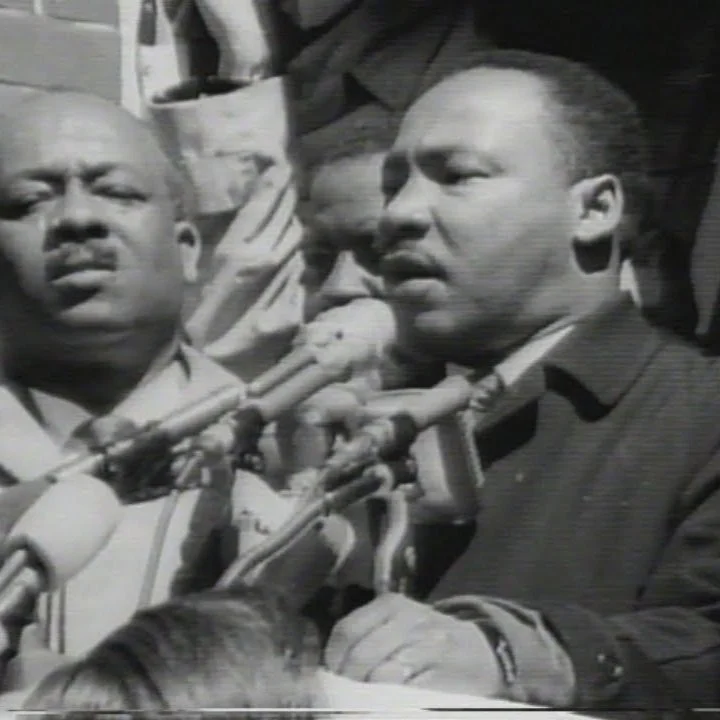
Michael Jackson - Man in the Mirror
"Man in the Mirror" by Michael Jackson is a powerful song that emphasizes personal responsibility and the importance of self-reflection in creating positive change in the world. In the lyrics, Jackson expresses the idea that in order to make the world a better place, one must start by examining and changing oneself. The metaphor of the "man in the mirror" represents the need to look inward and take accountability for one’s actions and attitudes. With emotional vocals and a gospel-inspired arrangement, the song delivers a message of hope, compassion, and transformation, encouraging listeners to not only recognize the struggles of others but also to act with empathy and purpose.
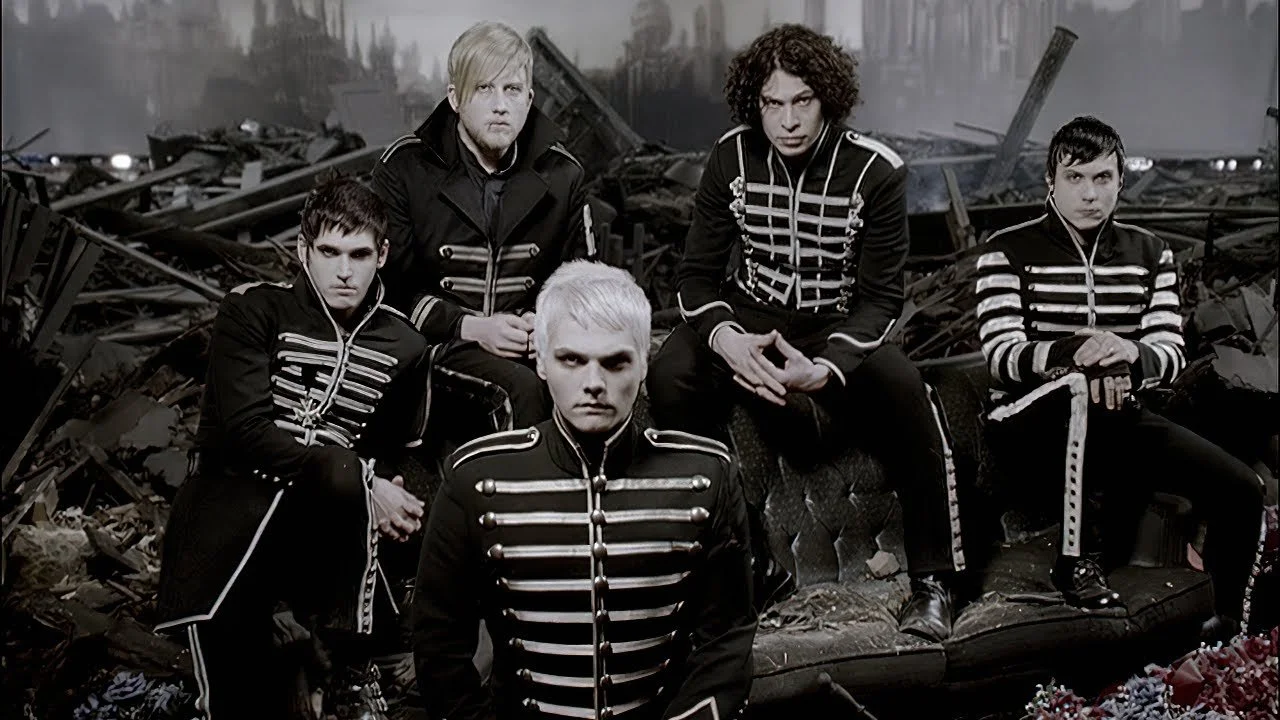
My Chemical Romance - Welcome To The Black Parade
"Welcome to the Black Parade" by My Chemical Romance stands as one of the defining anthems of 21st-century rock music and the emo movement. Released on September 12, 2006, as the lead single from the band's third studio album, The Black Parade, the song marked a dramatic evolution for the New Jersey rock band fronted by Gerard Way. The track's origins date back to 2001, shortly after the band's formation, when it existed under the title "The Five of Us Are Dying." The band struggled for years to complete the song to their satisfaction, with Way initially dismissing it as being "about nothing" and resisting its inclusion on the album. It wasn't until the band fully incorporated the concept of The Black Parade into the song and Way wrote the now-iconic opening piano melody—a single G note that has become instantly recognizable to millions of fans—that the track transformed into the epic rock opera it became. The song was produced by Rob Cavallo, who had previously worked on Green Day's similarly ambitious American Idiot, and was recorded during the band's intense sessions at the Paramour Mansion in Los Angeles, where the reportedly haunted atmosphere contributed to the album's dark, theatrical vision.
The song is an emo and pop-punk track that opens with a piano introduction and evolves into a fusion of several rock genres, with lyrics based around The Patient, the album's central character, as he recalls a childhood memory before his death, with Way describing the broader theme as "the triumph of the human spirit." The concept album centers on a man dying of cancer known as the Patient, with death presenting itself in the form of his fondest childhood memory: his father taking him to see a marching band. The song's theatrical ambition drew comparisons to Queen, David Bowie, and Pink Floyd, with its dramatic shifts in tempo and mood compressed into just five minutes. The song was first performed live on August 31, 2006, at the MTV Video Music Awards, and was made available on the band's Myspace page two days later before being officially released as a radio single on September 12. The accompanying music video, directed by Samuel Bayer (who had previously directed Nirvana's "Smells Like Teen Spirit"), depicted the Patient being taken to death by the marching band known as the Black Parade, with elaborate costumes designed by Academy Award-winning designer Colleen Atwood. In 2017, the video was dubbed MTV's Greatest Music Video of the Century.
"Welcome to the Black Parade" reached number 9 on the Billboard Hot 100, remaining their best-performing song on that chart, and reached number 1 on the Modern Rock Tracks chart, and has been certified 7× Platinum by the Recording Industry Association of America, representing over 7,000,000 confirmed unit sales. In the United Kingdom, it reached number 1 on the UK singles chart, remains their only song to reach that position, and has been certified 2× Platinum by the British Phonographic Industry with over 1,200,000 confirmed units. The song became the group's first number one in the UK on October 15, 2006, staying there for two weeks, and later rose to number one on the Modern Rock charts on October 26, 2006, where it would stay for seven weeks. The album itself debuted at number two on both the Billboard 200 and UK Albums Chart, selling 240,000 copies in its first week in the United States and eventually achieving 4× Platinum certification. Music journalists have often considered "Welcome to the Black Parade" to be an "emo anthem"; the Rock and Roll Hall of Fame has listed it as a song that "shaped rock and roll." The album's lead single has been considered an "emo anthem" as well as My Chemical Romance's best song, with Kerrang! writing that it was one of the "biggest, best and most important rock songs of the 21st century," and a "rallying cry for all who feel the world's dealt them a cruel hand." The song's impact extended far beyond its initial release, becoming a staple of the band's live performances through their reunion tours and remaining a cultural touchstone for the emo and alternative rock communities, continuing to stream an average of 300,000 times per week in the UK as of 2021, cementing its status as a generational anthem.

Naked Eyes - Always Something There To Remind Me
"Always Something There to Remind Me," written by Burt Bacharach and Hal David, first appeared in 1964 with Lou Johnson's recording. Despite its charm, Johnson's version, released by Big Top Records, did not achieve notable commercial success. Two years later, Dionne Warwick included the song on her album Here Where There Is Love. Although Warwick's rendition was well-received in the UK, it didn't make significant waves in the US at the time. The song gained renewed popularity in 1983 when the British new wave band Naked Eyes released their version, which featured a synth-pop arrangement. Their cover achieved substantial success, reaching #8 on the Billboard Hot 100, and introduced the classic track to a new generation. Over the years, the song has been covered by various artists, demonstrating its timeless appeal and the enduring power of Bacharach and David's songwriting.

Natalie Merchant – Wonder
Natalie Merchant's poignant song "Wonder" was released in 1995 as the second single from her highly successful solo album, "Tigerlily." The song quickly became a signature piece for Merchant, known for its evocative lyrics and powerful vocal performance. "Wonder" delves into themes of resilience and the extraordinary nature of individuals who overcome significant challenges.
The inspiration for "Wonder" came from Merchant's encounter with children born with severe medical conditions, specifically Epidermolysis Bullosa, a rare genetic disorder that causes fragile skin. She was deeply moved by their strength and the love within their families, which she channeled into the song's narrative. The lyrics describe a person who is seen as a "wonder" by doctors and others, not because of their affliction, but because of their spirit and ability to endure.
Commercially, "Wonder" performed well, reaching number 20 on the US Billboard Hot 100 and number 10 on the Canadian RPM 100 Hit Tracks chart. Its success contributed significantly to the multi-platinum sales of the "Tigerlily" album. Beyond its chart performance, "Wonder" has had a lasting cultural impact, inspiring the best-selling young adult novel "Wonder" by R.J. Palacio, which was later adapted into a film. The song continues to resonate with audiences for its message of empathy, acceptance, and the inherent beauty of human resilience.


Nathaniel Rateliff & The Night Sweats - S.O.B.
Nathaniel Rateliff & The Night Sweats' song "S.O.B." is a catchy, energetic track with a blend of soulful rock and blues. Released in 2015 as part of their self-titled debut album, it gained widespread attention for its upbeat rhythm, catchy chorus, and raw, emotional delivery. The song deals with feelings of frustration, self-reflection, and the desire for release, with the chorus ("Son of a b****, give me a drink") expressing the narrator's urge to escape from their troubles.
The song features strong horn sections and Rateliff's powerful vocals, which have become a hallmark of the band's sound. It's got a retro vibe but still feels fresh and modern, making it a standout hit for the group.