

Leon Russell - A Song For You
"A Song For You" is a classic ballad written and originally recorded by Leon Russell in 1970. The song reflects themes of love, regret, and heartfelt sentiment, capturing the complexity of relationships. It showcases Russell's unique blend of rock, blues, and gospel influences. The song gained further popularity when covered by various artists, most notably by Ray Charles and Aretha Franklin. Each artist brought their own interpretation, contributing to the song's timeless appeal. Leon Russell himself has had a prolific career, collaborating with many legendary musicians and leaving an indelible mark on the music industry before his passing in 2016. "A Song For You" remains one of his most enduring works, resonating with listeners for its emotional depth and sincerity.

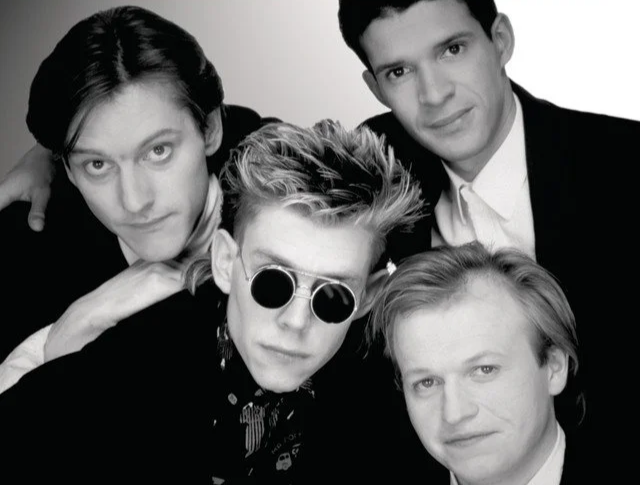
Level 42 - Something About You
"Something About You" is a song by the British band Level 42, released in 1985 as part of their album "World Machine." Written by band members Mark King and Phil Gould, the track showcases the band's distinctive blend of jazz-funk and pop, featuring catchy melodies, intricate bass lines, and polished production.
The song's lyrics convey themes of romantic longing and introspection, focusing on the complexities of love and attraction. It became one of Level 42's most successful hits, reaching high positions on various international charts. In the U.S., it peaked at number 7 on the Billboard Hot 100, making it one of their most recognized songs in North America.
"Something About You" is notable for its unforgettable chorus and bass-driven groove, which became a hallmark of Level 42's sound. The band’s energetic performance and Mark King's distinctive vocals helped solidify the song’s place in 80s music.
Over the years, "Something About You" has been covered by several artists and remains a staple in Level 42's live performances, continuing to resonate with fans of the era. Its blend of upbeat rhythms and heartfelt lyrics has ensured that it remains a classic in the pop and funk genres.
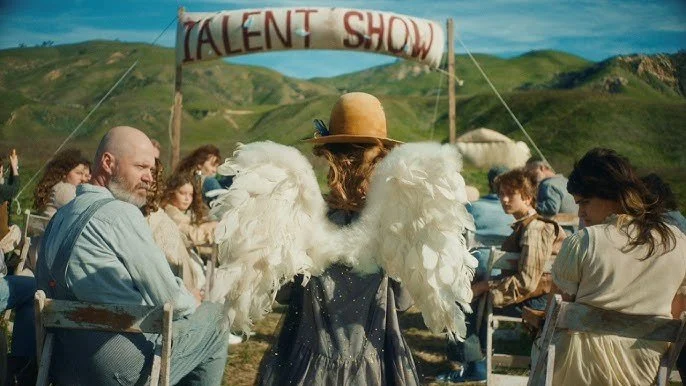
Linda Perry - Beautiful
“Beautiful” is a song written by Linda Perry and made famous by Christina Aguilera. It was released in 2002 on Aguilera’s album Stripped. Perry, who had previously been the lead singer of 4 Non Blondes, wrote the song as a deeply personal reflection on insecurity and self-acceptance. Originally, she intended to record it herself, but after hearing Aguilera sing the demo vocals, Perry felt that Aguilera’s emotional performance captured the heart of the song and decided it should remain in her hands. In 2026, Linda Perry released her own version to the delight of her fans.
“Beautiful” became one of Aguilera’s signature songs, praised for its stripped-down production and powerful message about inner beauty and resilience in the face of criticism. The ballad was especially impactful within LGBTQ+ communities due to its inclusive lyrics and music video, which portrayed individuals facing judgment and finding self-worth. The song achieved major commercial success worldwide and won a Grammy Award for Best Female Pop Vocal Performance in 2004. Over time, it has remained an enduring anthem of self-empowerment and is widely regarded as one of the most influential pop ballads of the early 2000s.

Linda Ronstadt – Goodbye My Friend
“Goodbye My Friend” by Linda Ronstadt is a deeply emotional ballad that tenderly explores themes of loss, farewell, and acceptance. Written by Karla Bonoff, the song is featured on Ronstadt’s 1989 album Cry Like a Rainstorm, Howl Like the Wind. With its gentle melody and heartfelt lyrics, it reflects on the fragility of life and the sorrow of parting, while also offering a sense of peace through cherished memories. Ronstadt’s poignant vocals capture the ache of saying goodbye, making the song a comforting tribute to those we've lost—a timeless reminder of the enduring bond between friends, even in the face of goodbye.

Linkin Park – In The End
Released in 2001 as part of Linkin Park’s groundbreaking debut album Hybrid Theory, “In the End” quickly became one of the most recognizable rock songs of the early 2000s. Fusing rap-rock with emotional depth, the track stands out for its haunting piano melody, Chester Bennington’s soaring vocals, and Mike Shinoda’s introspective rap verses. Its central message — the feeling of putting effort into something only for it to fall apart — struck a chord with a generation grappling with disillusionment and emotional struggle.
“In the End” captures a sense of futility and vulnerability, themes rarely addressed so directly in mainstream rock at the time. Lyrics like “I tried so hard and got so far, but in the end, it doesn’t even matter” became anthemic for fans dealing with personal setbacks. The song’s genre-defying style helped redefine what alternative music could be, blending elements of hip-hop, rock, and electronic music in a way that appealed to a broad audience.
Over two decades later, “In the End” remains one of Linkin Park’s most enduring tracks. Its emotional honesty and raw sound continue to resonate, cementing its legacy as a timeless anthem of resilience and reflection.
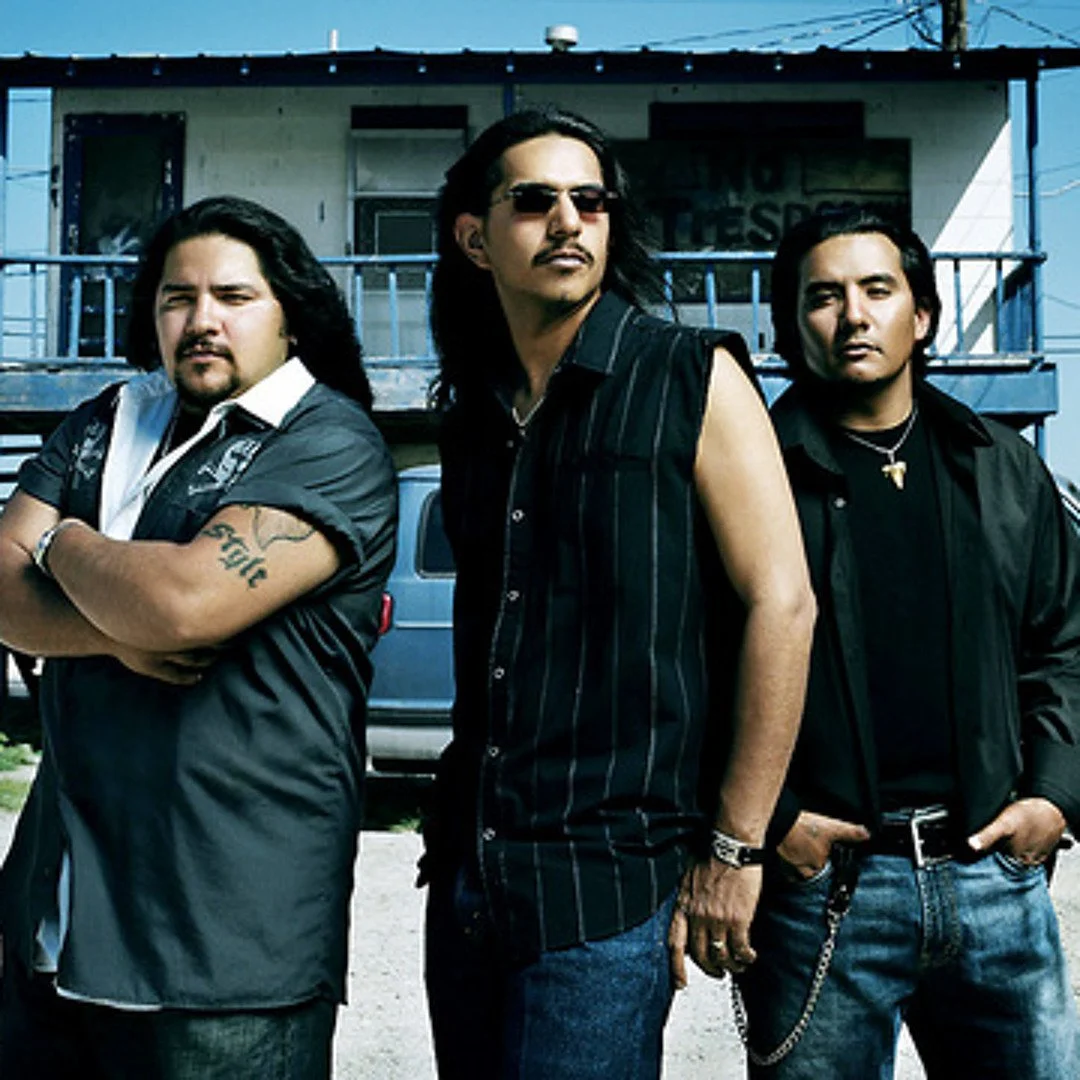
Los Lonely Boys - Heaven
"Heaven" is a song by the American rock band Los Lonely Boys, released as the lead single from their self-titled debut album in 2004. The track became their breakout hit, blending elements of rock, blues, and Tejano music to create a unique sound that resonated with a wide audience. Written by the band's members—brothers Henry, Jojo, and Ringo Garza—"Heaven" is a heartfelt song about love, faith, and longing. Its catchy melody, combined with soulful guitar riffs and the Garza brothers' harmonious vocals, helped the song become a commercial success.
"Heaven" reached number one on the Billboard Adult Contemporary chart and earned the band a Grammy Award for Best Pop Performance by a Duo or Group with Vocal in 2005. Its success also marked a significant moment for Los Lonely Boys, who had spent years performing in the Texas music scene before gaining national recognition. The song’s appeal lies not only in its musical fusion but also in its universal message of hope and searching for a better place, making it relatable to a wide range of listeners.
The song’s success was a key factor in the band's rise to fame, but it also helped establish them as a distinctive voice in the early 2000s music scene, blending rock and Latin influences in a way that few others were doing at the time. Over the years, "Heaven" has remained one of Los Lonely Boys’ most beloved songs, frequently featured in their live performances and continuing to hold a special place in the hearts of fans.
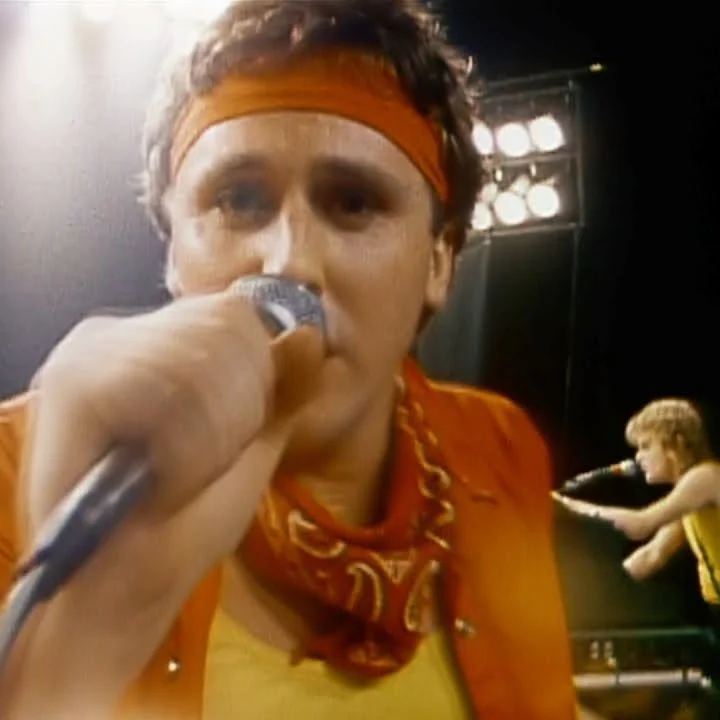


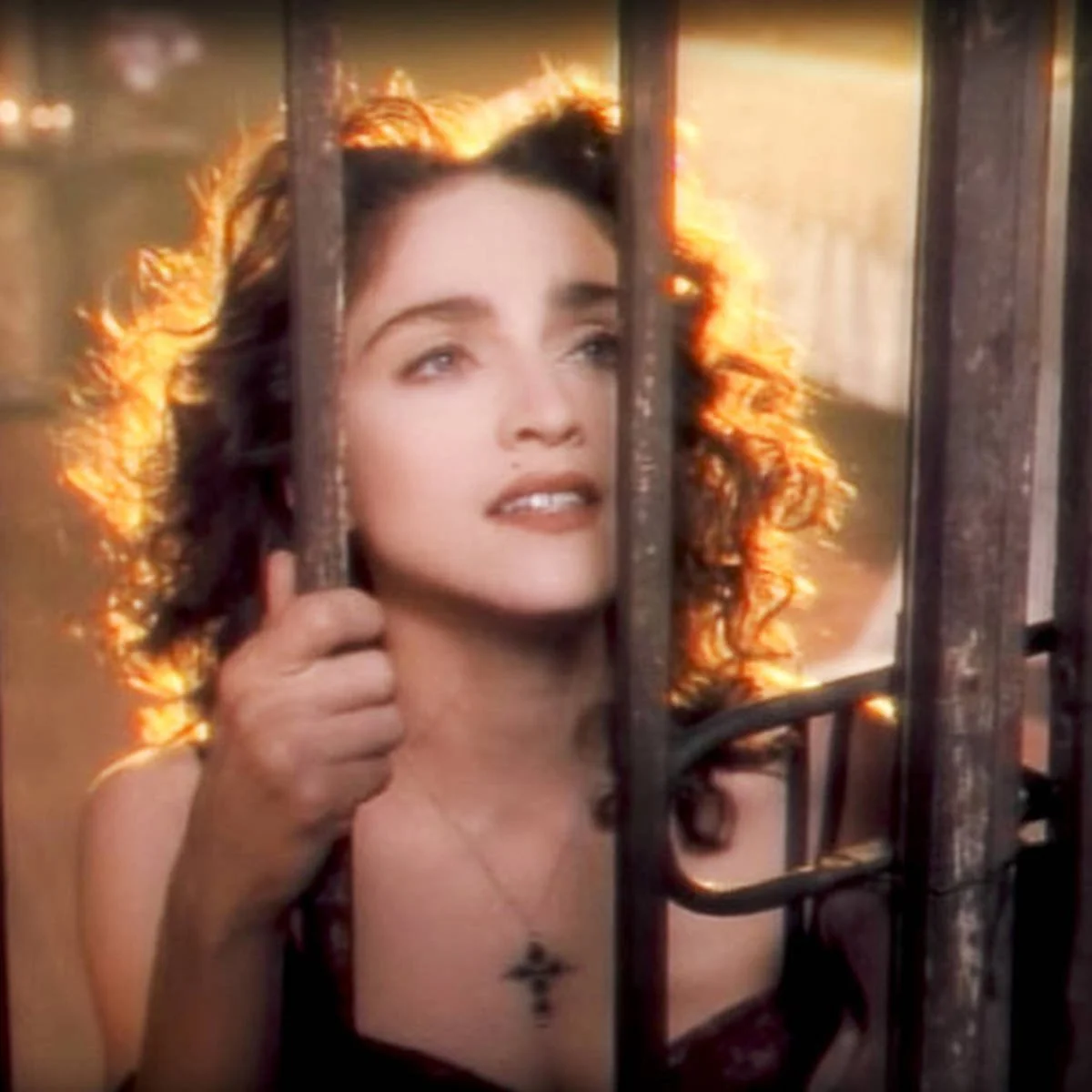
Madonna - Like A Prayer
"Like A Prayer" is a song by Madonna, released in 1989 as the title track from her fourth studio album. The song explores themes of spirituality, love, and redemption, intertwining religious imagery with personal reflection. It marked a significant evolution in Madonna's musical style, incorporating elements of gospel and pop.
The song's music video, directed by Mary Lambert, featured controversial imagery, including religious symbols and themes of racial discrimination. This sparked significant debate and backlash from religious groups upon its release, but it also highlighted Madonna's willingness to push boundaries and challenge societal norms.
"Like A Prayer" became one of Madonna's most acclaimed works, both commercially and critically, and is often regarded as one of her signature songs. Its impact has endured over the years, influencing numerous artists and remaining relevant in popular culture. The song was a commercial success worldwide, and its powerful message continues to resonate with audiences today.


Martha & The Vandellas - Dancing in the Streets
"Dancing in the Streets" by Martha and the Vandellas, released in 1964, is one of the most iconic songs of the 1960s and a defining example of the Motown sound. Written by Marvin Gaye, William "Mickey" Stevenson, and Ivy Jo Hunter, the song blends soul, R&B, and pop to create an upbeat, infectious anthem of unity and celebration. Its lyrics, urging people from cities across the United States to come together and dance, became a symbol of joy and solidarity, resonating with the social and political movements of the time, particularly the Civil Rights Movement. Although the song is a fun and energetic call for togetherness, it also carried an underlying message of hope and change. "Dancing in the Streets" became a massive commercial success, reaching #2 on the Billboard Hot 100, and has since been covered by several artists, including David Bowie and Mick Jagger in 1985. The song remains a timeless classic, celebrated for its powerful message and enduring cultural impact.

Marvin Gaye - What's Going On
"What's Going On" by Marvin Gaye is one of the most iconic songs in music history, released in 1971 as the title track of his album of the same name. The song tackles serious social issues, including poverty, war, racism, and the struggles of marginalized communities. It was inspired by Gaye's brother, who had just returned from the Vietnam War, as well as Gaye’s own growing awareness of social injustices in the world.
The song’s smooth, soulful melody contrasts with its heavy, introspective lyrics, and its introspective tone is what made it a groundbreaking track in the R&B and soul genres. "What's Going On" became a protest anthem and remains relevant today for its powerful message of compassion, understanding, and the need for social change.
