
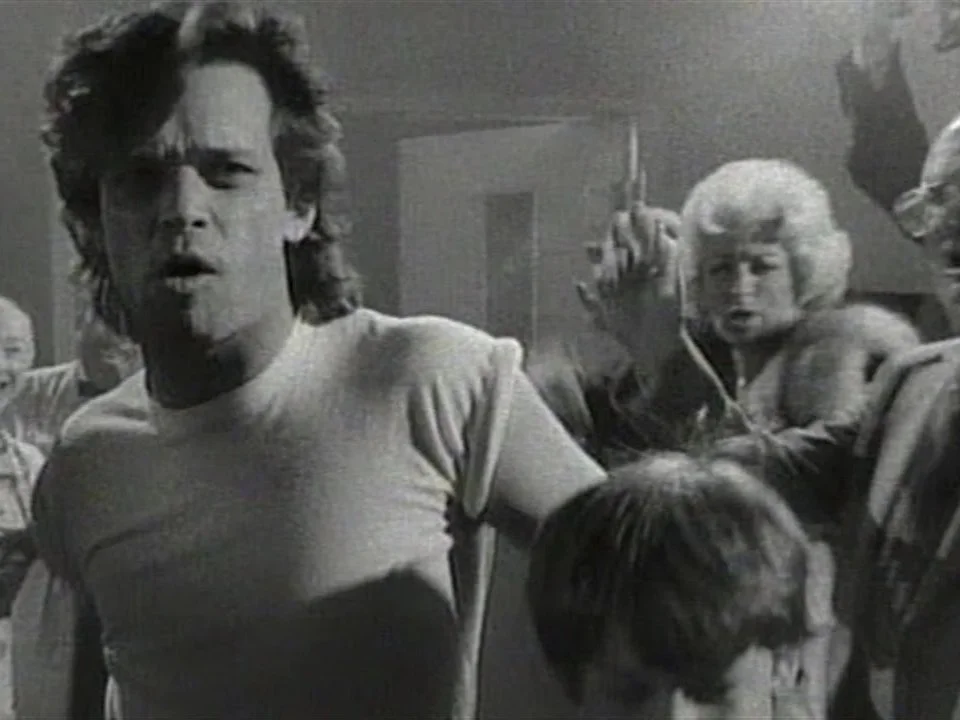
John Mellencamp - Authority Song
"Authority Song" is a track by John Mellencamp from his 1983 album "Uh-Huh." The song encapsulates a sense of youthful rebellion and speaks to the struggles against authority and societal expectations. Its catchy chorus and upbeat rock sound have made it an enduring anthem for those fighting against the constraints imposed by authority figures.
Mellencamp wrote the song during a period when he was grappling with his own experiences of adolescence and the pressures from adults and society. The lyrics highlight a sense of frustration with rules and restrictions, emphasizing the importance of individual freedom and self-expression.
The song was well-received and became one of Mellencamp's signature tracks, showcasing his ability to blend rock music with meaningful social commentary. Over the years, "Authority Song" has resonated with listeners who relate to its message of resistance and the quest for personal autonomy, making it a timeless piece in his discography.

Judy Garland - Have Yourself A Merry Little Christmas
"Have Yourself a Merry Little Christmas" is a beloved Christmas classic performed by Judy Garland. It was introduced in the 1944 film Meet Me in St. Louis, in which Garland played the role of Esther Smith. The song was written by Hugh Martin and Ralph Blane, and it quickly became one of the most enduring holiday tunes.
The original lyrics were somewhat melancholic, reflecting the bittersweet themes in the film, where Garland's character is trying to comfort her younger sister during a difficult time. The original version of the song includes the lines:
"Have yourself a merry little Christmas,
It may be your last.
Next year we may all be living in the past."
However, after the song became popular, the lyrics were revised to be more hopeful, particularly after Garland requested changes that made the song feel more optimistic. The revised lyrics (the version most commonly heard today) include:
"Have yourself a merry little Christmas,
Let your heart be light.
Next year all our troubles will be out of sight."
Garland's warm and heartfelt performance of the song in the film, accompanied by her emotional delivery, made it an instant classic. Over time, many artists have covered the song, including Frank Sinatra, who also recorded a version with slightly altered lyrics, as well as more modern renditions by artists like Sam Smith and Michael Bublé.
"Have Yourself a Merry Little Christmas" has remained a staple of Christmas music due to its nostalgic, heartfelt tone, and its ability to evoke both warmth and reflection, making it a favorite during the holiday season.


Keane - Somewhere Only We Know
"Somewhere Only We Know" is one of Keane's most iconic songs. Released as a single in 2004 from their debut album Hopes and Fears, the track became a major hit. It's known for its emotive piano melody and heartfelt lyrics, which explore themes of longing, nostalgia, and a desire to find a place where one can feel safe and understood.
The song has a timeless feel to it and has been used in various movies, TV shows, and commercials over the years. It also marked Keane's rise to fame, showcasing their unique blend of alternative rock and piano-driven pop. The powerful, soaring vocals of lead singer Tom Chaplin really add to the song's emotional depth.

Kendrick Lamar - Not Like Us
“Not Like Us” by Kendrick Lamar is a powerful diss track released on May 4, 2024, produced by DJ Mustard. The song directly targets Drake, escalating their long-standing feud with sharp accusations and cultural critique. Lamar blends West Coast beats with scathing lyrics, calling out Drake’s circle for alleged misconduct and questioning his authenticity in hip-hop. The track quickly became a cultural flashpoint, topping charts and earning Lamar five Grammy Awards, including Best Rap Performance. Its music video, co-directed by Lamar and Dave Free, highlights community pride and West Coast unity. “Not Like Us” is now seen as one of the defining moments in 2020s rap.

Kings Of Leon - Use Somebody
"Use Somebody" by Kings of Leon is a powerful anthem that blends emotional vulnerability with soaring rock instrumentation. Released in 2008 as part of their breakthrough album Only by the Night, the song captures themes of loneliness, longing, and the search for meaningful human connection. Lead singer Caleb Followill's raspy vocals deliver a raw, heartfelt performance, supported by echoing guitars and a building rhythm that gives the track its anthemic feel. Its universal message and memorable chorus helped the song become a massive commercial and critical success, earning multiple Grammy Awards and cementing Kings of Leon's place in mainstream rock.

LP - Lost On You
"Lost on You" by LP was released in 2015 as the title track of her album Lost on You, it became a breakthrough hit for LP, especially in Europe. The song is known for its emotional depth, with LP's raw, powerful vocals conveying heartbreak, regret, and the complexities of a love that's slipping away.
The lyrics are poignant and introspective, with a mix of vulnerability and defiance that resonates with many listeners. The way LP’s voice rises and falls throughout the song adds a sense of urgency and emotion, which is part of why it connects so deeply with people.
The blend of folk, rock, and indie pop elements in the production makes the song stand out as well. Plus, the music video is visually striking, with a mysterious, almost cinematic feel to it.


Lady Gaga and Bruno Mars - Die With A Smile
"Die with a Smile" is a song by Lady Gaga and Bruno Mars, released on August 16, 2024, through Interscope Records. The track was co-written and produced by Gaga, Mars, Dernst "D'Mile" Emile II, and Andrew Watt, with additional songwriting contributions from James Fauntleroy. The collaboration came about when Mars invited Gaga to his studio while working on new material. He played her the song in progress, and the two finished writing and recording it together on the same day. "Die With A Smile" is a song that explores themes of love, resilience, and the importance of embracing life's moments, even in the face of challenges. The lyrics convey a message of finding joy and meaning in relationships, suggesting that it's possible to hold onto positivity and gratitude, even as life changes. The collaboration between Gaga's powerful vocal delivery and Mars' smooth, emotional style creates a touching balance that resonates with listeners. Together, they celebrate the idea of living life fully and leaving a lasting impression through love and happiness.


Led Zeppelin - Moby Dick
"Moby Dick" is an instrumental track by Led Zeppelin from their 1969 album Led Zeppelin II. The song is best known for its powerful and lengthy drum solo by drummer John Bonham, showcasing his extraordinary skill, precision, and endurance. It begins with a heavy blues-inspired guitar riff by Jimmy Page, which quickly gives way to Bonham’s solo performance that dominates the rest of the track. During live concerts, "Moby Dick" would often extend for over 20 minutes, with Bonham sometimes playing parts of it with his bare hands. The track is a testament to Bonham’s legendary status as one of rock's greatest drummers and stands out as a unique piece in Led Zeppelin’s catalog for its focus on percussion and absence of vocals.


Leon Russell - A Song For You
"A Song For You" is a classic ballad written and originally recorded by Leon Russell in 1970. The song reflects themes of love, regret, and heartfelt sentiment, capturing the complexity of relationships. It showcases Russell's unique blend of rock, blues, and gospel influences. The song gained further popularity when covered by various artists, most notably by Ray Charles and Aretha Franklin. Each artist brought their own interpretation, contributing to the song's timeless appeal. Leon Russell himself has had a prolific career, collaborating with many legendary musicians and leaving an indelible mark on the music industry before his passing in 2016. "A Song For You" remains one of his most enduring works, resonating with listeners for its emotional depth and sincerity.

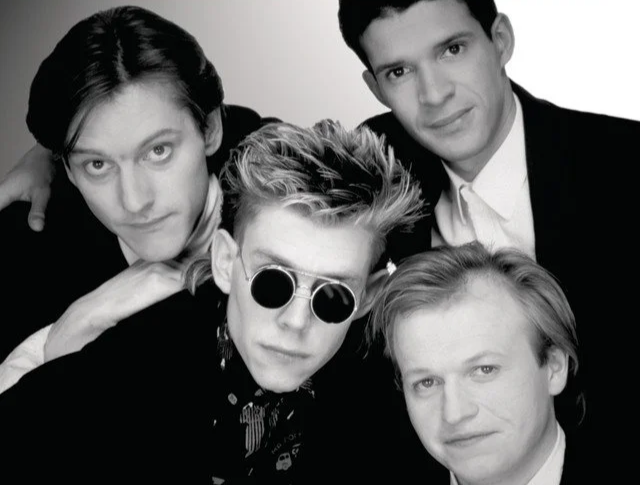
Level 42 - Something About You
"Something About You" is a song by the British band Level 42, released in 1985 as part of their album "World Machine." Written by band members Mark King and Phil Gould, the track showcases the band's distinctive blend of jazz-funk and pop, featuring catchy melodies, intricate bass lines, and polished production.
The song's lyrics convey themes of romantic longing and introspection, focusing on the complexities of love and attraction. It became one of Level 42's most successful hits, reaching high positions on various international charts. In the U.S., it peaked at number 7 on the Billboard Hot 100, making it one of their most recognized songs in North America.
"Something About You" is notable for its unforgettable chorus and bass-driven groove, which became a hallmark of Level 42's sound. The band’s energetic performance and Mark King's distinctive vocals helped solidify the song’s place in 80s music.
Over the years, "Something About You" has been covered by several artists and remains a staple in Level 42's live performances, continuing to resonate with fans of the era. Its blend of upbeat rhythms and heartfelt lyrics has ensured that it remains a classic in the pop and funk genres.

Linda Ronstadt – Goodbye My Friend
“Goodbye My Friend” by Linda Ronstadt is a deeply emotional ballad that tenderly explores themes of loss, farewell, and acceptance. Written by Karla Bonoff, the song is featured on Ronstadt’s 1989 album Cry Like a Rainstorm, Howl Like the Wind. With its gentle melody and heartfelt lyrics, it reflects on the fragility of life and the sorrow of parting, while also offering a sense of peace through cherished memories. Ronstadt’s poignant vocals capture the ache of saying goodbye, making the song a comforting tribute to those we've lost—a timeless reminder of the enduring bond between friends, even in the face of goodbye.

Linkin Park – In The End
Released in 2001 as part of Linkin Park’s groundbreaking debut album Hybrid Theory, “In the End” quickly became one of the most recognizable rock songs of the early 2000s. Fusing rap-rock with emotional depth, the track stands out for its haunting piano melody, Chester Bennington’s soaring vocals, and Mike Shinoda’s introspective rap verses. Its central message — the feeling of putting effort into something only for it to fall apart — struck a chord with a generation grappling with disillusionment and emotional struggle.
“In the End” captures a sense of futility and vulnerability, themes rarely addressed so directly in mainstream rock at the time. Lyrics like “I tried so hard and got so far, but in the end, it doesn’t even matter” became anthemic for fans dealing with personal setbacks. The song’s genre-defying style helped redefine what alternative music could be, blending elements of hip-hop, rock, and electronic music in a way that appealed to a broad audience.
Over two decades later, “In the End” remains one of Linkin Park’s most enduring tracks. Its emotional honesty and raw sound continue to resonate, cementing its legacy as a timeless anthem of resilience and reflection.