


Foxy Shazam - Oh Lord
Released in 2010, Foxy Shazam's "Oh Lord" is a powerhouse of a song that blends theatrical rock with unbridled energy. The track opens with a haunting piano melody that quickly builds into a frenetic anthem, driven by Eric Nally's electrifying vocals and the band's explosive instrumentation. Lyrically, "Oh Lord" explores themes of desire, redemption, and the intensity of human emotion. It's a rollercoaster of a song that captures the band's signature blend of glam, punk, and classic rock influences, showcasing their knack for creating music that's both exhilarating and deeply resonant. With its larger-than-life sound and impassioned delivery, "Oh Lord" stands as a testament to Foxy Shazam's ability to push the boundaries of rock music while delivering a memorable and electrifying listening experience.

Faith No More - Easy
"Easy" by Faith No More is a cover of the classic soul song originally performed by The Commodores. Faith No More released their version in 1992 as part of their album "Angel Dust." The band's rendition of "Easy" retains the smooth, mellow vibe of the original but incorporates their own alternative rock style, adding heavier guitar tones and a more modern production.
The cover was quite successful for Faith No More, receiving positive reviews and becoming one of their most recognizable tracks. It showcases Mike Patton's versatile vocal ability, as he delivers the song with soulful emotion while staying true to the band's alternative rock roots.
Overall, Faith No More's cover of "Easy" is a unique interpretation of a classic song that blends different musical styles and has left a lasting impact on both fans of the band and admirers of the original Commodores version.
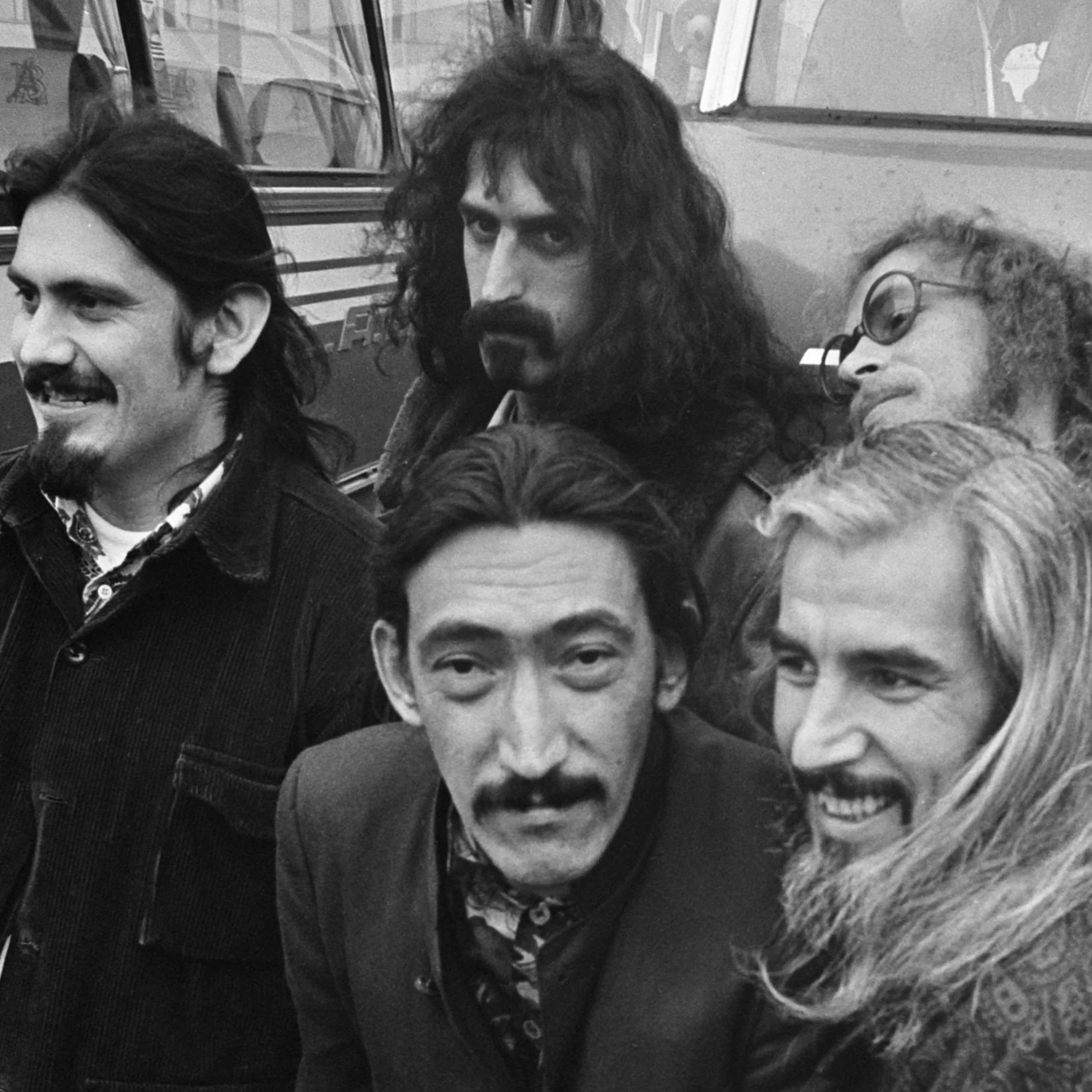
Frank Zappa and The Mothers of Invention - Trouble Every Day
“Trouble Every Day” is a song by Frank Zappa and The Mothers of Invention. It was originally released on their debut album Freak Out! in 1966. The song was written by Frank Zappa and reflects on the social unrest and racial tensions of the time, particularly focusing on the Watts riots in Los Angeles in 1965.
“Trouble Every Day” is characterized by its raw and confrontational lyrics, as well as its fusion of rock, blues, and avant-garde elements. The song features Zappa's biting social commentary and incisive observations on the state of society during the mid-1960s.
Despite its controversial subject matter, Trouble Every Day has been praised for its relevance and enduring significance. It remains a standout track in Frank Zappa's discography and is often cited as one of his most powerful and thought-provoking compositions.

Frijid Pink - House of the Rising Sun
"Frijid Pink" released their version of "House of the Rising Sun" in 1970 as part of their self-titled debut album. The song became their most famous and successful track, reaching the top ten on the Billboard Hot 100 chart in the United States. Frijid Pink's rendition of "House of the Rising Sun" is notable for its hard rock approach, featuring heavy guitar riffs and intense vocals that differ significantly from the folk and blues origins of the song. It remains a classic example of how rock bands of the era adapted traditional songs into their own style, contributing to the broader evolution of rock music in the late 1960s and early 1970s.
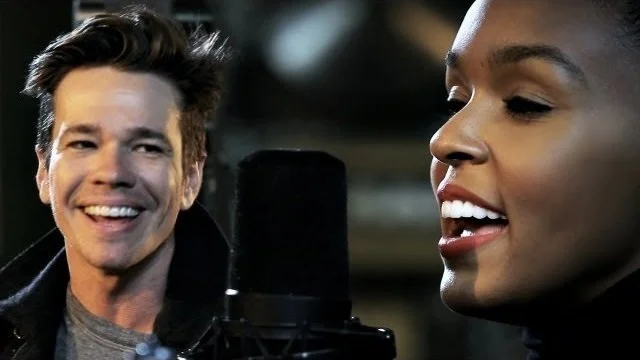


Five Stairsteps - O-o-h Child
"O-o-h Child" by Five Stairsteps is a soulful, uplifting anthem released in 1970 that became the group’s biggest hit. Written and produced by Stan Vincent, the song is known for its soothing melody and hopeful message, reassuring listeners that despite life’s hardships, “things are gonna get easier.” Its gentle harmonies and optimistic tone helped it become a timeless classic, resonating across generations. Often associated with themes of perseverance and healing, "O-o-h Child" has been featured in numerous films and television shows, including Guardians of the Galaxy, cementing its place in pop culture history.

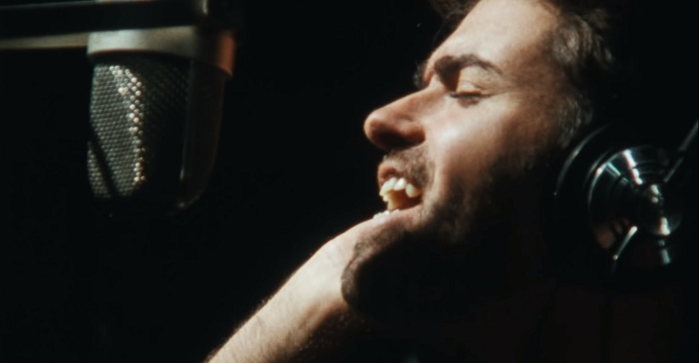
George Michael - Praying For Time
The song is a dark and somber reflection on social ills and injustice. George Michael stated that no event inspired the song, describing it as his way of trying to figure out why it's so hard for people to be good to each other. The song explores themes of poverty, hypocrisy, greed, and humanity's lack of compassion.
Michael explained the song addresses how the media has affected consciousness, teaching people that resources and time are running out, leaving almost no time for compassion.
"Praying for Time" was the first single from his second studio album, Listen Without Prejudice Vol. 1 (1990), spending one week at number one on the US Billboard Hot 100, making it Michael's seventh number one in the US and his last solo single to top the chart. It also reached number one in Canada.
The music video, directed by Michael Borofsky, didn't feature Michael as it only featured the lyrics of the song. This was part of Michael's effort to step away from celebrity and focus on the music itself. As a compromise with his label Columbia, Michael allowed a video where the song's words simply appeared in classy fonts against a black background — essentially creating one of the first lyric videos.
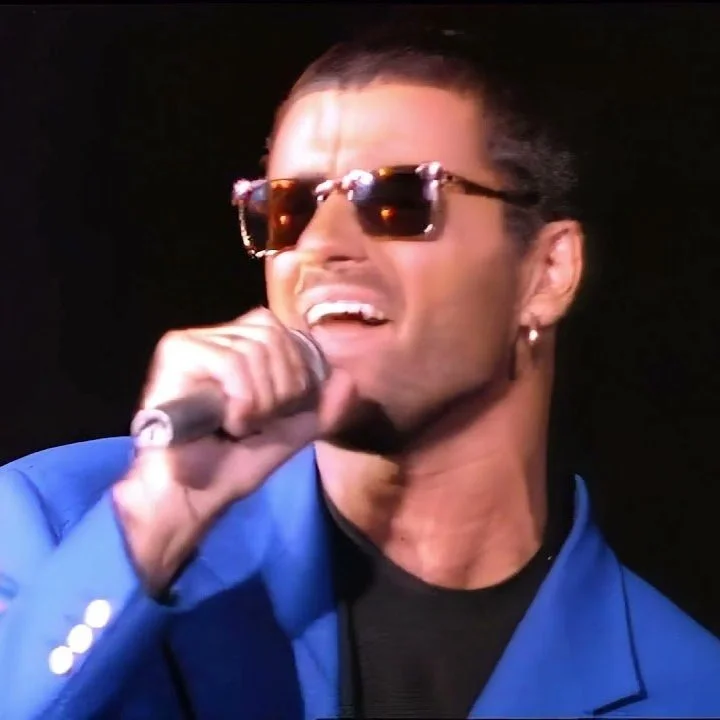
George Michael & Elton John - Don’t Let The Sun Go Down On Me
The live duet of "Don't Let the Sun Go Down on Me" by George Michael and Elton John is a memorable and emotional performance. It took place at the 1985 concert for the charity "Live Aid," which was held at Wembley Stadium in London. George Michael and Elton John came together to perform this classic ballad, which Elton John originally released in 1974. Michael's rich, soulful voice combined with Elton John's powerful piano performance created a rendition that was both stirring and poignant. The collaboration showcased their vocal chemistry and mutual respect, and it remains a highlight in both of their musical legacies. Their performance is often celebrated for its emotional depth and the way it captures the vulnerability and strength of the song. It’s a great example of how two legendary artists can come together to create something truly special.

Gladys Knight & the Pips - Midnight Train to Georgia
“Midnight Train to Georgia” by Gladys Knight & the Pips is a soulful ballad released in 1973 that tells a heartfelt story of love, sacrifice, and the pursuit of a simpler life. Written by Jim Weatherly and featured on the group’s album Imagination, the song follows a man who gives up his dreams of stardom in Los Angeles and returns to Georgia, with his devoted partner choosing to follow him. Gladys Knight’s powerful vocals, paired with the smooth harmonies of the Pips, bring emotional depth to the narrative. The song became a number-one hit on the Billboard Hot 100 and won a Grammy Award, solidifying its place as a classic in American soul and R&B music history.
Gladys Knight & the Pips Midnight Train to Georgia Lyrics
L.A proved too much for the man
(Too much for the man)
(He couldn't make it)
So, he's leaving the life he's come to know, oh
He said he's going back to find
(Going back to find)
What's left of his world
The world he left behind
Not so long ago
He's leaving (leaving)
On that midnight train to Georgia (leaving on a midnight train)
Hmm, yeah
Said he's going back (going back to find)
To a simpler place and time (and when he takes that ride)
Oh yes, he is (guess who's gonna sit right by his side)
And I'll be with him (I know you will)
On that midnight train to Georgia
(Leaving on a midnight train to Georgia)
I'd rather live in his world (live in his world)
Than live without him in mine (world, world)
(It's his, his and hers alone)
He kept dreaming
(Dreaming)
Oh, that someday he'd be a star
(A superstar, but he didn't get far)
But he sure found out the hard way
That dreams don't always come true (dreams don't always come true)
Oh no (uh-uh, no, uh-uh)
So he hung all his hopes
And he even sold his own car, hmm
Bought a one way ticket back
To the life that he once knew
Oh yes he did
He said he would
I know he's leaving (leaving)
On that midnight train to Georgia (leaving on a midnight train)
Hmm, yeah
Said he's going back to find, oh (going back to find)
A simpler place and time (and when he takes that ride)
(Guess who's gonna sit right by his side)
And, I'm gonna be with him (I know you will)
On that midnight train to Georgia
(Leaving on the midnight train to Georgia)
I'd rather live in his world (live in his world)
Than live without him in mine (world, world)
(It's his, his and hers alone)
Oh, he's leaving
(Leaving)
On a midnight train to Georgia
(Leaving on a midnight train)
Yeah, oh yo
Said he's going back to find
(Going back to find)
Oh, a simpler place and time (whenever he takes that ride)
(Guess who's gonna be right by his side)
I've got to be with him
(I know you will)
On that midnight train to Georgia
(Leaving on a midnight train to Georgia)
I'd rather live in his world (live in his world)
Than live without him in mine (world, world)
(Is his, his and hers alone)
one love
(All aboard) all aboard
A midnight train to ride
(One love) one love
(All aboard) all aboard
Gotta go on the midnight train to go (midnight train to go)
(One love) one love
(All aboard) all aboard
Aha, the midnight train to go (midnight train to go)
My world (one love)
His world (all aboard)
Our world, mine and his alone (midnight train to go)
My world (one love)
His world (all aboard)
Our world, mine and his alone (midnight train to go)
I've got to go (one love)
I've got to go (all abroad)
I've got to go (midnight train to go)
Hey
I've got to go (one love)
I've got to go (all abroad)
(Midnight train to go)
My world (one love)
His world (all aboard)
My man, his girl
I've got to go, I've got go
I've got to go


Green Day - American Idiot
“American Idiot” is a politically charged punk rock anthem by Green Day, released in 2004 as the title track of their album of the same name. The song critiques American society, especially the media, with its sharp commentary on conformity, blind patriotism, and consumerism. It encapsulates the band's disillusionment with the state of the nation, particularly in the aftermath of the Iraq War and the Bush administration. The fast-paced, aggressive sound of the song mirrors the frustration and anger conveyed in the lyrics, making it a rallying cry for those who felt out of touch with the mainstream narrative. Its catchy hook and rebellious spirit made it an anthem for a generation grappling with political and social tensions.


