
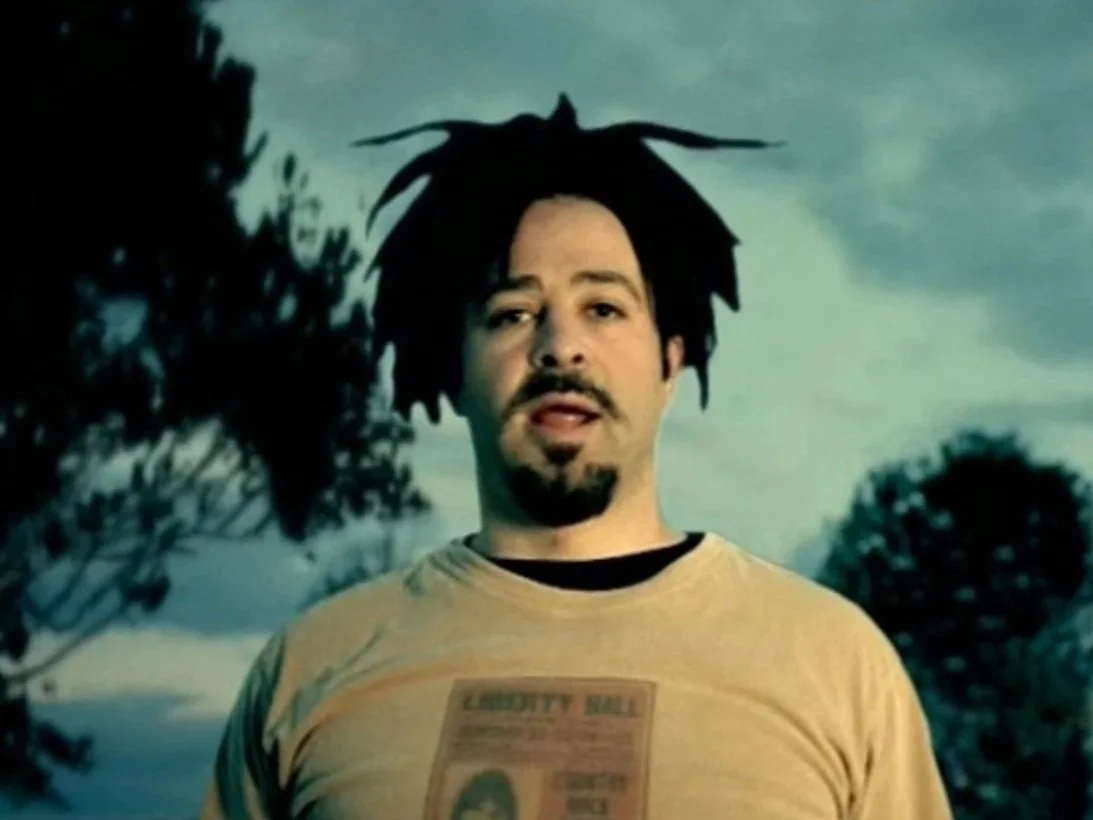
Counting Crows - She Don't Want Nobody Near
Counting Crows’ “She Don’t Want Nobody Near” is a song about emotional contradiction: its central character does not want people close because she feels exposed and uncomfortable around others, yet she also does not want to be alone. The song portrays this tension through images of people entering and leaving her life, while she tries to conceal her sadness behind excuses, denial, and the repeated insistence that she is all right. Written by members of Counting Crows and produced by Brendan O’Brien, the track was released as a single in 2003 from the band’s greatest-hits compilation Films About Ghosts (The Best Of...). It became especially successful on adult-oriented radio, reaching number one on the U.S. Adult Alternative Airplay chart and number twenty on the Adult Pop Airplay chart in 2004. Overall, the song reflects Counting Crows’ characteristic interest in loneliness, self-protection, complicated relationships, and the difficulty of admitting when someone is not truly okay.
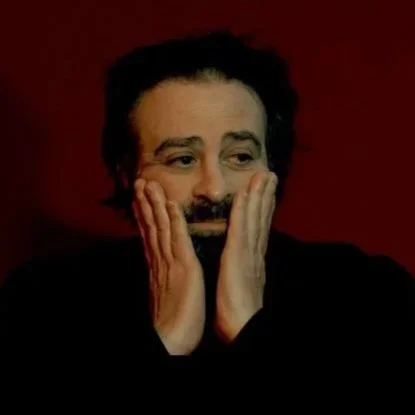
Counting Crows - Spaceman In Tulsa
"Spaceman In Tulsa" by Counting Crows is a song that reflects on themes of longing, nostalgia, and the search for connection amidst feelings of isolation. While the lyrics may not explicitly focus on a specific historical event, they evoke emotions tied to personal experiences and universal themes of hope and wonder.
The title references a fictional spaceman, symbolizing a longing to escape and find a different perspective on life, which can resonate with listeners who feel detached from their surroundings. The imagery often paints a vivid picture of a landscape that's both familiar and dreamlike, hinting at a narrative that connects personal history with the broader human experience.
The song ties into the band’s ability to blend storytelling with emotional depth, a hallmark of Counting Crows' music. It captures a moment in time that invites listeners to reflect on their own journeys, amidst the backdrop of life’s complexities. While it’s not explicitly historical, the themes and feelings presented in "Spaceman In Tulsa" can resonate across different eras and experiences.

Creedence Clearwater Revival - Fortunate Son
"Fortunate Son" by Creedence Clearwater Revival is a defiant anthem that became an emblematic protest song during the Vietnam War era. Released in 1969, the song's lyrics criticize the disparity in how privilege and wealth affected the draft during the war. John Fogerty's raw vocals and the band's gritty instrumentation drive home the message of frustration and disillusionment with the system.
The song's iconic guitar riff and energetic rhythm section provide a powerful backdrop for its politically charged lyrics. Fogerty's impassioned delivery condemns the hypocrisy of the privileged class who could avoid military service, contrasting sharply with those who were less fortunate and forced to serve. "Fortunate Son" resonated deeply with listeners during a turbulent time in American history, becoming a rallying cry for those opposed to the war and social injustice.
Decades later, the song remains a potent critique of inequality and remains relevant in discussions about class, privilege, and the responsibilities of citizenship. Its enduring popularity and cultural impact solidify "Fortunate Son" as one of Creedence Clearwater Revival's most enduring and influential songs.
Decades later, the song remains a potent critique of inequality and remains relevant in discussions about class, privilege, and the responsibilities of citizenship. Its enduring popularity and cultural impact solidify "Fortunate Son" as one of Creedence Clearwater Revival's most enduring and influential songs.
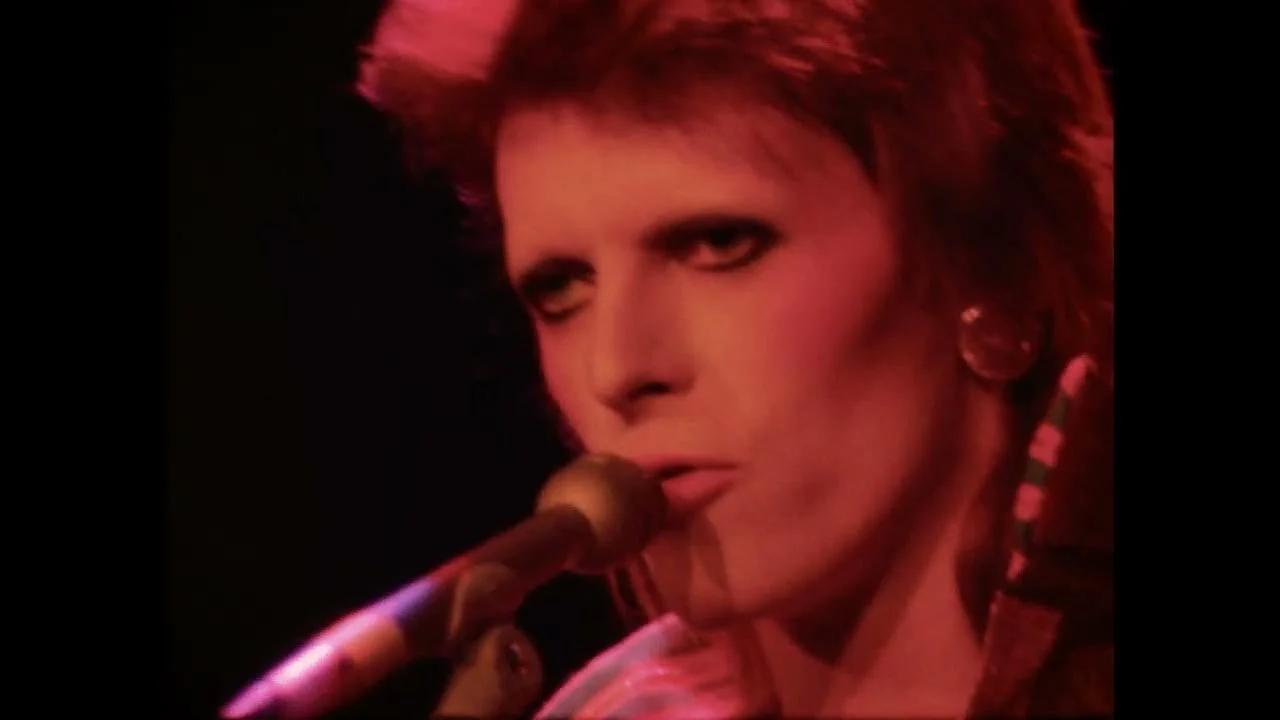
David Bowie - Changes
"Changes" is one of David Bowie's most iconic songs, featured on his 1971 album Hunky Dory. The song explores themes of transformation and the inevitability of change in life. With its catchy melody and reflective lyrics, it captures the essence of personal evolution and the struggles that come with it. The line "Ch-ch-changes" has become especially memorable, symbolizing Bowie’s embrace of change both in his music and in his life. The song remains a timeless anthem, resonating with listeners who find themselves facing transitions.

David Bowie - I'm Afraid of Americans
"I'm Afraid of Americans" was released by David Bowie in 1997 as part of his album "Earthling." The song reflects Bowie's experiences and observations of American culture during his travels. This period in his career was marked by a fascination with electronic music and jungle rhythms, which influenced the sound of the track.
The song was co-written with Brian Eno, a long-time collaborator of Bowie's, and it showcases a blend of rock and electronic elements. Its lyrics convey a sense of paranoia and discomfort associated with American society, capturing the cultural tensions of the time.
The track gained renewed prominence with the release of a remix by Nine Inch Nails' Trent Reznor, who also appeared in the accompanying music video. This version, released in 1998, further amplified the song's reach and introduced it to a new audience, cementing its place in both Bowie's and Reznor's discographies.
Over the years, "I'm Afraid of Americans" has been interpreted as a commentary on the darker sides of American culture, including consumerism, nationalism, and identity conflicts. Its themes remain relevant, engaging listeners with its critical perspective on globalization and cultural exchange. The song is often seen as one of Bowie's successful explorations of contemporary issues through his music.


David Bowie - The Man Who Sold The World
“The Man Who Sold the World” is a song by David Bowie, originally released as the title track of his 1970 album. It's one of Bowie's most iconic early songs, blending elements of rock, glam, and proto-heavy metal with a haunting, enigmatic narrative.
The song is often interpreted as exploring themes of identity, alienation, and existential crisis. The lyrics tell the story of a narrator who confronts a version of themselves that seems distant or unfamiliar, possibly symbolizing a loss of personal integrity or the feeling of being disconnected from one's true self. The central phrase, "the man who sold the world," could be understood as a metaphor for selling out, losing one's soul, or giving in to external pressures.
In terms of its musical style, the song features heavy guitar riffs and a driving rhythm, adding to its eerie and intense atmosphere. It marked a departure from Bowie's previous work and helped establish his ability to experiment with various genres and themes, a characteristic that would define his entire career.
In 1993, the song gained wider recognition when it was covered by Nirvana in their legendary MTV Unplugged performance, introducing it to a new generation of listeners. Bowie's version remains a fan favorite and is a key piece in his early discography.

Diana Ross And The Supremes - Reflections
"Reflections" is a classic song by Diana Ross and The Supremes, released in 1967. It was written by Holland–Dozier–Holland, the famous Motown songwriting and production team. The song features Ross on lead vocals with backing vocals from Mary Wilson and Cindy Birdsong.
"Reflections" became another hit for the group, reaching the top spot on the Billboard Hot 100 chart. It's known for its catchy melody, intricate harmonies, and soulful delivery, characteristic of The Supremes' signature sound. The song's lyrics speak about self-reflection and the passage of time, making it resonate with audiences across generations.
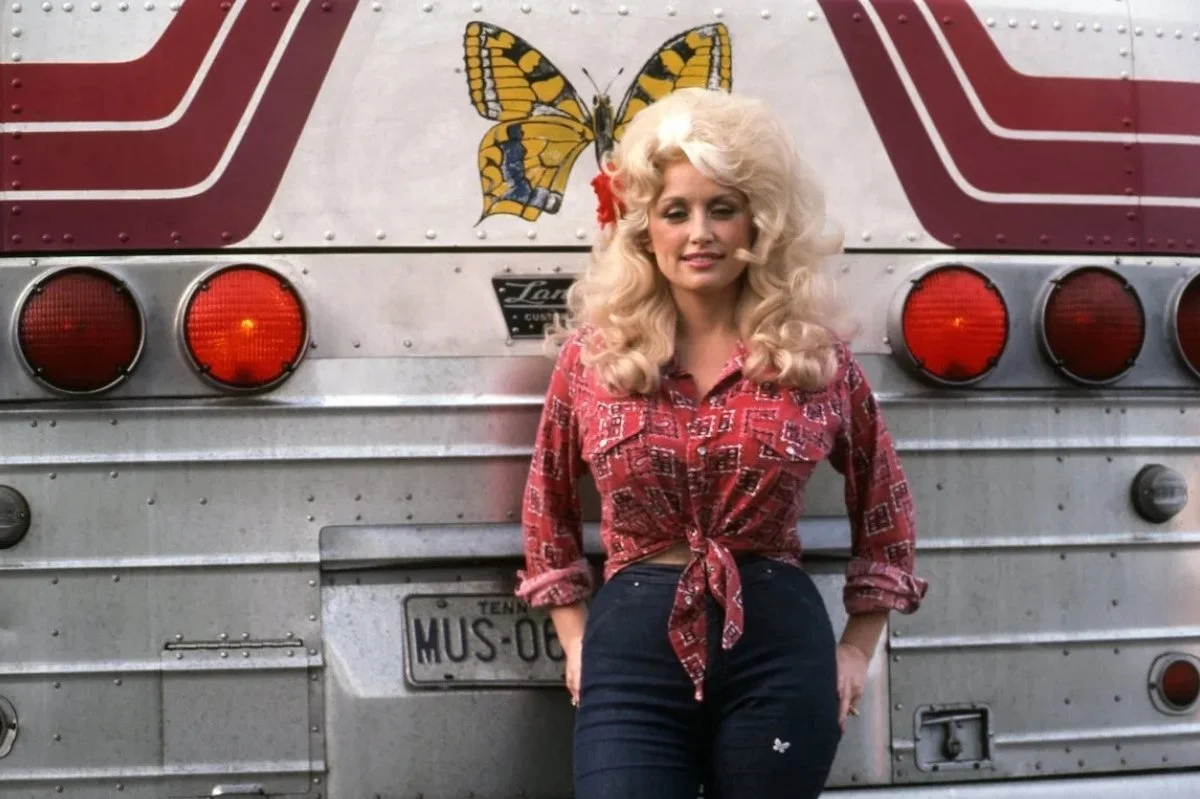
Dolly Parton - Here You Come Again
Dolly Parton’s “Here You Come Again” is a song about the emotional vulnerability that returns when an old lover reappears. Although the narrator has tried to regain her independence and move beyond the relationship, the person’s return quickly revives her feelings and weakens her determination to stay away. Written by Barry Mann and Cynthia Weil, the song was recorded by Parton and released in 1977 as the title track and lead single from her nineteenth solo studio album. Produced by Gary Klein and released through RCA Victor, it marked an important turning point in Parton’s career by presenting her in a polished country-pop style that appealed to both country and mainstream audiences. The single reached the top five of the Billboard Hot 100, while the album became Parton’s first platinum-certified record and achieved major commercial success. The song remains one of her signature recordings because it combines a bright, catchy arrangement with lyrics about the frustratingly powerful pull of a past romance.
Dolly Parton and Kenny Rogers - Islands In The Stream
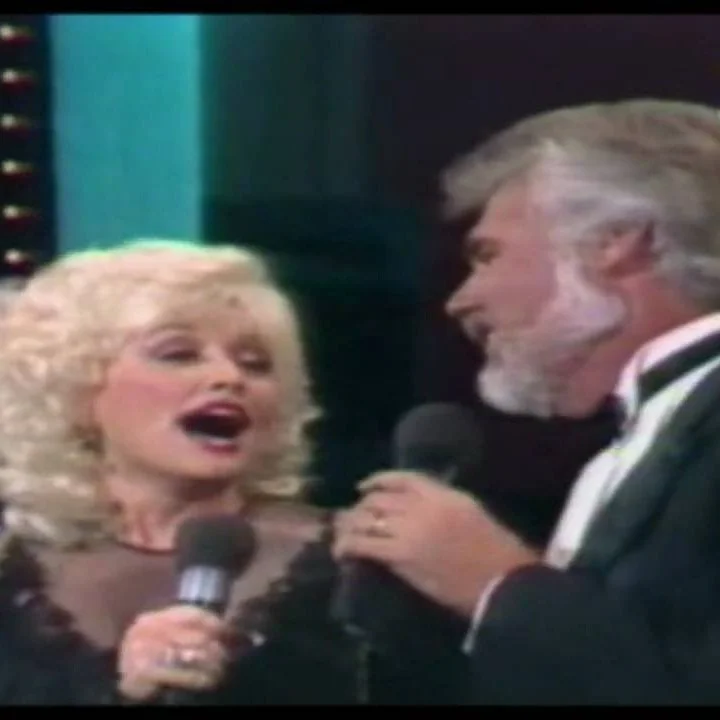
"Islands in the Stream" is a classic duet performed by Dolly Parton and Kenny Rogers. Released in 1983, it became one of their most iconic songs. The track was written by the Bee Gees and was named after the Ernest Hemingway novel. Its upbeat tempo and heartfelt lyrics reflect a deep connection between two people, evoking themes of love and devotion.
The song was well-received commercially and critically, reaching the top of the charts in multiple countries. It remains a beloved classic in the realm of country and pop music, remembered for the chemistry between Parton and Rogers and its timeless appeal.

Dolly Parton and Kenny Rogers - You Can't Make Old Friends
"You Can't Make Old Friends" is a poignant country ballad recorded by country music legends Kenny Rogers and Dolly Parton. Released on September 3, 2013, as the lead single and title track of Rogers’ 27th studio album, the song was written by Ryan Hanna King, Caitlyn Smith, and Don Schlitz—the latter of whom notably penned Rogers' 1978 signature hit, "The Gambler". The song serves as a profound, bittersweet reflection on lifelong loyalty, enduring friendship, and the irreplaceable nature of a bond forged over multiple decades. Musically, it layers their iconic, weathered vocals over a gentle arrangement of piano, acoustic guitar, and swelling strings. The track later found a home on Parton's 2014 solo album, Blue Smoke, and went on to earn the duo a 2014 Grammy Award nomination for Best Country Duo/Group Performance, marking their third career Grammy nomination together.
The history of the track is deeply intertwined with the actual 30-year friendship shared by Rogers and Parton, serving as the thematic bookend to their legendary 1983 multi-genre hit, "Islands in the Stream". When the songwriters pitched the track, Rogers immediately recognized it as the ultimate expression of his relationship with Parton, stating that out of everyone in the music business, she was his true best friend. The accompanying music video, which premiered on Good Morning America in September 2013, intersperses intimate studio footage with the two icons sitting together, reminiscing about their shared history and undeniable artistic chemistry. The narrative weight of the song grew exponentially when they performed it live for the final time during the 2017 "All In For The Gambler" farewell concert. Following Rogers' passing in 2020, Parton publicly reflected on the lyrics, noting how painful yet profoundly beautiful it had become to sing the track without him, cementing "You Can't Make Old Friends" as a timeless tribute to one of country music's most beloved partnerships.

Duran Duran - Save A Prayer
“Save A Prayer” is a song by the English new wave band Duran Duran. It was released in 1982 as the third single from their second studio album, "Rio." The song was written by the band's lead vocalist Simon Le Bon, keyboardist Nick Rhodes, guitarist Andy Taylor, bassist John Taylor, and drummer Roger Taylor.
“Save A Prayer” is known for its dreamy, atmospheric sound and romantic lyrics. It became one of Duran Duran's most popular and enduring songs, reaching the top ten in several countries, including the UK, where it peaked at number two on the UK Singles Chart.
The song's music video, directed by Russell Mulcahy, features the band performing in various exotic locations, including Sri Lanka, interspersed with scenes of a young woman exploring the city of Colombo. The video contributed to the song's success and helped establish Duran Duran's image as glamorous and adventurous pop stars.
Duran Duran - The Reflex
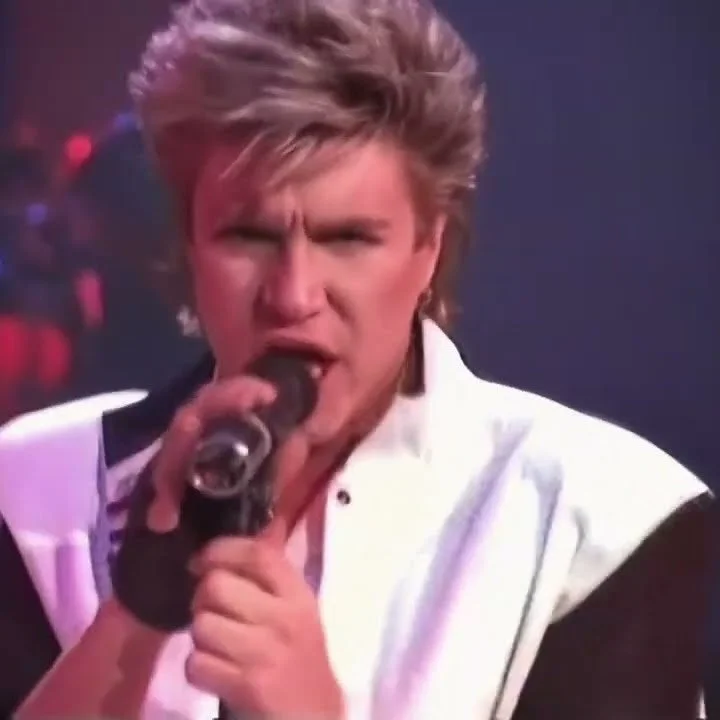
Duran Duran's "The Reflex" stands as a quintessential anthem of 1980s pop music, released in 1984 as a lead single from their album "Seven and the Ragged Tiger." Produced by Nile Rodgers of Chic, the song pulses with a dynamic blend of New Wave energy and funk influences, characterized by its infectious synthesizers and driving rhythms. The lyrics, with their enigmatic verses and catchy chorus, add to the song's appeal, inviting listeners to engage with its danceable groove and memorable hooks. "The Reflex" soared to the top of charts worldwide, showcasing Duran Duran's knack for creating polished pop gems that resonate both on the dance floor and in popular culture. With its stylish music video and the band's charismatic presence, "The Reflex" remains a timeless example of Duran Duran's impact on the music scene of the 1980s and beyond.

Echo & The Bunnymen - The Killing Moon
"The Killing Moon" by Echo & The Bunnymen is a haunting, atmospheric track released in 1984, widely considered one of the band’s masterpieces. With its lush string arrangements, moody guitar lines, and Ian McCulloch’s dramatic, brooding vocals, the song captures a sense of fatalistic romance and destiny. The lyrics, filled with poetic imagery—“Fate up against your will / Through the thick and thin”—evoke themes of love, inevitability, and cosmic influence. Often associated with the gothic and post-punk movements of the 1980s, the song’s timeless quality has kept it relevant, famously appearing in films like Donnie Darko. "The Killing Moon" remains a defining moment for Echo & The Bunnymen, encapsulating their moody elegance and emotional depth.

Eddie Cochran - Summertime Blues
Summertime Blues is a song written and recorded by American rockabilly artist Eddie Cochran. It was released in 1958 as a single and became one of Cochran's most well-known songs. The lyrics express frustration with various aspects of teenage life, particularly the restrictions placed on young people during the summer months. The song's catchy guitar riff and energetic delivery helped solidify Cochran's status as a rock and roll icon. Over the years, Summertime Blues has been covered by numerous artists and remains a classic of the genre.
Tragically, Cochran's life and career were cut short when he died in a car accident at the age of 21 while on tour in the United Kingdom. Despite his short time in the spotlight, his music continues to be celebrated by fans of all kinds of music around the world.

Electric Light Orchestra - Mr. Blue Sky
"Mr. Blue Sky" is a quintessential song by the British rock group Electric Light Orchestra (ELO), prominently featured on their seventh studio album, Out of the Blue (1977) . Penned and produced by the band's frontman, Jeff Lynne, the track serves as the fourth and concluding piece of the "Concerto for a Rainy Day" suite, which occupies side three of the original double album . Released as the second single from Out of the Blue, it achieved considerable commercial success, reaching number 6 on the UK Singles Chart and number 35 on the US Billboard Hot 100 . Its enduring popularity and frequent appearances in various television shows and films have led many to consider it the band's signature song .
The genesis of "Mr. Blue Sky" is rooted in a period of creative struggle and subsequent inspiration experienced by Jeff Lynne. He recounted in a BBC Radio interview that he had sequestered himself in a Swiss chalet, endeavoring to compose material for ELO's follow-up album to A New World Record . For two weeks, the weather remained persistently dark and misty, hindering his creative flow. However, a sudden and dramatic shift occurred when the sun emerged, revealing the breathtaking beauty of the Alps. This moment of clarity and joy proved to be a catalyst, inspiring Lynne to write "Mr. Blue Sky" and 13 other songs within the subsequent two weeks .
The song's arrangement is notable for its intricate layering and distinctive sonic elements. A prominent, cowbell-like sound, credited to percussionist Bev Bevan, was uniquely produced using a fire extinguisher . Dominic King, in a description for the BBC, highlighted the song's rich tapestry of influences, noting vocal inflections reminiscent of the Gibb Brothers and various Beatles' arrangement quotes, such as the bell from "Penny Lane," the panting from "Sgt. Pepper's Lonely Hearts Club Band," and the arpeggio guitars from "Abbey Road" . King further praised the
song's "bendy guitar solo, funky cello stop-chorus, and the most freakatastic vocoder since Sparky's Magic Piano." He described the overall effect as "Kitsch, yet truly exhilarating," particularly noting the "musical ambush on 'way' at 2.51" and the "Swingle Singers/RKO Tarzan movie/Rachmaninoff symphonic finale" . A heavily vocoded voice singing "Mr. Blue Sky" and the phrase "please turn me over" at the end (instructing listeners to flip the LP) are also distinctive features .
Critics have widely lauded "Mr. Blue Sky" for its innovative composition and homage to pop and rock influences. Donald A. Guarisco of AllMusic characterized it as a "miniature pop symphony" and a "multi-layered pop treat that was a pure Beatles pastiche." He drew parallels between the song's two-note hypnotic verses and "I Am the Walrus," and its effervescent chorus, also noting the staccato bassline reminiscent of "Hello Goodbye" and the pounding piano lines and panting background vocals akin to "A Day in the Life" . Music critic Nick DeRiso also identified several Beatles references, including "Maxwell's Silver Hammer" .
Billboard praised the song's "catchy" beat and its progression from a "thumping intro" to a "harmonic operatic" ending . Cash Box highlighted its "characteristically full sound and effective use of breaks," along with its "fast pace, airy singing and strings" that provide "musical dramatics" . Record World affirmed Jeff Lynne's legend as a writer and producer, emphasizing ELO's unique sound .
In contemporary assessments, Ultimate Classic Rock critic Michael Gallucci ranked it as ELO's best song, while Classic Rock History critic Brian Kachejian placed it as the second best, specifically commending the "bouncing piano groove at the beginning of the song" . Stereogum contributor Ryan Reed also rated it as ELO's second best, describing it as a "stand-alone art-pop epic, a sort of engorged 'Penny Lane' – built on stomping pianos, manic cowbell...and an octave-spanning choral vocal arrangement" . Jeff Lynne himself included "Mr. Blue Sky" among his nine favorite ELO songs in 2022 .
Elton John - American Triangle
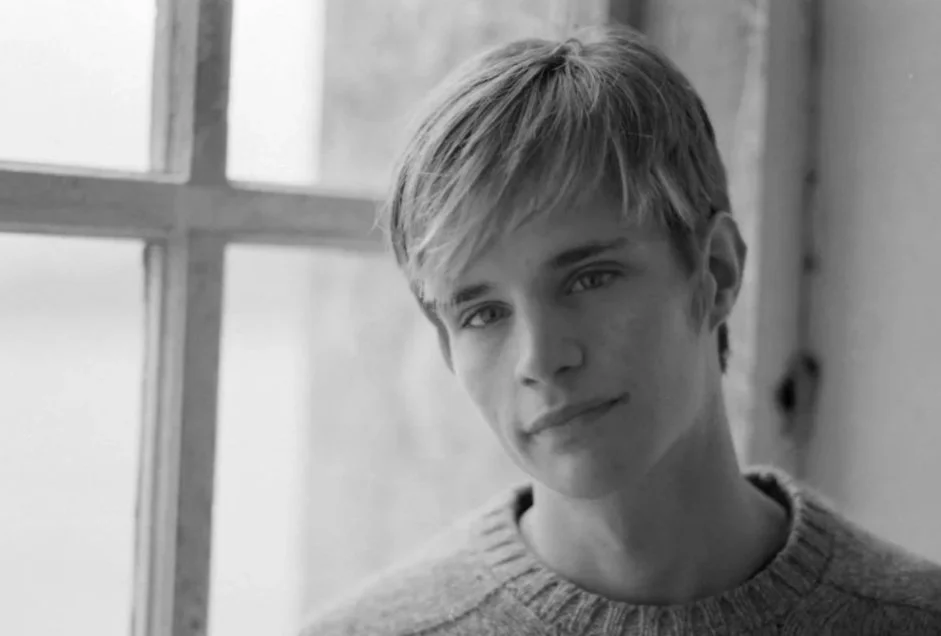
Matthew Wayne Shepard was a gay American student at the University of Wyoming who was beaten, tortured, and left to die near Laramie on the night of October 6, 1998. He was taken by rescuers to Poudre Valley Hospital in Fort Collins, Colorado, where he died from severe head injuries six days later.
“The first song that we actually wrote for the album and when Bernie gave me this lyric I knew that I had to write a great song because it's uh about the murder of Matthew Shepard which happened two years ago in Laramie, Wyoming in America and he was a 21-year-old gay student who was uh beaten up and left to die and um affected me incredibly I went to Laramie and I did a concert uh for four anti-hate groups and I met Matthew's parents and uh since then I've I've always wanted to write a song about this uh this event and this is the song called American Triangle.” Elton John.
This performance was recorded from Top Of The Pops 2 shown on 26th September 2001, originally recorded at Top Of The Pops in September 2001.
Elton John - American Triangle Lyrics
Seen him playing in his backyard
Young boy just starting out
So much history in this landscape
So much confusion, so much doubt
Been there drinking on that front porch
Angry kids, mean and dumb
Looks like a painting, that blue skyline
God hates fags where we come from
'Western skies' don't make it right
'Home of the brave' don't make no sense
I've seen a scarecrow wrapped in wire
Left to die on a high ridge fence
It's a cold, cold wind
It's a cold, cold wind
It's a cold wind blowing, Wyoming
See two coyotes run down a deer
Hate what we don't understand
You pioneers give us your children
But it's your blood that stains their hands
Somewhere that road forks up ahead
To ignorance and innocence
Three lives drift on different winds
Two lives ruined, one life spent
Elton John - Goodbye Yellow Brick Road
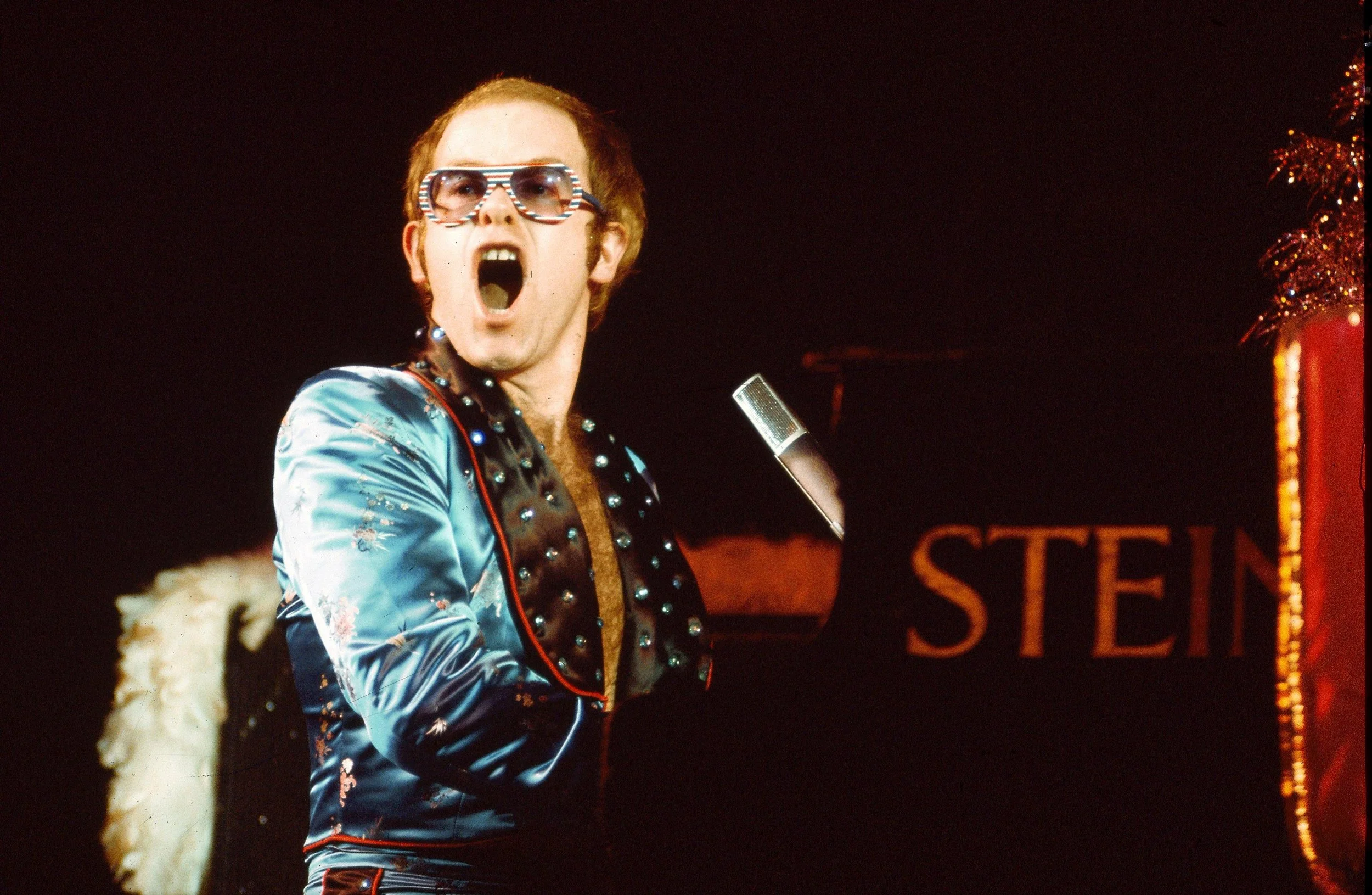
"Goodbye Yellow Brick Road" is a standout track from Elton John's 1973 album of the same name. The album was released at a pivotal moment in Elton John's career, as it followed the massive success of his previous album, "Don’t Shoot Me I’m Only the Piano Player."
The song was written by Elton John and his longtime collaborator Bernie Taupin. The lyrics reflect a sense of yearning and the desire to return to simpler, more authentic beginnings, contrasting the glitz and pressures of fame with the comfort of home. The "yellow brick road" metaphorically alludes to the journey and dreams people chase, often leading to unexpected and sometimes disillusioning destinations.
The song was critically acclaimed upon its release and has continued to be a staple in Elton John's repertoire. It showcases his ability to blend pop with rich storytelling, aided by a lush arrangement featuring piano, strings, and harmonious backing vocals. "Goodbye Yellow Brick Road" has remained a beloved classic, resonating with listeners through its reflective themes and unforgettable melody. Over the years, it has been covered by numerous artists and featured in various media, further solidifying its legacy in music history.