

The Doobie Brothers - Long Train Runnin'
“Long Train Runnin'“ is a song by The Doobie Brothers. It was released as a single in 1973 and later included on their album “The Captain and Me.” The song is known for its energetic and catchy guitar riff, and it became one of The Doobie Brothers' signature tracks. “Long Train Runnin'“ was written by Tom Johnston, who was a member of the band. The song's bluesy rock sound and memorable lyrics contributed to its success, making it a classic in the rock genre.
“Long Train Runnin'“ is one of those songs that you'll find yourself humming long after you've heard it. "Without love... where would you be now..." See, now you're already humming it !!

The Doobie Brothers - Takin' It To The Streets
"Takin' It to the Streets" is a classic song by The Doobie Brothers, released as a single in 1976. It's the title track from their album of the same name. The song marked a shift in the band's sound, incorporating more of a soul and R&B influence compared to their earlier rock and roll style. It features Michael McDonald on lead vocals, who had joined the band around that time and became a key contributor to their sound.
The track is known for its catchy rhythm, smooth vocals, and uplifting message. Its lyrics talk about taking action, being bold, and pushing forward in life—ideal for a road trip or any time you need a boost of energy.
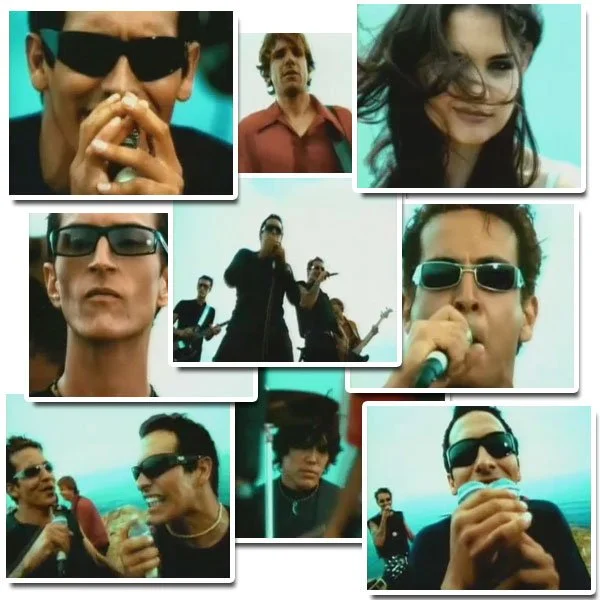
The Flys - Got You (Where I Want You)
“Got You (Where I Want You)” is the signature song by American rock band The Flys, released in 1998 on their debut album Holiday Man. The band, formed in Hollywood in 1994 by brothers Adam and Josh Paskowitz—sons of legendary surf figure Doc Paskowitz—created what would become their most successful track with producer Chris Goss. The song reached number five on the Billboard Modern Rock Tracks chart in December 1998 and also charted at number eight on Mainstream Rock, becoming a defining alternative rock hit of the late 1990s. According to frontman Adam Paskowitz, the song captures the desperate, awkward attempts men make when trying to pick up women in bars, inspired by a friend’s clumsy efforts to strike up a conversation with an attractive woman. The track gained additional exposure through its appearance on the soundtrack for the 1998 MGM film Disturbing Behavior, starring Katie Holmes and James Marsden, both of whom appeared in the music video. Critics praised the song’s “dark, Nirvana-esque pop” sound and its distinctive “rap-reggae breakdown,” with Spin magazine ranking it at number 28 on their list of the best alternative rock songs of 1998. The Flys went on indefinite hiatus in 2012 after releasing three albums, though the Paskowitz brothers briefly reunited the band in 2024 for festival performances in California.

The Hollies - He Ain’t Heavy, He’s My Brother
The phrase "He ain't heavy. He's my brother." has been cited in the written word dating back to the 1880's. The song has been covered most notably by "The Hollies," with a young Elton John working as a session musician at the time.
The song was originally recorded by a different band before The Hollies. It was first released by The Hollies in 1969, but the song was actually written by Bobby Scott and Bob Russell. The first recording of the song was by Kelly Gordon in 1969, followed closely by a version by Neil Diamond. The Hollies' rendition, however, became the most well-known and successful, reaching high positions on the charts and becoming a timeless classic.
Known for its powerful lyrics and soulful melody, which convey a message of unconditional love and support. The title phrase itself has become a well-known expression, symbolizing the willingness to carry the burdens of others, especially those we care about deeply. The song has resonated with listeners for decades, enduring as a classic that continues to touch hearts with its emotional depth and sincerity.


The Jeff Healey Band - Angel Eyes
“Angel Eyes” by The Jeff Healey Band is a blues-rock ballad that became the group’s signature song and biggest commercial success. Written by acclaimed songwriters John Hiatt and Fred Koller, the song was produced by Greg Ladanyi and appeared on the band’s debut album, See the Light, released in 1988 on Arista Records. The Toronto-based band, formed in 1985, featured the extraordinary guitarist Jeff Healey, who was blind from infancy due to eye cancer and developed a unique playing style by laying his guitar flat on his lap and pressing directly down on the fretboard. Released as a single in April 1989 in the United Kingdom and shortly after in the United States, “Angel Eyes” climbed to No. 5 on the Billboard Hot 100, spending 22 weeks on the chart and becoming the 70th-highest-selling single in the United States for 1989. The song’s success was significantly boosted by its inclusion in the 1989 film Road House, where Healey and his band appeared as the house band at the Double Deuce saloon alongside Patrick Swayze. The track showcased Healey’s emotive vocals and expressive guitar work, blending blues sensibility with soft rock accessibility. While it remains The Jeff Healey Band’s only major hit in America, the song has endured as a classic, later covered by Australian artist Paulini, whose version reached No. 1 in Australia in 2004. Healey continued performing until his death in 2008 at age 41 from lung cancer, leaving “Angel Eyes” as his most recognizable and enduring contribution to popular music.
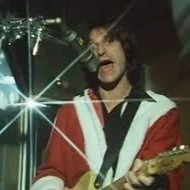
The Kinks - Father Christmas
"Father Christmas" is a Christmas song by the British rock band The Kinks, released in 1977 as a single. The song, written by lead singer and songwriter Ray Davies, is a departure from the traditional cheerful holiday music. It stands out for its more cynical and rebellious tone.
In "Father Christmas," the lyrics tell the story of a young boy who confronts Santa Claus, asking for money and presents. However, the song takes an unexpected twist when the child, rather than expressing joy and excitement, is frustrated by the commercialism of Christmas. The boy even tells Father Christmas to "give it to the poor" and expresses disillusionment with the idea of material gifts. The song also has a darker side, as the narrator describes being attacked by a group of "naughty" children who end up taking Santa's presents.
Despite its grittier and more rebellious approach, "Father Christmas" became a holiday favorite, especially among fans of rock music. The song's catchy melody, energetic performance, and sharp lyrics made it an anthem of sorts for those who see Christmas through a more critical lens, highlighting the commercialization and materialistic nature of the holiday.
While it was not initially a major chart hit, "Father Christmas" has since gained popularity and is now considered one of The Kinks' most iconic holiday songs. It remains a staple of alternative Christmas playlists and is beloved for its unique take on the festive season.

The Kinks - You Really Got Me
"You Really Got Me" by The Kinks stands as one of the most influential rock songs of the 1960s and a pivotal moment in the development of hard rock and heavy metal. Written by frontman Ray Davies and released as the band's third single in 1964, the song became the Kinks' breakthrough hit, establishing them as one of the top British Invasion acts in the United States. During the spring of 1964, Ray Davies initially conceived the song as a more laid-back, jazz-oriented number centered around a piano or saxophone line. However, when he played the chords to his younger brother Dave Davies, the Kinks' lead guitarist, Dave recognized that the riff would be much more powerful on guitar. This decision to transform the song into a guitar-centered track proved to be career-defining, as the resulting sound was radically different from anything the band had recorded before.
The recording process for "You Really Got Me" was fraught with tension and nearly didn't happen at all. The Kinks recorded the song at least twice in mid-1964, likely around June and July. The band's first full studio version was slower and less emphatic than the final single, with producer Shel Talmy covering the track in reverb that buried the lead guitar. The band was dissatisfied with this version and wanted to re-record it, but their record company Pye refused to fund another session since the band's first two singles had failed to chart. Ray Davies threatened that he would refuse to perform or promote the single unless it was re-recorded, and manager Larry Page also refused to publish the original recording. When Pye stood its ground, the band's own management broke the stalemate by funding the session themselves. The final version was recorded in July 1964, with session drummer Bobby Graham playing drums (despite Mick Avory having joined the band, Talmy didn't trust him and had him play tambourine instead). The song's revolutionary guitar sound came from Dave Davies' damaged amplifier, though the Davies brothers have disputed over the years exactly how the distortion was achieved—Ray claims he stuck knitting needles through the speaker, while Dave insists he sliced the amp's speaker cone with a razor blade.
The impact of "You Really Got Me" was immediate and far-reaching. Released in the UK on August 4, 1964, it climbed to number one on September 16, where it stayed for two weeks. When it first charted in the U.S. on September 26, 1964, it was already number one on the British pop charts, and it would reach number seven on the U.S. Hot 100. The song's novel use of power chords and distortion heavily influenced later rock musicians, particularly in the heavy metal and punk rock genres. Its raw, aggressive guitar riff became a template for countless rock songs that followed, and the track has been covered by numerous artists over the decades. Most notably, Van Halen recorded a new version of the song for their self-titled debut album in 1978, turning it into a Top 40 single all over again and helping spark a Kinks revival in the process. "You Really Got Me" remains a fundamental building block of rock music, representing the moment when the genre took a decisive turn toward heavier, more aggressive sounds.
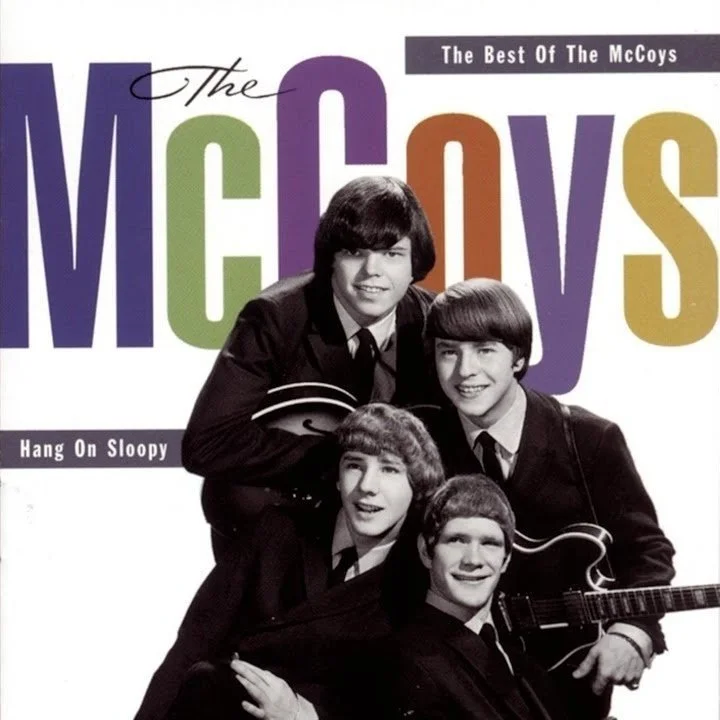
The McCoys - Hang On Sloopy
"Hang On Sloopy," performed by The McCoys and released in 1965, is a quintessential rock song that achieved widespread popularity for its infectious energy and memorable chorus. Written by Wes Farrell and Conny Van Dyke, the song tells the story of a girl named Sloopy, encouraging her to persevere and stay resilient despite life's challenges. The repetitive and catchy refrain, "Hang on Sloopy, Sloopy hang on," serves as both a rallying cry and a message of support. Musically, the song features a driving guitar riff and a vibrant tempo, emblematic of the mid-60s rock sound. Its cultural impact was further solidified when it became the official rock song of Ohio, due in part to its association with the Ohio State University Buckeyes. "Hang On Sloopy" remains a beloved classic rock anthem, celebrated for its lively spirit and enduring appeal.

The Police - Every Breath You Take
"Every Breath You Take" by The Police is a song that is often misunderstood as a romantic love song due to its melodic structure and the use of phrases like "every breath you take" and "every move you make." However, it actually explores the darker side of relationships, focusing on themes of obsession and surveillance. The lyrics, sung from the perspective of someone watching another person's every move, convey a sense of possessiveness and longing.
The song was written by Sting, The Police's lead vocalist and bassist, and was released in 1983 as part of their album "Synchronicity." It became one of their most famous and successful songs, topping the charts in multiple countries and winning Grammy Awards for Song of the Year and Best Pop Performance by a Duo or Group with Vocals.
Musically, "Every Breath You Take" features a distinctive guitar riff and a steady, hypnotic beat that enhances the song's atmosphere of obsession and introspection. Its enduring popularity has cemented it as a classic in pop music history, despite its complex lyrical themes.

The Police - King of Pain
“King of Pain” is a song by the English rock band The Police, released as the final single from their fifth studio album, “Synchronicity,” in 1983. The song was written by the band's lead vocalist and bassist, Sting.
“King of Pain” is characterized by its introspective lyrics, exploring themes of despair, isolation, and emotional turmoil. The song's verses vividly describe various forms of pain and suffering, while the chorus expresses a sense of resignation and acceptance. Musically, “King of Pain” features a haunting melody, driven by Sting's emotive vocals and Andy Summers' atmospheric guitar work. The song's intricate arrangement and atmospheric production contribute to its enduring appeal.
“King of Pain” achieved commercial success, reaching the top ten in several countries and becoming a staple of The Police's live performances. Its poignant lyrics and evocative melody have made it one of the band's most beloved songs, earning it a place as a classic in the rock genre.


The Strokes - Last Nite
"Last Nite" is from The Strokes' debut album, “Is This It”, which was released in 2001. It is a song that captures the essence of the early 2000s rock revival. The lyrics reflect themes of youth, disillusionment, and the complexities of relationships. The narrator expresses feelings of frustration and longing, often conveying a sense of vulnerability. The catchy guitar riffs and upbeat tempo contrast with the introspective lyrics, creating a powerful dynamic. Overall, the song embodies a rebellious spirit and the struggles of finding one's place in a chaotic world, making it a defining track of the era.

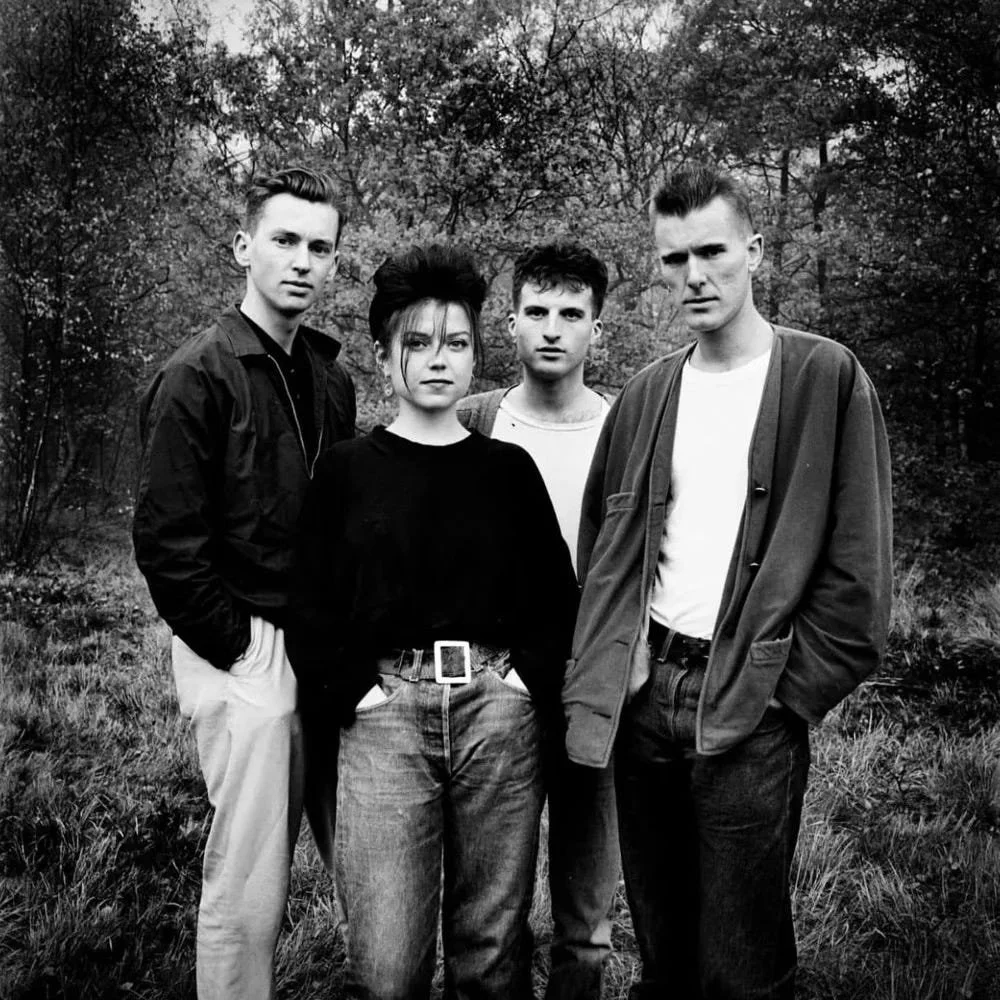
The Sundays - Here's Where The Story Ends
"Here's Where The Story Ends" is a song by The Sundays, released in 1990 as part of their debut album, "Reading, Writing and Arithmetic." The song showcases the band's signature jangly guitar sound, reflective lyrics, and the ethereal vocals of lead singer Harriet Wheeler.
The track stands out for its introspective and melancholic vibe, exploring themes of nostalgia, love, and the passage of time. It captures a sense of yearning and vulnerability, which resonated with listeners at the time and continues to do so today.
The Sundays formed in 1988 in the United Kingdom and quickly gained traction with their blend of alternative rock and dream pop. "Here's Where The Story Ends" became one of their most popular songs, helping them secure a place in the early 90s alternative music scene. The song received significant airplay on college radio and was well-received by critics, contributing to the band’s enduring legacy in the genre.
Despite their success, The Sundays didn't release a large number of albums; they followed up with "Blind" in 1992 and "Static and Silence" in 1997, but disbanded soon after. The band's sound and Wheeler's distinctive voice have influenced many artists in the indie and alternative genres over the years, ensuring that "Here's Where The Story Ends" remains a beloved classic.
