

The Bangles - Hazy Shade of Winter
“Hazy Shade of Winter” by The Bangles is a powerful rock cover of Simon & Garfunkel’s 1966 folk-rock single “A Hazy Shade of Winter,” originally written by Paul Simon. In 1987, the Bangles were approached to record a song for the soundtrack of the film Less than Zero, and they recorded a cover in a hard rock style, which they had been performing live as early as 1982. With no time to write something new, they decided to cover the song, which they played on stage soon after they formed in 1981. The band had a personal connection to the track—Susanna Hoffs remembered being instantly drawn to the song from the moment she heard it on K-EARTH 101, an oldies station, and thought she was a Simon & Garfunkel aficionado but had somehow missed that “badass folk-rock song” of theirs.
Powered by distorted electric guitars, tight vocal harmonies, and a pulsing rhythm section, the Bangles’ version amps up the urgency of the original, with producer Rick Rubin helping dial in a rawer edge. This was a rare occurrence in Bangles songs as they mostly had just one member singing lead. Instead, all four members sang together throughout most of the track, creating a richer, more layered sound. Due to pressure from their record label, the Bangles removed the verse from the original song that contained the line “drinking my vodka and lime.”
When released as a single in November 1987, “Hazy Shade of Winter” became a huge hit, surpassing the popularity of the original version, peaking at number 2 on the Billboard Hot 100 and number 11 in the UK. The original Simon & Garfunkel version had only reached number 13 on the Billboard Hot 100 in 1966. The Bangles’ electrified interpretation transformed the melancholic folk meditation on lost time and fading ambition into an urgent, high-energy rock anthem that resonated with late-1980s audiences. The song remains one of The Bangles’ signature tracks and has been featured in Stranger Things, The Umbrella Academy, and American Crime Story, among others, and was covered by Gerard Way in 2019. Lead singer Susanna Hoffs named “Hazy Shade of Winter” as her favorite Bangles song ever in a 2021 interview.

The Bangles - Manic Monday
Manic Monday by The Bangles was the first single released from their second studio album, Different Light in 1986, and became a instant classic. With its infectious melody and relatable lyrics about the dread of facing another workweek, it's a song that resonates with so many people. Originally written by Prince (under the pseudonym Christopher), the song perfectly captures that feeling of longing for the weekend to continue just a little bit longer. The upbeat tempo and catchy melody contrast nicely with the lyrics about the struggles of facing the workweek.

The Beach Boys - God Only Knows
"God Only Knows" by The Beach Boys is widely regarded as one of the most beautiful and emotionally powerful songs in popular music history. Released in 1966 on the groundbreaking album Pet Sounds, the song features a delicate arrangement of strings, French horn, and layered harmonies that complement its introspective lyrics. The song explores themes of love, vulnerability, and devotion with a maturity that was unusual for pop music at the time. Its opening line, "I may not always love you," is surprisingly stark, but it sets the stage for a deeper expression of unconditional love—acknowledging uncertainty while affirming deep emotional reliance. With its innovative production and poetic lyrics, "God Only Knows" continues to resonate with listeners, capturing the fragile and transcendent nature of love in a way few songs have matched.


The Beatles - Get Back
"Get Back" by The Beatles stands as one of the most significant singles of 1969 and represents the band's attempt to return to their rock and roll roots during a turbulent period. The song began as a satirical and critical look at attitudes towards immigrants in Britain, with Paul McCartney intending to parody the negative attitudes that were prevalent among politicians and the press. However, the final version evolved into a more straightforward rock song with fictional characters. The genesis of "Get Back" dates to the morning of January 7, when Paul introduced the song prior to John's arrival, a moment captured in the later documentary series. Written by McCartney, though credited to Lennon-McCartney, John Lennon described "Get Back" as "a better version of Lady Madonna. You know, a potboiler rewrite". The song was recorded during the January 1969 sessions at Twickenham Film Studios and later at Apple Studios, which were being filmed for what would eventually become the Let It Be documentary.
The recording featured a notable addition to The Beatles' lineup. It was the only Beatles single to include an accompanying artist's name, crediting "Get Back/Don't Let Me Down" to "The Beatles with Billy Preston", who played electric piano on the track. The Beatles performed "Get Back" as part of their rooftop performance on the roof of Apple Studios in Savile Row, London, on 30 January 1969. During the third performance, which marked the end of the rooftop performance, the Beatles were interrupted by the police, who had received complaints from office workers nearby, but Harrison insisted they finish the song. This impromptu concert would become one of the most iconic moments in rock history and served as The Beatles' final public performance together.
The commercial success of "Get Back" was immediate and impressive. On 11 April 1969, Apple Records released "Get Back" as a single in the UK, and it held the number one position for six weeks, becoming the first Beatles single to enter the official UK singles chart at the top. In the US, "Get Back" hit number one, where it stayed for five weeks, becoming the band's 17th number one song on Billboard, matching Elvis Presley's previous record of 17 number ones. Apple launched a print ad campaign for the song with the slogan "The Beatles as Nature Intended," indicating that the sound of "Get Back" harked to the group's earlier days. The song later appeared on the Let It Be album in 1970, which became the band's final studio album release following their breakup, cementing "Get Back" as both a return to basics and a poignant farewell to the group's remarkable career.


The Beatles - I've Got A Feeling
"I've Got a Feeling" by The Beatles is a lively and energetic song that blends two separate compositions by John Lennon and Paul McCartney. It's known for its raw rock sound and infectious optimism. Lennon's part is more bluesy and introspective, while McCartney's section is upbeat and hopeful. The song was featured on the Beatles' final studio album, "Let It Be," released in 1970, although most of the album's tracks were recorded in early 1969. The Beatles famously performed "I've Got a Feeling" on the rooftop of the Apple Corps building in London on January 30, 1969. This rooftop concert, often referred to as the "Rooftop Concert," was their last public performance as a group. They played several songs from their "Let It Be" album to a surprised and delighted crowd gathered on the streets below. The performance of "I've Got a Feeling" on the rooftop is particularly memorable for capturing the band's raw energy and musical chemistry, as well as the historical significance of the moment as one of The Beatles' final live performances together.
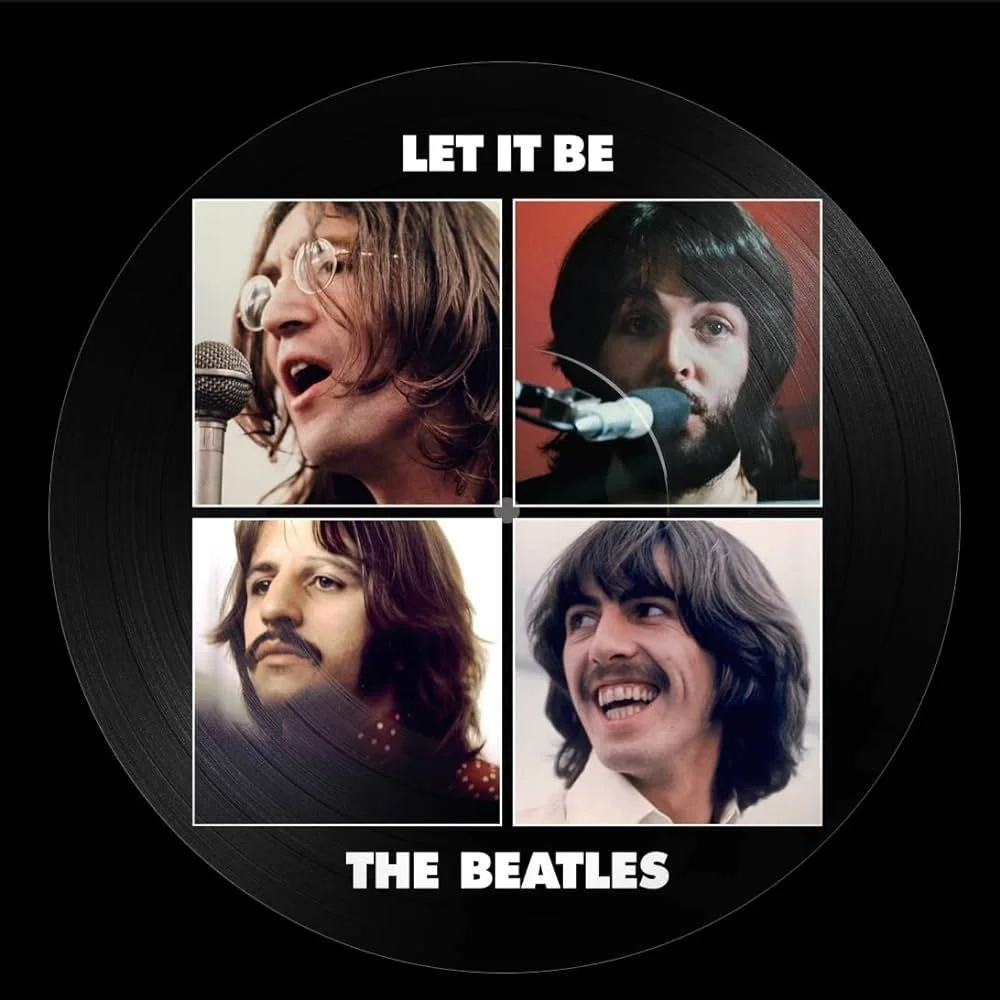
The Beatles - Let It Be
"Let It Be" is one of The Beatles' most iconic songs, written by Paul McCartney and released as the title track of their final studio album in 1970. The song was inspired by a dream McCartney had about his late mother, Mary, who passed away when he was 14. In the dream, she provided reassurance during a difficult time, which led to the comforting message of the lyrics. The recording of "Let It Be" was part of a tumultuous period for The Beatles, as tensions among band members were rising. The song features a blend of rock and gospel elements, showcasing McCartney's melodic prowess. It was released as a single in March 1970, shortly before the album, and quickly became a chart-topping hit. The song's themes of acceptance and finding peace resonated with many people, making it a timeless anthem of hope. Over the years, "Let It Be" has been covered by numerous artists and remains a significant part of popular music history. The accompanying film, also titled "Let It Be," captures the band's final days and the creative process behind the album.

The Beatles - Octopus’s Garden
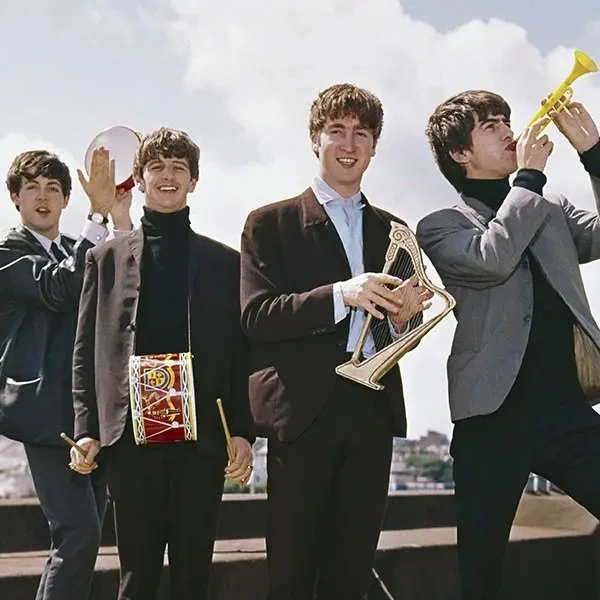
Octopus's Garden was written and sung by Ringo Starr. George Harrison, who partnered with him on the song, reportedly commented: "Octopus's Garden is Ringo's song. It's only the second song Ringo has ever written, mind you, and it's lovely."
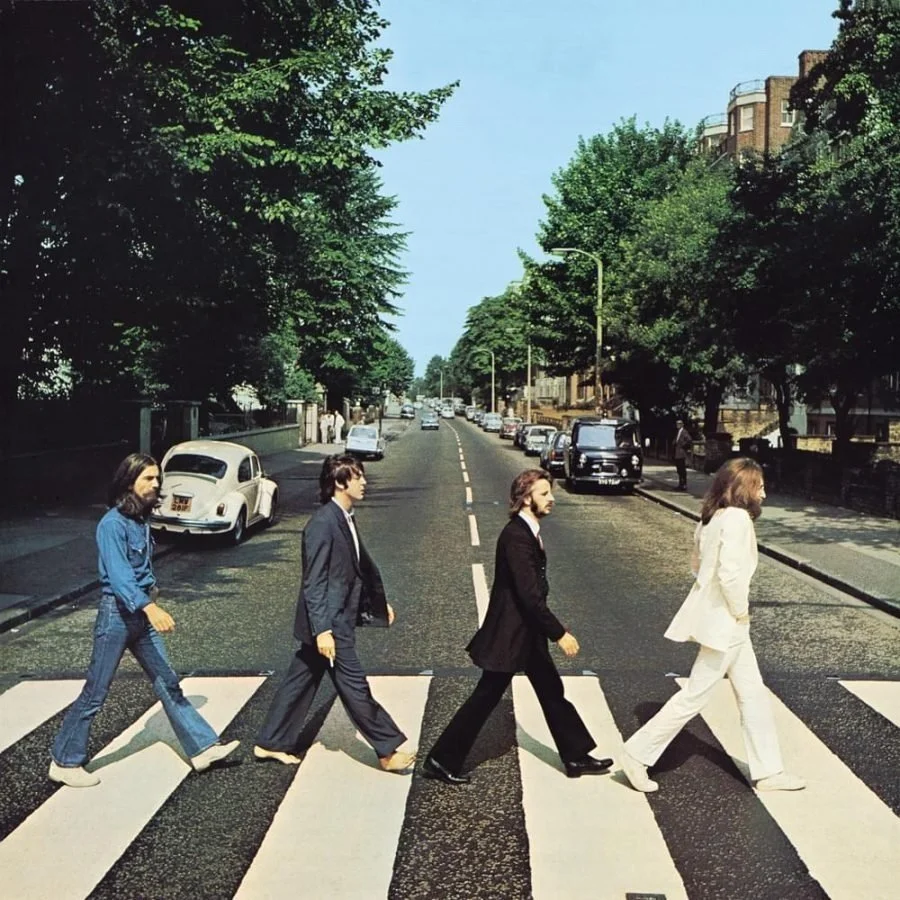
It was released on their 1969 album Abbey Road, though it was recorded earlier in 1969. The track is notable for its whimsical, lighthearted nature and is one of the few Beatles songs entirely written by Ringo.
The inspiration for "Octopus's Garden" came from a trip Ringo took to Sardinia in 1968. He went on a boat trip with a local fisherman who told him about the underwater gardens that octopuses build, which sparked the idea for the song.
The song's lyrics depict a fantasy where the singer wishes to live in an octopus's garden beneath the sea, a peaceful and carefree environment, away from the worries of the world. Musically, it features a catchy, upbeat melody and is often remembered for its childlike innocence and joyful vibe.
While it may not have had the same cultural impact as some of the band's more famous songs, "Octopus's Garden" remains a beloved track among fans, especially because of its gentle, almost meditative tone. The song also stands out as one of the few Beatles songs written and sung by Ringo, making it a bit of a rarity in their catalog.

The Beatles - Penny Lane
"Penny Lane" by The Beatles is a classic track that captures the vibrant, whimsical essence of Paul McCartney's childhood neighborhood in Liverpool. Released as a single in 1967 and featured on the "Magical Mystery Tour" album, the song is known for its catchy melody, vivid lyrics, and orchestral arrangement.
The song paints a nostalgic picture of a lively street filled with various characters and scenes. It’s a delightful snapshot of everyday life that highlights McCartney's talent for storytelling and his ability to bring his memories to life through music.
The track is also notable for its use of brass and a piccolo trumpet solo, which add a unique and memorable touch to the song. It’s one of The Beatles' most enduring and beloved tracks, showcasing their creativity and ability to capture the essence of a time and place in a way that's both personal and universal.

The Beatles - Twist And Shout
"Twist and Shout" is one of The Beatles' most energetic and iconic songs. The Beatles covered it on their 1963 album Please Please Me, and it quickly became one of their defining tracks.
Originally though, The Top Notes, an American R&B group, released and were best known for their 1961 hit "Twist and Shout." Interestingly, their version of the song predates The Isley Brothers' and The Beatles' more famous renditions. The Top Notes recorded "Twist and Shout" under the guidance of producer Phil Spector, who was just beginning to develop his famous "Wall of Sound" production style at the time. Though their version of "Twist and Shout" didn't become a huge hit, it laid the groundwork for the more successful versions that followed. The Top Notes themselves didn't have a long-lasting career, but they were part of the early wave of soul and R&B music that influenced later artists. Their take on "Twist and Shout" has a rawer, more bluesy feel compared to the more polished renditions that would follow.
What makes The Beatles' version so memorable is John Lennon's raw, gritty vocal performance, which was recorded with him in a near-shattered voice after a long day of recording. Despite that, his delivery added a certain edge to the song, giving it even more power. The song itself is fast-paced, full of youthful energy, and has an undeniable danceable rhythm that encouraged listeners to get up and twist along.
The track was also one of the first major hits for The Beatles in the United States, contributing to their meteoric rise during the British Invasion.

The Beatles - When I'm Sixty-Four
From their 1967 album Sgt. Pepper's Lonely Hearts Club Band, “When I’m Sixty-Four” is a playful and nostalgic tune written by Paul McCartney (though often credited to the Lennon/McCartney partnership).
The lyrics imagine a future where the singer and their partner are older, pondering whether their love will last as they age. The line "When I get older, losing my hair, many years from now" evokes a sense of sentimentality and humor as it looks ahead to growing old together.
It's a classic example of McCartney's ability to write catchy melodies paired with thoughtful, sometimes whimsical lyrics.
The Black Crowes - She Talks To Angels
“She Talks to Angels” is a song by The Black Crowes, featured on their debut album, "Shake Your Money Maker," released in 1990. The song was written by the band's frontman, Chris Robinson, and it reflects themes of love, loss, and the struggles of addiction. In the song, the narrative revolves around a woman who communicates with angels and seems to be dealing with her inner demons and possibly addiction. The lyrics evoke a sense of melancholy and longing, which resonates with listeners. The song became one of the band’s most popular tracks and contributed significantly to their rise in the rock genre during the early '90s. Its soulful melodies and emotional depth showcase The Black Crowes' blend of Southern rock and blues influences, establishing them as a notable act during that era. The song continues to be a classic, often covered and recognized for its impactful storytelling and hauntingly beautiful sound.

The Chainsmokers and Coldplay - Something Just Like This
"Something Just Like This" is a collaborative single by American electronic music duo The Chainsmokers and British rock band Coldplay. The song was released in February 2017 and is part of The Chainsmokers' debut album, "Memories…Do Not Open."
The track combines elements of both electronic and rock music, blending The Chainsmokers' signature production style with Coldplay's melodic and anthemic sound. "Something Just Like This" became a commercial success, topping charts in various countries and gaining widespread popularity for its catchy chorus and uplifting vibe.
The collaboration between The Chainsmokers and Coldplay brought together different musical genres, attracting fans from both electronic and rock music backgrounds. The song's success solidified its place as a crossover hit and a prominent track in the pop music landscape.

