

Stevie Wonder - Someday At Christmas
"Someday at Christmas" is a song written and performed by Stevie Wonder, originally released in 1966 on his album Someday at Christmas. The song has since become a beloved holiday classic. Unlike many traditional Christmas songs, it carries a deep message of hope, peace, and social change.
The song's lyrics express a wish for a future where the world is free from war, poverty, and injustice, particularly during the holiday season. It is a powerful reminder that the spirit of Christmas can be about more than just celebration — it can also be a call for unity and compassion.


Supertramp - Take the Long Way Home
“Take the Long Way Home” by Supertramp is a classic rock song from their 1979 album Breakfast in America. The song is known for its catchy melody, poignant lyrics, and distinctive blend of rock and pop elements. It was written and composed by the band's co-founder, Roger Hodgson, who also provided the lead vocals. The song's introspective lyrics explore themes of loneliness, longing, and the search for meaning in life, while the music features memorable piano and saxophone solos, characteristic of Supertramp's signature sound. “Take the Long Way Home” remains one of the band's most enduring and beloved tracks, continuing to resonate with listeners around the world.

Sylvia - Nobody
"Nobody" is a song written by Kye Fleming and Dennis Morgan, and recorded by American country music artist Sylvia. It was released in June 1982 as the second single from the album Just Sylvia.
The song was first recorded in 1982 by Sylvia, who was already a country music star, achieving a #1 hit and 2 other top tens in 1981. "Nobody" was her second and final Billboard #1 country hit.[1] The song was so successful, it crossed over to the Billboard Hot 100 charts, debuting on August 21, 1982 (the week the song dropped from #1 Country) and peaking at #15 in November.[2] "Nobody" spent 20 weeks on the chart; earned a gold record; and was also a top five Adult Contemporary hit.
The song turned young Sylvia into a star on both sides of the charts. Although she gained country-pop success with "Nobody", she never achieved another crossover hit, or for that matter, another Billboard Country Singles #1 hit. The song became Sylvia's signature song and got nominated for a Grammy Award in 1983 for Best Female Country Vocal Performance. It also helped her take home the Academy of Country Music (ACM) award for Top Female Vocalist of 1982, a category for which she was never even nominated by the Country Music Association (CMA). The title also received the BMI Song of the Year (1983) award for receiving the most radio airplay.

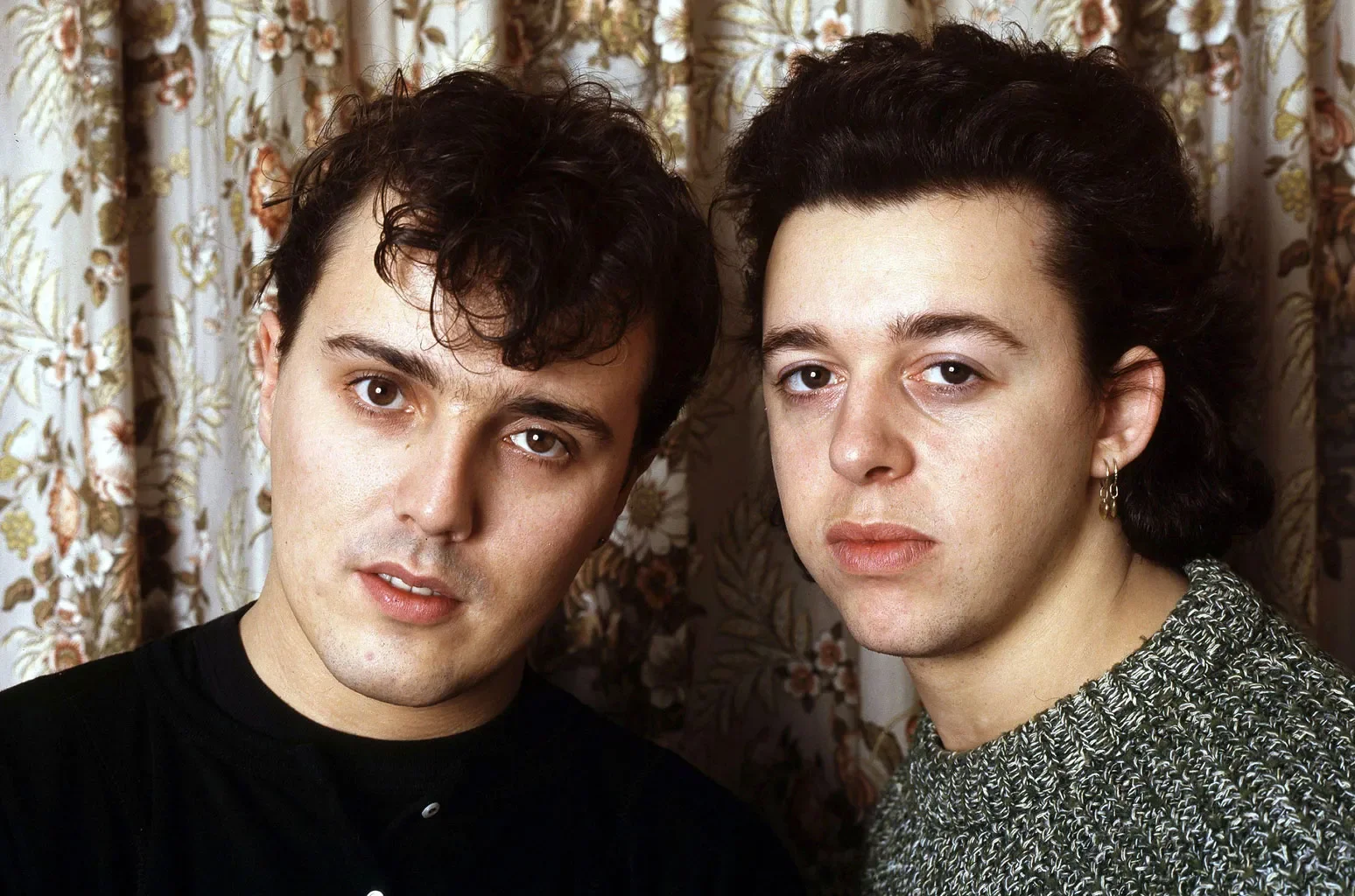
Tears For Fears - Everybody Wants To Rule The World
Tears For Fears - Everybody Wants To Rule The World
"Everybody Wants to Rule the World" is a song by the British band Tears for Fears, released in 1985 as part of their second album, "Songs from the Big Chair." Written by band members Roland Orzabal and Curt Smith, the song became one of their biggest hits, known for its catchy melody and thought-provoking lyrics that explore themes of power, ambition, and the human experience.
The song features a blend of rock and new wave elements, with its iconic guitar riffs and synthesizer backing. It topped the charts in multiple countries and remains a defining track of the 1980s. Over the years, "Everybody Wants to Rule the World" has been covered and referenced in various media, solidifying its status as a classic. The song's enduring appeal is a testament to its relatable message and memorable composition.
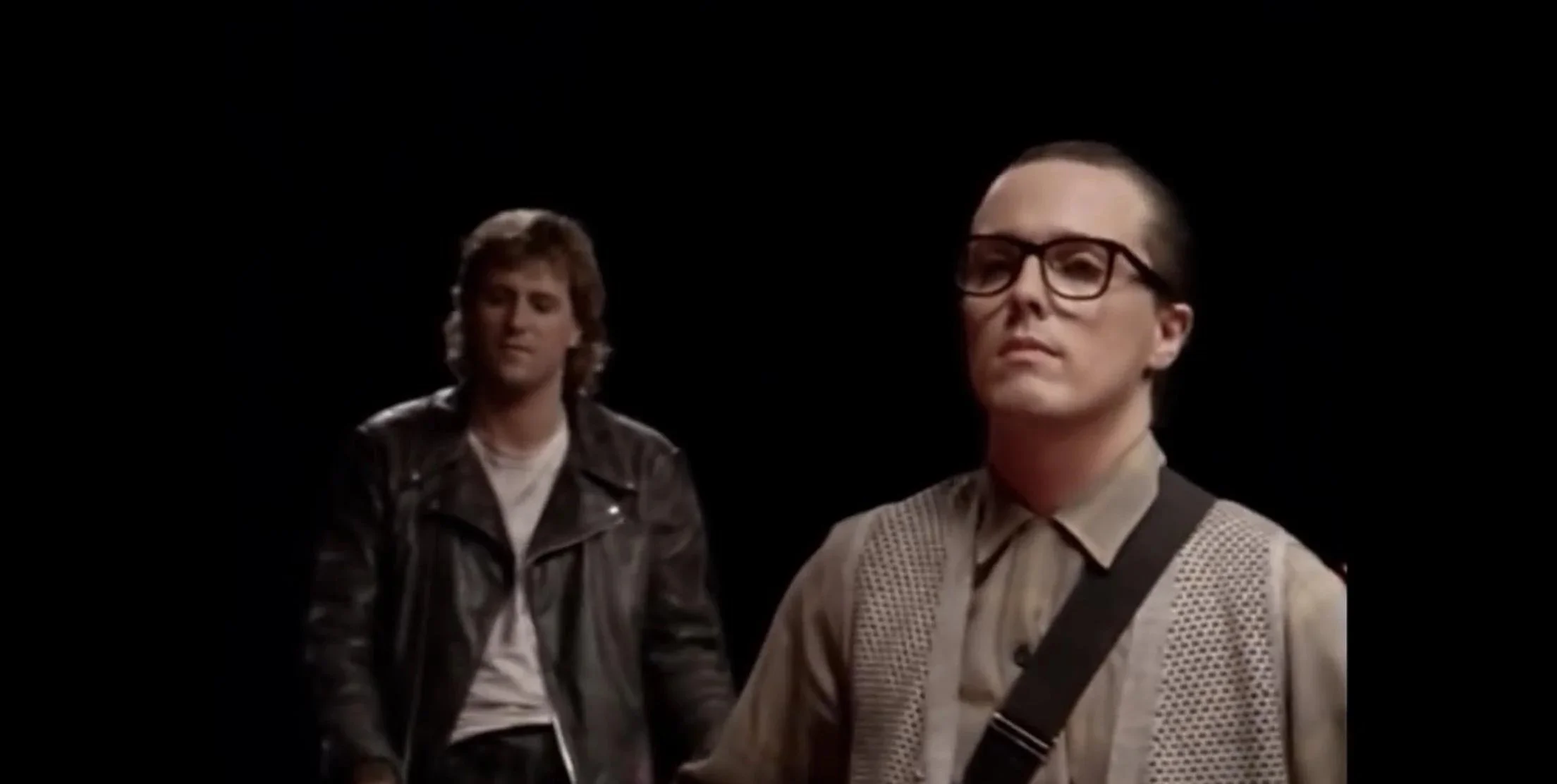
Tears for Fears - Head Over Heels
Released in June 1985, "Head Over Heels" serves as the fourth single from Tears for Fears' seminal second studio album, Songs from the Big Chair. The track was written by the band's core duo, Roland Orzabal and Curt Smith, and is characterized by its lush, melodic synth-pop arrangement and its unique structural connection to the song "Broken," which often precedes or follows it in live performances and extended versions. Musically, the song was a significant departure from the darker, more introspective themes of their debut album, The Hurting, showcasing a more expansive and commercially accessible sound that helped define the mid-1980s pop landscape.
Lyrically, Roland Orzabal has described the song as a romantic love song that "gets a bit perverse," as it explores the inherent anxieties and vulnerabilities that accompany the early stages of a passionate relationship. The lyrics convey a sense of being overwhelmed by emotion, blending a traditional pop sentiment with the band's signature psychological depth. This complexity resonated deeply with audiences, propelling the single to number three on the US Billboard Hot 100 and number twelve on the UK Singles Chart. Its success solidified Tears for Fears as global superstars, marking their third consecutive top-five hit in the United States during the Big Chair era.
The song's legacy is further bolstered by its whimsical and lighthearted music video, directed by Nigel Dick and filmed at the Emmanuel College Library at the University of Toronto. In contrast to the band's typically serious visual style, the video features Orzabal attempting to woo a stern librarian amidst a series of surreal occurrences, including appearances by a chimpanzee in a baseball jersey. Decades after its release, "Head Over Heels" experienced a significant resurgence in popular culture after being featured in a memorable, slow-motion sequence in the 2001 cult classic film Donnie Darko. This placement introduced the track to a new generation, ensuring its status as an enduring anthem of the 1980s.
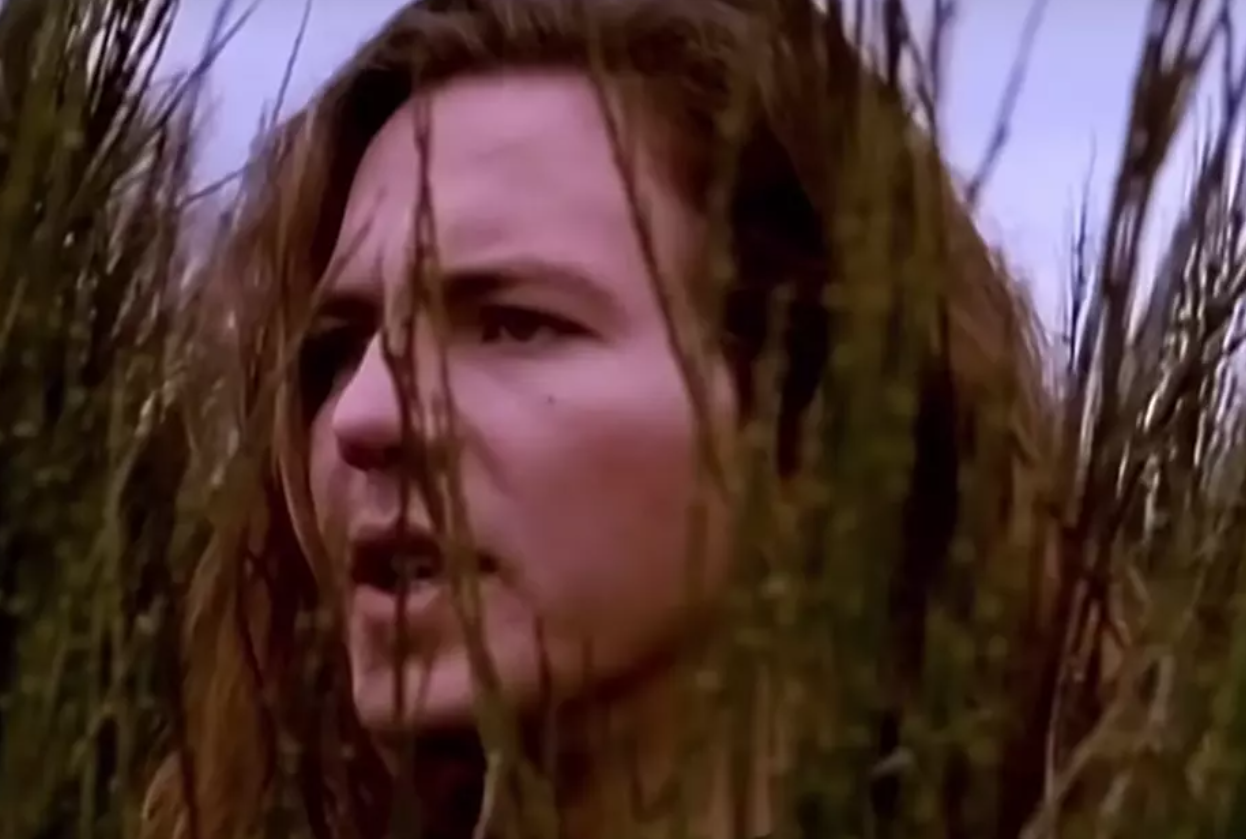
Temple Of The Dog - Hunger Strike
Temple of the Dog's iconic song "Hunger Strike" emerged from a deeply personal and collaborative project in the early 1990s. The band itself was formed as a tribute to Andrew Wood, the charismatic frontman of Mother Love Bone, who tragically passed away in 1990. Chris Cornell of Soundgarden, a close friend and former roommate of Wood, initiated the project by writing several songs in his memory. These songs eventually formed the basis of the "Temple of the Dog" album.
"Hunger Strike" stands out as a powerful duet between Chris Cornell and Eddie Vedder, who at the time was a relatively unknown singer auditioning for what would become Pearl Jam (initially Mookie Blaylock). Cornell had written the song and was struggling with some of the vocal parts when Vedder, who was present during the recording sessions, offered to sing the lower harmonies. The contrasting vocal styles of Cornell's soaring tenor and Vedder's resonant baritone created a dynamic and memorable interplay that became a hallmark of the track.
The lyrics of "Hunger Strike" are often interpreted as a commentary on social inequality and the struggle for basic necessities, using the metaphor of a hunger strike to highlight themes of protest and deprivation. Released as the first single from the album in 1992, "Hunger Strike" gained significant airplay and helped propel both Temple of the Dog and the nascent grunge movement into the mainstream. Its success was a testament to the raw emotion and musical talent of the artists involved, and it remains a beloved anthem of the era, celebrated for its powerful message and the unique vocal collaboration it showcased within the collaboration between two grunge legends.

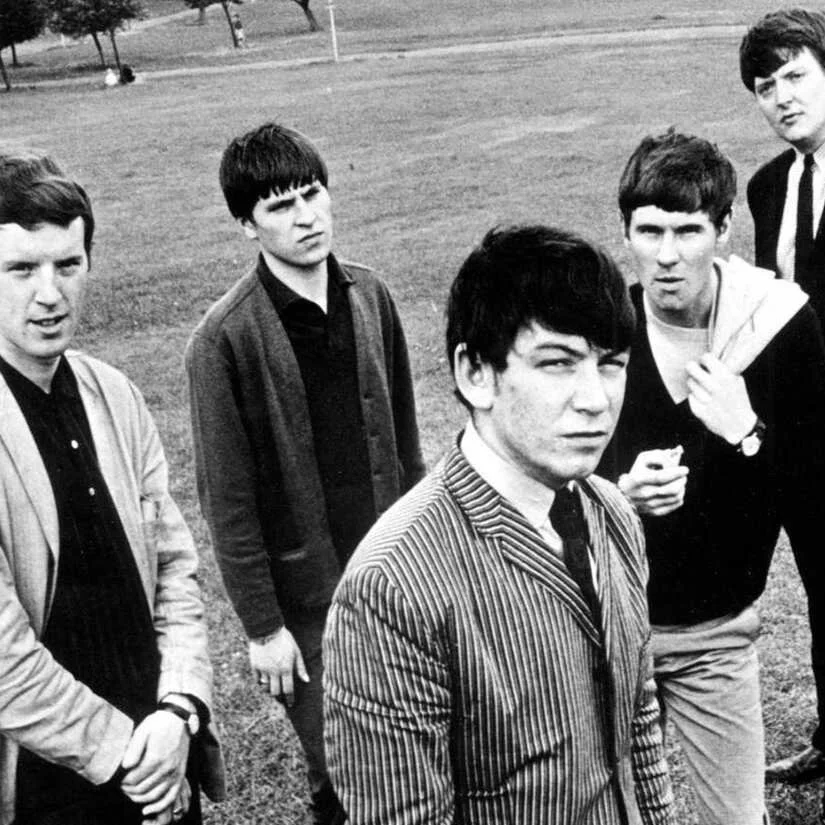
The Animals - We Gotta Get Out Of This Place
“We Gotta Get Out of This Place” is a classic rock song recorded by The Animals. It was released as a single in 1965 and later included on the album Animal Tracks. The song became one of The Animals' most iconic and enduring tracks.
“We Gotta Get Out of This Place” is notable for its powerful and anthemic feel, and it resonated with many listeners during the 1960s. The lyrics, written by Barry Mann and Cynthia Weil, express a desire for escape and a yearning for a better life. The song's themes of frustration and aspiration struck a chord with the youth culture of the time.
Over the years, “We Gotta Get Out of This Place” has been widely regarded as an anthem of discontent and a representation of the rebellious spirit of the 1960s. It remains a classic example of the British Invasion sound and has been covered by various artists.

The Ataris - The Boys of Summer
The Ataris’ version of "The Boys of Summer" is a cover of the classic 1984 song originally by Don Henley. The Ataris, a pop-punk band, released their cover in 2003 on their album So Long, Astoria.
Their rendition gives the song a more modern, punk-rock edge, while retaining the nostalgic and reflective qualities of the original. The Ataris' cover is known for its energetic guitar riffs and emotional delivery, making it a standout track for fans of both the band and the original song.

The Band - The Weight
"The Weight" is a song by the band The Band, released in 1968 on their debut album, "Music from Big Pink." It was written by Robbie Robertson and has become one of their signature songs. The song is known for its distinct blend of rock, folk, and Americana, characterized by its layered harmonies and prominent use of a guitar riff.
Lyrically, "The Weight" tells the story of a traveler encountering various characters in a small town, each associated with themes of burdens and the weight of responsibility. Its catchy chorus invites listeners to engage, making it a staple at concerts and a favorite among fans.
Over the years, "The Weight" has been covered by numerous artists, most notably by Aretha Franklin and The Staple Singers. It has been featured in various films and television shows, further cementing its place in popular culture. The song's enduring appeal lies in its universal themes and memorable melody, making it a timeless classic in rock music history.

The Bangles - Hazy Shade of Winter
“Hazy Shade of Winter” by The Bangles is a powerful rock cover of Simon & Garfunkel’s 1966 folk-rock single “A Hazy Shade of Winter,” originally written by Paul Simon. In 1987, the Bangles were approached to record a song for the soundtrack of the film Less than Zero, and they recorded a cover in a hard rock style, which they had been performing live as early as 1982. With no time to write something new, they decided to cover the song, which they played on stage soon after they formed in 1981. The band had a personal connection to the track—Susanna Hoffs remembered being instantly drawn to the song from the moment she heard it on K-EARTH 101, an oldies station, and thought she was a Simon & Garfunkel aficionado but had somehow missed that “badass folk-rock song” of theirs.
Powered by distorted electric guitars, tight vocal harmonies, and a pulsing rhythm section, the Bangles’ version amps up the urgency of the original, with producer Rick Rubin helping dial in a rawer edge. This was a rare occurrence in Bangles songs as they mostly had just one member singing lead. Instead, all four members sang together throughout most of the track, creating a richer, more layered sound. Due to pressure from their record label, the Bangles removed the verse from the original song that contained the line “drinking my vodka and lime.”
When released as a single in November 1987, “Hazy Shade of Winter” became a huge hit, surpassing the popularity of the original version, peaking at number 2 on the Billboard Hot 100 and number 11 in the UK. The original Simon & Garfunkel version had only reached number 13 on the Billboard Hot 100 in 1966. The Bangles’ electrified interpretation transformed the melancholic folk meditation on lost time and fading ambition into an urgent, high-energy rock anthem that resonated with late-1980s audiences. The song remains one of The Bangles’ signature tracks and has been featured in Stranger Things, The Umbrella Academy, and American Crime Story, among others, and was covered by Gerard Way in 2019. Lead singer Susanna Hoffs named “Hazy Shade of Winter” as her favorite Bangles song ever in a 2021 interview.

The Bangles - Manic Monday
Manic Monday by The Bangles was the first single released from their second studio album, Different Light in 1986, and became a instant classic. With its infectious melody and relatable lyrics about the dread of facing another workweek, it's a song that resonates with so many people. Originally written by Prince (under the pseudonym Christopher), the song perfectly captures that feeling of longing for the weekend to continue just a little bit longer. The upbeat tempo and catchy melody contrast nicely with the lyrics about the struggles of facing the workweek.

The Beach Boys - God Only Knows
"God Only Knows" by The Beach Boys is widely regarded as one of the most beautiful and emotionally powerful songs in popular music history. Released in 1966 on the groundbreaking album Pet Sounds, the song features a delicate arrangement of strings, French horn, and layered harmonies that complement its introspective lyrics. The song explores themes of love, vulnerability, and devotion with a maturity that was unusual for pop music at the time. Its opening line, "I may not always love you," is surprisingly stark, but it sets the stage for a deeper expression of unconditional love—acknowledging uncertainty while affirming deep emotional reliance. With its innovative production and poetic lyrics, "God Only Knows" continues to resonate with listeners, capturing the fragile and transcendent nature of love in a way few songs have matched.

The Beach Boys - Good Vibrations
Often hailed as one of the greatest pop songs ever recorded, "Good Vibrations" by The Beach Boys is an iconic song that captures the essence of the 1960s California sound. Released in 1966, it's celebrated for its innovative production techniques and catchy melodies. Brian Wilson, the driving force behind The Beach Boys, created a complex and groundbreaking arrangement that incorporated elements of rock, pop, and psychedelia. The lyrics evoke a sense of positivity and harmony, reflecting the feel-good vibes of the era; conveying a sense of optimism and euphoria, perfectly with an upbeat and vibrant musical arrangement. "Good Vibrations" remains a timeless classic and a testament to The Beach Boys' musical genius. "Good Vibrations" not only defined The Beach Boys' sound but also left an indelible mark on the landscape of popular music.

The Beatles - Get Back
"Get Back" by The Beatles stands as one of the most significant singles of 1969 and represents the band's attempt to return to their rock and roll roots during a turbulent period. The song began as a satirical and critical look at attitudes towards immigrants in Britain, with Paul McCartney intending to parody the negative attitudes that were prevalent among politicians and the press. However, the final version evolved into a more straightforward rock song with fictional characters. The genesis of "Get Back" dates to the morning of January 7, when Paul introduced the song prior to John's arrival, a moment captured in the later documentary series. Written by McCartney, though credited to Lennon-McCartney, John Lennon described "Get Back" as "a better version of Lady Madonna. You know, a potboiler rewrite". The song was recorded during the January 1969 sessions at Twickenham Film Studios and later at Apple Studios, which were being filmed for what would eventually become the Let It Be documentary.
The recording featured a notable addition to The Beatles' lineup. It was the only Beatles single to include an accompanying artist's name, crediting "Get Back/Don't Let Me Down" to "The Beatles with Billy Preston", who played electric piano on the track. The Beatles performed "Get Back" as part of their rooftop performance on the roof of Apple Studios in Savile Row, London, on 30 January 1969. During the third performance, which marked the end of the rooftop performance, the Beatles were interrupted by the police, who had received complaints from office workers nearby, but Harrison insisted they finish the song. This impromptu concert would become one of the most iconic moments in rock history and served as The Beatles' final public performance together.
The commercial success of "Get Back" was immediate and impressive. On 11 April 1969, Apple Records released "Get Back" as a single in the UK, and it held the number one position for six weeks, becoming the first Beatles single to enter the official UK singles chart at the top. In the US, "Get Back" hit number one, where it stayed for five weeks, becoming the band's 17th number one song on Billboard, matching Elvis Presley's previous record of 17 number ones. Apple launched a print ad campaign for the song with the slogan "The Beatles as Nature Intended," indicating that the sound of "Get Back" harked to the group's earlier days. The song later appeared on the Let It Be album in 1970, which became the band's final studio album release following their breakup, cementing "Get Back" as both a return to basics and a poignant farewell to the group's remarkable career.