
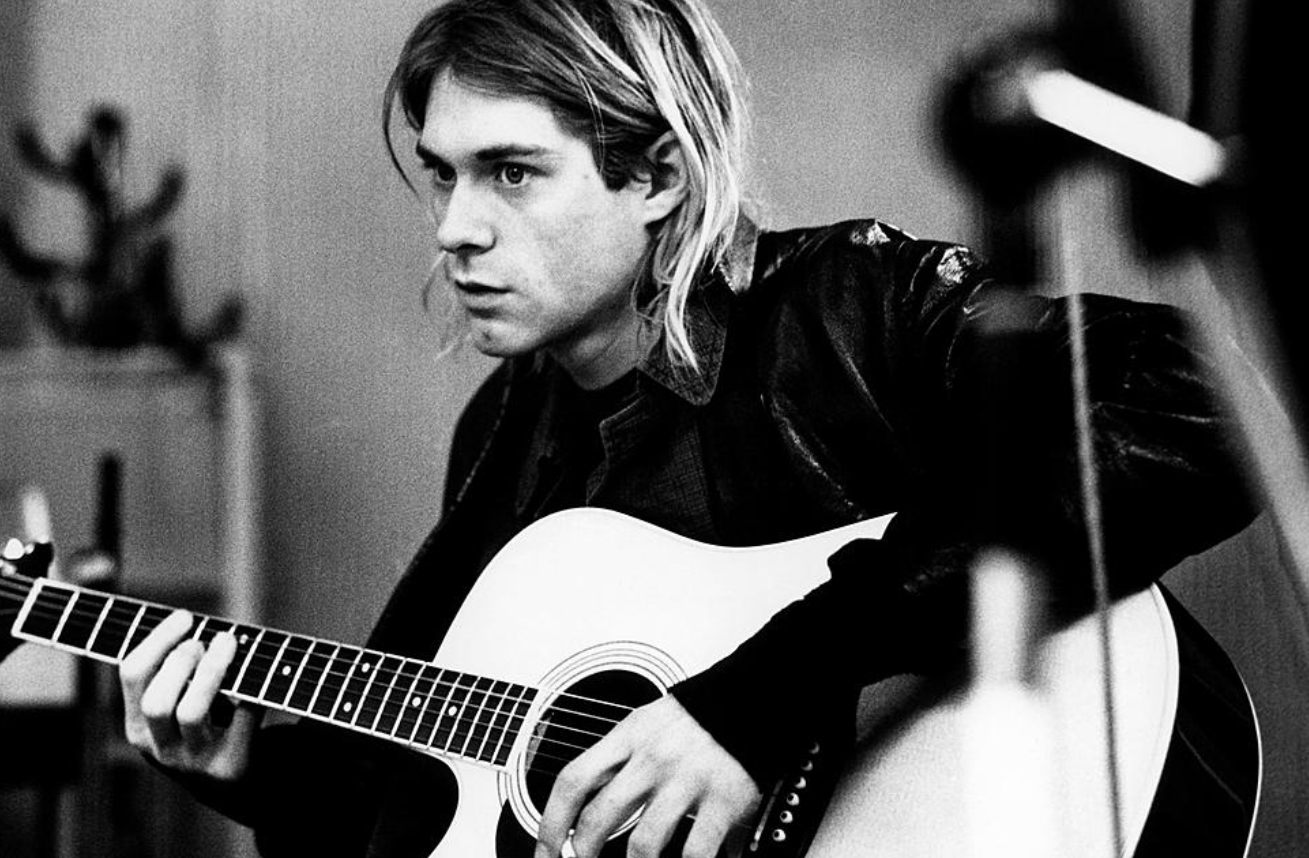
Nirvana - Something in the Way
“Something in the Way” is a haunting song by American rock band Nirvana, written by vocalist and guitarist Kurt Cobain. It is the 12th song on their second album, Nevermind, released in September 1991. Kurt Cobain penned the song in 1990, several months before Nirvana headed to Southern California to work on their sophomore LP. The song features minimal instrumentation with a distinctive melancholy atmosphere. Nirvana used a cello on this song, which was played by their Los Angeles-based friend Kirk Canning. When recording this song, Kurt Cobain whispered his vocals so quietly that producer Butch Vig had to turn his recording levels all the way up. Producer Butch Vig recalled that Cobain “sang so quietly, almost in a whisper, that you could hear a pin drop,” and they recorded the vocal and acoustic in the control room in three takes on the couch.
The song’s lyrics are inspired by themes of homelessness and desperation, though the autobiographical details have been debated. Cobain claimed he lived under a bridge in Aberdeen, Washington, after being kicked out of his home, though biographers have questioned the literal accuracy of this story. Cobain himself suggested that the song was not necessarily autobiographical, telling Nirvana biographer Michael Azerrad that the lyrics were “like if I was living under the bridge and I was dying of AIDS, if I was sick and I couldn’t move and I was a total street person.” In a 2021 Los Angeles Times interview, Cobain’s widow, Courtney Love, called “Something in the Way” “one of the great rock songs of all time,” and described it as Cobain “clawing his way out…He’s telling himself anything just to get through.”
Despite never being released as a single and rarely appearing in the band’s live setlists, “Something in the Way” experienced a remarkable resurgence decades after its release. The song charted for the first time in August 2020, after appearing in the first trailer for the 2022 superhero film, The Batman. Director Matt Reeves recalled to Empire, “When I write, I listen to music, and as I was writing the first act, I put on Nirvana’s ‘Something in the Way’.” Streams of the song spiked by 1200% on Spotify shortly after the release of the film on March 4, 2022, helping it reach the top five of Spotify’s Daily USA Top 50 songs ranking on March 8. On the week of March 26, 2022, “Something in the Way” became the fifth Nirvana song to chart on the Billboard Hot 100, appearing at number 46 its one-week stay on the chart. The song also gained recognition in a 2014 study that analyzed musical elements of sadness, with researcher Grimaud’s analysis showing that Nirvana’s “Something in the Way” topped the list of the saddest songs ever.

Nirvana - You Know You’re Right
"You Know You're Right" is a song by Nirvana that was written by Kurt Cobain. It is notable for being one of the last recordings the band made before Cobain's death in April 1994. The song was recorded in January 1994 during a rehearsal session, and it was intended to be featured on a planned greatest hits album. The track showcases the typical Nirvana sound, with a mix of heavy instrumentation and introspective lyrics. "You Know You're Right" highlights Cobain's raw vocal delivery, conveying a sense of pain and vulnerability. The song remained unreleased until 2002 when it was included in the compilation album "Nirvana," which brought it renewed attention and acclaim. The release of "You Know You're Right" sparked discussions about the band's legacy and the impact of Cobain's songwriting, further solidifying Nirvana's influence in the grunge movement and alternative rock. Its haunting melody and powerful lyrics have resonated with fans, making it a memorable part of Nirvana's catalogue.

NOFX - Cokie The Clown
NOFX's "Cokie The Clown" originated as a song on their 2008 album Coaster, but gained significant notoriety as the title track of a 2009 EP. The character of Cokie The Clown is an alter ego of NOFX frontman Fat Mike, embodying a darker, more introspective, and often disturbing side of his artistic expression. This persona became particularly infamous following a controversial solo performance by Fat Mike as Cokie The Clown at SXSW in 2010. During this performance, he engaged in shocking acts and shared deeply personal, unsettling stories, which led to widespread outrage and even a temporary ban from the venue. The character and the associated performances delve into themes of addiction, self-destruction, and the darker aspects of human nature, contrasting sharply with NOFX's typically more humorous and politically charged punk rock. The "Cokie The Clown" material, including a later full-length album under the moniker, represents a significant departure into a more raw and confessional style for Fat Mike, exploring vulnerability and pain in a way that resonated with some fans while alienating others.

Norah Jones – Cold, Cold Heart
"Cold Cold Heart" is a classic song originally written and recorded by Hank Williams in 1951. The song has been covered by various artists, including Norah Jones, who added her own unique style to it on her breakthrough album, "Come Away With Me," released in 2002.
Hank Williams's version captures the pain of unrequited love and emotional hurt, expressing feelings of heartbreak through its poignant lyrics and simple yet powerful melody. The song reflects the struggles of love gone wrong, with imagery that evokes a deep sense of longing and sorrow.
Norah Jones's cover brings a modern, jazzy twist to the classic, infusing it with her signature smoothness and warmth. Her rendition maintains the emotional weight of the original while offering a fresh interpretation that showcases her vocal prowess and musicality.
The song remains a beloved piece in both Hank Williams's and Norah Jones's discographies, bridging generations and musical styles.
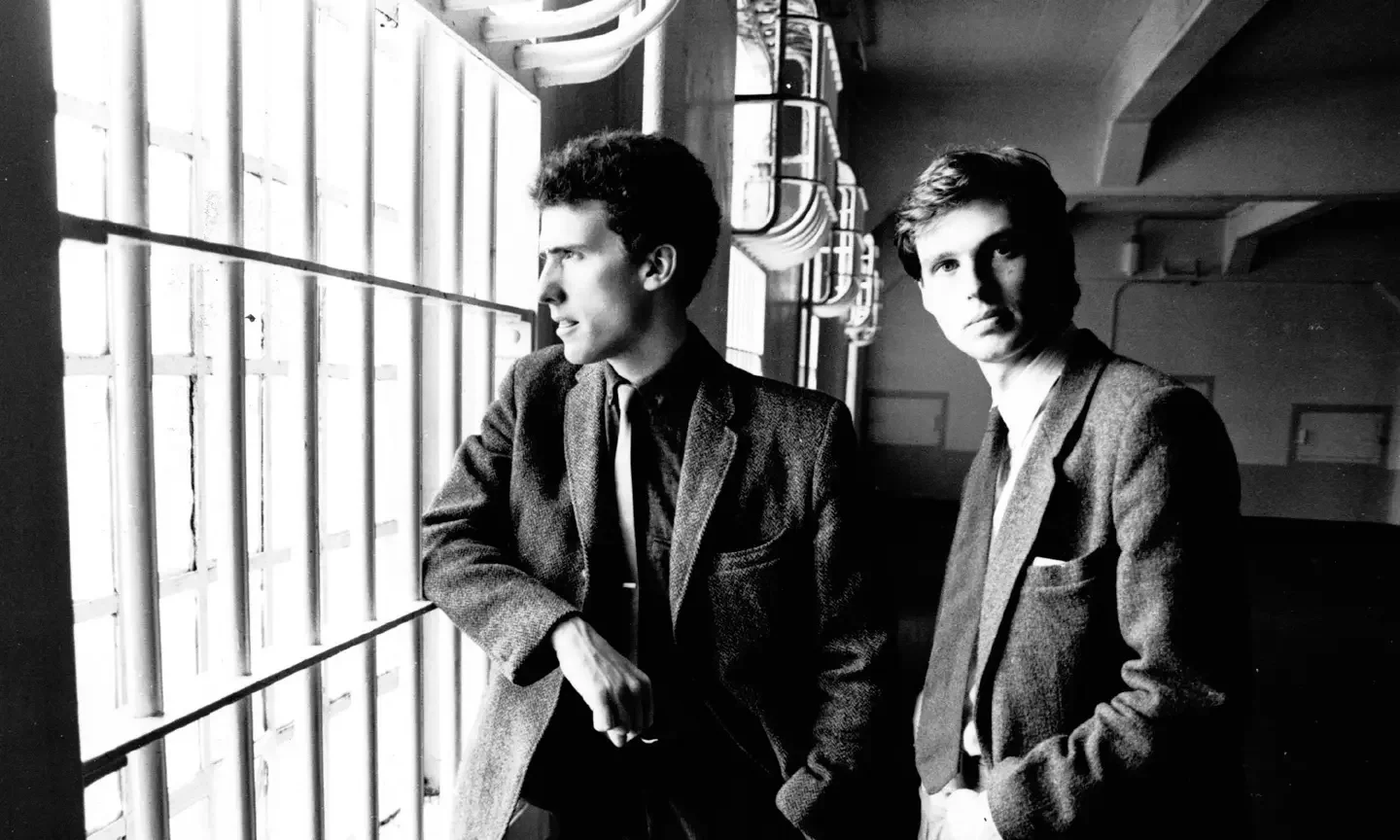
Orchestral Manoeuvres In The Dark - If You Leave
“If You Leave” is a synth-pop song by the English electronic band Orchestral Manoeuvres in the Dark, commonly known as OMD. It was written for the 1986 coming-of-age film Pretty in Pink, directed by John Hughes. The song captures the uncertainty and emotional tension of a relationship on the verge of ending, with lyrics that express fear, regret, and the hope that love might survive. Its bright synthesizers, dramatic percussion, melodic keyboard lines, and Andy McCluskey’s expressive vocal give it the polished yet emotionally intense sound associated with mid-1980s pop.
The song was created under unusual pressure. OMD had originally prepared another composition for Pretty in Pink, but Hughes changed the film’s ending and decided that the original song no longer suited the final scene. He asked the band to write a replacement almost immediately. McCluskey and Paul Humphreys developed the basic chords and lyrics in the studio, while Martin Cooper contributed to the middle section. The musicians worked through the night, produced a rough demonstration, and sent it to the film’s production team. After Hughes approved the demo, OMD completed the recording within a very short period. The song was also designed to match the energetic tempo of the prom sequence, which helped it fit naturally into the film’s climactic ending.
Released in 1986 as part of the Pretty in Pink soundtrack and as a single, “If You Leave” became OMD’s biggest hit in the United States, reaching number four on the Billboard Hot 100. Its appearance during the film’s memorable prom scene made it strongly associated with teenage romance, high-school uncertainty, and 1980s popular culture. Although some of OMD’s earlier British and European fans initially considered the song more conventional than the band’s experimental work, its lasting connection with Pretty in Pink gradually strengthened its reputation. Today, “If You Leave” is regarded as one of OMD’s signature songs and remains a major part of the band’s live performances, especially among American audiences.
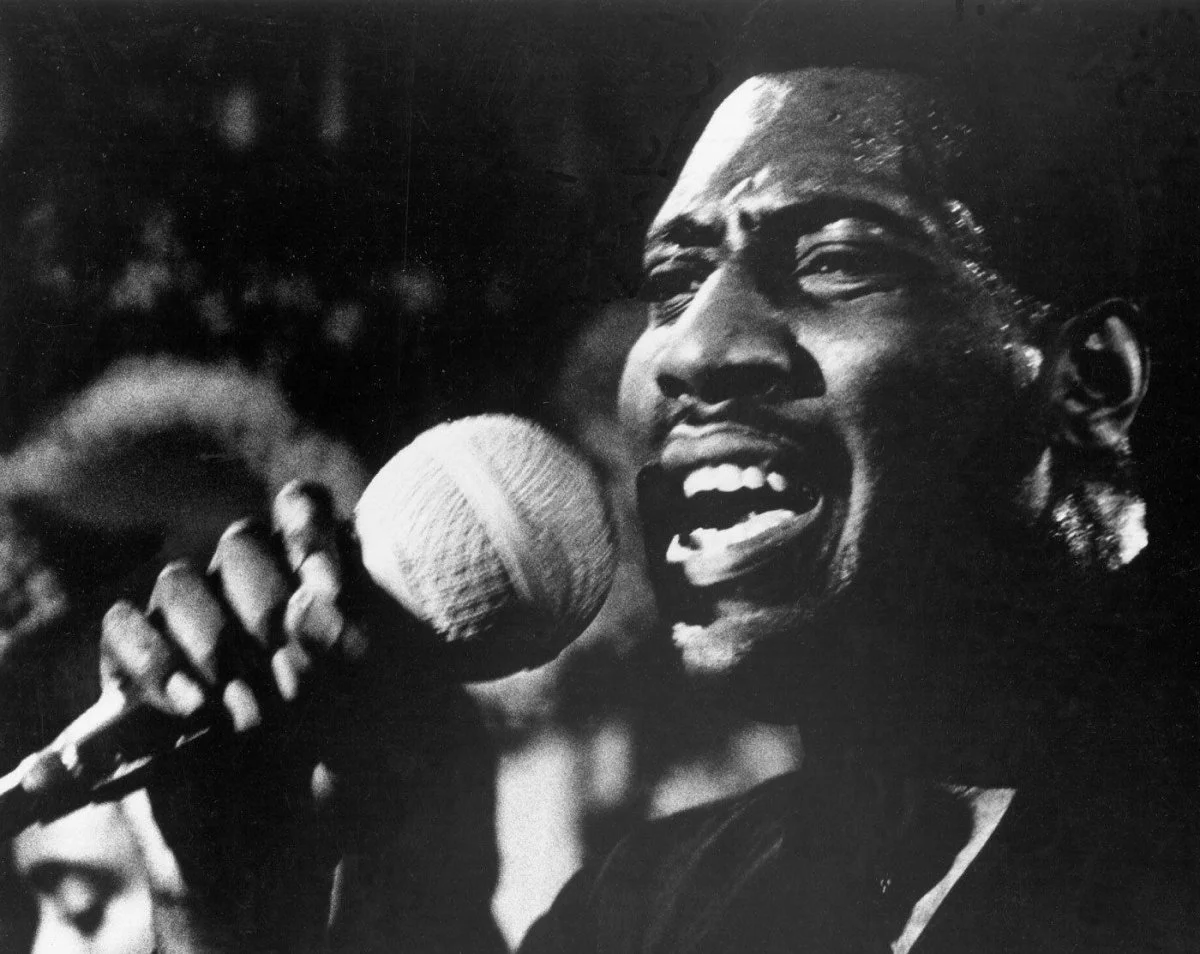
Otis Redding - (Sittin' On) The Dock Of The Bay
"(Sittin' On) The Dock of the Bay" is one of Otis Redding's most iconic songs. Released posthumously in 1968, it features a smooth melody and reflective lyrics. The sound of the waves in the background adds to the laid-back vibe, creating a poignant atmosphere. It captures a sense of longing and reflection. It tells the story of a man who is sitting by the water, observing the world around him while contemplating his life and the passage of time. The soulful melody and heartfelt lyrics make it a timeless piece that resonates with many listeners.
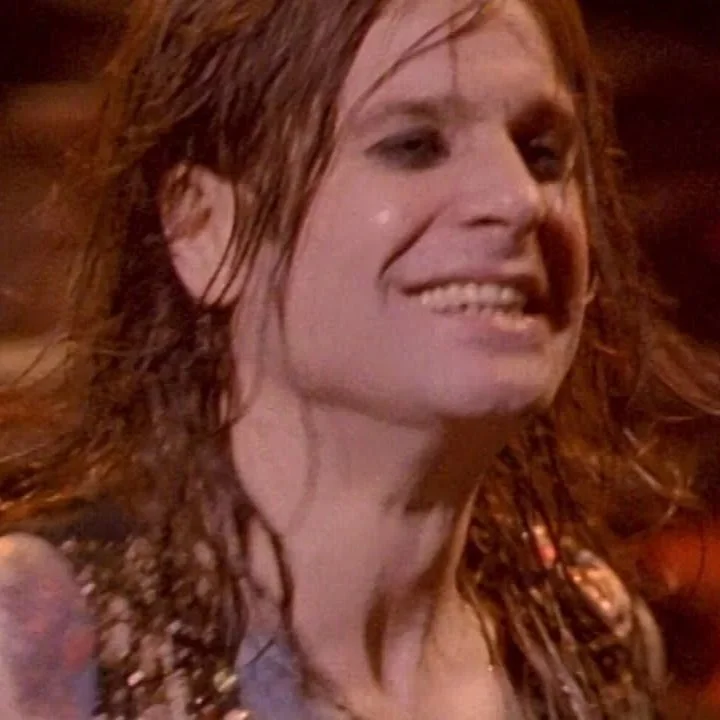
Ozzy Osbourne - Crazy Train
"Ozzy Osbourne's 'Crazy Train' was released in 1980 as part of his debut solo album, 'Blizzard of Ozz.' The song was co-written by Ozzy Osbourne and guitarist Randy Rhoads. It quickly became one of Osbourne's most iconic tracks and is often recognized for its catchy guitar riff and powerful lyrics.
The song addresses themes of mental instability and uncertainty, a reflection of Ozzy's own experiences and perceptions. Its memorable opening riff, played by Rhoads, has made "Crazy Train" a staple in rock music, often featured in films, commercials, and sports events.
The track was a significant part of the heavy metal genre’s rise in the late 1970s and early 1980s, helping to solidify Osbourne's reputation as a solo artist after his departure from Black Sabbath. Over the years, "Crazy Train" has been covered by various artists and continues to resonate with fans, showcasing Osbourne's lasting impact on the music industry."

Ozzy Osbourne - Goodbye To Romance (Live And Loud)
"Ozzy Osbourne - Goodbye to Romance" (Live & Loud) is a live performance of one of Ozzy's iconic songs from his 1980 album Blizzard of Ozz. This particular version comes from his 1993 live album Live & Loud, which captures Ozzy's energetic stage presence during his tours in the early '90s. The song is a heartfelt ballad that deals with themes of love, loss, and personal reflection.
The live rendition of "Goodbye to Romance" in Live & Loud has a raw, emotional intensity that gives it a slightly different flavor compared to the original studio version. The audience's energy and the power of the live instrumentation bring a new layer to the song, making it even more poignant for listeners.
Randy Rhoads, as Ozzy's guitarist, brought an incredible level of technical skill and emotion to every song, and this track is no exception. Even though Live & Loud was recorded after Randy’s tragic passing, you can still feel his presence in the way Ozzy and the band pay tribute to him—especially when performing a song like this, which is deeply emotional and reflective of the time they spent together.
In the studio version of "Goodbye to Romance", Randy’s guitar solo is already hauntingly beautiful. It’s melodic, emotional, and captures the essence of the song perfectly. When Ozzy performs it live, you get that same powerful guitar work, but there's an added layer of nostalgia and reverence for Randy’s legacy. The crowd's response to the song further amplifies the feeling that Randy’s spirit is very much present in the moment.
The way Randy’s solos dance over the rhythm section gives the song a timeless quality. You can't help but be reminded of what could have been, had he lived longer. It’s a performance that’s both a celebration of Randy’s musical genius and a poignant goodbye to a friendship that was cut too short.

Ozzy Osbourne - Mr. Crowley
Cue in at 2:17 for one of the best guitar solos of all time. Cue in at 3:40 for another. 4:20 for another. Best bet watch beginning to end; you wouldn't want to miss anything actually. Ozzy looking over to Randy is a man in amazement and wonder.
“Mr. Crowley” is a song by Ozzy Osbourne, released as the lead single from his debut solo album, Blizzard of Ozz, in 1980. The song was written by Ozzy Osbourne, guitarist Randy Rhoads, and bassist/lyricist Bob Daisley.
“Mr. Crowley” is notable for its dark and occult-themed lyrics, which were inspired by Aleister Crowley, a British occultist and ceremonial magician who gained notoriety in the early 20th century. The song's subject matter explores themes of mysticism, magic, and the occult, with references to Crowley's life and teachings. Musically, it features Randy Rhoads' intricate guitar work and Ozzy Osbourne's distinctive vocal delivery.
Despite its controversial subject matter, “Mr. Crowley” became one of Ozzy Osbourne's most iconic songs and remains a staple of his live performances. It has also been praised for its musicianship and lyrical depth, and it has influenced many subsequent heavy metal and hard rock musicians.

Passenger - Let Her Go
Passenger's global hit "Let Her Go," released in 2012 from his album All the Little Lights, became an unexpected international phenomenon, topping charts in numerous countries. The song, an acoustic folk ballad, was written by Mike Rosenberg, known by his stage name Passenger, and was inspired by the universal theme of not truly appreciating something until it's gone. Rosenberg has often spoken about how the song's lyrics reflect a broader sentiment beyond a romantic relationship, encompassing various aspects of life where one might overlook value until faced with its absence. Despite its melancholic undertones, the song's simple yet profound message, coupled with its memorable melody and Rosenberg's distinctive vocals, resonated with a massive audience worldwide, transforming him from a relatively unknown street performer into a global sensation. "Let Her Go" remains his most recognized and successful single, a testament to its emotional depth and widespread appeal.
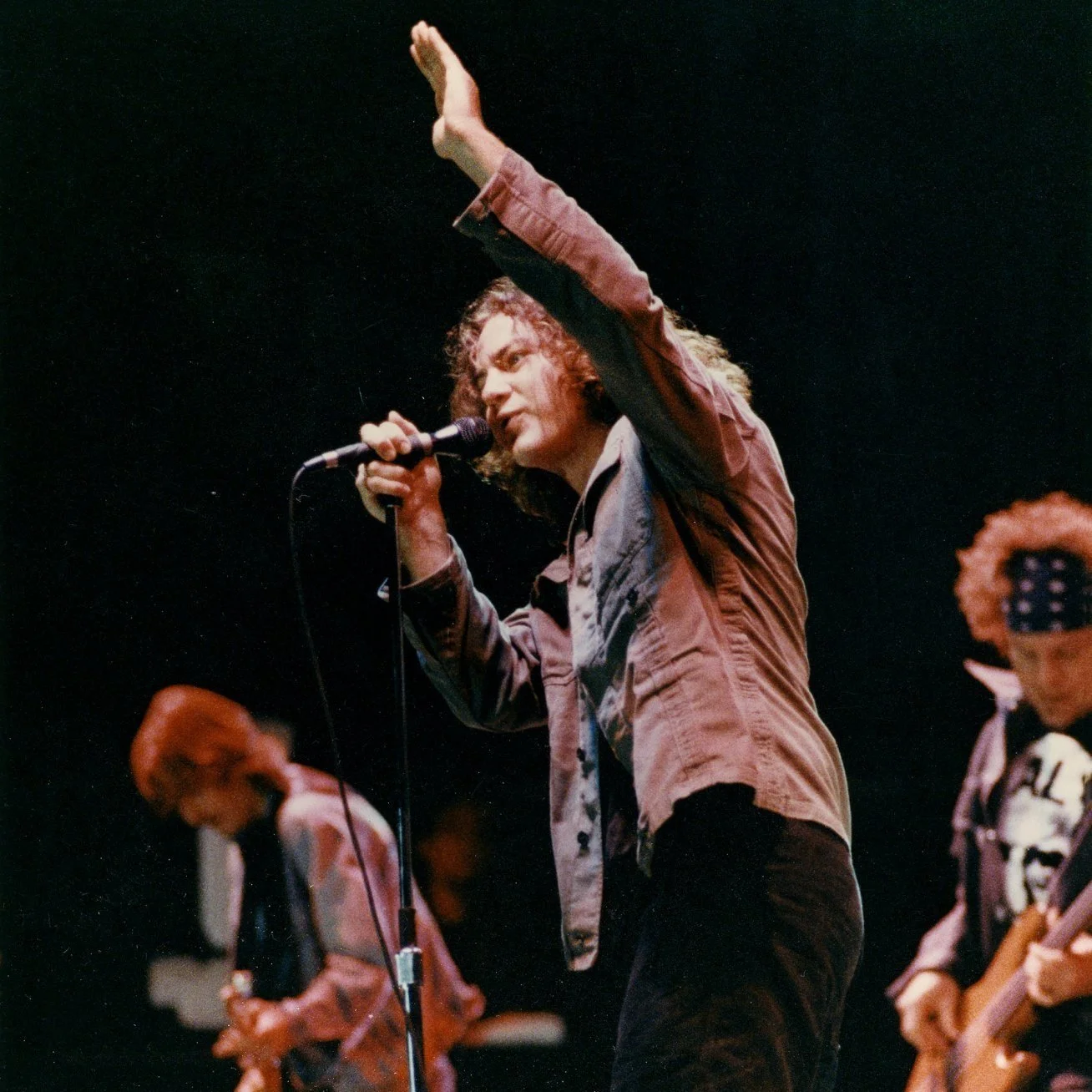
Pearl Jam - Daughter
“Daughter” by Pearl Jam was released in 1993 and is a poignant song that addresses themes of childhood struggles and the impact of parental relationships. The lyrics convey a sense of empathy and understanding for a young girl facing difficulties, often interpreted as touching on issues like neglect and emotional pain. The song’s haunting melody and Eddie Vedder’s powerful vocals enhance its emotional weight. It’s a fan favorite and highlights the band’s ability to blend personal storytelling with broader social commentary.
Eddie Vedder said about the song "Daughter":
"The child in that song obviously has a learning difficulty, and it's only in the last few years that they've actually been able to diagnose these learning disabilities, that before were looked at as misbehavior; as just outright rebelliousness, but no one knew what it was. These kids, because they seemed unable or reluctant to learn, they'd end up getting the shit beaten outta them. The song ends, you know, with this idea of the shades going down—so that the neighbors can't see what happens next. What hurts about shit like that is that it ends up defining people's lives. They have to live with that abuse for the rest of their lives. Good, creative people are just fucking destroyed."
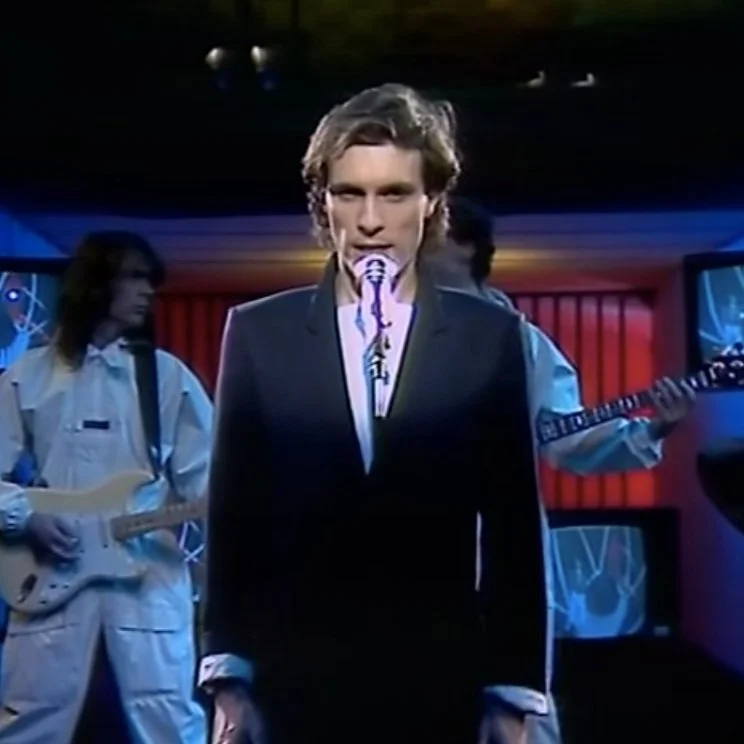
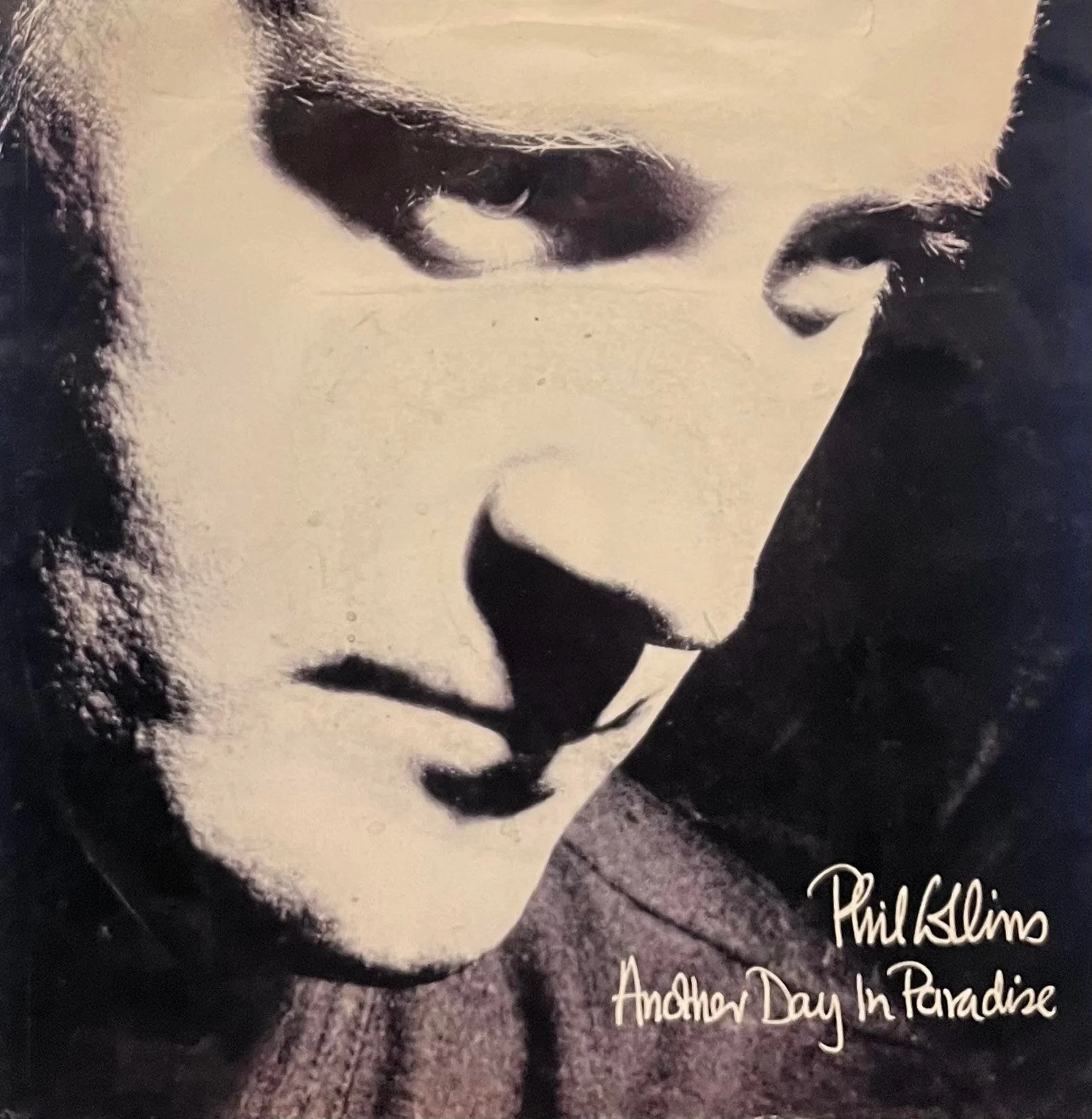
Phil Collins - Another Day In Paradise
“Another Day in Paradise” is a song written and recorded by Phil Collins, released in October 1989 as the lead single from his fourth solo album, …But Seriously. The track was produced by Collins along with Hugh Padgham and marked a significant departure from his previous dance-pop sound. The song addresses the issue of homelessness, similar to his earlier Genesis track “Man on the Corner”, representing a more socially conscious direction for the artist. Collins was inspired to write the song after witnessing people sleeping on heating grates near Capitol Hill in Washington, D.C., and encountering homeless individuals asking for help. Collins later explained that the song essentially “wrote itself” when he sat down at the piano, with the words coming out naturally rather than being a deliberate effort to write about homelessness. The song features backing vocals from David Crosby, who Collins had met at the Atlantic Records 40th Anniversary concert, adding a subtle folk-protest sensibility to the track.
“Another Day in Paradise” became a massive commercial success. It entered the Billboard Hot 100 at number 43 in November 1989 and reached number one seven weeks later on December 23, 1989, becoming Collins’ seventh and final number-one hit. The song stayed at number one for four weeks, making it the last number-one hit of the 1980s and the first of the 1990s. The track also topped charts in multiple countries and earned significant accolades, including the Grammy Award for Record of the Year and the BRIT Award for Best British Single. Despite its success, the song provoked controversy and was widely criticized, with some finding the wealthy Collins unqualified to sing about poverty and others accusing him of profiteering from homelessness. Collins defended himself by stating that having money doesn’t mean being “out of touch with reality” and that he saw the same things everyone else did when driving down the street. Nevertheless, the song’s impact endured, and it has since been covered by numerous artists and remains a powerful commentary on social indifference to homelessness.
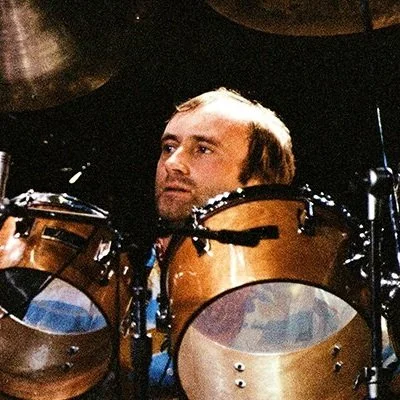
Phil Collins - In the Air Tonight
"In the Air Tonight" is one of Phil Collins' most iconic songs, released in 1981 as the lead single from his debut solo album Face Value. The song is famous for its haunting atmosphere, distinctive drum break, and Collins' emotionally charged vocal performance.
The lyrics of "In the Air Tonight" have long been the subject of speculation, with many fans wondering about the meaning behind them. The song has often been interpreted as a reflection of Collins' personal emotions following his divorce from his first wife. The lyrics seem to convey feelings of anger, betrayal, and emotional distance, with the recurring line "I can feel it coming in the air tonight" often seen as expressing anticipation for some kind of emotional reckoning or confrontation.
A key moment in the song is the dramatic drum break, which has become one of the most memorable moments in pop music history. It's a powerful, cathartic release that complements the emotional intensity of the lyrics. Over time, the song has also gained a cultural legacy, often used in movies, TV shows, and even as a meme, further cementing its place in music history.
Although some myths have arisen around the song's meaning—such as the false rumor that it was inspired by witnessing a drowning or a moment of revenge—Collins has clarified that the lyrics are more about the emotional experience of a breakup and the sense of foreboding that came with it.

Pink Floyd - Wish You Were Here
“Wish You Were Here” is a song by the English rock band Pink Floyd. It was released in 1975 as the title track of their ninth studio album, Wish You Were Here. The song was written by the band members Roger Waters and David Gilmour and is one of Pink Floyd's most iconic and enduring compositions.
“Wish You Were Here” is renowned for its poignant lyrics, which reflect themes of absence, alienation, and the disillusionment felt by the band members amidst their growing fame and the music industry's commercial pressures. The song's emotional depth is further enhanced by its evocative melody and Gilmour's soulful guitar solos.
The track is also notable for its distinctive sound effects, including the use of radio tuning and the recording of a wind sound created by blowing through a straw into a microphone, which contribute to the atmospheric and introspective mood of the song.
“Wish You Were Here” has remained a beloved classic and is often regarded as one of Pink Floyd's greatest achievements. It continues to resonate with audiences around the world, capturing the universal longing for connection and understanding.

Prince - Creep
"Creep" is a song by the English alternative rock band Radiohead, released in 1992. While there's no official record of Prince covering "Creep," he did incorporate it into his live performances from time to time. In a memorable rendition during Coachella in 2008, he blended it with his own song "The Beautiful Ones." Prince's version of "Creep" was notable for its soulful interpretation, showcasing his ability to infuse his style into diverse genres of music. Although it wasn't formally recorded and released by Prince, his live performances often brought fresh and unexpected takes on well-known songs.
Prince's cover of "Creep" showcases his unique style and musical prowess. Known for his ability to reinterpret songs, Prince adds a soulful and emotional depth to the track, blending his signature vocals and guitar riffs. His rendition often emphasizes the themes of alienation and longing present in the original, all while infusing it with his distinctive flair.

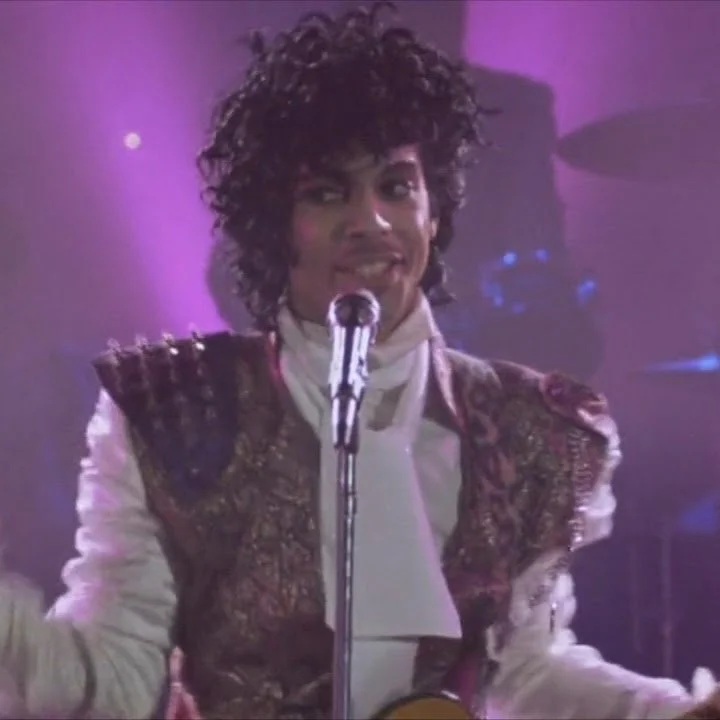
Prince and the Revolution - Let's Go Crazy
"Let's Go Crazy" by Prince and The Revolution is a high-energy rock song that serves as the opening track on Prince's iconic album, "Purple Rain," released in 1984. The song begins with a sermon-like monologue delivered by Prince, emphasizing the fleeting nature of life and the need to embrace joy and celebration. Musically, it features a driving beat, electric guitar riffs, and Prince's distinctive falsetto vocals, creating an infectious and electrifying atmosphere. "Let's Go Crazy" became a signature anthem for Prince, showcasing his virtuosity as a musician and his ability to fuse rock, funk, and pop into a cohesive and powerful sound. The song's message of seizing the moment and reveling in life's pleasures resonates through its energetic performance and memorable lyrics, solidifying its place as one of Prince's most beloved and enduring hits.