

Melissa Etheridge – Come To My Window
"Come to My Window" is one of Melissa Etheridge's most memorable and powerful songs, released as the second single from her 1993 album Yes I Am. The song is a deeply emotional ballad that showcases Etheridge's raw, raspy voice and her ability to convey vulnerability and longing. With its poignant lyrics, "Come to My Window" expresses a sense of yearning, where the narrator invites someone to offer solace and understanding. The track became a major hit, earning Etheridge widespread recognition and commercial success. It reached number 25 on the Billboard Hot 100 and won the Grammy Award for Best Female Rock Vocal Performance in 1995. The accompanying music video complements the song's emotional depth, featuring Etheridge performing in a dark, intimate setting that mirrors the song’s themes of loneliness and longing. "Come to My Window" remains one of Etheridge's signature songs, reflecting her unique blend of rock and folk influences while highlighting her talent for merging personal expression with universal emotional experiences.

Metallica - Enter Sandman
"Enter Sandman" by Metallica is a heavy metal anthem released in 1991 as the opening track of their self-titled album, commonly known as "The Black Album." The song is instantly recognizable for its ominous guitar riff, which builds tension before exploding into the powerful main riff. James Hetfield's aggressive vocals and Lars Ulrich's thunderous drumming drive the song forward with relentless energy. The track's combination of intense instrumentation and evocative lyrics has made it one of Metallica's signature songs and a staple of their live performances.
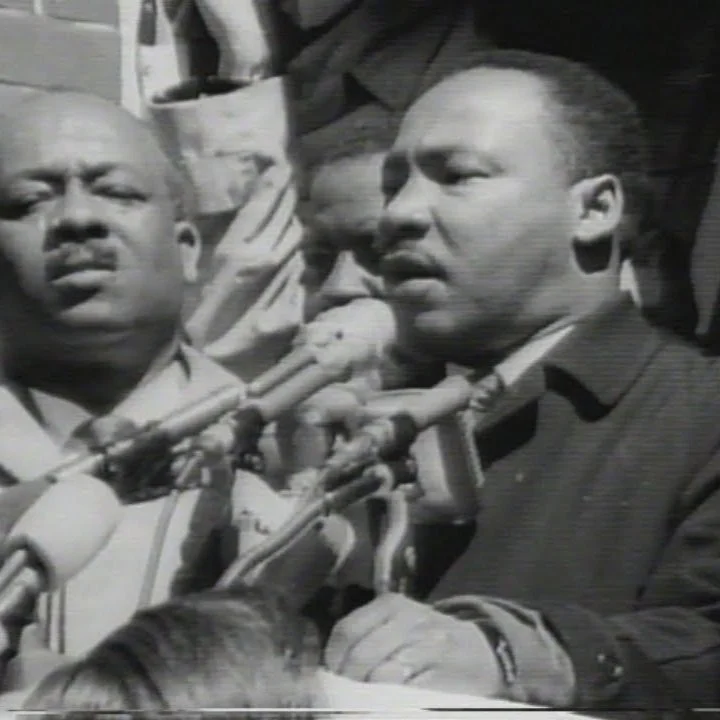
Michael Jackson - Man in the Mirror
"Man in the Mirror" by Michael Jackson is a powerful song that emphasizes personal responsibility and the importance of self-reflection in creating positive change in the world. In the lyrics, Jackson expresses the idea that in order to make the world a better place, one must start by examining and changing oneself. The metaphor of the "man in the mirror" represents the need to look inward and take accountability for one’s actions and attitudes. With emotional vocals and a gospel-inspired arrangement, the song delivers a message of hope, compassion, and transformation, encouraging listeners to not only recognize the struggles of others but also to act with empathy and purpose.
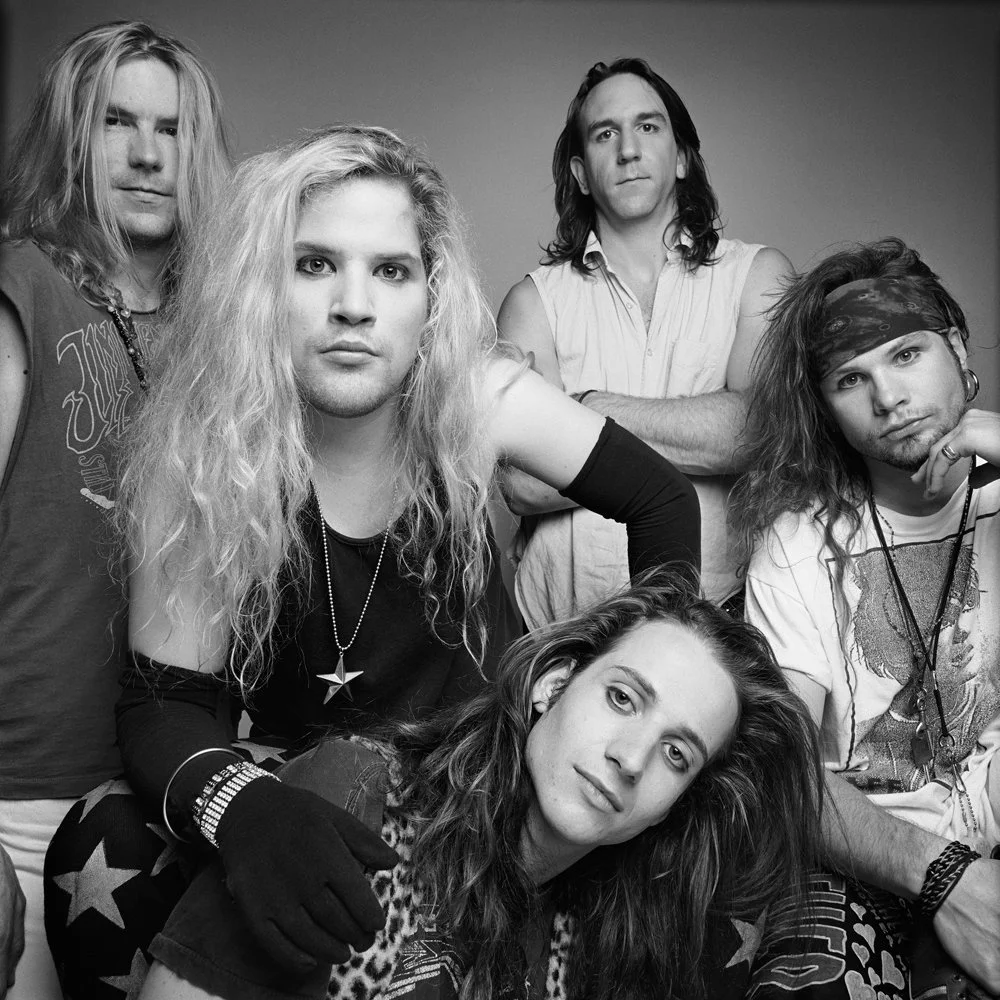
Mother Love Bone - Chloe Dancer/ Crown of Thorns
Mother Love Bone’s “Chloe Dancer/Crown of Thorns” is one of the most enduring songs associated with the early Seattle rock scene. It is structured as two connected pieces: the quiet, piano-led “Chloe Dancer” gradually establishes a romantic and melancholic atmosphere before flowing into “Crown of Thorns,” a heavier and more emotionally intense section. The song was written by vocalist Andrew Wood with the other members of Mother Love Bone and reflects themes of love, vulnerability, regret, emotional dependence, and the pain of a relationship that has become difficult to sustain. Wood’s dramatic singing gives the performance much of its distinctive character, moving from intimate reflection to passionate anguish as the arrangement expands. The song first appeared on Mother Love Bone’s 1989 debut EP, Shine, where the two sections were presented together. “Crown of Thorns” was later recorded as a separate track for the band’s only full-length studio album, Apple, released in 1990. Andrew Wood died shortly before the album’s release, which gave the song an especially tragic place in the band’s history and in the development of Seattle’s grunge movement. Mother Love Bone ended soon afterward, and former members Stone Gossard and Jeff Ament later became central figures in Pearl Jam. The song reached a wider audience when director Cameron Crowe used it in the film Singles and included it on the soundtrack, helping preserve Mother Love Bone’s legacy. Today, “Chloe Dancer/Crown of Thorns” is remembered for its slow-building arrangement, emotional intensity, and as a powerful expression of Andrew Wood’s artistic voice.
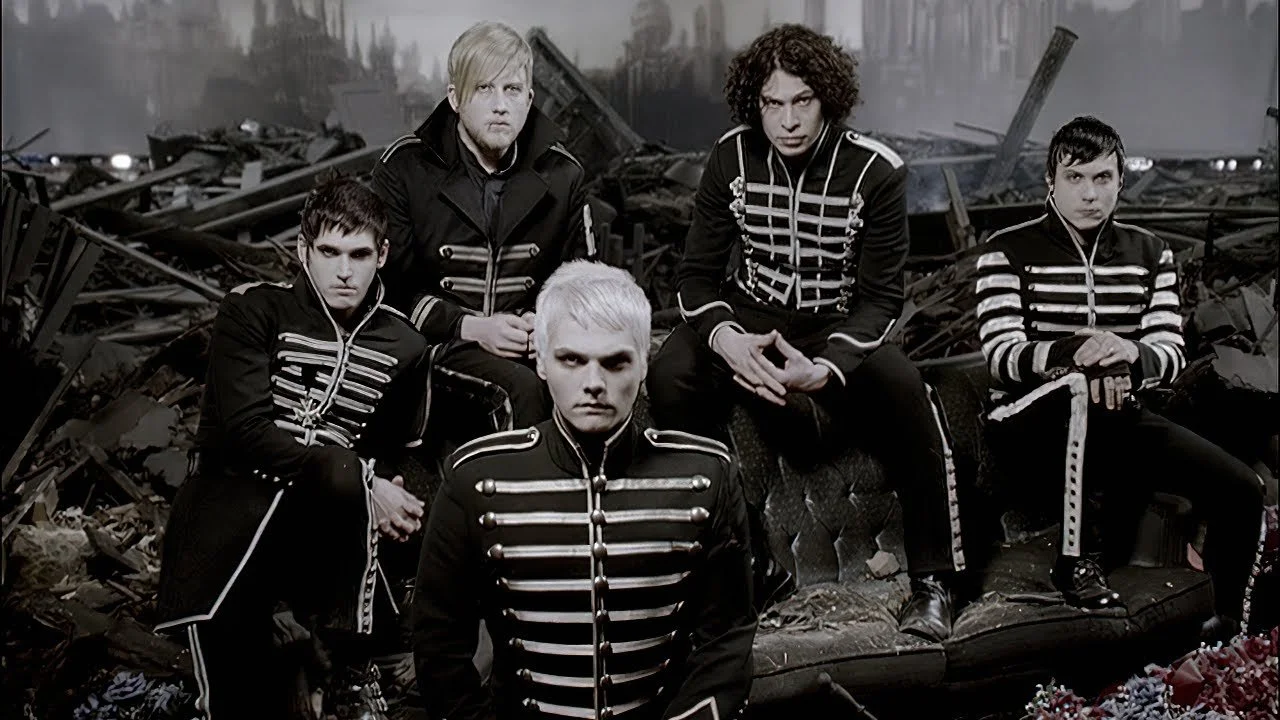
My Chemical Romance - Welcome To The Black Parade
"Welcome to the Black Parade" by My Chemical Romance stands as one of the defining anthems of 21st-century rock music and the emo movement. Released on September 12, 2006, as the lead single from the band's third studio album, The Black Parade, the song marked a dramatic evolution for the New Jersey rock band fronted by Gerard Way. The track's origins date back to 2001, shortly after the band's formation, when it existed under the title "The Five of Us Are Dying." The band struggled for years to complete the song to their satisfaction, with Way initially dismissing it as being "about nothing" and resisting its inclusion on the album. It wasn't until the band fully incorporated the concept of The Black Parade into the song and Way wrote the now-iconic opening piano melody—a single G note that has become instantly recognizable to millions of fans—that the track transformed into the epic rock opera it became. The song was produced by Rob Cavallo, who had previously worked on Green Day's similarly ambitious American Idiot, and was recorded during the band's intense sessions at the Paramour Mansion in Los Angeles, where the reportedly haunted atmosphere contributed to the album's dark, theatrical vision.
The song is an emo and pop-punk track that opens with a piano introduction and evolves into a fusion of several rock genres, with lyrics based around The Patient, the album's central character, as he recalls a childhood memory before his death, with Way describing the broader theme as "the triumph of the human spirit." The concept album centers on a man dying of cancer known as the Patient, with death presenting itself in the form of his fondest childhood memory: his father taking him to see a marching band. The song's theatrical ambition drew comparisons to Queen, David Bowie, and Pink Floyd, with its dramatic shifts in tempo and mood compressed into just five minutes. The song was first performed live on August 31, 2006, at the MTV Video Music Awards, and was made available on the band's Myspace page two days later before being officially released as a radio single on September 12. The accompanying music video, directed by Samuel Bayer (who had previously directed Nirvana's "Smells Like Teen Spirit"), depicted the Patient being taken to death by the marching band known as the Black Parade, with elaborate costumes designed by Academy Award-winning designer Colleen Atwood. In 2017, the video was dubbed MTV's Greatest Music Video of the Century.
"Welcome to the Black Parade" reached number 9 on the Billboard Hot 100, remaining their best-performing song on that chart, and reached number 1 on the Modern Rock Tracks chart, and has been certified 7× Platinum by the Recording Industry Association of America, representing over 7,000,000 confirmed unit sales. In the United Kingdom, it reached number 1 on the UK singles chart, remains their only song to reach that position, and has been certified 2× Platinum by the British Phonographic Industry with over 1,200,000 confirmed units. The song became the group's first number one in the UK on October 15, 2006, staying there for two weeks, and later rose to number one on the Modern Rock charts on October 26, 2006, where it would stay for seven weeks. The album itself debuted at number two on both the Billboard 200 and UK Albums Chart, selling 240,000 copies in its first week in the United States and eventually achieving 4× Platinum certification. Music journalists have often considered "Welcome to the Black Parade" to be an "emo anthem"; the Rock and Roll Hall of Fame has listed it as a song that "shaped rock and roll." The album's lead single has been considered an "emo anthem" as well as My Chemical Romance's best song, with Kerrang! writing that it was one of the "biggest, best and most important rock songs of the 21st century," and a "rallying cry for all who feel the world's dealt them a cruel hand." The song's impact extended far beyond its initial release, becoming a staple of the band's live performances through their reunion tours and remaining a cultural touchstone for the emo and alternative rock communities, continuing to stream an average of 300,000 times per week in the UK as of 2021, cementing its status as a generational anthem.

Naked Eyes - Always Something There To Remind Me
"Always Something There to Remind Me," written by Burt Bacharach and Hal David, first appeared in 1964 with Lou Johnson's recording. Despite its charm, Johnson's version, released by Big Top Records, did not achieve notable commercial success. Two years later, Dionne Warwick included the song on her album Here Where There Is Love. Although Warwick's rendition was well-received in the UK, it didn't make significant waves in the US at the time. The song gained renewed popularity in 1983 when the British new wave band Naked Eyes released their version, which featured a synth-pop arrangement. Their cover achieved substantial success, reaching #8 on the Billboard Hot 100, and introduced the classic track to a new generation. Over the years, the song has been covered by various artists, demonstrating its timeless appeal and the enduring power of Bacharach and David's songwriting.

Natalie Merchant – Wonder
Natalie Merchant's poignant song "Wonder" was released in 1995 as the second single from her highly successful solo album, "Tigerlily." The song quickly became a signature piece for Merchant, known for its evocative lyrics and powerful vocal performance. "Wonder" delves into themes of resilience and the extraordinary nature of individuals who overcome significant challenges.
The inspiration for "Wonder" came from Merchant's encounter with children born with severe medical conditions, specifically Epidermolysis Bullosa, a rare genetic disorder that causes fragile skin. She was deeply moved by their strength and the love within their families, which she channeled into the song's narrative. The lyrics describe a person who is seen as a "wonder" by doctors and others, not because of their affliction, but because of their spirit and ability to endure.
Commercially, "Wonder" performed well, reaching number 20 on the US Billboard Hot 100 and number 10 on the Canadian RPM 100 Hit Tracks chart. Its success contributed significantly to the multi-platinum sales of the "Tigerlily" album. Beyond its chart performance, "Wonder" has had a lasting cultural impact, inspiring the best-selling young adult novel "Wonder" by R.J. Palacio, which was later adapted into a film. The song continues to resonate with audiences for its message of empathy, acceptance, and the inherent beauty of human resilience.

Natasha Bedingfield - Tracks of My Tears
Natasha Bedingfield performed "Tracks of My Tears" at the White House as part of a special event in 2009. This event was organized to celebrate the 50th anniversary of Motown Records, one of the most influential record labels in music history, particularly for its impact on soul, pop, and R&B music. Bedingfield, known for her pop hits like "Unwritten," was invited to perform as part of a tribute to the legendary Motown sound.
"Tracks of My Tears" is a classic Motown hit originally performed by Smokey Robinson and the Miracles in 1965. The song is a soulful ballad, and Natasha Bedingfield brought her own unique style to the performance, mixing her pop sensibilities with the emotive essence of the Motown classic. Her rendition was praised for its heartfelt delivery and respect for the original, as well as for adding a modern touch to the timeless song.
The performance took place during an evening hosted by President Barack Obama and First Lady Michelle Obama, which brought together a range of prominent artists, musicians, and cultural figures to celebrate the history and legacy of Motown. Bedingfield's performance was one of the highlights of the evening, showcasing her versatility as an artist and honoring a song that has remained iconic in American music culture.

Nathaniel Rateliff & The Night Sweats - S.O.B.
Nathaniel Rateliff & The Night Sweats' song "S.O.B." is a catchy, energetic track with a blend of soulful rock and blues. Released in 2015 as part of their self-titled debut album, it gained widespread attention for its upbeat rhythm, catchy chorus, and raw, emotional delivery. The song deals with feelings of frustration, self-reflection, and the desire for release, with the chorus ("Son of a b****, give me a drink") expressing the narrator's urge to escape from their troubles.
The song features strong horn sections and Rateliff's powerful vocals, which have become a hallmark of the band's sound. It's got a retro vibe but still feels fresh and modern, making it a standout hit for the group.

Neil Diamond - Forever In Blue Jeans
"Forever in Blue Jeans" is an upbeat, feel-good song by Neil Diamond that celebrates the simple pleasures of life over material wealth. Co-written by Diamond and his guitarist Richard Bennett, the track was featured on Diamond's 1978 album "You Don't Bring Me Flowers" and was released as a single by Columbia Records in February 1979. The song's message centers on the idea that love and companionship are more valuable than money and possessions, with Diamond explaining that "the simple things are really the important things". The single peaked at No. 20 on the Billboard Hot 100 chart and reached No. 2 on the Easy Listening chart in March 1979. The song became a concert favorite and a signature crowd-pleaser in Diamond's live performances, with its infectious rhythm and relatable lyrics resonating with audiences who appreciated its message about finding contentment in life's modest joys rather than chasing wealth and fame. The track's enduring popularity has made it one of Neil Diamond's most beloved songs, embodying a timeless philosophy that continues to connect with listeners decades after its release.
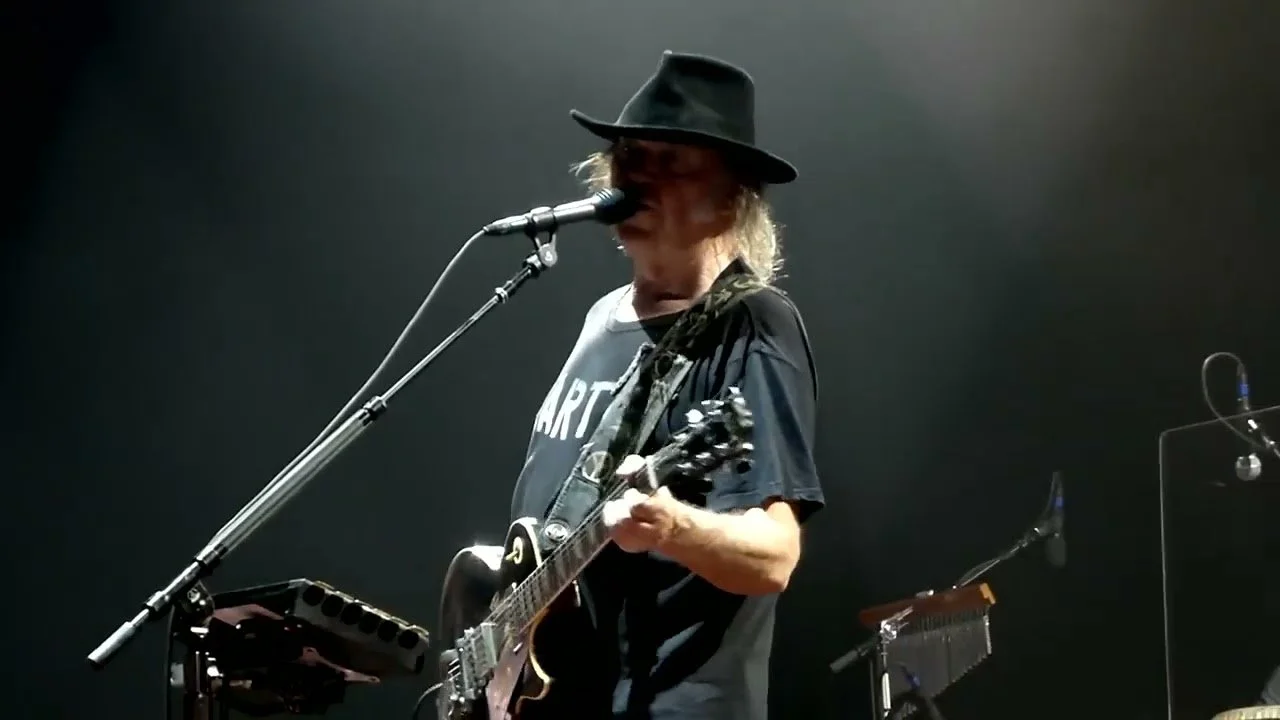
Neil Young – Rockin’ In The Free World
"Rockin' in the Free World" is a song by Neil Young, released in 1989 as the lead single from his album "Freedom." The track is notable for its raw energy and socially conscious lyrics, reflecting the political climate of the time, particularly the challenges and issues faced by American society, such as poverty, homelessness, and the struggles of individuals in a capitalist system. The song was written during the late 1980s, a period marked by economic changes and political shifts in the United States. Young's lyrics critique the American dream and highlight the disconnect between the idealized version of freedom and the harsh realities many people face. Its chorus, with the repeated lines about "rockin' in the free world," serves as a powerful contrast to the sobering themes explored throughout the verses. "Rockin' in the Free World" has become one of Young's signature songs and is often performed at his concerts. It is celebrated for its anthemic quality and has been covered by various artists, further cementing its place in rock history. The song also resonates with audiences for its timeless messages, making it relevant in various social and political contexts over the years.
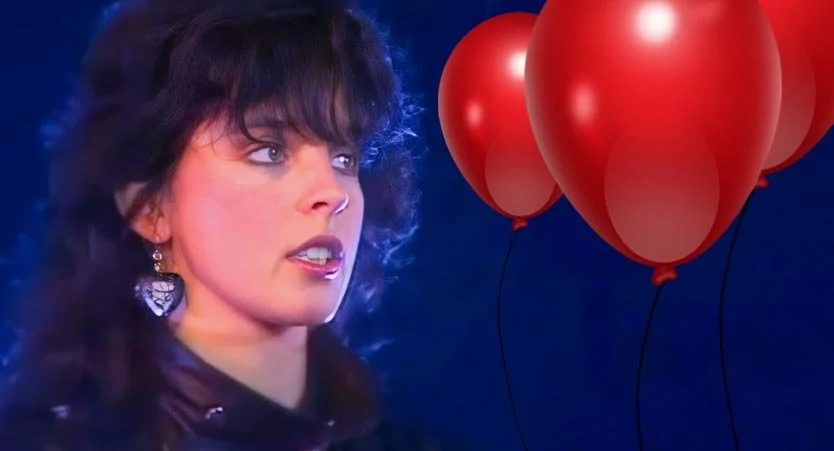
NENA - 99 Red Balloons
Nena's iconic 1983 hit, "99 Luftballons" (German for "99 Balloons"), later released in English as "99 Red Balloons," emerged from the Cold War anxieties of the early 1980s. The song's inspiration struck guitarist Carlo Karges during a Rolling Stones concert in West Berlin in 1982, when he observed balloons being released and drifting towards the Berlin Wall. He pondered how such an innocent act could be misinterpreted as an aerial threat by military forces on the other side, potentially escalating into a conflict. This concept formed the basis of the song's narrative, which depicts 99 balloons being mistaken for UFOs, triggering a disproportionate military response that ultimately leads to a devastating war. The song quickly became a global phenomenon, topping charts in several countries and reaching number two on the US Billboard Hot 100, making it one of the most successful non-English language tracks in US history. Its anti-war message resonated deeply with audiences worldwide, cementing its place as a powerful political statement and a timeless pop classic.
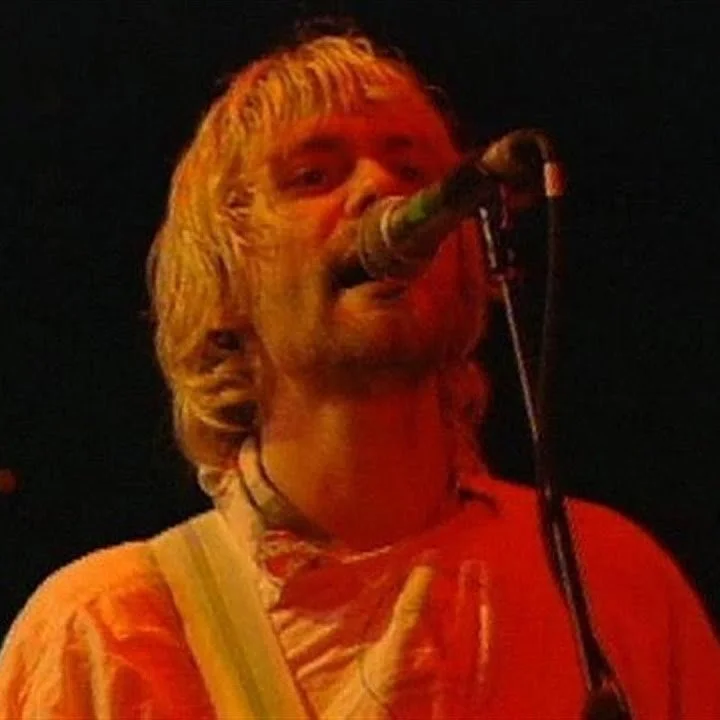
Nirvana - Dumb
Nirvana's song "Dumb" is a poignant track from their third and final studio album, "In Utero," released in 1993. However, an earlier version of the song was recorded for the BBC in September 1991, two years prior to its official album release. The song is notable for its softer, more melodic sound compared to much of Nirvana's grunge output, featuring cello accompaniment that adds to its introspective and melancholic atmosphere.
Lyrically, "Dumb" is often interpreted as Kurt Cobain's reflection on happiness, innocence, and the numbing effects of drugs. Cobain himself reportedly viewed the song as an exploration of individuals who are "easily amused" and perhaps ignorant of deeper complexities, a perspective he sometimes associated with a sense of blissful unawareness. The lyrics, such as "I'm not like them, but I can pretend / The sun is gone, but I have a light," convey a sense of detachment and a search for solace, even if it's fleeting or artificial.
Despite its relatively subdued nature, "Dumb" has resonated deeply with fans and critics alike. It stands out on "In Utero" for its raw emotional honesty and its departure from the band's more aggressive sound. The song's enduring appeal lies in its ability to capture a universal feeling of vulnerability and the complex relationship between pain and fleeting moments of contentment.
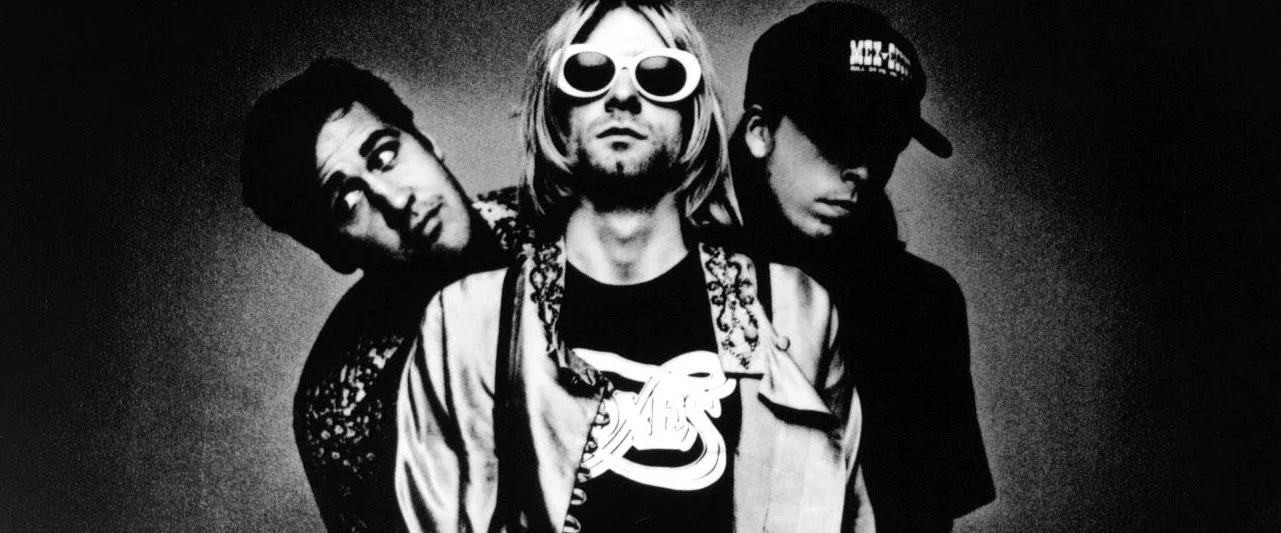
Nirvana - Frances Farmer Will Have Her Revenge On Seattle
Nirvana's "Frances Farmer Will Have Her Revenge On Seattle" is one of those deep-cut tracks from their 1993 album In Utero. It's a haunting and intense song, with a driving, grunge-heavy sound that captures Kurt Cobain’s raw emotions and frustration. The track was written as a reflection on the personal struggles of actress Frances Farmer, who faced a turbulent life marked by mental illness, media exploitation, and institutionalization. She was an actress from Seattle working the early 1930’s and 1940’s making movies known for her wild antics and erratic behavior publicly. After several arrests, she was diagnosed with paranoid schizophrenia. Her family had her committed to an institution, of which she wouldn’t leave until 1950. Kurt had been fascinated by Farmer's life since high school following reading the controversial 1978 Farmer biograph, Shadowland. Cobain, in particular, related to her story and saw parallels with his own experiences of being misunderstood and scrutinized.
Musically, the song is marked by heavy, distorted guitars, a brooding atmosphere, and a sense of chaos that’s typical of In Utero’s abrasive production, handled by Steve Albini. The song also stands out for its shifts between quieter, more reflective sections and explosive, loud moments. It’s a pretty powerful track that reflects the darker themes Cobain explored on the album.
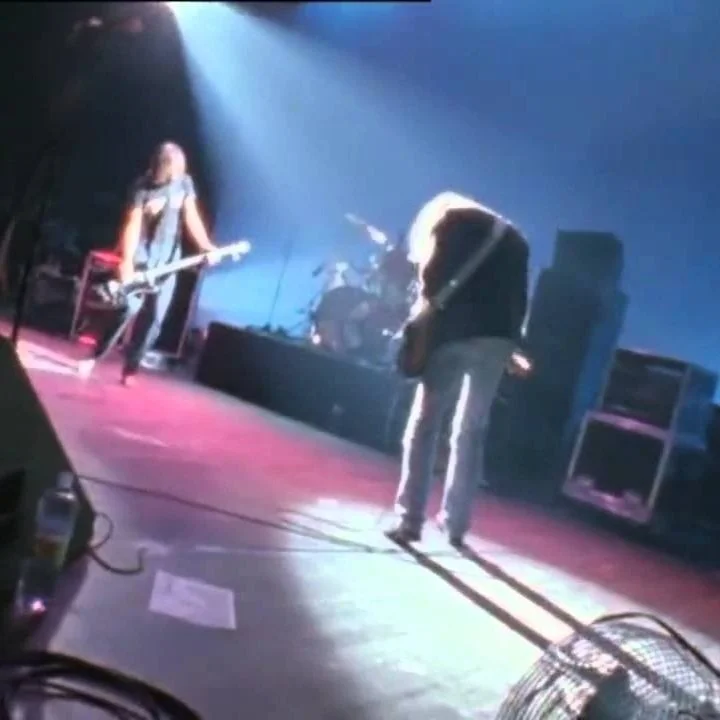
Nirvana - Jesus Doesn't Want Me For A Sunbeam
"Jesus Doesn't Want Me for a Sunbeam" is a track by Nirvana from their 1993 MTV Unplugged in New York album. It's actually a cover of a song by the Scottish band The Vaselines. Kurt Cobain's rendition is notable for its raw, emotional delivery and stark contrast to the original's more upbeat, punky vibe. The song’s themes revolve around feeling unworthy or out of place, with a sense of ironic detachment. It’s a powerful example of Nirvana’s ability to put their own spin on songs and make them uniquely their own.
The live performance of "Jesus Doesn't Want Me for a Sunbeam" by Nirvana from their concert at The Paramount in Seattle in 1991 is a memorable one. This version was part of a show that captured the band's raw energy and unique take on music.
The Paramount performance is notable for its more intense and gritty interpretation compared to the MTV Unplugged version, showcasing Nirvana's versatility and the band's ability to convey emotion through different arrangements. This live recording highlights the band's dynamic stage presence and their knack for transforming songs to fit their own style, while still paying homage to the original artists.
The concert as a whole is often celebrated for its high energy and the way it encapsulates the early '90s grunge scene. If you haven’t had a chance to check it out, it's definitely worth listening to for a taste of Nirvana’s live prowess.


Nirvana - School
“School” is a track by Nirvana from their debut album, Bleach, released in 1989 on the independent record label Sub Pop. School is one of the songs on this album and showcases Nirvana's early sound, characterized by heavy distortion, raw energy, and Kurt Cobain's signature raspy vocals. The song addresses themes of teenage angst, disillusionment with education, and societal pressures. Bleach laid the foundation for Nirvana's future success and is considered a seminal album in the development of grunge music.
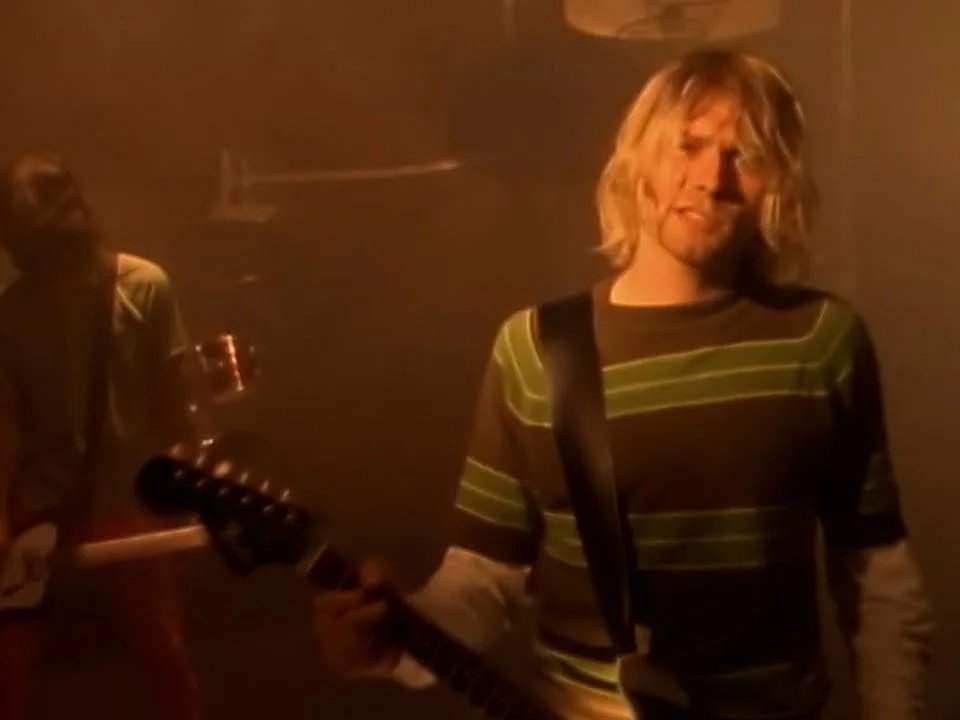
Nirvana - Smells Like Teen Spirit
"Smells Like Teen Spirit" was released to radio on August 27, 1991. Then on September 10, 1991 it was released as the lead single from Nevermind, Nirvana's major label debut on DGC Records. "Smells Like Teen Spirit" is one of Nirvana's most iconic songs. Released in 1991, it became an anthem of the grunge movement and is often credited with bringing alternative rock into the mainstream. The song features a powerful, catchy riff and Kurt Cobain's distinctive vocal style. Its lyrics, though somewhat cryptic, are often seen as a critique of commercialism and the superficial aspects of popular culture. The song's music video, with its rebellious high school pep rally vibe, perfectly captured the spirit of the era.