
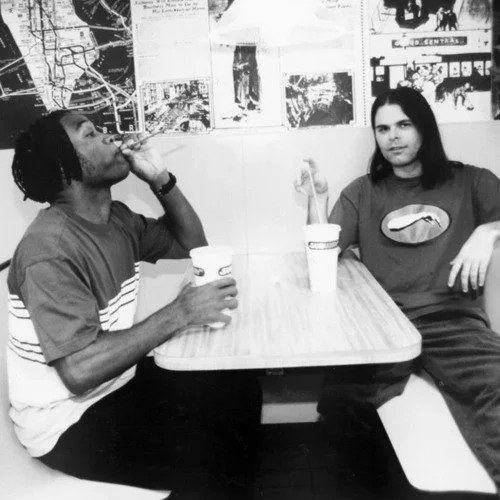
Local H - Bound For The Floor
Local H's "Bound for the Floor," released as the lead single from their 1996 album As Good as Dead, became a defining track for the alternative rock duo. The song is recognized for its raw energy and lyrics that resonate with feelings of apathy and being beaten down, themes prevalent in the rock music of that era.
The genesis of the song's distinctive guitar riff can be traced to frontman Scott Lucas's apartment in Zion, Illinois. Lucas, who wrote the song with then-drummer Joe Daniels, experimented with stacked fifth chords, inspired by learning Police songs, and a moving bass line that he was perfecting for his unique guitar setup. The combination of these elements formed the core of the riff.
The title "Bound for the Floor" does not appear directly in the lyrics but alludes to the opening line, "Born to be down." The song explores a sense of resignation and frustration, a common thread throughout the As Good as Dead album, which itself is a concept album reflecting on dead-end, small-town life, drawing from the band's origins in Zion, Illinois. The chorus, with its line "You keep it copacetic," uses a word that Lucas intentionally incorporated for its archaic nature and its rhyme with "pathetic," adding a layer of clever wordplay to the song's cynical tone.
"Bound for the Floor" became Local H's most recognizable hit, a staple on alternative radio stations, and their only entry on the mainstream charts. The band, consisting of just a guitarist and a drummer, carved out a niche in the grunge and alternative scene. The music video for the song, directed by Frank W. Ockenfels, utilized muted colors and white flashes, characteristic of grunge videos of the time, further cementing its place within the 90s alternative rock aesthetic. Despite their subsequent releases and continued work, "Bound for the Floor" remains the song for which Local H is most widely known, encapsulating a particular mood and sound of its era.
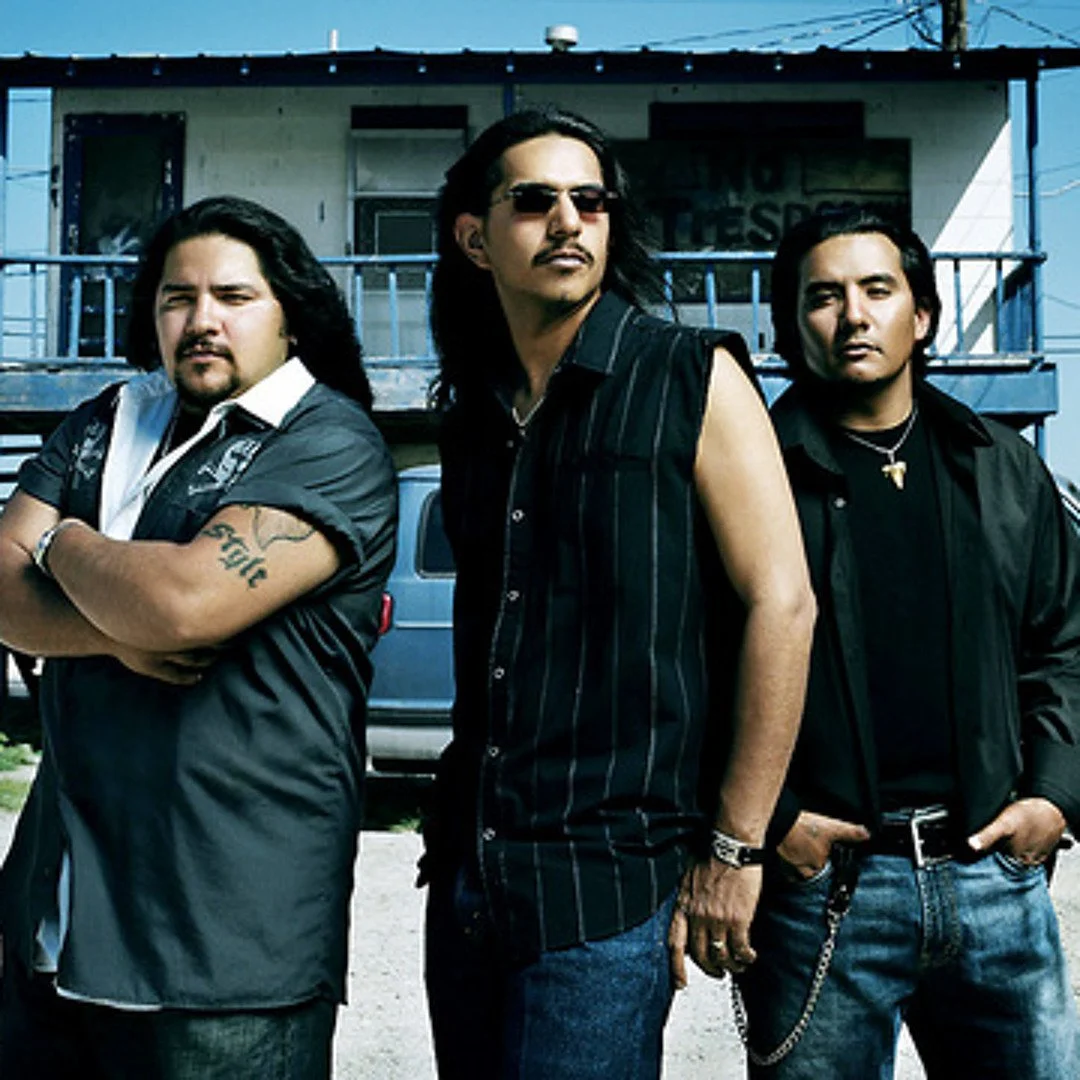
Los Lonely Boys - Heaven
"Heaven" is a song by the American rock band Los Lonely Boys, released as the lead single from their self-titled debut album in 2004. The track became their breakout hit, blending elements of rock, blues, and Tejano music to create a unique sound that resonated with a wide audience. Written by the band's members—brothers Henry, Jojo, and Ringo Garza—"Heaven" is a heartfelt song about love, faith, and longing. Its catchy melody, combined with soulful guitar riffs and the Garza brothers' harmonious vocals, helped the song become a commercial success.
"Heaven" reached number one on the Billboard Adult Contemporary chart and earned the band a Grammy Award for Best Pop Performance by a Duo or Group with Vocal in 2005. Its success also marked a significant moment for Los Lonely Boys, who had spent years performing in the Texas music scene before gaining national recognition. The song’s appeal lies not only in its musical fusion but also in its universal message of hope and searching for a better place, making it relatable to a wide range of listeners.
The song’s success was a key factor in the band's rise to fame, but it also helped establish them as a distinctive voice in the early 2000s music scene, blending rock and Latin influences in a way that few others were doing at the time. Over the years, "Heaven" has remained one of Los Lonely Boys’ most beloved songs, frequently featured in their live performances and continuing to hold a special place in the hearts of fans.
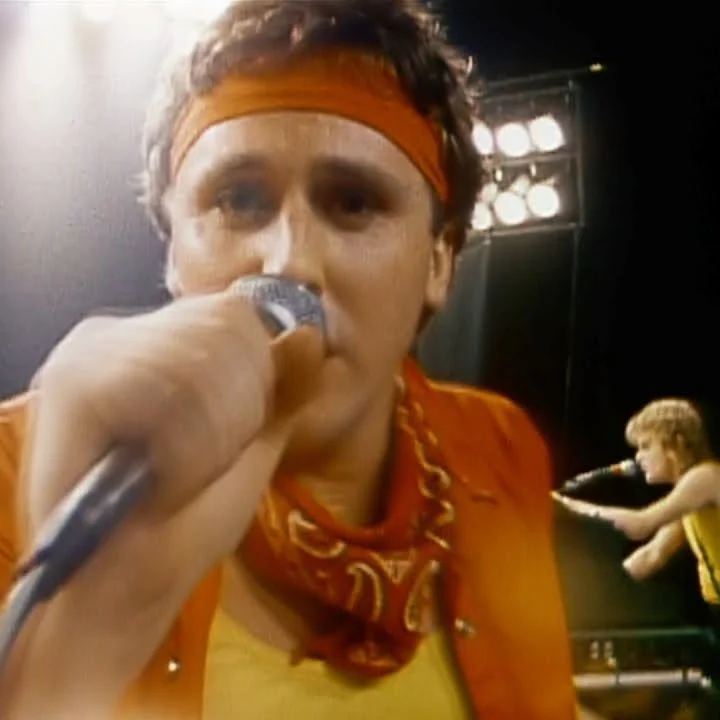
Loverboy - Working for the Weekend
"Working for the Weekend" by Loverboy is a classic from the 1980s, featured on their 1981 album Get Lucky. This song perfectly captures the upbeat, energetic spirit of that era and is one of the band's most well-known hits.
The song is all about looking forward to the weekend and letting loose after a long workweek. With its catchy chorus and driving beat, it embodies the fun, carefree vibe that defined much of 80s rock music. The lyrics are straightforward and celebratory, encouraging listeners to enjoy their time off and make the most of their weekend.
The track became a staple on rock radio and is still a popular choice for parties and sports events. Its infectious energy and relatable theme have made it a timeless anthem for those eager to escape the workweek grind.
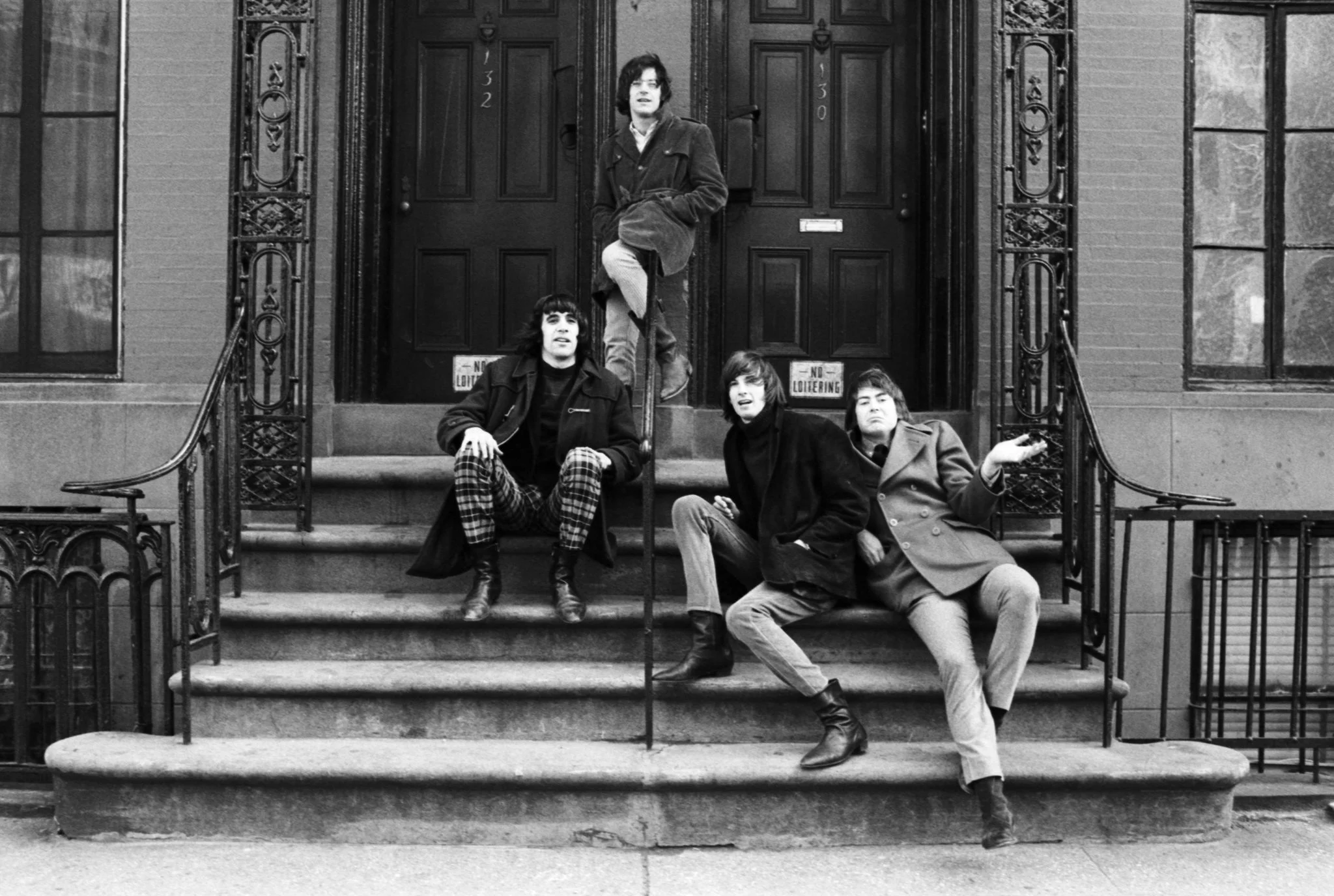
Lovin' Spoonful - Summer In The City
“Summer in the City” is a song by the Lovin’ Spoonful that captures the intense, restless atmosphere of a hot day in an urban environment. Written by John Sebastian, Mark Sebastian, and Steve Boone, the song was released in 1966 on the album Hums of the Lovin’ Spoonful and became one of the group’s biggest hits. Unlike the band’s lighter folk-rock songs, it used a heavier and more dramatic sound, combining pounding drums, distorted guitar, keyboards, and recorded city noises to create the feeling of traffic, heat, and crowded streets. Its lyrics contrast the uncomfortable daytime conditions with the excitement and energy of the city at night, making the song both a portrait of urban summer life and a reflection of the changing musical style of the mid-1960s.


Macklemore and Ryan Lewis - Same Love feat. Mary Lambert
"Same Love" is a song by American hip hop duo Macklemore and Ryan Lewis, featuring vocals by Mary Lambert. It was released as the third single from their debut studio album, The Heist, in 2012. The song addresses themes of LGBTQ+ rights, specifically advocating for same-sex marriage equality and challenging homophobia within the hip hop community and society at large.
"Same Love" received widespread acclaim for its poignant lyrics and powerful message, becoming an anthem for the LGBTQ+ rights movement. The song's success helped spark important conversations about equality and acceptance, and it remains a significant cultural touchstone in the fight for LGBTQ+ rights.

Madness - Our House
Madness, the popular English ska and pop band, released their enduring hit "Our House" on November 12, 1982, as the lead single from their fourth studio album, "The Rise & Fall." The song was primarily written by band members Chris Foreman and Chas Smash. It quickly became one of their most recognizable tracks, celebrated for its catchy melody and vivid lyrical portrayal of everyday family life in a working-class London home.
The inspiration for "Our House" reportedly came from observations of domestic routines and the comforting familiarity of home. The song's upbeat tempo and singalong chorus contributed to its widespread appeal, mak
ing it a staple of 1980s pop music. "Our House" achieved significant international success, charting within the top ten in multiple countries. It was particularly successful in the United States, where it became Madness's only Top 10 hit on the Billboard Hot 100, peaking at number seven in 1983. The song also earned critical acclaim, winning Best Pop Song at the Ivor Novello Awards in May 1983. Its accompanying music video, which humorously depicted the band members engaging in various household activities, further cemented its place in popular culture and contributed to its lasting charm and enduring popularity.
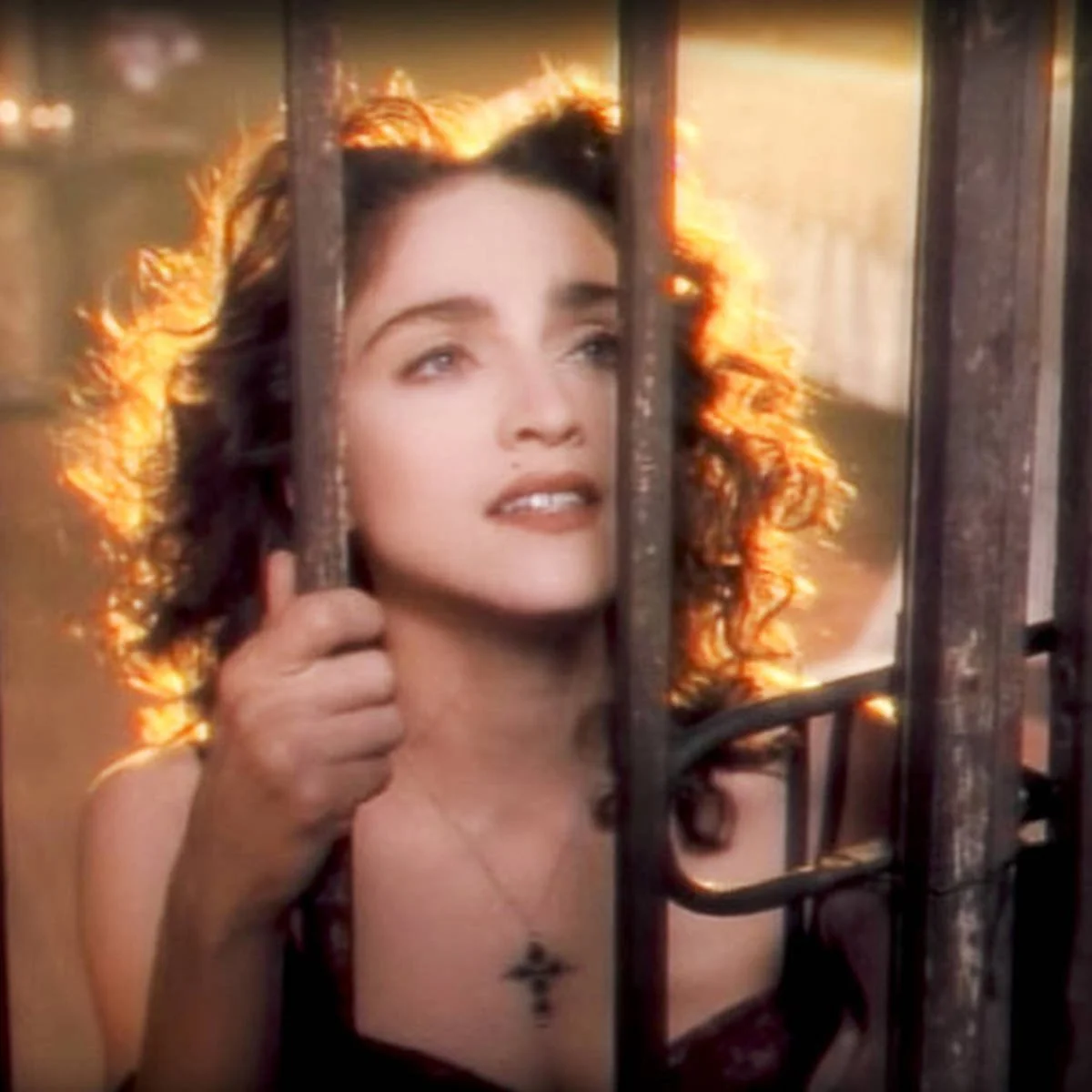
Madonna - Like A Prayer
"Like A Prayer" is a song by Madonna, released in 1989 as the title track from her fourth studio album. The song explores themes of spirituality, love, and redemption, intertwining religious imagery with personal reflection. It marked a significant evolution in Madonna's musical style, incorporating elements of gospel and pop.
The song's music video, directed by Mary Lambert, featured controversial imagery, including religious symbols and themes of racial discrimination. This sparked significant debate and backlash from religious groups upon its release, but it also highlighted Madonna's willingness to push boundaries and challenge societal norms.
"Like A Prayer" became one of Madonna's most acclaimed works, both commercially and critically, and is often regarded as one of her signature songs. Its impact has endured over the years, influencing numerous artists and remaining relevant in popular culture. The song was a commercial success worldwide, and its powerful message continues to resonate with audiences today.
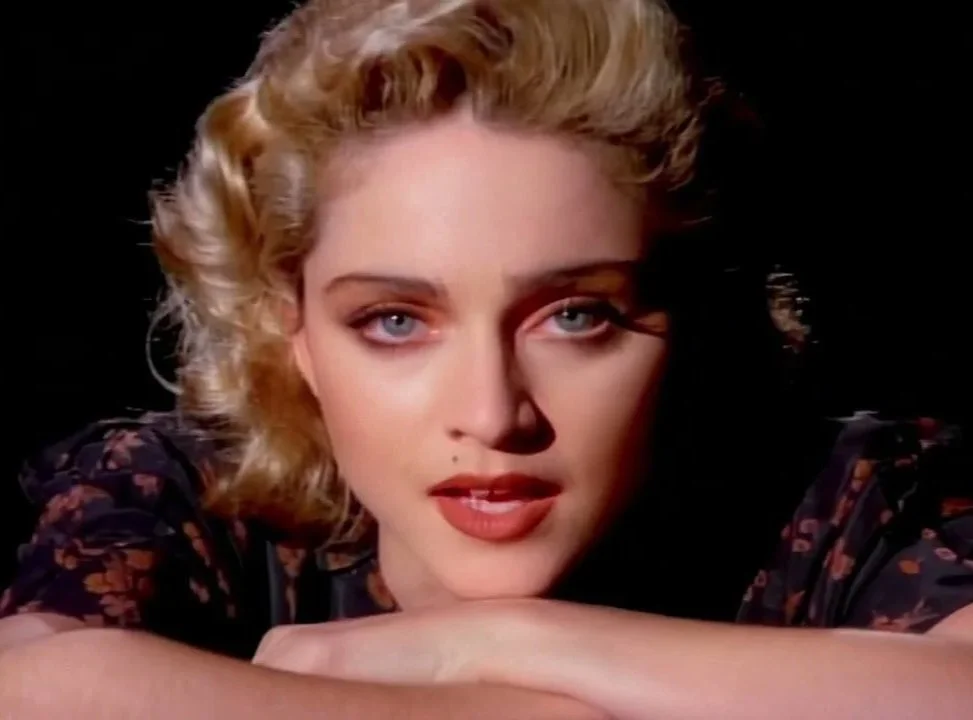
Madonna - Live To Tell
Madonna’s “Live to Tell” was released on March 26, 1986. It served as the lead single from the soundtrack of the film At Close Range and was later included on her third studio album, True Blue, released in June 1986. Madonna’s “Live to Tell” is a deeply emotional song about secrecy, suffering, betrayal, and the courage to survive difficult experiences. Its slow tempo, haunting melody, and gentle vocal delivery create a serious and reflective atmosphere. Instead of presenting strength through anger or confrontation, Madonna conveys it through quiet endurance and emotional control. The song’s speaker appears to carry painful memories that cannot easily be shared, suggesting that silence can sometimes be a way of protecting oneself. At the same time, the desire to reveal the truth shows the importance of honesty and personal expression. The song explores how hidden experiences can shape a person’s identity and relationships, while also emphasizing the possibility of healing through acceptance. Madonna’s restrained performance makes the emotion feel personal and sincere, allowing listeners to connect with the themes of vulnerability and resilience. Overall, “Live to Tell” presents survival as a form of strength and suggests that facing the truth, even when it is painful, can help a person regain control over their life.

Mark Ronson - Uptown Funk ft. Bruno Mars
"Uptown Funk" is a catchy and energetic pop song by British producer Mark Ronson, featuring American singer Bruno Mars. Released in November 2014, it became a global hit, topping charts worldwide and becoming a cultural phenomenon.
The official music video for "Uptown Funk" is colorful, vibrant, and full of energy, matching the upbeat feel of the song. Set in a retro, '80s-inspired aesthetic, the video showcases a fun, funky street vibe with lots of dancing, flashing lights, and Bruno Mars leading a crew through various choreographed routines. Ronson appears in the video as well, adding to the playful, celebratory atmosphere.
The song itself is a fun blend of funk, pop, and R&B, with an infectious groove that channels the energy of classic funk artists like James Brown and Prince, while still feeling fresh and modern. "Uptown Funk" became known for its catchy chorus ("Don't believe me, just watch!") and its signature funky instrumental breaks.
The video helped elevate the song even further, with its lively visuals and charismatic performances by Bruno Mars and his dancers. It also features memorable scenes, like Mars strutting down the street in a sleek suit, showcasing his smooth dance moves and energetic style.
"Uptown Funk" received critical acclaim and won several awards, including multiple Grammys. It's one of the most-streamed songs of all time and remains one of the defining tracks of the mid-2010s pop scene.
Maroon 5 - Memories
Maroon 5's globally successful single, "Memories," released on September 20, 2019, and later featured on their 2021 album Jordi, stands as a poignant tribute to loss and remembrance. The song was primarily conceived by Adam Levine, alongside co-writers Michael Pollack, Jacob Kasher Hindlin, Jon Bellion, Vincent Ford, Stefan Johnson, and Jordan Johnson, with production handled by Levine and The Monsters & Strangerz. The profound inspiration behind "Memories" is the untimely passing of Jordan Feldstein, Maroon 5's longtime manager and a childhood friend of Adam Levine. Feldstein, who was also the brother of actors Jonah Hill and Beanie Feldstein, died unexpectedly in December 2017 at the age of 40 from a pulmonary embolism. Levine has openly spoken about the deep personal impact of this loss, describing Feldstein as someone he had known since childhood, making the song and the album title "Jordi" direct homages to his memory.
Musically, "Memories" is notable for its distinct composition, which prominently features the harmonic progression of Johann Pachelbel's renowned "Canon in D Major." The song adopts the classical piece's iconic eight-note chord sequence (I–V–vi–iii–IV–I–IV–V), transposed to B major, forming the backbone of its melody. Additionally, the track subtly incorporates melodic elements from Bob Marley & The Wailers' "No Woman, No Cry," with Vincent Ford receiving a writing credit. In contrast to Maroon 5's more elaborate productions, "Memories" employs a minimalist arrangement, characterized by a stripped-back combination of guitar, keyboards, and vocals, which serves to amplify the emotional depth of the lyrics. Lyrically, the song delves into themes of grief, nostalgia, and the act of cherishing those who are no longer present. Its widely recognized chorus, "Here's to the ones that we got / Cheers to the wish you were here, but you're not," has resonated with audiences worldwide as an anthem for mourning and celebrating lost loved ones, capturing the bittersweet reality that everyday experiences, like having a drink, can evoke a flood of memories.
Upon its release, "Memories" achieved significant commercial success, reaching the top 10 in over 30 countries and peaking at number 2 on the Billboard Hot 100 in the United States. Critical reception, however, was somewhat divided; while many praised the song's emotional honesty and simplicity, some critics found the direct interpolation of Pachelbel's Canon to be unoriginal or the production too sparse. The accompanying music video further underscored the song's personal nature, featuring a close-up shot of Adam Levine singing directly into the camera, concluding with a heartfelt dedication: "For Jordi." This visual element reinforced the song's sincere message, solidifying its place as a powerful and enduring tribute within Maroon 5's discography.


Martha & The Vandellas - Dancing in the Streets
"Dancing in the Streets" by Martha and the Vandellas, released in 1964, is one of the most iconic songs of the 1960s and a defining example of the Motown sound. Written by Marvin Gaye, William "Mickey" Stevenson, and Ivy Jo Hunter, the song blends soul, R&B, and pop to create an upbeat, infectious anthem of unity and celebration. Its lyrics, urging people from cities across the United States to come together and dance, became a symbol of joy and solidarity, resonating with the social and political movements of the time, particularly the Civil Rights Movement. Although the song is a fun and energetic call for togetherness, it also carried an underlying message of hope and change. "Dancing in the Streets" became a massive commercial success, reaching #2 on the Billboard Hot 100, and has since been covered by several artists, including David Bowie and Mick Jagger in 1985. The song remains a timeless classic, celebrated for its powerful message and enduring cultural impact.

Marvin Gaye - What's Going On
"What's Going On" by Marvin Gaye is one of the most iconic songs in music history, released in 1971 as the title track of his album of the same name. The song tackles serious social issues, including poverty, war, racism, and the struggles of marginalized communities. It was inspired by Gaye's brother, who had just returned from the Vietnam War, as well as Gaye’s own growing awareness of social injustices in the world.
The song’s smooth, soulful melody contrasts with its heavy, introspective lyrics, and its introspective tone is what made it a groundbreaking track in the R&B and soul genres. "What's Going On" became a protest anthem and remains relevant today for its powerful message of compassion, understanding, and the need for social change.
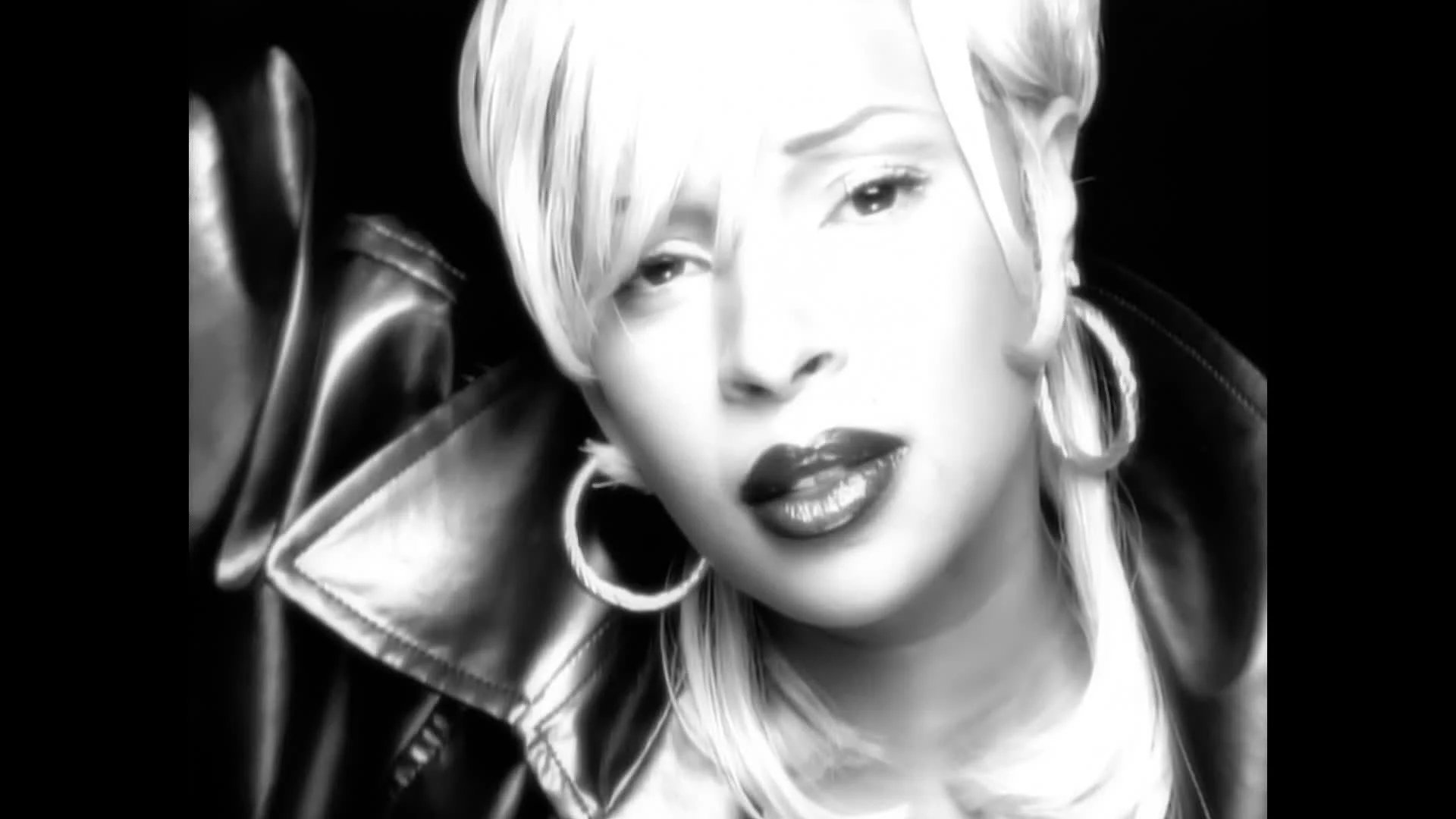
Mary J. Blige - I'm Goin' Down
Mary J. Blige's powerful rendition of "I'm Goin' Down" became a standout track from her critically acclaimed 1994 album, My Life. While widely associated with Blige, the song is a cover of a classic torch ballad originally performed by the American soul and R&B group Rose Royce in 1976, featured on the soundtrack of the film Car Wash.
Blige's version, released as the second single from My Life, was produced by Sean "Diddy" Combs and Chucky Thompson. Her interpretation brought a raw, emotional depth to the song, perfectly aligning with the themes of pain, vulnerability, and resilience that defined the My Life album. The track resonated deeply with audiences, showcasing Blige's ability to infuse classic material with her unique hip-hop soul style.
The song's music video, directed by Matthew Rolston, was shot in black-and-white and featured iconic imagery of multiple Mary J. Bliges, dressed in a black pantsuit, rhythmically descending a white stairway. This visual became one of the most memorable of her early career, further cementing the song's impact. "I'm Goin' Down" achieved significant commercial success, peaking at number 22 on the US Hot 100 and reaching number 13 on the R&B charts, solidifying Blige's status as the "Queen of Hip-Hop Soul."
Despite another R&B girl group, Y?N-Vee, releasing their own cover of the Rose Royce song around the same time, Blige's version ultimately overshadowed the competition, becoming the definitive modern interpretation. The enduring popularity and emotional resonance of Mary J. Blige's "I'm Goin' Down" highlight her profound artistry and her ability to connect with listeners through heartfelt performances.

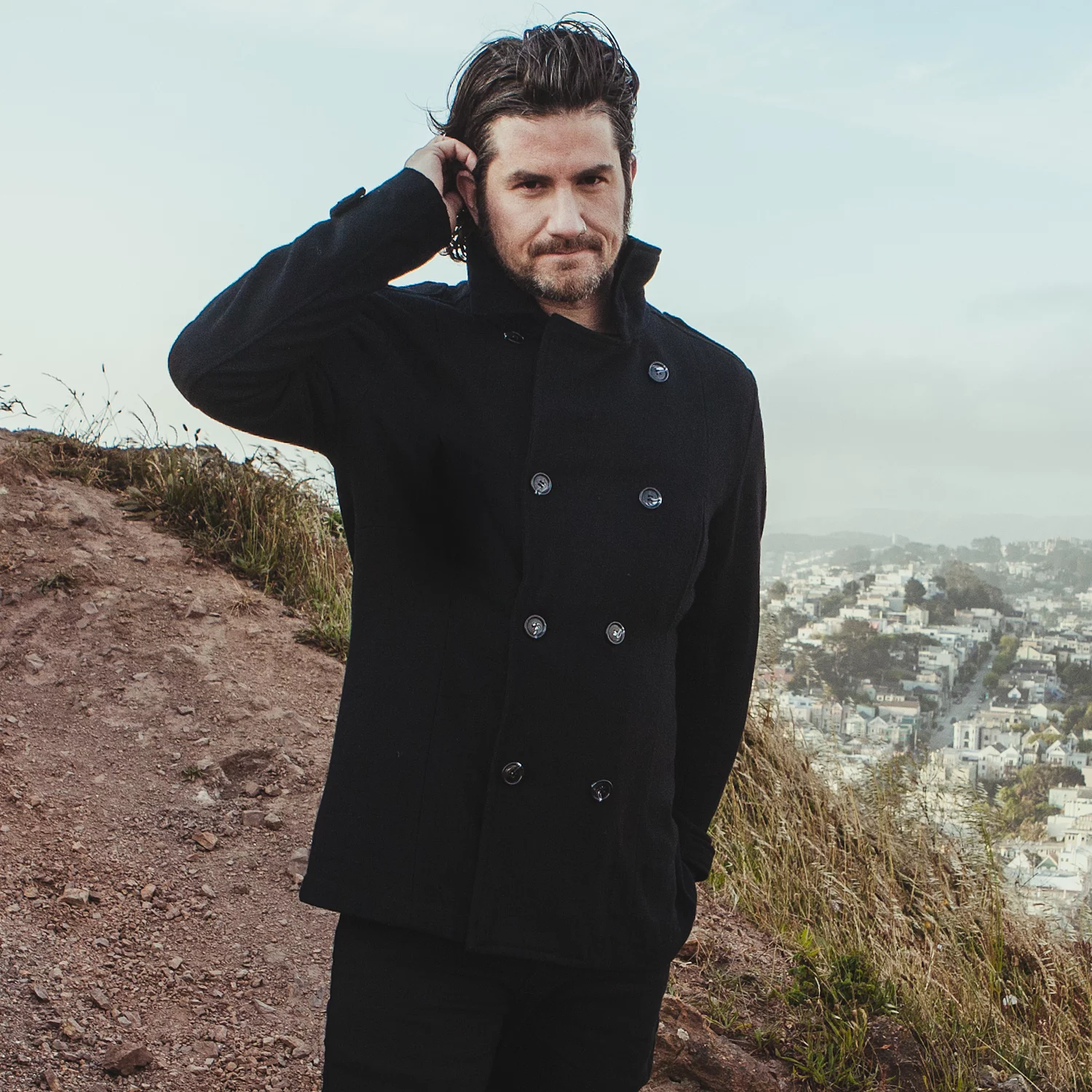
Matt Nathanson - Come On Get Higher
“Come On Get Higher” is one of Matt Nathanson’s most recognizable songs and is widely associated with the emotional, acoustic style that helped define his career. The song focuses on the tension between wanting to move on and still being drawn toward someone from the past. Rather than presenting love as simple or perfect, it describes a relationship filled with desire, regret, loneliness, and emotional uncertainty. The speaker appears to be addressing a person who has left a lasting impression, expressing a wish to return to the intimacy they once shared even though the relationship has also caused pain.
The song was written by Matt Nathanson and released on his 2007 album, Some Mad Hope. At the time, Nathanson had already spent years developing a following through live performances and independent releases, but “Come On Get Higher” brought him much greater public attention. Its success marked an important turning point in his career and helped establish him as a singer-songwriter capable of combining personal storytelling with accessible pop-rock melodies. The song’s popularity also introduced many listeners to his conversational vocal delivery and emotionally open songwriting.
Musically, “Come On Get Higher” has a gentle, melodic arrangement built around acoustic guitar and a steady pop-rock rhythm. The relatively simple production allows the lyrics and vocals to remain the center of attention. Nathanson sings with a raw and vulnerable tone, which gives the song a sense of honesty. His performance sounds intimate rather than overly dramatic, making the emotions feel personal and believable. As the song develops, the arrangement becomes fuller, reflecting the growing intensity of the speaker’s feelings.
The phrase “come on, get higher” can be understood in several ways. It may suggest emotional escape, the excitement of being in love, or the desire to rise above sadness and disappointment. The song does not provide a clear resolution to the relationship, which makes it feel realistic. Instead, it captures a moment when someone is caught between memory and hope. The speaker knows that the relationship may be complicated, but still longs for the closeness and excitement it once provided.
The history of the song is closely connected to Nathanson’s rise from a respected independent performer to a more widely known recording artist. After its release, the song received significant radio attention and became a major commercial success. It helped expand his audience and became a defining part of his live performances. Even years after its release, the song has continued to connect with listeners because its themes are familiar: missing someone, remembering a relationship, and wanting another chance despite knowing that love can be painful.
Overall, “Come On Get Higher” is a song about emotional attachment and the difficulty of letting go. Its lasting appeal comes from the combination of a memorable melody, direct lyrics, and Nathanson’s sincere vocal performance. The song portrays love as both comforting and destructive, showing how people can continue to desire someone even after a relationship has become uncertain or painful. Because of this emotional balance, it remains one of Matt Nathanson’s most memorable and meaningful songs.