

LP - Lost On You
"Lost on You" by LP was released in 2015 as the title track of her album Lost on You, it became a breakthrough hit for LP, especially in Europe. The song is known for its emotional depth, with LP's raw, powerful vocals conveying heartbreak, regret, and the complexities of a love that's slipping away.
The lyrics are poignant and introspective, with a mix of vulnerability and defiance that resonates with many listeners. The way LP’s voice rises and falls throughout the song adds a sense of urgency and emotion, which is part of why it connects so deeply with people.
The blend of folk, rock, and indie pop elements in the production makes the song stand out as well. Plus, the music video is visually striking, with a mysterious, almost cinematic feel to it.
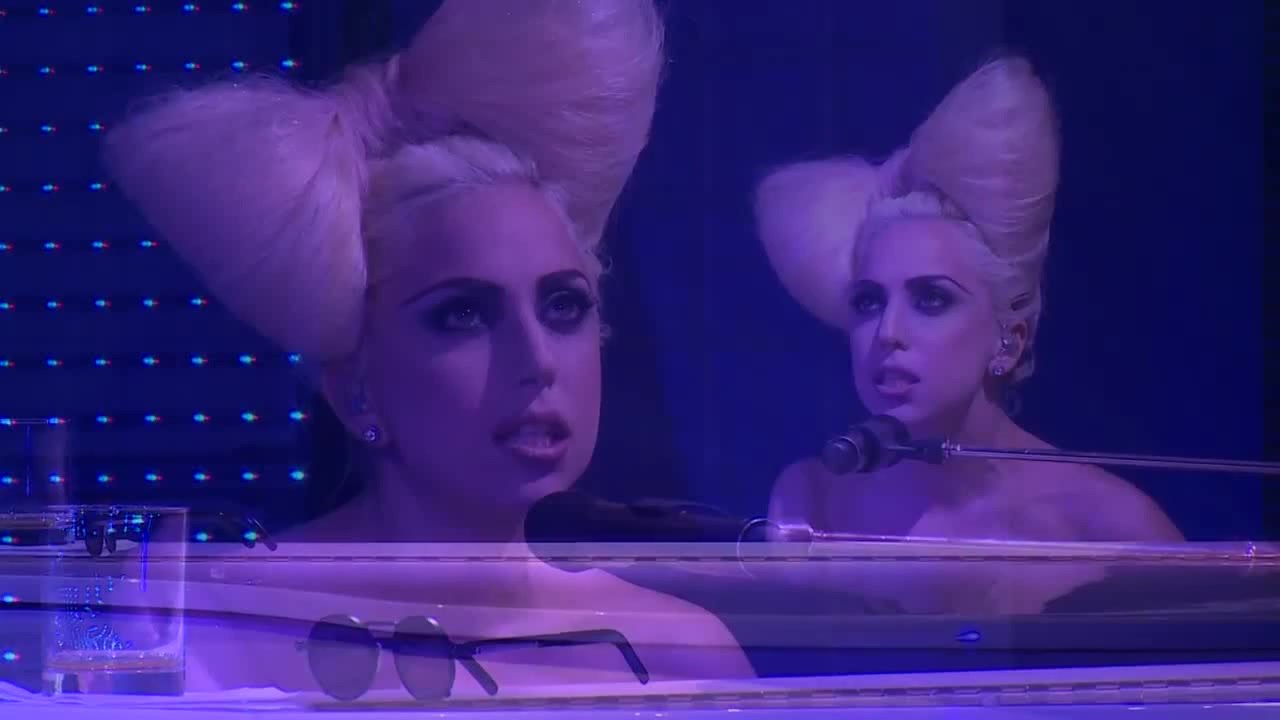
Lady Gaga - Speechless
“Speechless” is a rock power ballad by Lady Gaga, released on November 18, 2009, as part of her extended play The Fame Monster. The song was written to convey her “fear of death” and implore her father to have the open-heart surgery needed for his condition. Gaga wrote the song while on tour during a depressive period, explaining that it’s about phone calls with her father, who would call after drinking, leaving her speechless as she feared losing him and not being there. Her father, Joseph, had the heart operation on October 22, 2009, just weeks before the album’s release. The track marked a significant departure from Gaga’s typical dance-pop style, featuring piano-driven instrumentation, live guitar, bass, and drums recorded at Record Plant Studios in Los Angeles. The song is a rock power ballad with influences of 1970s rock, blues rock, glam rock and country music. Critics noted her raw, raspy vocal delivery, with some comparing her performance to Freddie Mercury and Queen’s dramatic rock ballads. The song received mixed critical reception—while many praised its emotional depth and vocal power, some viewed it as a weaker moment compared to her electro-pop hits. Despite not being released as a single, “Speechless” became a fan favorite and a staple of her live performances, including a memorable 2010 Grammy Awards performance where she sang it as a medley with Elton John.

Lady Gaga and Bruno Mars - Die With A Smile
"Die with a Smile" is a song by Lady Gaga and Bruno Mars, released on August 16, 2024, through Interscope Records. The track was co-written and produced by Gaga, Mars, Dernst "D'Mile" Emile II, and Andrew Watt, with additional songwriting contributions from James Fauntleroy. The collaboration came about when Mars invited Gaga to his studio while working on new material. He played her the song in progress, and the two finished writing and recording it together on the same day. "Die With A Smile" is a song that explores themes of love, resilience, and the importance of embracing life's moments, even in the face of challenges. The lyrics convey a message of finding joy and meaning in relationships, suggesting that it's possible to hold onto positivity and gratitude, even as life changes. The collaboration between Gaga's powerful vocal delivery and Mars' smooth, emotional style creates a touching balance that resonates with listeners. Together, they celebrate the idea of living life fully and leaving a lasting impression through love and happiness.

Lauryn Hill - Doo Wop (That Thing)
"Doo Wop (That Thing)" is one of Lauryn Hill's most iconic songs, released as the lead single from her debut solo album The Miseducation of Lauryn Hill in 1998. The song blends hip-hop, R&B, and soul, and became a massive commercial hit, reaching No. 1 on the Billboard Hot 100 chart.
The lyrics of the song address themes of self-respect, materialism, and the pressures of societal expectations, particularly around gender and relationships. Hill's delivery mixes rapping with soulful singing, and the track's message is both empowering and cautionary.
The song's infectious beat, which incorporates a vintage doo-wop sound, was produced by Lauryn Hill herself. The song's popularity, as well as its socially conscious message, cemented Hill's place as one of the most important artists of the late '90s and beyond. "Doo Wop (That Thing)" remains a key part of Hill's legacy as both a musical innovator and a voice of empowerment.

Led Zeppelin - Moby Dick
"Moby Dick" is an instrumental track by Led Zeppelin from their 1969 album Led Zeppelin II. The song is best known for its powerful and lengthy drum solo by drummer John Bonham, showcasing his extraordinary skill, precision, and endurance. It begins with a heavy blues-inspired guitar riff by Jimmy Page, which quickly gives way to Bonham’s solo performance that dominates the rest of the track. During live concerts, "Moby Dick" would often extend for over 20 minutes, with Bonham sometimes playing parts of it with his bare hands. The track is a testament to Bonham’s legendary status as one of rock's greatest drummers and stands out as a unique piece in Led Zeppelin’s catalog for its focus on percussion and absence of vocals.

Led Zeppelin - Stairway to Heaven
If you love live monster guitar jams; cue in at 6:05 on the video and enjoy the ride.
“Stairway to Heaven” is one of the most iconic songs by the British rock band “Led Zeppelin”. It was composed by guitarist Jimmy Page and vocalist Robert Plant for the band's untitled fourth studio album, commonly known as Led Zeppelin IV”, released in 1971. The song is renowned for its epic length, intricate arrangement, and profound lyrics.
“Stairway to Heaven” begins softly with acoustic guitar and gradually builds in intensity, incorporating electric guitar, bass, drums, and eventually orchestral elements. The song features dynamic shifts in tempo and mood, showcasing the band's musical versatility and creativity. Robert Plant's vocals soar alongside Jimmy Page's intricate guitar work, creating a timeless and immersive listening experience.
The lyrics of “Stairway to Heaven” are often interpreted as allegorical, touching on themes of spirituality, enlightenment, and the pursuit of worldly success. The song's enigmatic imagery and evocative storytelling have contributed to its enduring popularity and status as one of the greatest rock songs of all time.

Leon Russell - A Song For You
Leon Russell's poignant ballad, "A Song For You," first appeared on his self-titled debut solo album in 1970. Written by Russell, the song quickly became a timeless classic, celebrated for its heartfelt lyrics and emotional depth. It is a deeply personal composition, often interpreted as a direct address from the songwriter to a loved one, expressing vulnerability and a desire for understanding. While the exact inspiration for the song has been a subject of speculation, with some suggesting it was written for singer Rita Coolidge, Russell himself indicated it was for someone he had an argument with, highlighting its intimate and confessional nature.
"A Song For You" gained widespread recognition not only through Russell's original rendition but also through an extraordinary number of cover versions by various legendary artists. Over 200 musicians have recorded their interpretations of the song, solidifying its status as one of the most covered songs in American music history. Notable covers include those by The Carpenters, Donny Hathaway, and Ray Charles. Donny Hathaway's live performance of the song, featured on his 1972 album Donny Hathaway Live, is particularly iconic. Ray Charles's rendition, released in 1993, earned him a Grammy Award for Best Male R&B Vocal Performance, further cementing the song's enduring appeal and its ability to transcend genres. The song's profound impact on music was recognized in 2018 when it was inducted into the Grammy Hall of Fame, a testament to its lasting cultural and artistic significance.

Lesley Gore - You Don't Own Me
Released in late 1963, You Don't Own Me stands as one of the most significant milestones in the history of pop music, marking a sharp departure from the teenage melodrama that characterized the early 1960s. At only seventeen years old, Lesley Gore recorded the track under the guidance of producer Quincy Jones, who had previously helped her reach the top of the charts with the bubblegum classic It's My Party. While her earlier hits often centered on the anxieties of teenage romance and the approval of boys, this new recording presented a startlingly mature and assertive persona. The song eventually climbed to number two on the Billboard Hot 100 in early 1964, famously held back from the top spot only by the arrival of The Beatles and their hit I Want to Hold Your Hand.
The song was composed by the Philadelphia songwriting duo John Madara and David White, who were consciously attempting to subvert the passive role usually assigned to female singers in that era. Frustrated by the prevalence of songs that depicted women as victims of unrequited love or subservient partners, they set out to write a "telling off" song. Madara has since noted that the spirit of the track was deeply influenced by his own experiences in the civil rights movement, particularly the injustices he witnessed in the American South. This background infused the lyrics with a broader sense of resistance against systemic oppression, transforming a personal declaration of independence into a universal anthem for human dignity and fair treatment.
Musically, the song is structured to reflect its emotional journey, beginning in a somber minor key during the verses before shifting into a triumphant major key for the chorus. This modulation creates a physical sense of "lift" and liberation that mirrors the lyrical themes. The song is notable for its use of strictly declarative sentences, leaving no room for ambiguity or questioning. By asserting that she is not a "toy" and refusing to be "put on display," Gore challenged the prevailing social double standards of the time. The recording process itself was a testament to her growing agency; after hearing the songwriters play the track in a hotel cabana, she insisted on recording it immediately, recognizing its potential to allow her more vocal and personal freedom.
Over the decades, the legacy of the song has only grown, finding new life in various cultural contexts. It became a centerpiece of the 1996 film The First Wives Club, where a performance by Bette Midler, Diane Keaton, and Goldie Hawn introduced the anthem to a new generation. It has been covered by a diverse array of artists, including Dusty Springfield, Joan Jett, and most recently the Australian singer Grace, whose 2015 version was also produced by Quincy Jones. Each iteration has reinforced the song's status as a foundational text of feminist empowerment, adaptable to the evolving struggles for gender equality and bodily autonomy.
In the final years of her life, Lesley Gore embraced the song's political dimensions more explicitly. After coming out as a lesbian in 2005, she noted that the lyrics took on a deeper personal resonance regarding her own identity and her three-decade relationship with partner Lois Sasson. In 2012, she repurposed the song for a public service announcement encouraging women to vote and protect their reproductive rights, remarking that the same battles for independence she sang about as a teenager were still being fought decades later. Following her death in 2015, the song remains a powerful symbol of the Me Too movement and the ongoing pursuit of self-determination, proving that its message of autonomy is as relevant today as it was in the winter of 1963.
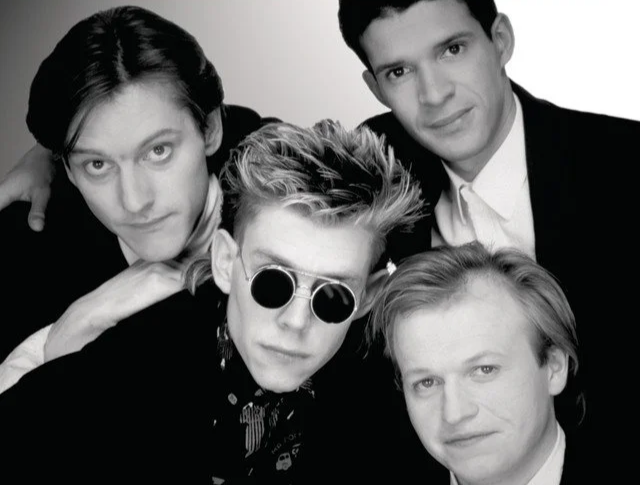
Level 42 - Something About You
"Something About You" is a song by the British band Level 42, released in 1985 as part of their album "World Machine." Written by band members Mark King and Phil Gould, the track showcases the band's distinctive blend of jazz-funk and pop, featuring catchy melodies, intricate bass lines, and polished production.
The song's lyrics convey themes of romantic longing and introspection, focusing on the complexities of love and attraction. It became one of Level 42's most successful hits, reaching high positions on various international charts. In the U.S., it peaked at number 7 on the Billboard Hot 100, making it one of their most recognized songs in North America.
"Something About You" is notable for its unforgettable chorus and bass-driven groove, which became a hallmark of Level 42's sound. The band’s energetic performance and Mark King's distinctive vocals helped solidify the song’s place in 80s music.
Over the years, "Something About You" has been covered by several artists and remains a staple in Level 42's live performances, continuing to resonate with fans of the era. Its blend of upbeat rhythms and heartfelt lyrics has ensured that it remains a classic in the pop and funk genres.
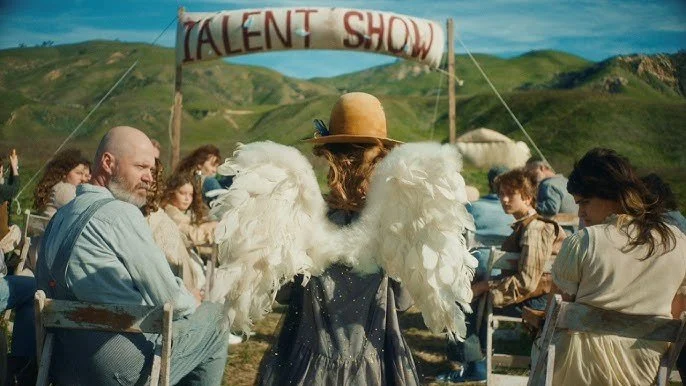
Linda Perry - Beautiful
“Beautiful” is a song written by Linda Perry and made famous by Christina Aguilera. It was released in 2002 on Aguilera’s album Stripped. Perry, who had previously been the lead singer of 4 Non Blondes, wrote the song as a deeply personal reflection on insecurity and self-acceptance. Originally, she intended to record it herself, but after hearing Aguilera sing the demo vocals, Perry felt that Aguilera’s emotional performance captured the heart of the song and decided it should remain in her hands. In 2026, Linda Perry released her own version to the delight of her fans.
“Beautiful” became one of Aguilera’s signature songs, praised for its stripped-down production and powerful message about inner beauty and resilience in the face of criticism. The ballad was especially impactful within LGBTQ+ communities due to its inclusive lyrics and music video, which portrayed individuals facing judgment and finding self-worth. The song achieved major commercial success worldwide and won a Grammy Award for Best Female Pop Vocal Performance in 2004. Over time, it has remained an enduring anthem of self-empowerment and is widely regarded as one of the most influential pop ballads of the early 2000s.

Linda Ronstadt – Goodbye My Friend
Linda Ronstadt's "Goodbye My Friend" serves as the poignant closing track of her critically acclaimed 1989 album, Cry Like a Rainstorm, Howl Like the Wind. While the album is widely celebrated for its powerhouse duets with Aaron Neville, this final ballad offers a stark contrast through its quiet, reflective nature and profound emotional resonance. Written by the esteemed singer-songwriter Karla Bonoff, the song was originally composed as a personal tribute to a beloved pet that had passed away. Bonoff initially intended the piece to be a private outlet for her own grief, yet its universal themes of loss and the enduring power of memory allowed it to transcend its specific origins, becoming a source of catharsis for listeners navigating the departure of friends and family members.
The collaboration between Ronstadt and Bonoff was a long-standing and fruitful partnership, with Ronstadt having interpreted many of Bonoff's compositions since the 1970s. In "Goodbye My Friend," Ronstadt demonstrates a remarkable degree of vocal restraint, moving away from the high-energy belts of her earlier career toward a more mature and nuanced delivery. Her performance is characterized by a sense of controlled sorrow, where the strength of the song lies in what is withheld rather than what is overtly performed. This approach allows the simple, conversational lyrics to carry the weight of the narrative, emphasizing the bittersweet reality of saying farewell to someone who has been a constant presence through the years.
Positioned at the end of an album filled with lush production and dramatic vocal displays, the song acts as an emotional exhale, grounding the record in a moment of intimate truth. The arrangement is intentionally sparse, providing ample space for Ronstadt's clear, centered tone to resonate without being overshadowed by instrumentation. This deliberate simplicity highlights the song's core message: that while physical parting is inevitable, the shared history and affection between individuals provide a lasting comfort that can eventually ease the pain of loss. Over time, the track has secured its place as one of the most enduring and respected ballads in Ronstadt's extensive catalog, valued for its dignity, exactness, and the deep sense of recognition it offers to anyone who has experienced the finality of a long-term friendship.

Linkin Park – In The End
Released in 2001 as part of Linkin Park’s groundbreaking debut album Hybrid Theory, “In the End” quickly became one of the most recognizable rock songs of the early 2000s. Fusing rap-rock with emotional depth, the track stands out for its haunting piano melody, Chester Bennington’s soaring vocals, and Mike Shinoda’s introspective rap verses. Its central message — the feeling of putting effort into something only for it to fall apart — struck a chord with a generation grappling with disillusionment and emotional struggle.
“In the End” captures a sense of futility and vulnerability, themes rarely addressed so directly in mainstream rock at the time. Lyrics like “I tried so hard and got so far, but in the end, it doesn’t even matter” became anthemic for fans dealing with personal setbacks. The song’s genre-defying style helped redefine what alternative music could be, blending elements of hip-hop, rock, and electronic music in a way that appealed to a broad audience.
Over two decades later, “In the End” remains one of Linkin Park’s most enduring tracks. Its emotional honesty and raw sound continue to resonate, cementing its legacy as a timeless anthem of resilience and reflection.
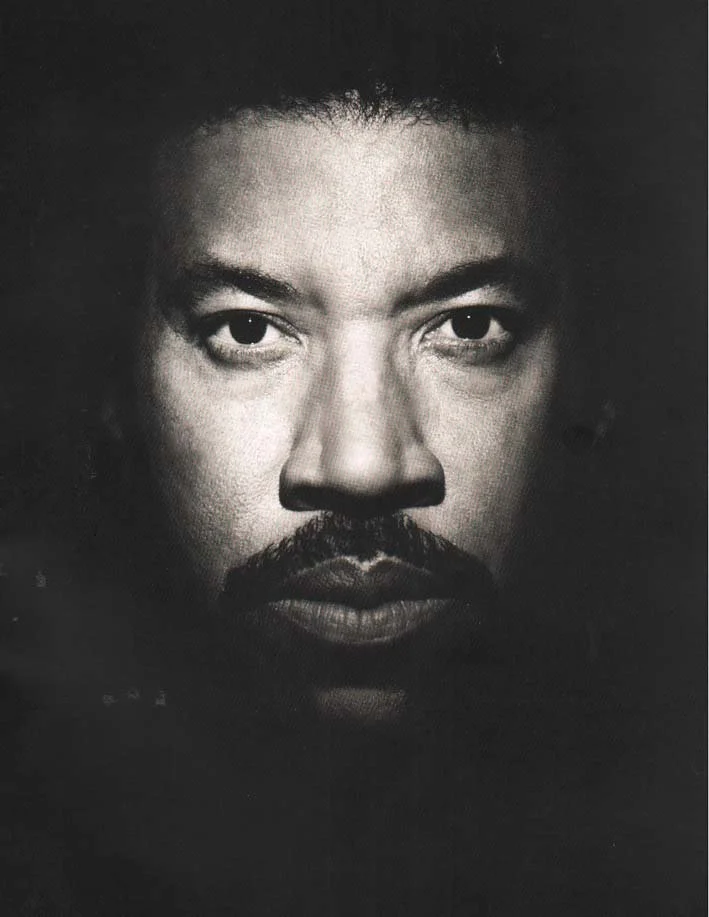
Lionel Richie – You Are
Lionel Richie's song "You Are" is a beloved ballad that marked a significant moment in his career as he transitioned from his role as frontman of the Commodores to a highly successful solo artist. Released in 1983, it was a prominent single from his self-titled debut solo album, "Lionel Richie," which came out in 1982. The song was co-written by Richie and his then-wife, Brenda Harvey Richie, adding a personal touch to its romantic lyrics.
"You Are" quickly became a commercial success, solidifying Richie's burgeoning solo career. It reached the top five on the Billboard Hot 100 chart and performed well on various international charts, contributing to the debut album's impressive sales of over four million copies. The song's smooth melody, heartfelt lyrics, and Richie's distinctive vocal delivery made it a staple on adult contemporary radio and a popular choice for romantic occasions. Its success, alongside other hits from the album like "Truly" and "My Love," established Lionel Richie as a dominant force in pop and R&B music during the 1980s, showcasing his talent for crafting enduring love songs.
“In the End” captures a sense of futility and vulnerability, themes rarely addressed so directly in mainstream rock at the time. Lyrics like “I tried so hard and got so far, but in the end, it doesn’t even matter” became anthemic for fans dealing with personal setbacks. The song’s genre-defying style helped redefine what alternative music could be, blending elements of hip-hop, rock, and electronic music in a way that appealed to a broad audience.
Over two decades later, “In the End” remains one of Linkin Park’s most enduring tracks. Its emotional honesty and raw sound continue to resonate, cementing its legacy as a timeless anthem of resilience and reflection.
Los Lonely Boys - Heaven
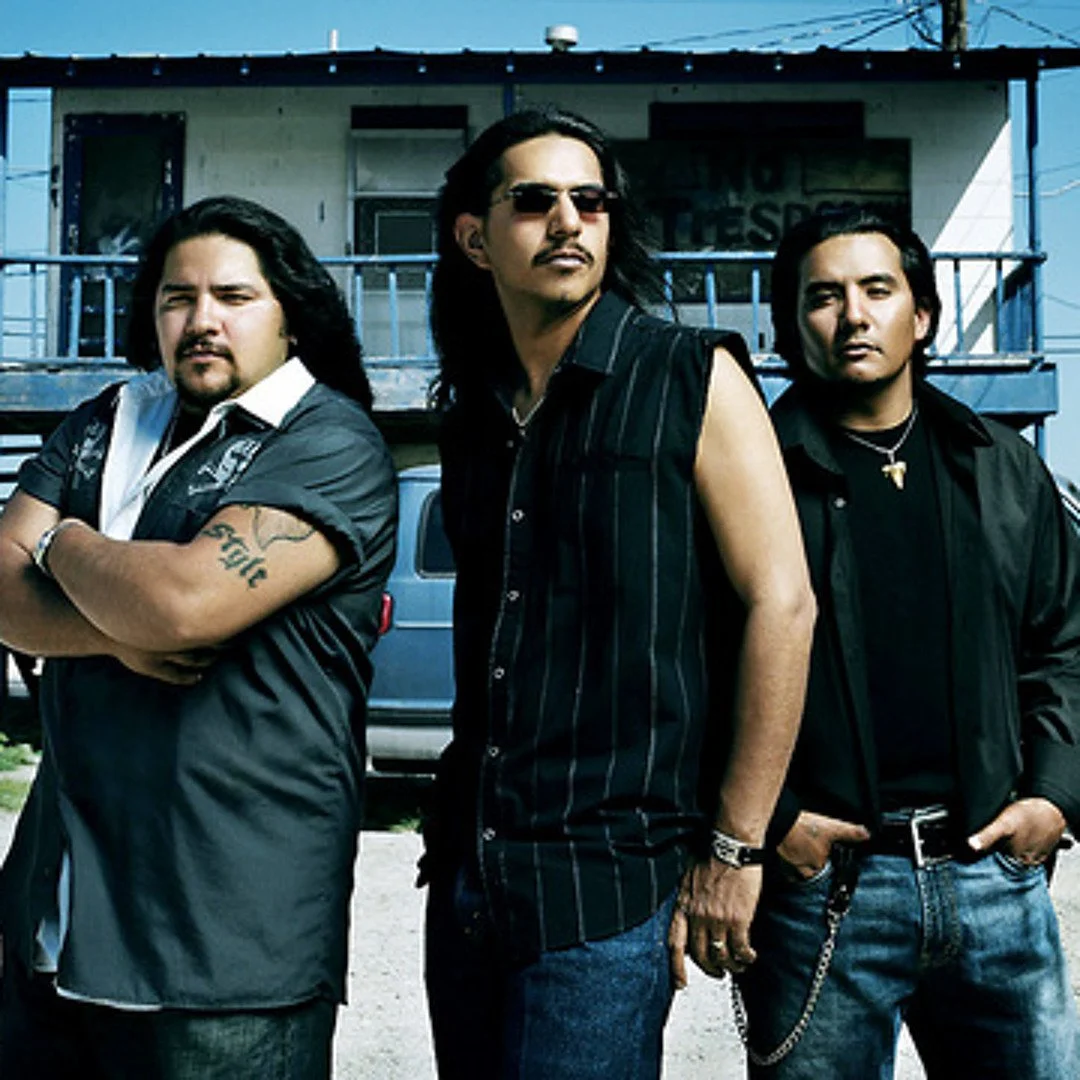
"Heaven" is a song by the American rock band Los Lonely Boys, released as the lead single from their self-titled debut album in 2004. The track became their breakout hit, blending elements of rock, blues, and Tejano music to create a unique sound that resonated with a wide audience. Written by the band's members—brothers Henry, Jojo, and Ringo Garza—"Heaven" is a heartfelt song about love, faith, and longing. Its catchy melody, combined with soulful guitar riffs and the Garza brothers' harmonious vocals, helped the song become a commercial success.
"Heaven" reached number one on the Billboard Adult Contemporary chart and earned the band a Grammy Award for Best Pop Performance by a Duo or Group with Vocal in 2005. Its success also marked a significant moment for Los Lonely Boys, who had spent years performing in the Texas music scene before gaining national recognition. The song’s appeal lies not only in its musical fusion but also in its universal message of hope and searching for a better place, making it relatable to a wide range of listeners.
The song’s success was a key factor in the band's rise to fame, but it also helped establish them as a distinctive voice in the early 2000s music scene, blending rock and Latin influences in a way that few others were doing at the time. Over the years, "Heaven" has remained one of Los Lonely Boys’ most beloved songs, frequently featured in their live performances and continuing to hold a special place in the hearts of fans.
Local H - Bound For The Floor
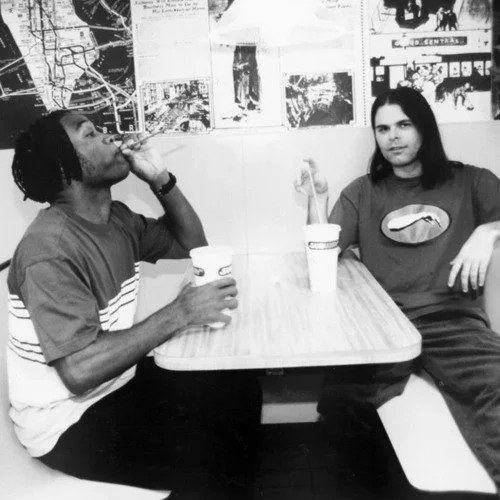
Local H's "Bound for the Floor," released as the lead single from their 1996 album As Good as Dead, became a defining track for the alternative rock duo. The song is recognized for its raw energy and lyrics that resonate with feelings of apathy and being beaten down, themes prevalent in the rock music of that era.
The genesis of the song's distinctive guitar riff can be traced to frontman Scott Lucas's apartment in Zion, Illinois. Lucas, who wrote the song with then-drummer Joe Daniels, experimented with stacked fifth chords, inspired by learning Police songs, and a moving bass line that he was perfecting for his unique guitar setup. The combination of these elements formed the core of the riff.
The title "Bound for the Floor" does not appear directly in the lyrics but alludes to the opening line, "Born to be down." The song explores a sense of resignation and frustration, a common thread throughout the As Good as Dead album, which itself is a concept album reflecting on dead-end, small-town life, drawing from the band's origins in Zion, Illinois. The chorus, with its line "You keep it copacetic," uses a word that Lucas intentionally incorporated for its archaic nature and its rhyme with "pathetic," adding a layer of clever wordplay to the song's cynical tone.
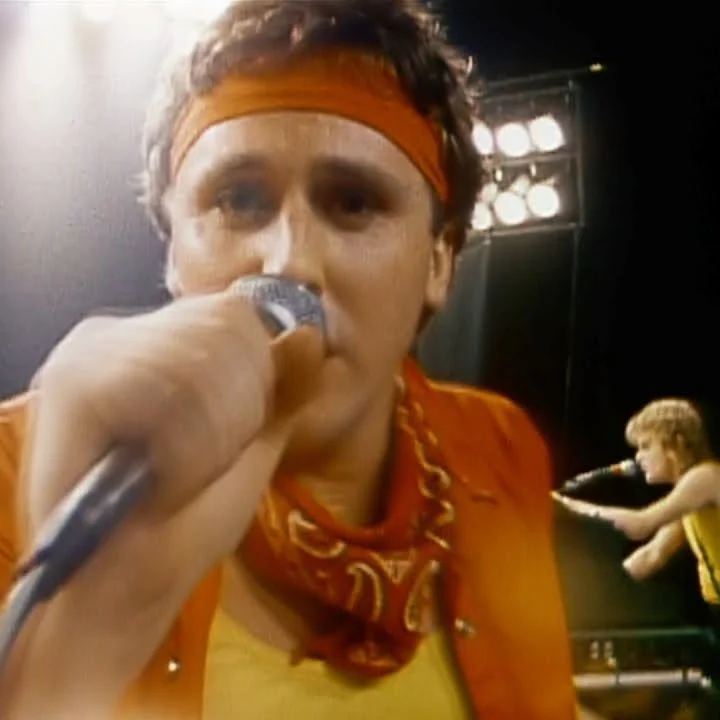
"Bound for the Floor" became Local H's most recognizable hit, a staple on alternative radio stations, and their only entry on the mainstream charts. The band, consisting of just a guitarist and a drummer, carved out a niche in the grunge and alternative scene. The music video for the song, directed by Frank W. Ockenfels, utilized muted colors and white flashes, characteristic of grunge videos of the time, further cementing its place within the 90s alternative rock aesthetic. Despite their subsequent releases and continued work, "Bound for the Floor" remains the song for which Local H is most widely known, encapsulating a particular mood and sound of its era.

