

John Lennon and Yoko Ono - Happy Xmas (War Is Over)
John Lennon and Yoko Ono - Happy Xmas (War Is Over) was written in 1971 as part of the "War Is Over (If You Want It)" campaign, a peace initiative launched by John Lennon and Yoko Ono to protest the Vietnam War. The message was that peace is achievable if people collectively desire it and work toward it.
In the song, the lyrics reflect the theme of hope for peace, calling for an end to the violence and suffering caused by war. While the song was released around Christmas time, its true message was focused on social justice and the need for change in the world. The line "War is over, if you want it" is central to this message, urging people to take responsibility for creating peace.
The song also has an element of universal hope and goodwill, making it resonate deeply with the Christmas spirit, which is traditionally about peace, goodwill, and love among all people.


John Lennon - Imagine
John Lennon’s song "Imagine" was released in 1971 and is one of his most iconic tracks. The song promotes a vision of peace and unity, encouraging listeners to envision a world without borders, religions, or possessions—the barriers that often lead to conflict. The history behind "Imagine" reflects John Lennon’s experiences and beliefs during a turbulent time marked by the Vietnam War and social upheaval. Inspired by a poem written by his wife, Yoko Ono, titled "Sky Piece," the lyrics advocate for a utopia where humanity lives in harmony. Musically, the song features a simple piano melody and heartfelt vocals, allowing its profound message to resonate deeply with listeners. "Imagine" has since become an anthem for peace, used in various movements and events advocating for social justice and global harmony. Its timeless appeal continues to inspire new generations to imagine a better world.
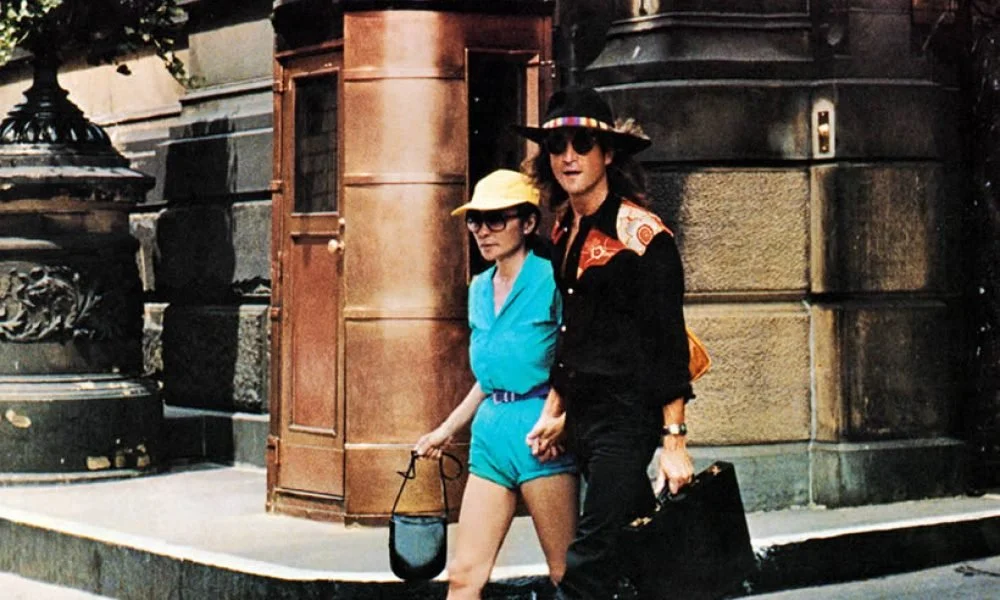
John Lennon - Watching The Wheels
“Watching The Wheels” by John Lennon is a reflective and introspective song that captures Lennon’s mindset during a period of self-imposed withdrawal from public life. Released in 1981 as part of his “Double Fantasy” album, the song features Lennon’s signature earnest vocals and acoustic guitar, complemented by a gentle piano melody and soothing harmonies.
Lyrically, “Watching The Wheels” addresses Lennon’s decision to step away from the spotlight and focus on his personal life and family. The lyrics convey a sense of contentment and inner peace with lines like “People say I’m crazy / Doing what I’m doing,” emphasizing Lennon’s resolve to live life on his own terms despite societal expectations.
Musically, the song is characterized by its laid-back tempo and melodic simplicity, creating an atmosphere of calm and introspection. The arrangement is intimate yet powerful, allowing Lennon’s message of self-discovery and authenticity to resonate deeply with listeners.
“Watching The Wheels” has since become a beloved classic, celebrated for its honesty and sincerity in conveying Lennon’s journey towards personal fulfillment and finding meaning beyond fame and fortune.
John Lennon Watching The Wheels Lyrics
People say I’m crazy
Doing what I’m doing
Well, they give me all kinds of warnings
To save me from ruin
When I say that I’m okay, well they look at me kinda strange
“Surely, you’re not happy now, you no longer play the game”
People say I’m lazy
Dreaming my life away
Well they give me all kinds of advice
Designed to enlighten me
When I tell them that I’m doing fine watching shadows on the wall
“Don’t you miss the big time boy, you’re no longer on the ball?”
I’m just sitting here watching the wheels go round and round
I really love to watch them roll
No longer riding on the merry-go-round
I just had to let it go
Ah, people asking questions
Lost in confusion
Well, I tell them there’s no problem
Only solutions
Well, they shake their heads and they look at me, as if I’ve lost my mind
I tell them there’s no hurry, I’m just sitting here doing time
I’m just sitting here watching the wheels go round and round
I really love to watch them roll
No longer riding on the merry-go-round
I just had to let it go
I just had to let it go
I just had to let it go

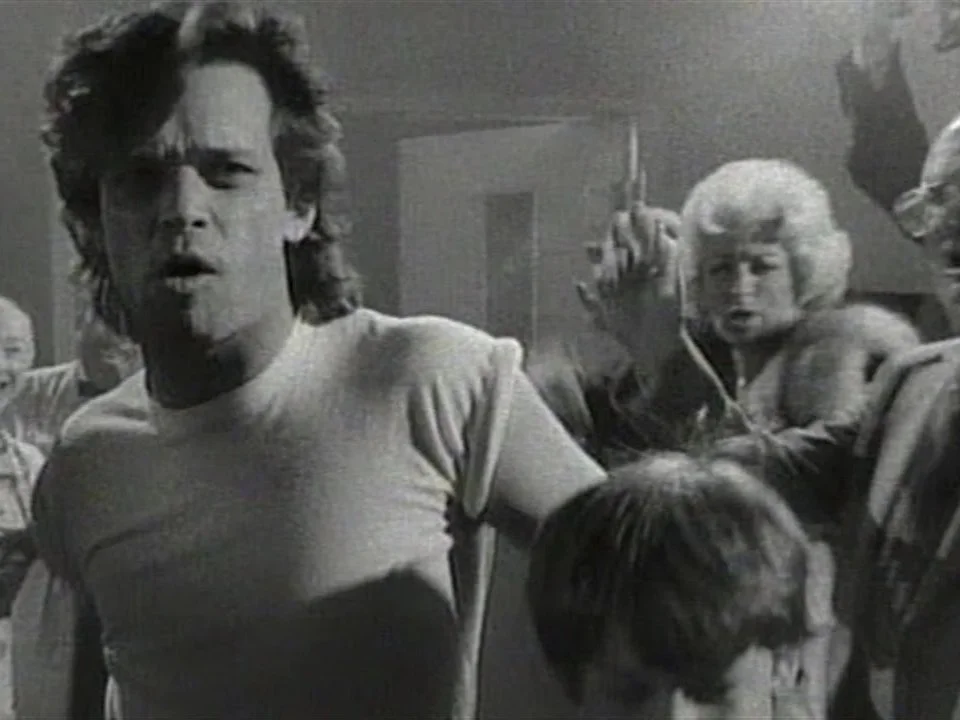
John Mellencamp - Authority Song
"Authority Song" is a track by John Mellencamp from his 1983 album "Uh-Huh." The song encapsulates a sense of youthful rebellion and speaks to the struggles against authority and societal expectations. Its catchy chorus and upbeat rock sound have made it an enduring anthem for those fighting against the constraints imposed by authority figures.
Mellencamp wrote the song during a period when he was grappling with his own experiences of adolescence and the pressures from adults and society. The lyrics highlight a sense of frustration with rules and restrictions, emphasizing the importance of individual freedom and self-expression.
The song was well-received and became one of Mellencamp's signature tracks, showcasing his ability to blend rock music with meaningful social commentary. Over the years, "Authority Song" has resonated with listeners who relate to its message of resistance and the quest for personal autonomy, making it a timeless piece in his discography.

Judy Garland - Have Yourself A Merry Little Christmas
"Have Yourself a Merry Little Christmas" is a beloved Christmas classic performed by Judy Garland. It was introduced in the 1944 film Meet Me in St. Louis, in which Garland played the role of Esther Smith. The song was written by Hugh Martin and Ralph Blane, and it quickly became one of the most enduring holiday tunes.
The original lyrics were somewhat melancholic, reflecting the bittersweet themes in the film, where Garland's character is trying to comfort her younger sister during a difficult time. The original version of the song includes the lines:
"Have yourself a merry little Christmas,
It may be your last.
Next year we may all be living in the past."
However, after the song became popular, the lyrics were revised to be more hopeful, particularly after Garland requested changes that made the song feel more optimistic. The revised lyrics (the version most commonly heard today) include:
"Have yourself a merry little Christmas,
Let your heart be light.
Next year all our troubles will be out of sight."
Garland's warm and heartfelt performance of the song in the film, accompanied by her emotional delivery, made it an instant classic. Over time, many artists have covered the song, including Frank Sinatra, who also recorded a version with slightly altered lyrics, as well as more modern renditions by artists like Sam Smith and Michael Bublé.
"Have Yourself a Merry Little Christmas" has remained a staple of Christmas music due to its nostalgic, heartfelt tone, and its ability to evoke both warmth and reflection, making it a favorite during the holiday season.

Juice Newton - Angel Of The Morning
Angel of the Morning is a popular song written by Chip Taylor and originally recorded by American singer-songwriter Merrilee Rush in 1967. It became a hit for her, reaching number 7 on the Billboard Hot 100 chart. The song has since been covered by numerous artists, including Juice Newton, who had a significant hit with her version in 1981, reaching number 4 on the Billboard Hot 100 chart. Angel of the Morning is characterized by its memorable melody and poignant lyrics, exploring themes of love, longing, and the bittersweet nature of relationships.


Keane - Somewhere Only We Know
"Somewhere Only We Know" is one of Keane's most iconic songs. Released as a single in 2004 from their debut album Hopes and Fears, the track became a major hit. It's known for its emotive piano melody and heartfelt lyrics, which explore themes of longing, nostalgia, and a desire to find a place where one can feel safe and understood.
The song has a timeless feel to it and has been used in various movies, TV shows, and commercials over the years. It also marked Keane's rise to fame, showcasing their unique blend of alternative rock and piano-driven pop. The powerful, soaring vocals of lead singer Tom Chaplin really add to the song's emotional depth.
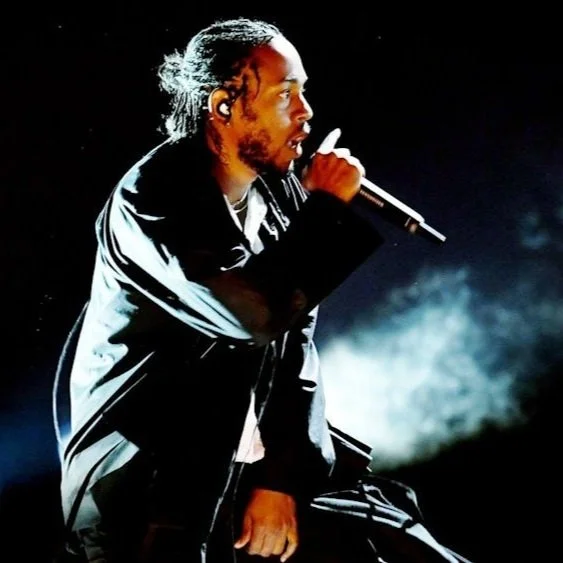
Kendrick Lamar - Not Like Us
“Not Like Us” by Kendrick Lamar is a powerful diss track released on May 4, 2024, produced by DJ Mustard. The song directly targets Drake, escalating their long-standing feud with sharp accusations and cultural critique. Lamar blends West Coast beats with scathing lyrics, calling out Drake’s circle for alleged misconduct and questioning his authenticity in hip-hop. The track quickly became a cultural flashpoint, topping charts and earning Lamar five Grammy Awards, including Best Rap Performance. Its music video, co-directed by Lamar and Dave Free, highlights community pride and West Coast unity. “Not Like Us” is now seen as one of the defining moments in 2020s rap.

Kings Of Leon - Use Somebody
"Use Somebody" by Kings of Leon is a powerful anthem that blends emotional vulnerability with soaring rock instrumentation. Released in 2008 as part of their breakthrough album Only by the Night, the song captures themes of loneliness, longing, and the search for meaningful human connection. Lead singer Caleb Followill's raspy vocals deliver a raw, heartfelt performance, supported by echoing guitars and a building rhythm that gives the track its anthemic feel. Its universal message and memorable chorus helped the song become a massive commercial and critical success, earning multiple Grammy Awards and cementing Kings of Leon's place in mainstream rock.

LP - Lost On You
"Lost on You" by LP was released in 2015 as the title track of her album Lost on You, it became a breakthrough hit for LP, especially in Europe. The song is known for its emotional depth, with LP's raw, powerful vocals conveying heartbreak, regret, and the complexities of a love that's slipping away.
The lyrics are poignant and introspective, with a mix of vulnerability and defiance that resonates with many listeners. The way LP’s voice rises and falls throughout the song adds a sense of urgency and emotion, which is part of why it connects so deeply with people.
The blend of folk, rock, and indie pop elements in the production makes the song stand out as well. Plus, the music video is visually striking, with a mysterious, almost cinematic feel to it.
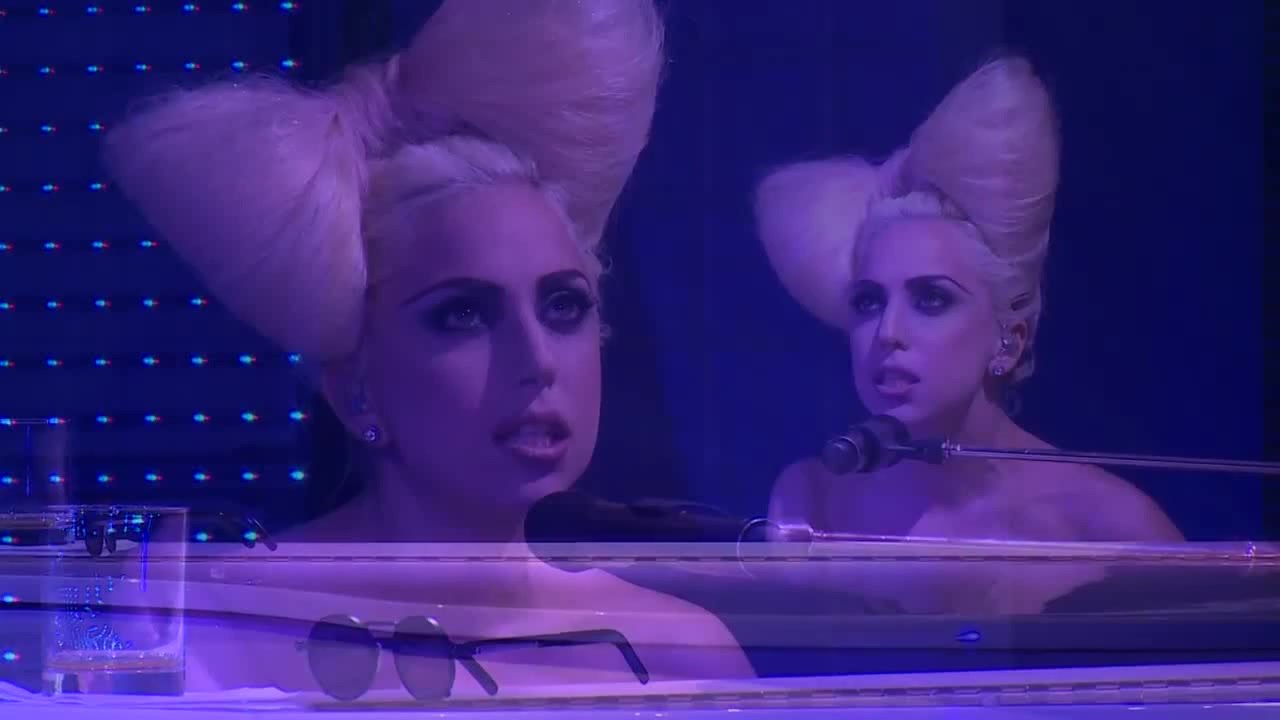
Lady Gaga - Speechless
“Speechless” is a rock power ballad by Lady Gaga, released on November 18, 2009, as part of her extended play The Fame Monster. The song was written to convey her “fear of death” and implore her father to have the open-heart surgery needed for his condition. Gaga wrote the song while on tour during a depressive period, explaining that it’s about phone calls with her father, who would call after drinking, leaving her speechless as she feared losing him and not being there. Her father, Joseph, had the heart operation on October 22, 2009, just weeks before the album’s release. The track marked a significant departure from Gaga’s typical dance-pop style, featuring piano-driven instrumentation, live guitar, bass, and drums recorded at Record Plant Studios in Los Angeles. The song is a rock power ballad with influences of 1970s rock, blues rock, glam rock and country music. Critics noted her raw, raspy vocal delivery, with some comparing her performance to Freddie Mercury and Queen’s dramatic rock ballads. The song received mixed critical reception—while many praised its emotional depth and vocal power, some viewed it as a weaker moment compared to her electro-pop hits. Despite not being released as a single, “Speechless” became a fan favorite and a staple of her live performances, including a memorable 2010 Grammy Awards performance where she sang it as a medley with Elton John.

Lady Gaga and Bruno Mars - Die With A Smile
"Die with a Smile" is a song by Lady Gaga and Bruno Mars, released on August 16, 2024, through Interscope Records. The track was co-written and produced by Gaga, Mars, Dernst "D'Mile" Emile II, and Andrew Watt, with additional songwriting contributions from James Fauntleroy. The collaboration came about when Mars invited Gaga to his studio while working on new material. He played her the song in progress, and the two finished writing and recording it together on the same day. "Die With A Smile" is a song that explores themes of love, resilience, and the importance of embracing life's moments, even in the face of challenges. The lyrics convey a message of finding joy and meaning in relationships, suggesting that it's possible to hold onto positivity and gratitude, even as life changes. The collaboration between Gaga's powerful vocal delivery and Mars' smooth, emotional style creates a touching balance that resonates with listeners. Together, they celebrate the idea of living life fully and leaving a lasting impression through love and happiness.


Led Zeppelin - Moby Dick
"Moby Dick" is an instrumental track by Led Zeppelin from their 1969 album Led Zeppelin II. The song is best known for its powerful and lengthy drum solo by drummer John Bonham, showcasing his extraordinary skill, precision, and endurance. It begins with a heavy blues-inspired guitar riff by Jimmy Page, which quickly gives way to Bonham’s solo performance that dominates the rest of the track. During live concerts, "Moby Dick" would often extend for over 20 minutes, with Bonham sometimes playing parts of it with his bare hands. The track is a testament to Bonham’s legendary status as one of rock's greatest drummers and stands out as a unique piece in Led Zeppelin’s catalog for its focus on percussion and absence of vocals.

Led Zeppelin - Stairway to Heaven
If you love live monster guitar jams; cue in at 6:05 on the video and enjoy the ride.
“Stairway to Heaven” is one of the most iconic songs by the British rock band “Led Zeppelin”. It was composed by guitarist Jimmy Page and vocalist Robert Plant for the band's untitled fourth studio album, commonly known as Led Zeppelin IV”, released in 1971. The song is renowned for its epic length, intricate arrangement, and profound lyrics.
“Stairway to Heaven” begins softly with acoustic guitar and gradually builds in intensity, incorporating electric guitar, bass, drums, and eventually orchestral elements. The song features dynamic shifts in tempo and mood, showcasing the band's musical versatility and creativity. Robert Plant's vocals soar alongside Jimmy Page's intricate guitar work, creating a timeless and immersive listening experience.
The lyrics of “Stairway to Heaven” are often interpreted as allegorical, touching on themes of spirituality, enlightenment, and the pursuit of worldly success. The song's enigmatic imagery and evocative storytelling have contributed to its enduring popularity and status as one of the greatest rock songs of all time.