
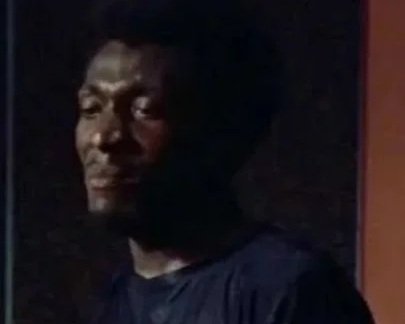
Jimmy Cliff - The Harder They Come
"The Harder They Come" is a song by Jimmy Cliff, released in 1972, and it became a significant part of reggae music history. The track gained widespread recognition through its inclusion in the film of the same name, which helped popularize reggae outside Jamaica. The song tells the story of a young man who struggles against oppression and seeks to find his place in the world. It reflects themes of societal injustice, resilience, and the quest for freedom, resonating with many listeners. The film and the soundtrack, featuring other reggae artists, played a crucial role in introducing Jamaican culture and music to global audiences. Jimmy Cliff’s powerful performance and the song's infectious rhythm contributed to its enduring legacy, making it a classic in both reggae and world music. The message of perseverance in the face of adversity continues to resonate, keeping the song relevant even decades after its release.
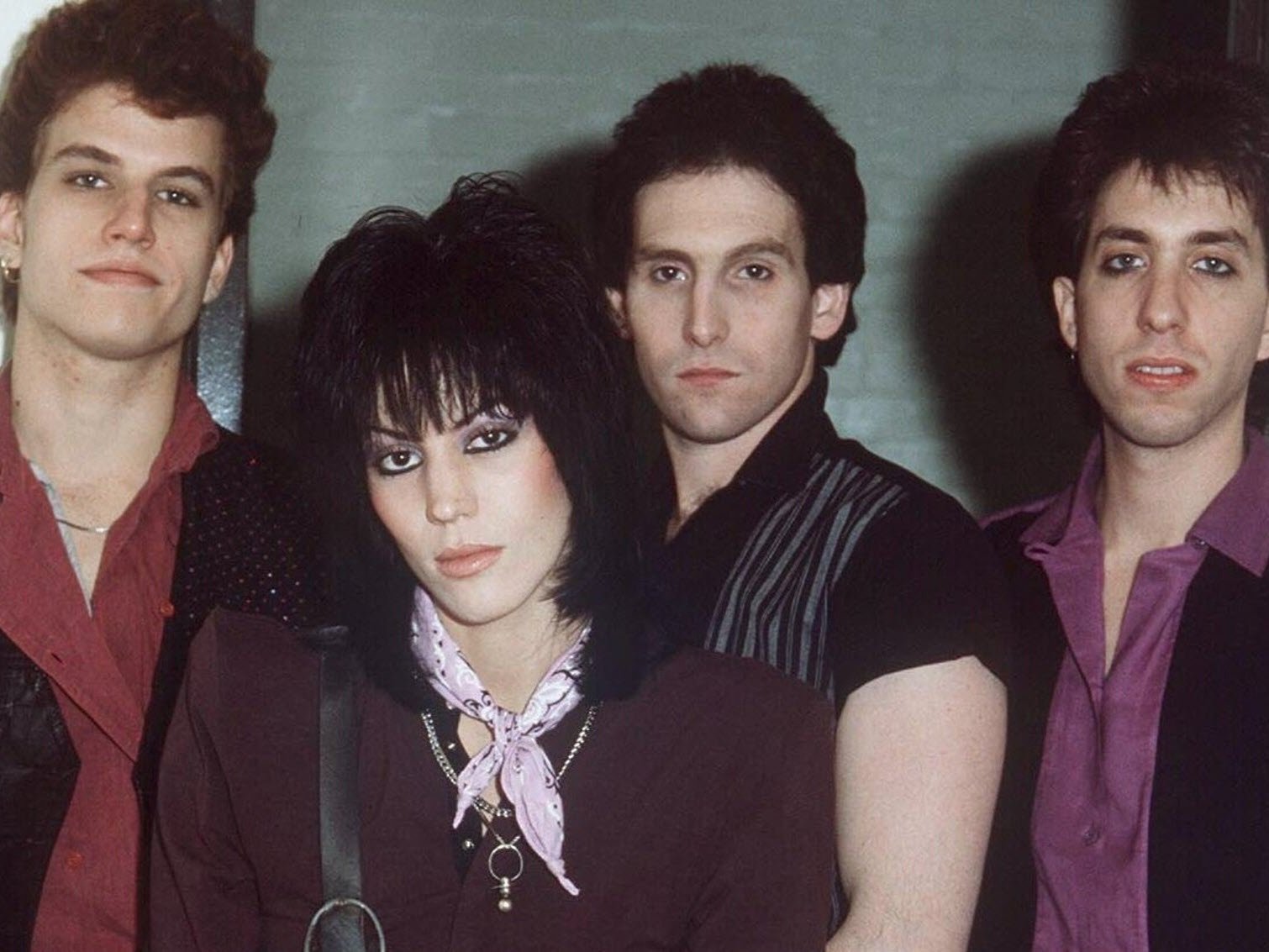
Joan Jett and the Blackhearts - I Love Rock 'N Roll
"I Love Rock 'N Roll" is a rock song originally written and recorded by the Arrows in 1975. However, it was Joan Jett and the Blackhearts' 1981 cover that became the most famous rendition of the song. Joan Jett's version features her powerful vocals and a hard-rocking sound that helped define her career and solidify her place as a rock icon. Released as a single in 1982, "I Love Rock 'N Roll" topped the Billboard Hot 100 chart for seven weeks, becoming one of the biggest hits of that year. The song's catchy chorus and energetic guitar riff, along with Joan Jett's rebellious persona, resonated strongly with audiences and contributed to its enduring popularity. "I Love Rock 'N Roll" is often considered a classic anthem of rock music, celebrated for its bold attitude and unapologetic embrace of the genre. Joan Jett's rendition continues to be played widely on radio stations, featured in movies, and performed at concerts, maintaining its status as a timeless rock classic.
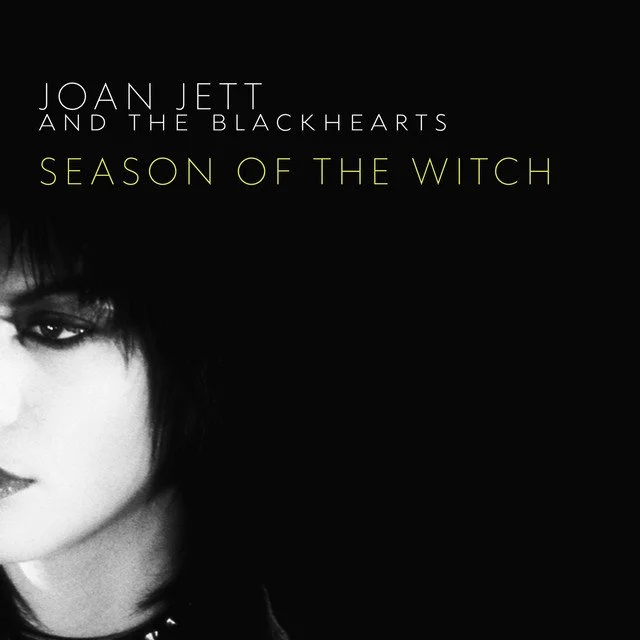
Joan Jett and The Blackhearts - Season of the Witch
Joan Jett’s 2004 rendition of Season of the Witch captures the raw, gritty energy that defines her signature rock sound while honoring the eerie mystique of Donovan’s original 1966 track. Her version adds a harder, more aggressive edge, driven by distorted guitars and her unmistakable vocals, transforming the psychedelic folk tune into a rebellious rock anthem. Jett leans into the song's haunting atmosphere with a sense of defiance, amplifying the themes of transformation and unease that the lyrics evoke. The result is a compelling interpretation that feels both nostalgic and refreshingly bold, highlighting Jett’s ability to reinvent classic tracks through her powerful, unapologetic style.

Joe Cocker - With A Little Help From My Friends
"With a Little Help from My Friends" is a classic song originally by The Beatles, but Joe Cocker's version from 1968 became iconic in its own right. His soulful, raw interpretation of the song was featured on his debut album With a Little Help from My Friends and is widely regarded as one of his defining performances.
Cocker took the cheerful, upbeat pop song from Sgt. Pepper's Lonely Hearts Club Band and transformed it into a powerful, gospel-like anthem. His distinctive raspy voice and emotional delivery brought a depth to the song that made it resonate with audiences on a different level.
The song became a huge hit, especially after Cocker's unforgettable performance at Woodstock in 1969, where his rendition of "With a Little Help from My Friends" cemented his place in rock history.
Joe Cocker - You Are So Beautiful
Joe Cocker’s “You Are So Beautiful” is one of the most emotional and memorable songs associated with his career. Although many people think of it as a Joe Cocker song because his version became so famous, the song was originally written by Billy Preston and Bruce Fisher. Preston first released it in 1974, but Cocker’s interpretation gave the song a new identity. His version is slower, softer, and more deeply emotional, allowing the simple lyrics to feel powerful and sincere.
The song is known for its brief and direct message of admiration. Its words are not complicated, but that simplicity is what makes it effective. The phrase “You are so beautiful to me” expresses love, appreciation, and tenderness in a way that many listeners can understand immediately. While the song is often heard as a romantic ballad, its meaning can also be broader. It can express love for a partner, a family member, or anyone deeply valued by the singer.
Joe Cocker recorded the song for his 1974 album I Can Stand a Little Rain. His producer, Jim Price, helped create a quiet arrangement that placed Cocker’s voice at the center of the recording. Instead of using a large or dramatic musical background, the song relies on gentle piano and a slow tempo. This made Cocker’s rough, soulful voice stand out even more. His singing sounds vulnerable and honest, which helped listeners connect strongly with the song.
When Cocker’s version was released, it became a major success in the United States. It reached number five on the Billboard Hot 100 and became his highest-charting solo single in America. This success was important because Cocker was already known for powerful performances of other people’s songs, especially “With a Little Help from My Friends.” With “You Are So Beautiful,” he showed a softer side of his musical personality and proved that he could deliver a quiet ballad with the same intensity he brought to rock and soul songs.
The history of the song also includes a connection to Dennis Wilson of the Beach Boys. Some stories suggest that Wilson may have helped shape the song informally, although he was never officially credited as a writer. Wilson later performed the song in concert, which helped add to the song’s reputation and history. Even so, the official credit remains with Billy Preston and Bruce Fisher, while Joe Cocker’s recording remains the most famous version.
Over the years, “You Are So Beautiful” became one of Joe Cocker’s signature songs. It has been used at weddings, in films, on television, and in many sentimental moments because of its emotional honesty. The song does not need many words to make its point. Through Cocker’s voice, it becomes a direct expression of love, respect, and devotion.
Joe Cocker continued to perform “You Are So Beautiful” throughout his career, and audiences came to expect it as one of his most beloved songs. Its lasting appeal comes from the combination of simple lyrics, a gentle melody, and Cocker’s deeply human vocal performance. The song remains remembered not only as a popular hit but also as one of the clearest examples of how a singer can take a simple composition and turn it into something unforgettable.

Joey Ramone - What A Wonderful World
Joey Ramone's version of "What a Wonderful World" is a unique cover of the classic song originally written by Bob Thiele and George David Weiss and famously performed by Louis Armstrong in 1967. Joey Ramone, known for his role as the lead singer of the punk rock band the Ramones, released his cover of the song in on “Don’t Worry About Me,” released posthumously in 2002.
Joey Ramone’s take on "What a Wonderful World" is quite different from the original, bringing a punk-infused, stripped-down, and raw feel to the timeless ballad. While Louis Armstrong's version is rich with jazz influences and a smooth, soulful delivery, Ramone's rendition has a more reflective, almost melancholy vibe, tinged with his unique voice and a slightly more modern sound.
The song’s original theme, celebrating the simple beauties of life, love, and nature, is still conveyed in Ramone’s version. However, his voice adds a different layer of emotional depth, with a certain sense of vulnerability. The contrast between the punk rock singer’s style and the song’s optimistic message makes Ramone’s version stand out as a fresh interpretation of a beloved classic.
Joey Ramone’s cover of "What a Wonderful World" stands as a testament to his versatility as an artist and his ability to reinterpret songs in his own distinctive style, blending the punk sensibilities of his past with a heartfelt tribute to a song that has resonated with generations of listeners.

John Lennon and Yoko Ono - Happy Xmas (War Is Over)
John Lennon and Yoko Ono - Happy Xmas (War Is Over) was written in 1971 as part of the "War Is Over (If You Want It)" campaign, a peace initiative launched by John Lennon and Yoko Ono to protest the Vietnam War. The message was that peace is achievable if people collectively desire it and work toward it.
In the song, the lyrics reflect the theme of hope for peace, calling for an end to the violence and suffering caused by war. While the song was released around Christmas time, its true message was focused on social justice and the need for change in the world. The line "War is over, if you want it" is central to this message, urging people to take responsibility for creating peace.
The song also has an element of universal hope and goodwill, making it resonate deeply with the Christmas spirit, which is traditionally about peace, goodwill, and love among all people.


John Lennon - Imagine
John Lennon’s song "Imagine" was released in 1971 and is one of his most iconic tracks. The song promotes a vision of peace and unity, encouraging listeners to envision a world without borders, religions, or possessions—the barriers that often lead to conflict. The history behind "Imagine" reflects John Lennon’s experiences and beliefs during a turbulent time marked by the Vietnam War and social upheaval. Inspired by a poem written by his wife, Yoko Ono, titled "Sky Piece," the lyrics advocate for a utopia where humanity lives in harmony. Musically, the song features a simple piano melody and heartfelt vocals, allowing its profound message to resonate deeply with listeners. "Imagine" has since become an anthem for peace, used in various movements and events advocating for social justice and global harmony. Its timeless appeal continues to inspire new generations to imagine a better world.
John Lennon - Watching The Wheels
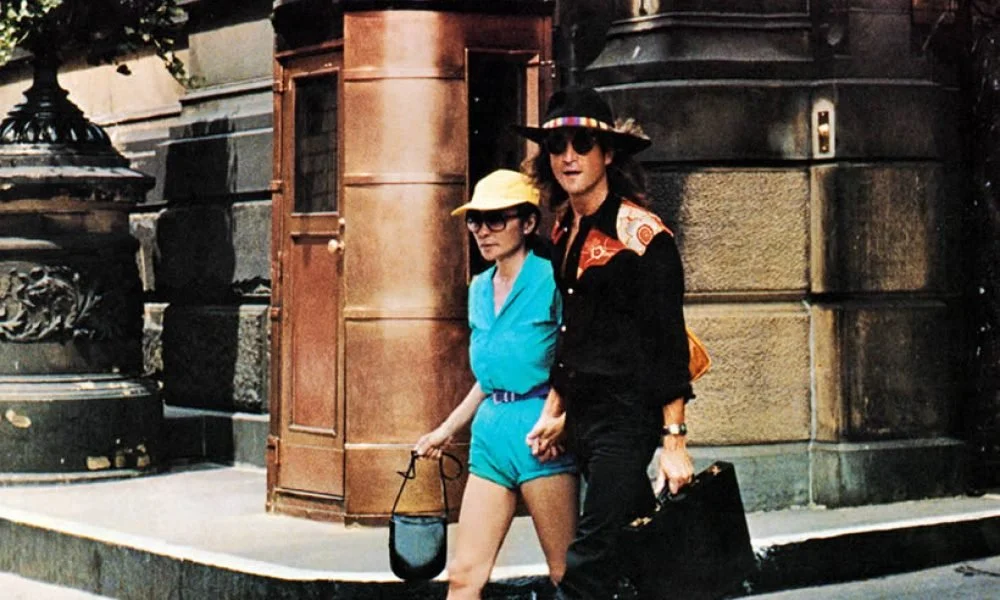
“Watching The Wheels” by John Lennon is a reflective and introspective song that captures Lennon’s mindset during a period of self-imposed withdrawal from public life. Released in 1981 as part of his “Double Fantasy” album, the song features Lennon’s signature earnest vocals and acoustic guitar, complemented by a gentle piano melody and soothing harmonies.
Lyrically, “Watching The Wheels” addresses Lennon’s decision to step away from the spotlight and focus on his personal life and family. The lyrics convey a sense of contentment and inner peace with lines like “People say I’m crazy / Doing what I’m doing,” emphasizing Lennon’s resolve to live life on his own terms despite societal expectations.
Musically, the song is characterized by its laid-back tempo and melodic simplicity, creating an atmosphere of calm and introspection. The arrangement is intimate yet powerful, allowing Lennon’s message of self-discovery and authenticity to resonate deeply with listeners.
“Watching The Wheels” has since become a beloved classic, celebrated for its honesty and sincerity in conveying Lennon’s journey towards personal fulfillment and finding meaning beyond fame and fortune.
John Lennon Watching The Wheels Lyrics
People say I’m crazy
Doing what I’m doing
Well, they give me all kinds of warnings
To save me from ruin
When I say that I’m okay, well they look at me kinda strange
“Surely, you’re not happy now, you no longer play the game”
People say I’m lazy
Dreaming my life away
Well they give me all kinds of advice
Designed to enlighten me
When I tell them that I’m doing fine watching shadows on the wall
“Don’t you miss the big time boy, you’re no longer on the ball?”
I’m just sitting here watching the wheels go round and round
I really love to watch them roll
No longer riding on the merry-go-round
I just had to let it go
Ah, people asking questions
Lost in confusion
Well, I tell them there’s no problem
Only solutions
Well, they shake their heads and they look at me, as if I’ve lost my mind
I tell them there’s no hurry, I’m just sitting here doing time
I’m just sitting here watching the wheels go round and round
I really love to watch them roll
No longer riding on the merry-go-round
I just had to let it go
I just had to let it go
I just had to let it go

John Mellencamp - Authority Song
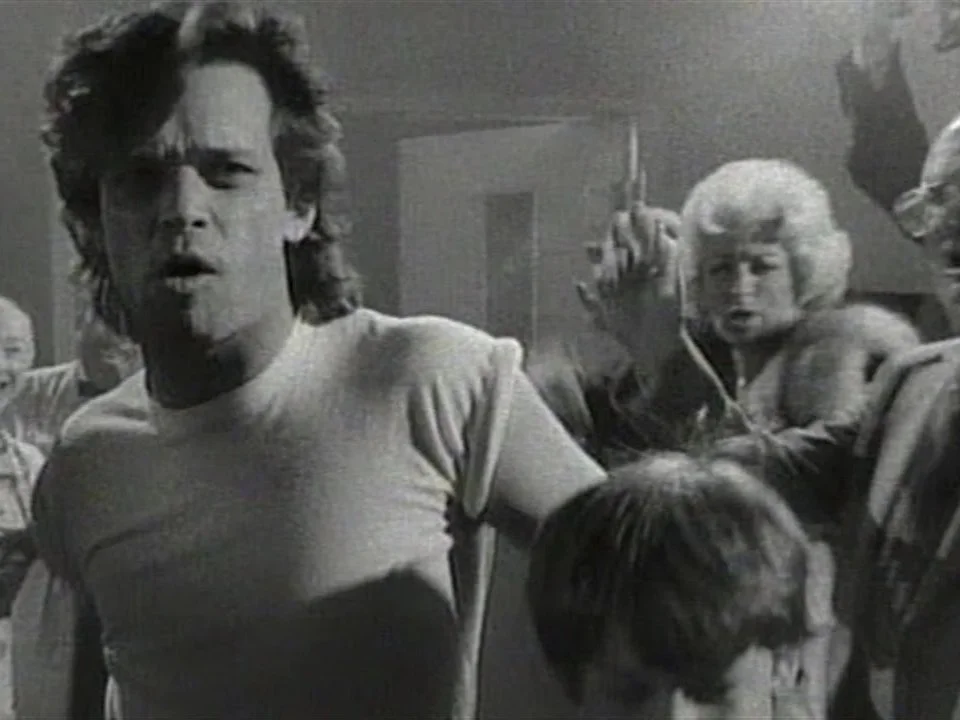
"Authority Song" is a track by John Mellencamp from his 1983 album "Uh-Huh." The song encapsulates a sense of youthful rebellion and speaks to the struggles against authority and societal expectations. Its catchy chorus and upbeat rock sound have made it an enduring anthem for those fighting against the constraints imposed by authority figures.
Mellencamp wrote the song during a period when he was grappling with his own experiences of adolescence and the pressures from adults and society. The lyrics highlight a sense of frustration with rules and restrictions, emphasizing the importance of individual freedom and self-expression.
The song was well-received and became one of Mellencamp's signature tracks, showcasing his ability to blend rock music with meaningful social commentary. Over the years, "Authority Song" has resonated with listeners who relate to its message of resistance and the quest for personal autonomy, making it a timeless piece in his discography.

Judy Garland - Have Yourself A Merry Little Christmas
"Have Yourself a Merry Little Christmas" is a beloved Christmas classic performed by Judy Garland. It was introduced in the 1944 film Meet Me in St. Louis, in which Garland played the role of Esther Smith. The song was written by Hugh Martin and Ralph Blane, and it quickly became one of the most enduring holiday tunes.
The original lyrics were somewhat melancholic, reflecting the bittersweet themes in the film, where Garland's character is trying to comfort her younger sister during a difficult time. The original version of the song includes the lines:
"Have yourself a merry little Christmas,
It may be your last.
Next year we may all be living in the past."
However, after the song became popular, the lyrics were revised to be more hopeful, particularly after Garland requested changes that made the song feel more optimistic. The revised lyrics (the version most commonly heard today) include:
"Have yourself a merry little Christmas,
Let your heart be light.
Next year all our troubles will be out of sight."
Garland's warm and heartfelt performance of the song in the film, accompanied by her emotional delivery, made it an instant classic. Over time, many artists have covered the song, including Frank Sinatra, who also recorded a version with slightly altered lyrics, as well as more modern renditions by artists like Sam Smith and Michael Bublé.
"Have Yourself a Merry Little Christmas" has remained a staple of Christmas music due to its nostalgic, heartfelt tone, and its ability to evoke both warmth and reflection, making it a favorite during the holiday season.

Juice Newton - Angel Of The Morning
Angel of the Morning is a popular song written by Chip Taylor and originally recorded by American singer-songwriter Merrilee Rush in 1967. It became a hit for her, reaching number 7 on the Billboard Hot 100 chart. The song has since been covered by numerous artists, including Juice Newton, who had a significant hit with her version in 1981, reaching number 4 on the Billboard Hot 100 chart. Angel of the Morning is characterized by its memorable melody and poignant lyrics, exploring themes of love, longing, and the bittersweet nature of relationships.


Keane - Somewhere Only We Know
"Somewhere Only We Know" is one of Keane's most iconic songs. Released as a single in 2004 from their debut album Hopes and Fears, the track became a major hit. It's known for its emotive piano melody and heartfelt lyrics, which explore themes of longing, nostalgia, and a desire to find a place where one can feel safe and understood.
The song has a timeless feel to it and has been used in various movies, TV shows, and commercials over the years. It also marked Keane's rise to fame, showcasing their unique blend of alternative rock and piano-driven pop. The powerful, soaring vocals of lead singer Tom Chaplin really add to the song's emotional depth.
Kendrick Lamar - Not Like Us
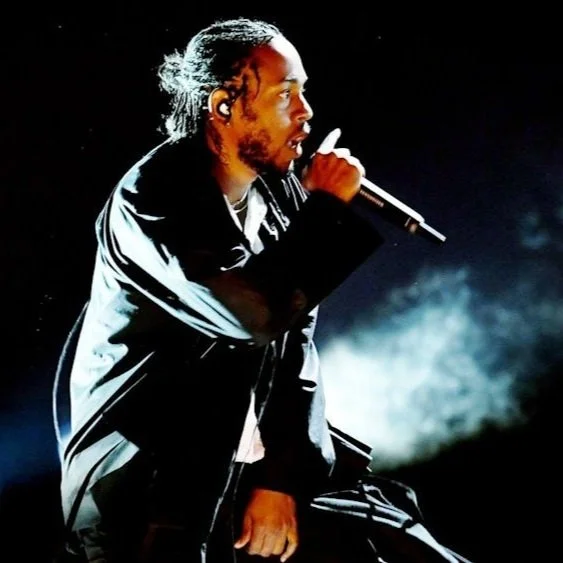
“Not Like Us” by Kendrick Lamar is a powerful diss track released on May 4, 2024, produced by DJ Mustard. The song directly targets Drake, escalating their long-standing feud with sharp accusations and cultural critique. Lamar blends West Coast beats with scathing lyrics, calling out Drake’s circle for alleged misconduct and questioning his authenticity in hip-hop. The track quickly became a cultural flashpoint, topping charts and earning Lamar five Grammy Awards, including Best Rap Performance. Its music video, co-directed by Lamar and Dave Free, highlights community pride and West Coast unity. “Not Like Us” is now seen as one of the defining moments in 2020s rap.

Kings Of Leon - Use Somebody
"Use Somebody" by Kings of Leon is a powerful anthem that blends emotional vulnerability with soaring rock instrumentation. Released in 2008 as part of their breakthrough album Only by the Night, the song captures themes of loneliness, longing, and the search for meaningful human connection. Lead singer Caleb Followill's raspy vocals deliver a raw, heartfelt performance, supported by echoing guitars and a building rhythm that gives the track its anthemic feel. Its universal message and memorable chorus helped the song become a massive commercial and critical success, earning multiple Grammy Awards and cementing Kings of Leon's place in mainstream rock.