

Green Day - American Idiot
“American Idiot” is a politically charged punk rock anthem by Green Day, released in 2004 as the title track of their album of the same name. The song critiques American society, especially the media, with its sharp commentary on conformity, blind patriotism, and consumerism. It encapsulates the band's disillusionment with the state of the nation, particularly in the aftermath of the Iraq War and the Bush administration. The fast-paced, aggressive sound of the song mirrors the frustration and anger conveyed in the lyrics, making it a rallying cry for those who felt out of touch with the mainstream narrative. Its catchy hook and rebellious spirit made it an anthem for a generation grappling with political and social tensions.

Green Day - Hitchin' A Ride
"Hitchin' a Ride" is a track by Green Day from their 1997 album Nimrod. It's an upbeat, punk-rock song with a catchy melody and energetic rhythm. The lyrics describe a sense of restlessness and a desire to escape from a mundane or frustrating situation. The song is known for its infectious chorus and has become one of Green Day's memorable hits.
Special Note: Green Day's "Hitchin' a Ride" was not the only song by the same name. Vanity Fare's version was released in 1969, and is known for its catchy tune and upbeat tempo. The song's lyrics tell the story of a man who's hitching a ride and reflecting on life and love. It's a feel-good, sing-along kind of track that captures the spirit of its era.


Guns N' Roses - Live And Let Die
Guns N’ Roses covered “Live and Let Die” in 1991, releasing it as the second single from their album Use Your Illusion I. The song was originally written by Paul and Linda McCartney and performed by Wings as the theme for the 1973 James Bond film of the same name. According to guitarist Slash, both he and Axl Rose had always loved the song, though they hadn’t discussed their mutual affection for it until one night when they were talking about potential cover songs. When Slash rehearsed it with Izzy Stradlin, Matt Sorum, and Duff McKagan, the song “sounded really heavy”, dispelling their initial doubts about whether they could do it justice.
The recording featured synthesizers rather than actual horns, with Axl Rose spending hours meticulously programming the complex synth parts to capture the nuances of the original arrangement. Despite their concerns about matching the quality of the original, the band’s version developed its own character, with Rose describing it as having a rough, scratchy vocal delivery that made it distinctly theirs. The cover was commercially successful, charting at No. 20 on the US Billboard Album Rock Tracks chart and No. 33 on the Billboard Hot 100. Internationally, the single reached the top five in Ireland, Norway, and the UK, became the third consecutive number-one from the Use Your Illusion albums in Finland, and topped the New Zealand charts for two weeks.
The cover was nominated for the Grammy Award for Best Hard Rock Performance at the 35th Annual Grammy Awards in 1993, though it lost to Red Hot Chili Peppers’ “Give It Away.” A music video was made in November 1991 featuring the band playing live on stage with old pictures, and it became the last video to feature Izzy Stradlin before his departure from the band. The band performed the song live from Wembley Stadium at the 1991 MTV Video Music Awards, and it has remained a staple of their live performances ever since.
Paul McCartney himself responded positively to the cover, though with an amusing anecdote. His children would tell their school friends that their dad wrote the song, but nobody would believe them, insisting it was a Guns N’ Roses original. McCartney said he was “very happy that they had done it” and that he always likes when people cover his songs. The Guns N’ Roses version also appeared on the soundtrack to the 1997 film Grosse Pointe Blank, further cementing its place in popular culture.

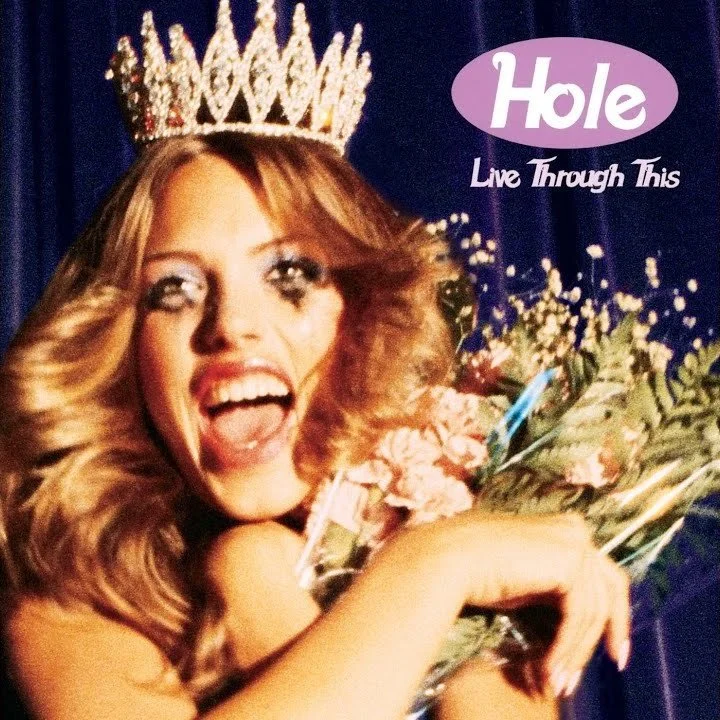
Hole – Asking For It
"Asking For It" is a track from Hole’s 1994 album Live Through This, written by Courtney Love, Eric Erlandson, and Kurt Cobain (who provides backing vocals). The song explores themes of vulnerability, consent, and the public perception of women, especially in the context of fame and sexualization. Its title and lyrics challenge the victim-blaming narrative that often surrounds sexual assault, with raw, confrontational lines like "Was she asking for it?" repeating like an accusation. The haunting melody and emotionally charged vocals create a sense of both fragility and fury, reflecting Love’s complex experience as a woman in the spotlight, navigating both exploitation and empowerment.

James Ingram - Just Once
"Just Once" is a song by James Ingram, released in 1981 as a single from his debut album If That's What It Takes. Written by the legendary songwriters Barry Mann, Cynthia Weil, and James Ingram himself, the song became one of his most iconic hits.
"Just Once" is a soulful ballad about the yearning for a love that can last. In the song, the protagonist expresses a desire for a single, perfect moment of love, hoping to experience it just once. The lyrics convey a longing for emotional connection and the hope that love can be simple and enduring, yet it is also filled with the sadness of knowing that achieving that is difficult.
The song showcases James Ingram's impressive vocal range and emotional delivery, and it became a hit on the Billboard charts, reaching the Top 20 on the Hot 100 and gaining significant radio airplay. It remains one of his signature songs and a classic of the 1980s R&B genre.


Jefferson Airplane - White Rabbit
"White Rabbit" is a psychedelic rock song performed by Jefferson Airplane, released in 1967. Written by Grace Slick, the song is known for its surreal lyrics that reference Lewis Carroll's "Alice's Adventures in Wonderland" and "Through the Looking-Glass." It became one of the band's most famous tracks and a quintessential anthem of the psychedelic era.
The song opens with the memorable lines:
"One pill makes you larger, and one pill makes you small; And the ones that mother gives you, don't do anything at all"
"White Rabbit" is notable for its use of imagery from the Alice in Wonderland stories to convey themes of surrealism, altered states of consciousness, and social commentary. Grace Slick's powerful vocals and the band's psychedelic rock instrumentation contributed to its lasting impact and popularity.
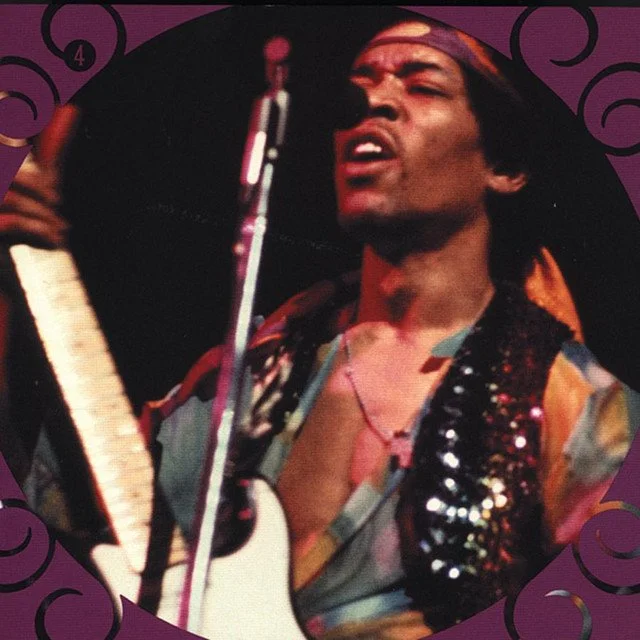
Jimi Hendrix - Johnny B. Goode
"Johnny B. Goode" is a classic rock and roll song written and originally recorded by Chuck Berry in 1958. It's one of the most famous rock songs of all time, telling the story of a young boy from Louisiana who is a talented guitar player. The song is celebrated for its catchy melody and groundbreaking guitar riff, which have inspired countless musicians over the years.
Jimi Hendrix, known for his innovative and expressive guitar playing, famously covered "Johnny B. Goode." His version showcases his signature style, blending blues, rock, and a bit of psychedelia, highlighting his incredible technique and improvisational skill. Hendrix's interpretation of the song adds a new dimension, turning it into a showcase for his virtuosic guitar soloing and unique sound.
The song's legacy endures as it represents both the spirit of early rock and roll and the advancements that later artists like Hendrix brought to the genre. It has been included in numerous films and is often associated with the cultural movements of the 1950s and 1960s.

Jimi Hendrix - The Star-Spangled Banner
Jimi Hendrix’s rendition of The Star-Spangled Banner, performed at Woodstock in 1969, is one of the most iconic and controversial interpretations of the U.S. national anthem. Using his electric guitar, Hendrix transformed the patriotic tune into a powerful sonic statement, filled with distortion, feedback, and sound effects that mimicked bombs, screams, and chaos. His performance captured the turmoil and unrest of the Vietnam War era, symbolizing both protest and patriotism. While some viewed it as un-American, many saw it as a raw, emotional reflection of the times and a bold expression of artistic freedom. Hendrix’s version remains a landmark moment in music history, redefining how the anthem could be understood and performed.
Jimmy Cliff - The Harder They Come
"The Harder They Come" is a song by Jimmy Cliff, released in 1972, and it became a significant part of reggae music history. The track gained widespread recognition through its inclusion in the film of the same name, which helped popularize reggae outside Jamaica. The song tells the story of a young man who struggles against oppression and seeks to find his place in the world. It reflects themes of societal injustice, resilience, and the quest for freedom, resonating with many listeners. The film and the soundtrack, featuring other reggae artists, played a crucial role in introducing Jamaican culture and music to global audiences. Jimmy Cliff’s powerful performance and the song's infectious rhythm contributed to its enduring legacy, making it a classic in both reggae and world music. The message of perseverance in the face of adversity continues to resonate, keeping the song relevant even decades after its release.
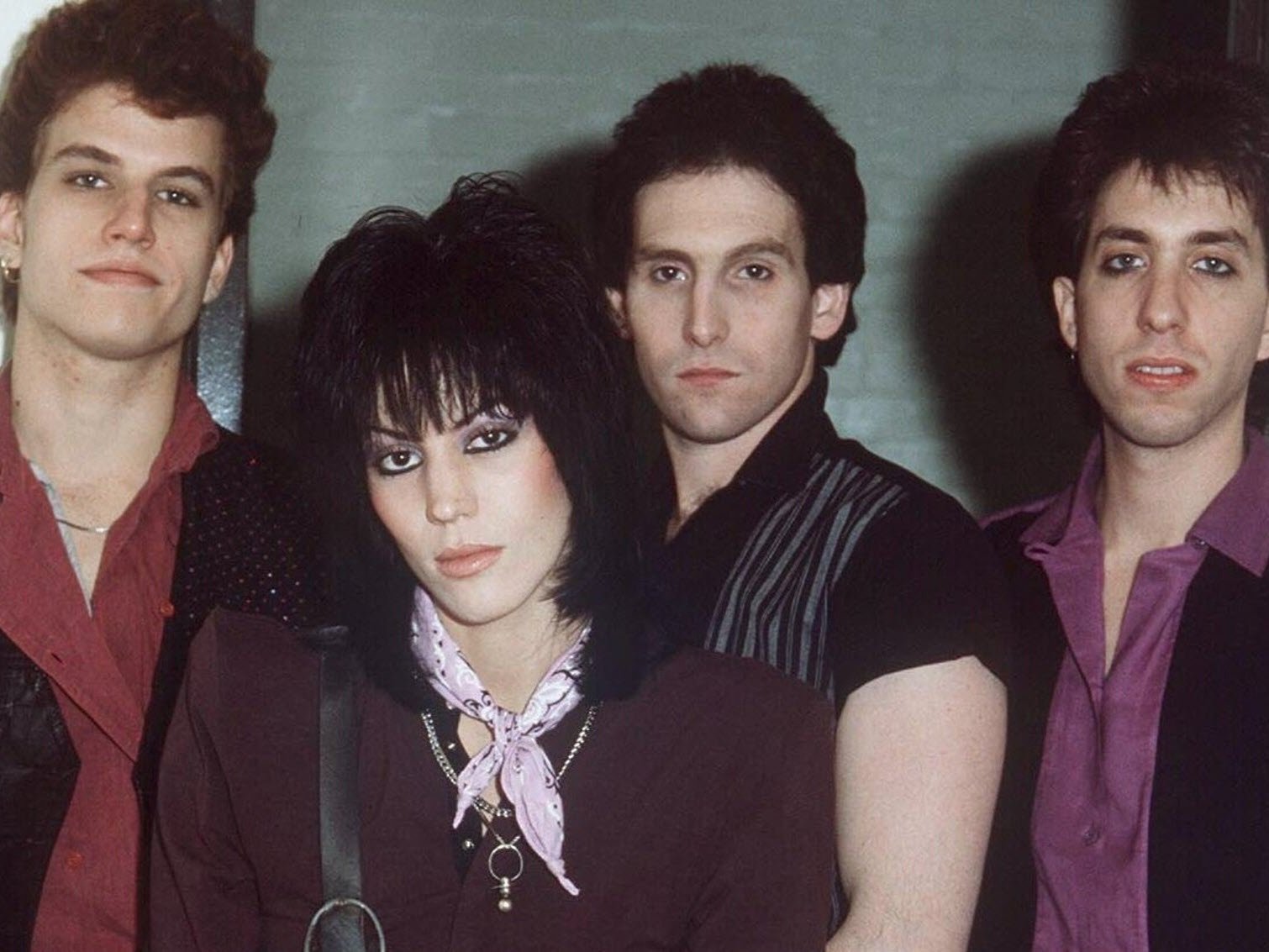
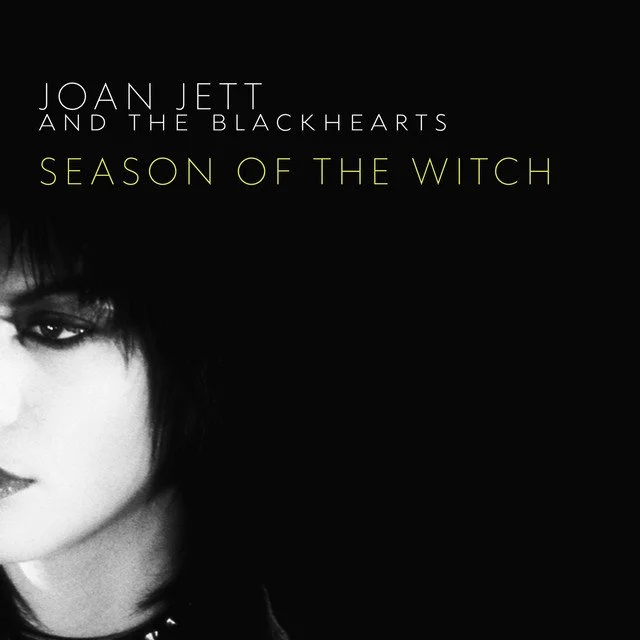
Joan Jett and The Blackhearts - Season of the Witch
Joan Jett’s 2004 rendition of Season of the Witch captures the raw, gritty energy that defines her signature rock sound while honoring the eerie mystique of Donovan’s original 1966 track. Her version adds a harder, more aggressive edge, driven by distorted guitars and her unmistakable vocals, transforming the psychedelic folk tune into a rebellious rock anthem. Jett leans into the song's haunting atmosphere with a sense of defiance, amplifying the themes of transformation and unease that the lyrics evoke. The result is a compelling interpretation that feels both nostalgic and refreshingly bold, highlighting Jett’s ability to reinvent classic tracks through her powerful, unapologetic style.

Joe Cocker - With A Little Help From My Friends
"With a Little Help from My Friends" is a classic song originally by The Beatles, but Joe Cocker's version from 1968 became iconic in its own right. His soulful, raw interpretation of the song was featured on his debut album With a Little Help from My Friends and is widely regarded as one of his defining performances.
Cocker took the cheerful, upbeat pop song from Sgt. Pepper's Lonely Hearts Club Band and transformed it into a powerful, gospel-like anthem. His distinctive raspy voice and emotional delivery brought a depth to the song that made it resonate with audiences on a different level.
The song became a huge hit, especially after Cocker's unforgettable performance at Woodstock in 1969, where his rendition of "With a Little Help from My Friends" cemented his place in rock history.
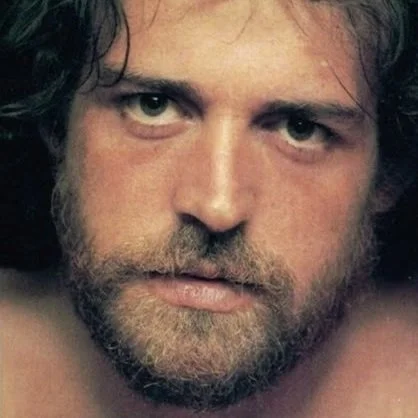

Joey Ramone - What A Wonderful World
Joey Ramone's version of "What a Wonderful World" is a unique cover of the classic song originally written by Bob Thiele and George David Weiss and famously performed by Louis Armstrong in 1967. Joey Ramone, known for his role as the lead singer of the punk rock band the Ramones, released his cover of the song in on “Don’t Worry About Me,” released posthumously in 2002.
Joey Ramone’s take on "What a Wonderful World" is quite different from the original, bringing a punk-infused, stripped-down, and raw feel to the timeless ballad. While Louis Armstrong's version is rich with jazz influences and a smooth, soulful delivery, Ramone's rendition has a more reflective, almost melancholy vibe, tinged with his unique voice and a slightly more modern sound.
The song’s original theme, celebrating the simple beauties of life, love, and nature, is still conveyed in Ramone’s version. However, his voice adds a different layer of emotional depth, with a certain sense of vulnerability. The contrast between the punk rock singer’s style and the song’s optimistic message makes Ramone’s version stand out as a fresh interpretation of a beloved classic.
Joey Ramone’s cover of "What a Wonderful World" stands as a testament to his versatility as an artist and his ability to reinterpret songs in his own distinctive style, blending the punk sensibilities of his past with a heartfelt tribute to a song that has resonated with generations of listeners.