

George Michael - Careless Whisper
"Careless Whisper" is one of George Michael's most famous songs, released in 1984 as part of his debut solo album Make It Big with the band Wham!. Though it was released as a Wham! track, George Michael is often credited with its emotional depth and powerful vocal performance, which helped establish him as a solo artist.
The song, written by George Michael and his Wham! partner Andrew Ridgeley, is a smooth, soulful ballad about regret, betrayal, and the consequences of infidelity. The iconic saxophone riff, which became synonymous with the song, is one of its most recognizable features, contributing to its timeless, romantic appeal.
"Careless Whisper" was a major commercial success, reaching No. 1 on the charts in many countries, including the United States, the United Kingdom, and Canada. It remains one of George Michael's signature songs, known for its poignant lyrics, memorable melody, and deeply emotional delivery.
The song is also frequently associated with Michael's legacy as one of pop music's greatest vocalists and songwriters, with its heartfelt themes continuing to resonate with listeners across generations.
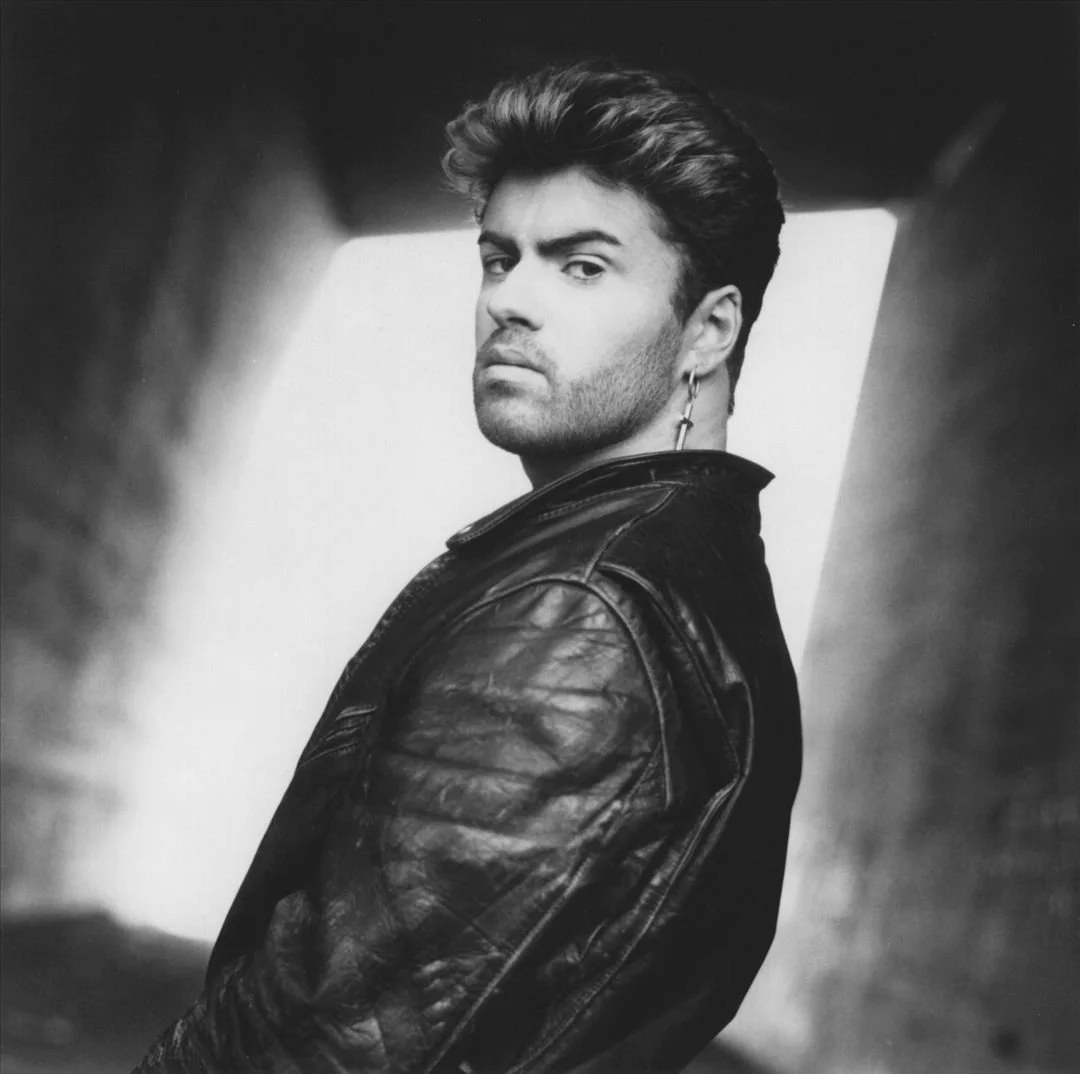
George Michael - Freedom! ’90
“Freedom! '90” is a landmark song written, produced, and performed by English singer-songwriter George Michael, released in October 1990 as part of his album Listen Without Prejudice Vol. 1. The “'90” was added to the title to prevent confusion with a hit by Michael’s former band Wham!, also entitled “Freedom”. The song refers to Michael’s past success with Wham!, yet also shows a new side of himself as a new man, who is more cynical about the music business than ever before. George Michael was trying to free himself from the shackles of Sony, his record label at the time. They created a heartthrob image for him to promote Faith, his 1987 debut solo album, and Michael was now trying to distance himself from it, using both the lyrics and video to made his point. The song achieved significant commercial success, peaking at number 28 on the UK Singles Chart, but was a major success on both the US Billboard Hot 100 and US Cash Box Top 100, reaching number 8 and 7.
The music video for “Freedom! '90” became one of the most iconic and influential pop videos of all time. Michael refused to appear in the music video for the song, directed by David Fincher, and cast a group of supermodels to appear instead. Appearing in the video are Cindy Crawford, Naomi Campbell, Linda Evangelista, Christy Turlington and Tatjana Patitz, who had recently appeared together on the cover of British Vogue. This was part of his effort to distance himself from his image and bring the focus to his music, and he did it in a very clever way for this video: He got a bunch of supermodels to lip sync for him. The video featured powerful imagery, with the iconic symbols from his “Faith” era—the leather jacket, jukebox, and guitar—being destroyed, representing his desire to break free from his manufactured pop star image. The song has endured as a cultural touchstone, with Rolling Stone placing “Freedom! '90” at number 126 in their list of “500 Best Songs of All Time” in 2021 and Billboard ranking it number 28 in their “The 100 Greatest LGBTQ+ Anthems of All Time” list in 2025.
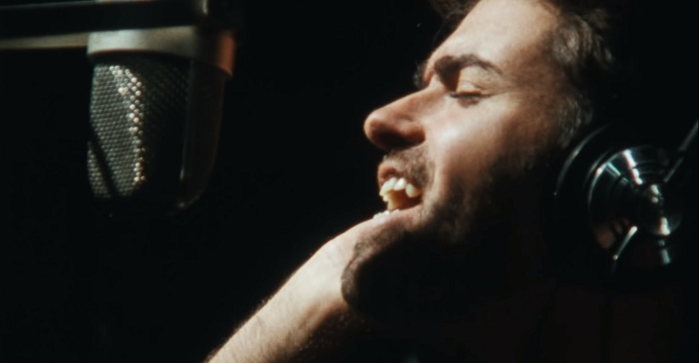
George Michael - Praying For Time
The song is a dark and somber reflection on social ills and injustice. George Michael stated that no event inspired the song, describing it as his way of trying to figure out why it's so hard for people to be good to each other. The song explores themes of poverty, hypocrisy, greed, and humanity's lack of compassion.
Michael explained the song addresses how the media has affected consciousness, teaching people that resources and time are running out, leaving almost no time for compassion.
"Praying for Time" was the first single from his second studio album, Listen Without Prejudice Vol. 1 (1990), spending one week at number one on the US Billboard Hot 100, making it Michael's seventh number one in the US and his last solo single to top the chart. It also reached number one in Canada.
The music video, directed by Michael Borofsky, didn't feature Michael as it only featured the lyrics of the song. This was part of Michael's effort to step away from celebrity and focus on the music itself. As a compromise with his label Columbia, Michael allowed a video where the song's words simply appeared in classy fonts against a black background — essentially creating one of the first lyric videos.
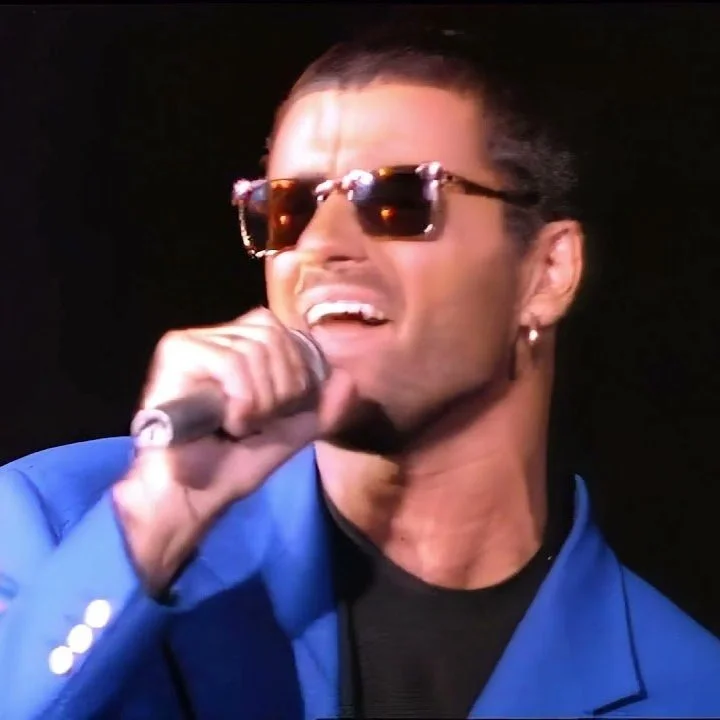
George Michael & Elton John - Don’t Let The Sun Go Down On Me
The live duet of "Don't Let the Sun Go Down on Me" by George Michael and Elton John is a memorable and emotional performance. It took place at the 1985 concert for the charity "Live Aid," which was held at Wembley Stadium in London. George Michael and Elton John came together to perform this classic ballad, which Elton John originally released in 1974. Michael's rich, soulful voice combined with Elton John's powerful piano performance created a rendition that was both stirring and poignant. The collaboration showcased their vocal chemistry and mutual respect, and it remains a highlight in both of their musical legacies. Their performance is often celebrated for its emotional depth and the way it captures the vulnerability and strength of the song. It’s a great example of how two legendary artists can come together to create something truly special.

Gladys Knight & the Pips - Midnight Train to Georgia
“Midnight Train to Georgia” by Gladys Knight & the Pips is a soulful ballad released in 1973 that tells a heartfelt story of love, sacrifice, and the pursuit of a simpler life. Written by Jim Weatherly and featured on the group’s album Imagination, the song follows a man who gives up his dreams of stardom in Los Angeles and returns to Georgia, with his devoted partner choosing to follow him. Gladys Knight’s powerful vocals, paired with the smooth harmonies of the Pips, bring emotional depth to the narrative. The song became a number-one hit on the Billboard Hot 100 and won a Grammy Award, solidifying its place as a classic in American soul and R&B music history.
Gladys Knight & the Pips Midnight Train to Georgia Lyrics
L.A proved too much for the man
(Too much for the man)
(He couldn't make it)
So, he's leaving the life he's come to know, oh
He said he's going back to find
(Going back to find)
What's left of his world
The world he left behind
Not so long ago
He's leaving (leaving)
On that midnight train to Georgia (leaving on a midnight train)
Hmm, yeah
Said he's going back (going back to find)
To a simpler place and time (and when he takes that ride)
Oh yes, he is (guess who's gonna sit right by his side)
And I'll be with him (I know you will)
On that midnight train to Georgia
(Leaving on a midnight train to Georgia)
I'd rather live in his world (live in his world)
Than live without him in mine (world, world)
(It's his, his and hers alone)
He kept dreaming
(Dreaming)
Oh, that someday he'd be a star
(A superstar, but he didn't get far)
But he sure found out the hard way
That dreams don't always come true (dreams don't always come true)
Oh no (uh-uh, no, uh-uh)
So he hung all his hopes
And he even sold his own car, hmm
Bought a one way ticket back
To the life that he once knew
Oh yes he did
He said he would
I know he's leaving (leaving)
On that midnight train to Georgia (leaving on a midnight train)
Hmm, yeah
Said he's going back to find, oh (going back to find)
A simpler place and time (and when he takes that ride)
(Guess who's gonna sit right by his side)
And, I'm gonna be with him (I know you will)
On that midnight train to Georgia
(Leaving on the midnight train to Georgia)
I'd rather live in his world (live in his world)
Than live without him in mine (world, world)
(It's his, his and hers alone)
Oh, he's leaving
(Leaving)
On a midnight train to Georgia
(Leaving on a midnight train)
Yeah, oh yo
Said he's going back to find
(Going back to find)
Oh, a simpler place and time (whenever he takes that ride)
(Guess who's gonna be right by his side)
I've got to be with him
(I know you will)
On that midnight train to Georgia
(Leaving on a midnight train to Georgia)
I'd rather live in his world (live in his world)
Than live without him in mine (world, world)
(Is his, his and hers alone)
one love
(All aboard) all aboard
A midnight train to ride
(One love) one love
(All aboard) all aboard
Gotta go on the midnight train to go (midnight train to go)
(One love) one love
(All aboard) all aboard
Aha, the midnight train to go (midnight train to go)
My world (one love)
His world (all aboard)
Our world, mine and his alone (midnight train to go)
My world (one love)
His world (all aboard)
Our world, mine and his alone (midnight train to go)
I've got to go (one love)
I've got to go (all abroad)
I've got to go (midnight train to go)
Hey
I've got to go (one love)
I've got to go (all abroad)
(Midnight train to go)
My world (one love)
His world (all aboard)
My man, his girl
I've got to go, I've got go
I've got to go

Glen Campbell - Rhinestone Cowboy
Glen Campbell captured the essence of the country-pop crossover with “Rhinestone Cowboy.” Released in 1975, it became one his most iconic hits. The song tells the story of a cowboy who's made it big in the entertainment world, living the glitzy life but still holding on to the grit and resilience of his roots. It has that perfect blend of melancholy and triumph. It has a real "dreamer" vibe—someone who made it big but still feels the struggle and yearning for something deeper.

Green Day - American Idiot
“American Idiot” is a politically charged punk rock anthem by Green Day, released in 2004 as the title track of their album of the same name. The song critiques American society, especially the media, with its sharp commentary on conformity, blind patriotism, and consumerism. It encapsulates the band's disillusionment with the state of the nation, particularly in the aftermath of the Iraq War and the Bush administration. The fast-paced, aggressive sound of the song mirrors the frustration and anger conveyed in the lyrics, making it a rallying cry for those who felt out of touch with the mainstream narrative. Its catchy hook and rebellious spirit made it an anthem for a generation grappling with political and social tensions.

Green Day - Hitchin' A Ride
"Hitchin' a Ride" is a track by Green Day from their 1997 album Nimrod. It's an upbeat, punk-rock song with a catchy melody and energetic rhythm. The lyrics describe a sense of restlessness and a desire to escape from a mundane or frustrating situation. The song is known for its infectious chorus and has become one of Green Day's memorable hits.
Special Note: Green Day's "Hitchin' a Ride" was not the only song by the same name. Vanity Fare's version was released in 1969, and is known for its catchy tune and upbeat tempo. The song's lyrics tell the story of a man who's hitching a ride and reflecting on life and love. It's a feel-good, sing-along kind of track that captures the spirit of its era.


Guns N' Roses - Live And Let Die
Guns N’ Roses covered “Live and Let Die” in 1991, releasing it as the second single from their album Use Your Illusion I. The song was originally written by Paul and Linda McCartney and performed by Wings as the theme for the 1973 James Bond film of the same name. According to guitarist Slash, both he and Axl Rose had always loved the song, though they hadn’t discussed their mutual affection for it until one night when they were talking about potential cover songs. When Slash rehearsed it with Izzy Stradlin, Matt Sorum, and Duff McKagan, the song “sounded really heavy”, dispelling their initial doubts about whether they could do it justice.
The recording featured synthesizers rather than actual horns, with Axl Rose spending hours meticulously programming the complex synth parts to capture the nuances of the original arrangement. Despite their concerns about matching the quality of the original, the band’s version developed its own character, with Rose describing it as having a rough, scratchy vocal delivery that made it distinctly theirs. The cover was commercially successful, charting at No. 20 on the US Billboard Album Rock Tracks chart and No. 33 on the Billboard Hot 100. Internationally, the single reached the top five in Ireland, Norway, and the UK, became the third consecutive number-one from the Use Your Illusion albums in Finland, and topped the New Zealand charts for two weeks.
The cover was nominated for the Grammy Award for Best Hard Rock Performance at the 35th Annual Grammy Awards in 1993, though it lost to Red Hot Chili Peppers’ “Give It Away.” A music video was made in November 1991 featuring the band playing live on stage with old pictures, and it became the last video to feature Izzy Stradlin before his departure from the band. The band performed the song live from Wembley Stadium at the 1991 MTV Video Music Awards, and it has remained a staple of their live performances ever since.
Paul McCartney himself responded positively to the cover, though with an amusing anecdote. His children would tell their school friends that their dad wrote the song, but nobody would believe them, insisting it was a Guns N’ Roses original. McCartney said he was “very happy that they had done it” and that he always likes when people cover his songs. The Guns N’ Roses version also appeared on the soundtrack to the 1997 film Grosse Pointe Blank, further cementing its place in popular culture.

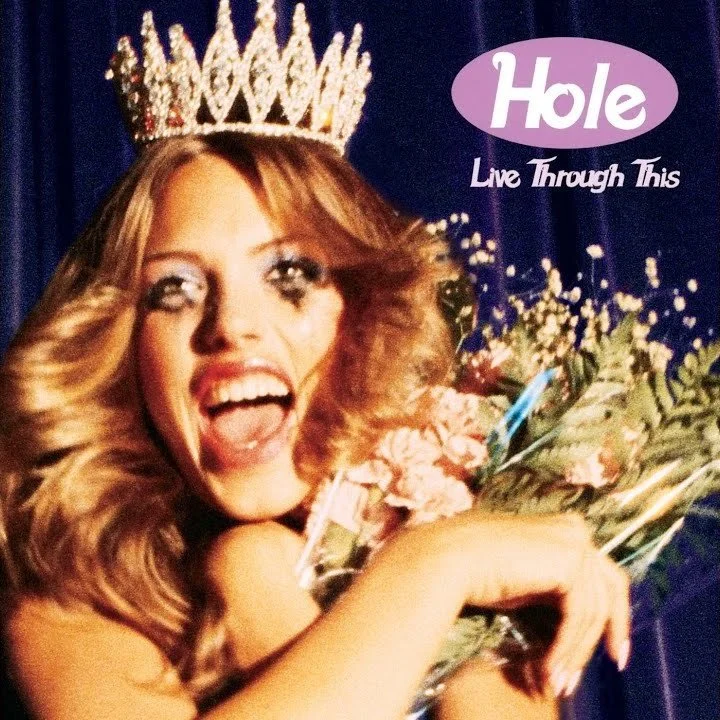
Hole – Asking For It
"Asking For It" is a track from Hole’s 1994 album Live Through This, written by Courtney Love, Eric Erlandson, and Kurt Cobain (who provides backing vocals). The song explores themes of vulnerability, consent, and the public perception of women, especially in the context of fame and sexualization. Its title and lyrics challenge the victim-blaming narrative that often surrounds sexual assault, with raw, confrontational lines like "Was she asking for it?" repeating like an accusation. The haunting melody and emotionally charged vocals create a sense of both fragility and fury, reflecting Love’s complex experience as a woman in the spotlight, navigating both exploitation and empowerment.

James Ingram - Just Once
"Just Once" is a song by James Ingram, released in 1981 as a single from his debut album If That's What It Takes. Written by the legendary songwriters Barry Mann, Cynthia Weil, and James Ingram himself, the song became one of his most iconic hits.
"Just Once" is a soulful ballad about the yearning for a love that can last. In the song, the protagonist expresses a desire for a single, perfect moment of love, hoping to experience it just once. The lyrics convey a longing for emotional connection and the hope that love can be simple and enduring, yet it is also filled with the sadness of knowing that achieving that is difficult.
The song showcases James Ingram's impressive vocal range and emotional delivery, and it became a hit on the Billboard charts, reaching the Top 20 on the Hot 100 and gaining significant radio airplay. It remains one of his signature songs and a classic of the 1980s R&B genre.

Jane's Addiction - Jane Says
"Jane Says" is one of Jane's Addiction's most notable songs, featured on their 1988 debut album Nothing's Shocking. Written by lead singer Perry Farrell, the song is notable for its stripped-down, acoustic arrangement, which contrasts with the band's generally more electric and intense sound.
The lyrics revolve around a character named Jane who is dealing with addiction and personal struggles. Farrell has mentioned that the song reflects his own experiences and observations, providing a raw and honest portrayal of life's difficulties. The repetitive, chant-like chorus and the simple, yet compelling, guitar accompaniment create a hauntingly memorable atmosphere.
"Jane Says" became one of Jane's Addiction's signature songs and helped establish their reputation in the alternative rock scene. The track is often celebrated for its emotional depth and its departure from the more conventional rock sounds of the time.


Jefferson Airplane - White Rabbit
"White Rabbit" is a psychedelic rock song performed by Jefferson Airplane, released in 1967. Written by Grace Slick, the song is known for its surreal lyrics that reference Lewis Carroll's "Alice's Adventures in Wonderland" and "Through the Looking-Glass." It became one of the band's most famous tracks and a quintessential anthem of the psychedelic era.
The song opens with the memorable lines:
"One pill makes you larger, and one pill makes you small; And the ones that mother gives you, don't do anything at all"
"White Rabbit" is notable for its use of imagery from the Alice in Wonderland stories to convey themes of surrealism, altered states of consciousness, and social commentary. Grace Slick's powerful vocals and the band's psychedelic rock instrumentation contributed to its lasting impact and popularity.
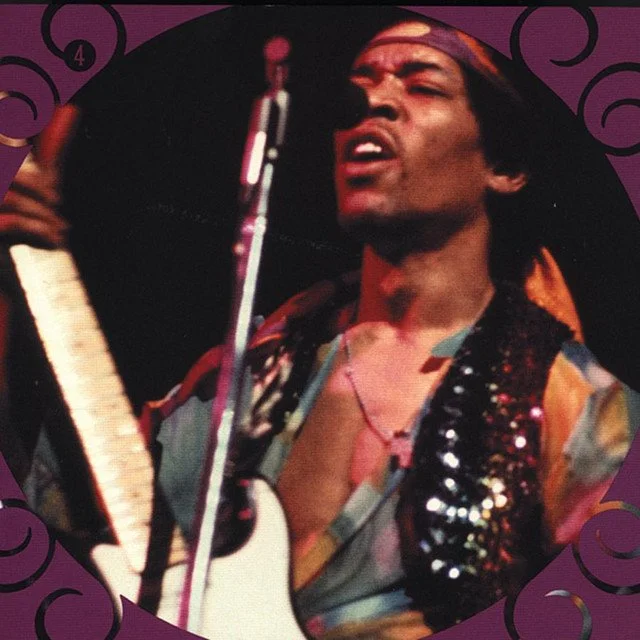
Jimi Hendrix - Johnny B. Goode
"Johnny B. Goode" is a classic rock and roll song written and originally recorded by Chuck Berry in 1958. It's one of the most famous rock songs of all time, telling the story of a young boy from Louisiana who is a talented guitar player. The song is celebrated for its catchy melody and groundbreaking guitar riff, which have inspired countless musicians over the years.
Jimi Hendrix, known for his innovative and expressive guitar playing, famously covered "Johnny B. Goode." His version showcases his signature style, blending blues, rock, and a bit of psychedelia, highlighting his incredible technique and improvisational skill. Hendrix's interpretation of the song adds a new dimension, turning it into a showcase for his virtuosic guitar soloing and unique sound.
The song's legacy endures as it represents both the spirit of early rock and roll and the advancements that later artists like Hendrix brought to the genre. It has been included in numerous films and is often associated with the cultural movements of the 1950s and 1960s.

Jimi Hendrix - The Star-Spangled Banner
Jimi Hendrix’s rendition of “The Star-Spangled Banner” at the 1969 Woodstock Festival is one of the most significant musical performances in history. Originally scheduled for Sunday night, Hendrix finally took the stage on a muddy Monday morning before a remaining crowd of roughly 30,000 people. His performance of the national anthem served as the climax of his set and a defining moment for the 1960s counterculture.
Musically, the performance was groundbreaking for its use of extreme electric guitar techniques. Hendrix utilized heavy distortion, feedback, and the tremolo bar of his Fender Stratocaster to create vivid sonic imagery. He simulated the sounds of war—such as falling bombs, machine-gun fire, and sirens—directly into the melody of the anthem. This was not merely noise but a deliberate artistic commentary on the turmoil of the era, particularly the Vietnam War and the domestic civil rights struggle.
Despite the radical sonic experimentation, Hendrix maintained the core melody of the anthem with a sense of reverence. The performance was a complex blend of patriotism and protest. As a former paratrooper in the 101st Airborne Division, Hendrix brought a unique personal perspective to the song, viewing it as a reflection of the American experience rather than a simple political statement.
The legacy of this performance is immense. It broke the tradition that the national anthem was a sacred, unalterable piece of music, opening the door for future artists to provide their own interpretations. It remains a powerful symbol of artistic freedom and a timeless reflection of a nation in the midst of profound change.