

Eva Cassidy - Over the Rainbow
Eva Cassidy’s "Over the Rainbow" is one of the most famous and beloved renditions of the song. Originally written by Harold Arlen and E.Y. Harburg for the 1939 movie "The Wizard of Oz," Cassidy's interpretation of the song is particularly poignant. Her version is characterized by its hauntingly beautiful vocals and stripped-down arrangement, often accompanied by just her guitar. Cassidy's rendition of "Over the Rainbow" showcases her incredible vocal range and emotional depth, making it a timeless classic that continues to resonate with listeners around the world.
Eva Cassidy recorded her rendition of "Over the Rainbow" in 1992. This recording, along with others, helped to establish her posthumous fame after her untimely death in 1996. Cassidy's interpretation of the song became one of her most well-known and cherished performances, contributing to her enduring legacy as a talented and beloved vocalist.
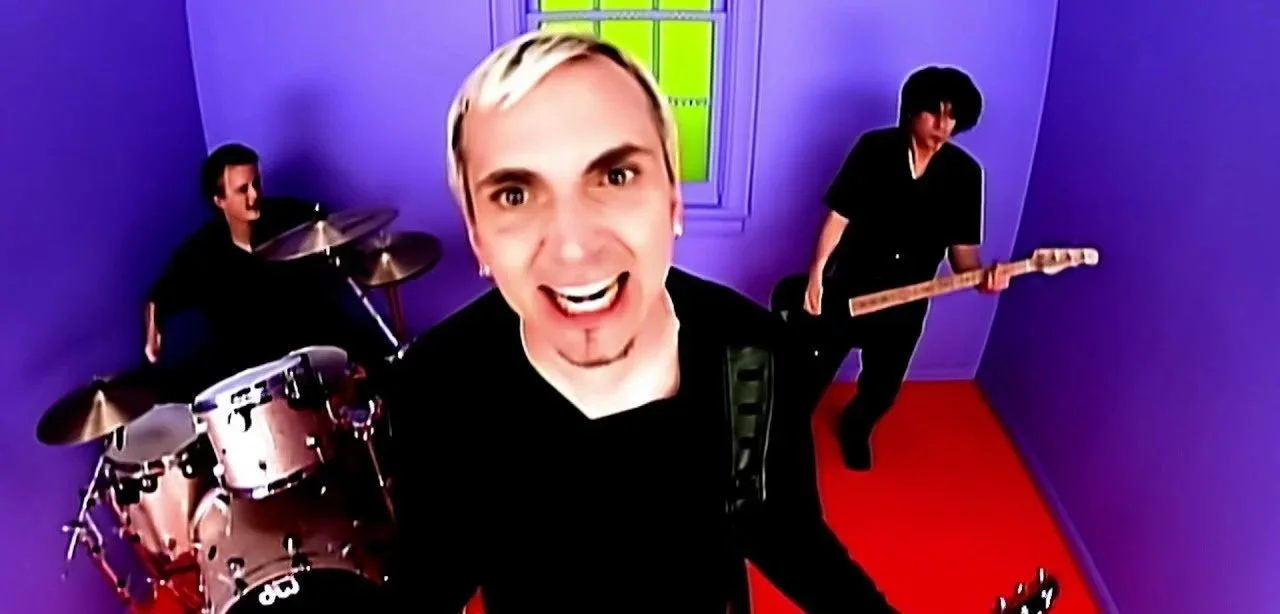
Everclear – Father of Mine
"Father of Mine" is a song by the American rock band Everclear, released in 1997 as part of their album "So Much for the Afterglow." The song is notable for its introspective lyrics that deal with themes of abandonment and the emotional turmoil caused by a father’s absence. Written by lead vocalist Art Alexakis, the song reflects on his own experiences growing up without a father. The lyrics convey feelings of anger, sadness, and confusion about his father's abandonment, which is something many listeners relate to on a personal level. The song's catchy melody and honest storytelling helped it gain radio play and popularity in the late '90s, ultimately becoming one of Everclear's signature tracks. Musically, "Father of Mine" features the band's characteristic mix of alternative rock and post-grunge elements, with a memorable chorus that resonates well with audiences. The emotional weight of the song, combined with its infectious sound, has kept it relevant over the years, and it continues to be a staple in Everclear's live performances.


Faith No More - Easy
"Easy" by Faith No More is a cover of the classic soul song originally performed by The Commodores. Faith No More released their version in 1992 as part of their album "Angel Dust." The band's rendition of "Easy" retains the smooth, mellow vibe of the original but incorporates their own alternative rock style, adding heavier guitar tones and a more modern production.
The cover was quite successful for Faith No More, receiving positive reviews and becoming one of their most recognizable tracks. It showcases Mike Patton's versatile vocal ability, as he delivers the song with soulful emotion while staying true to the band's alternative rock roots.
Overall, Faith No More's cover of "Easy" is a unique interpretation of a classic song that blends different musical styles and has left a lasting impact on both fans of the band and admirers of the original Commodores version.

Five Stairsteps - O-o-h Child
"O-o-h Child" by Five Stairsteps is a soulful, uplifting anthem released in 1970 that became the group’s biggest hit. Written and produced by Stan Vincent, the song is known for its soothing melody and hopeful message, reassuring listeners that despite life’s hardships, “things are gonna get easier.” Its gentle harmonies and optimistic tone helped it become a timeless classic, resonating across generations. Often associated with themes of perseverance and healing, "O-o-h Child" has been featured in numerous films and television shows, including Guardians of the Galaxy, cementing its place in pop culture history.
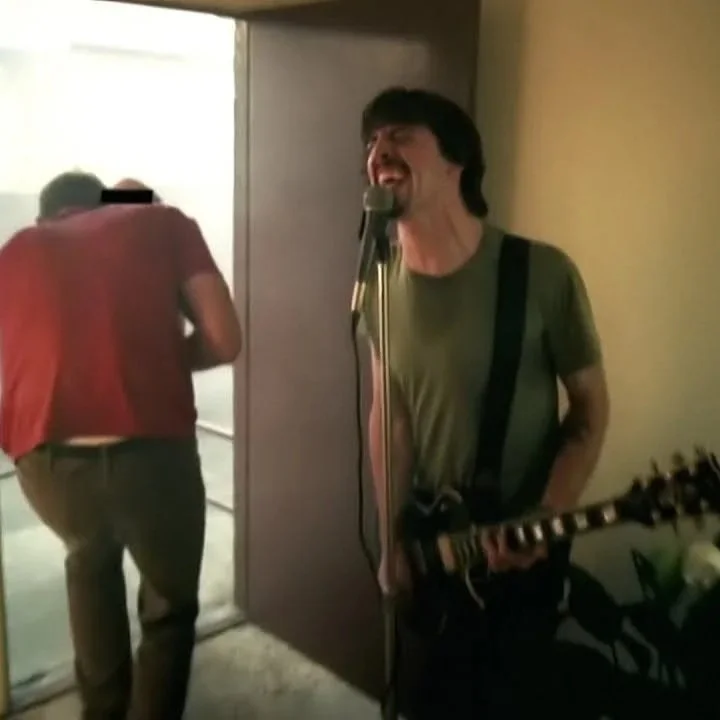
Foo Fighters - My Hero
“My Hero” is one of Foo Fighters’ most iconic and enduring songs, released as the third single from their second album, The Colour and the Shape, in January 1998. Written by Dave Grohl, Nate Mendel, and Pat Smear, the song was actually first demoed by Grohl in July 1995 in the basement of his Seattle home, where he played all the instruments himself on an 8-track reel-to-reel. Bassist Nate Mendel later recalled that hearing this demo made him realize the band had a significant future ahead, calling the song “so great.” The track features a distinctive recording technique where two separate drum tracks played by Grohl were layered together for the intro and verses, creating a complex, powerful galloping rhythm that became one of the song’s most recognizable elements.
The meaning of “My Hero” has been the subject of much speculation over the years. Many fans initially assumed the song was written about Kurt Cobain, Grohl’s late Nirvana bandmate who died in 1994. While Grohl acknowledged that “there’s definitely an element of Kurt in that song,” he has consistently emphasized that the track is actually a celebration of ordinary, everyday heroes rather than celebrities or rock stars. In a 1999 interview on The Howard Stern Show, when asked if it was about Cobain, Grohl clarified that it’s “more about heroes that are ordinary,” explaining that he looks up to regular people more than celebrities. He further elaborated during a 2009 VH1 Storytellers appearance that the song was written while watching 1980s movies like Valley Girl, and that it was about Pete Stahl and Chip Donaldson “without even knowing it.” The song’s universal message about celebrating the common man and his extraordinary potential has allowed listeners to attribute their own personal meanings to the lyrics.
“My Hero” achieved significant commercial success, reaching number six on the US Billboard Alternative Songs chart and selling over 600,000 copies in the UK alone. The song’s music video, directed by Dave Grohl himself, features a continuous “long take” format following a man rescuing people and pets from a burning building, with his face never shown to emphasize that heroes are everyday people. The song has been ranked highly on numerous “best of” lists, with American Songwriter naming it the greatest Foo Fighters song and Rolling Stone readers ranking it as the band’s fourth-greatest. Over the years, “My Hero” has taken on new meanings in different contexts. In 2020, Grohl performed an acoustic version from Hawaii for a coronavirus benefit concert, dedicating it to healthcare workers and essential workers on the frontlines. Following the death of drummer Taylor Hawkins in 2022, the song gained even deeper significance when his son Shane performed it with the band at the tribute concert at Wembley Stadium, creating an emotional moment that redefined the song’s meaning for many fans. The track remains a staple of Foo Fighters concerts and continues to resonate as an anthem celebrating the unsung heroes of everyday life.
The creation of “Reach Out I’ll Be There” came at a crucial time for the Four Tops, who were experiencing a lull after their breakthrough in 1964-65. Lamont Dozier envisioned the song as “a journey of emotions with sustained tension, like a bolero,” alternating between a minor, Russian feel in the verses and a major, gospel feel in the chorus. The production team was heavily influenced by Bob Dylan’s vocal style at the time, wanting lead singer Levi Stubbs to “shout-sing” the lyrics with similar urgency and intensity. To achieve the desired emotional impact, Holland-Dozier-Holland intentionally pushed Stubbs to the top of his vocal range, ensuring his performance would have “that cry and hunger and wailing in his voice,” according to Four Tops member Abdul Fakir. The song’s distinctive sound was enhanced by arranger Paul Riser’s innovative instrumentation, including piccolo and flute in the introduction, and a unique drum pattern created by using timpani mallets on a tambourine head.
The song’s impact extended far beyond its initial chart success. It appeared on the Four Tops’ fifth studio album, also titled Reach Out, released in July 1967, which became the group’s biggest-selling studio album. The track helped establish the Four Tops as international stars, particularly in Britain, where they toured extensively in early 1967 under the promotion of the Beatles’ manager Brian Epstein. Over the decades, “Reach Out I’ll Be There” has been covered by numerous artists including Diana Ross, Gloria Gaynor, Michael Bolton, and many others, cementing its status as a timeless soul classic. In 2022, the U.S. Library of Congress added the song to the National Recording Registry, recognizing it as “culturally, historically, or aesthetically significant.” The original Four Tops lineup performed together for 44 years until Lawrence Payton’s death in 1997, and throughout that remarkable career, they never had a bigger commercial hit than “Reach Out I’ll Be There.”
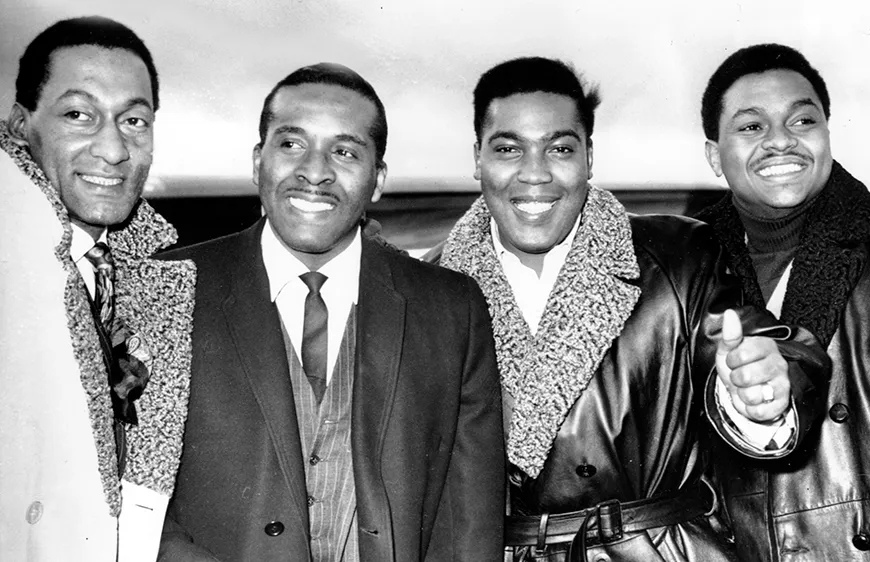
Four Tops - Reach Out (I'll Be There)
“Reach Out I’ll Be There” by the Four Tops stands as one of the most iconic and widely-known Motown hits of the 1960s, serving as the group’s signature song. Written and produced by Motown’s legendary production team Holland-Dozier-Holland, the track was released on August 18, 1966, and quickly became a massive commercial success. The song reached number one on the Billboard Hot 100 on October 15, 1966, holding the top position for two weeks. It also dominated the UK Singles Chart, becoming Motown’s second British chart-topper after the Supremes’ “Baby Love,” where it spent three weeks at number one beginning October 27, 1966. Billboard ranked it as the number four song of 1966, and it later earned a place at number 206 on Rolling Stone’s “The 500 Greatest Songs of All Time” list.
The creation of “Reach Out I’ll Be There” came at a crucial time for the Four Tops, who were experiencing a lull after their breakthrough in 1964-65. Lamont Dozier envisioned the song as “a journey of emotions with sustained tension, like a bolero,” alternating between a minor, Russian feel in the verses and a major, gospel feel in the chorus. The production team was heavily influenced by Bob Dylan’s vocal style at the time, wanting lead singer Levi Stubbs to “shout-sing” the lyrics with similar urgency and intensity. To achieve the desired emotional impact, Holland-Dozier-Holland intentionally pushed Stubbs to the top of his vocal range, ensuring his performance would have “that cry and hunger and wailing in his voice,” according to Four Tops member Abdul Fakir. The song’s distinctive sound was enhanced by arranger Paul Riser’s innovative instrumentation, including piccolo and flute in the introduction, and a unique drum pattern created by using timpani mallets on a tambourine head.
The song’s impact extended far beyond its initial chart success. It appeared on the Four Tops’ fifth studio album, also titled Reach Out, released in July 1967, which became the group’s biggest-selling studio album. The track helped establish the Four Tops as international stars, particularly in Britain, where they toured extensively in early 1967 under the promotion of the Beatles’ manager Brian Epstein. Over the decades, “Reach Out I’ll Be There” has been covered by numerous artists including Diana Ross, Gloria Gaynor, Michael Bolton, and many others, cementing its status as a timeless soul classic. In 2022, the U.S. Library of Congress added the song to the National Recording Registry, recognizing it as “culturally, historically, or aesthetically significant.” The original Four Tops lineup performed together for 44 years until Lawrence Payton’s death in 1997, and throughout that remarkable career, they never had a bigger commercial hit than “Reach Out I’ll Be There.”

Foxy Shazam - Oh Lord
Released in 2010, Foxy Shazam's "Oh Lord" is a powerhouse of a song that blends theatrical rock with unbridled energy. The track opens with a haunting piano melody that quickly builds into a frenetic anthem, driven by Eric Nally's electrifying vocals and the band's explosive instrumentation. Lyrically, "Oh Lord" explores themes of desire, redemption, and the intensity of human emotion. It's a rollercoaster of a song that captures the band's signature blend of glam, punk, and classic rock influences, showcasing their knack for creating music that's both exhilarating and deeply resonant. With its larger-than-life sound and impassioned delivery, "Oh Lord" stands as a testament to Foxy Shazam's ability to push the boundaries of rock music while delivering a memorable and electrifying listening experience.
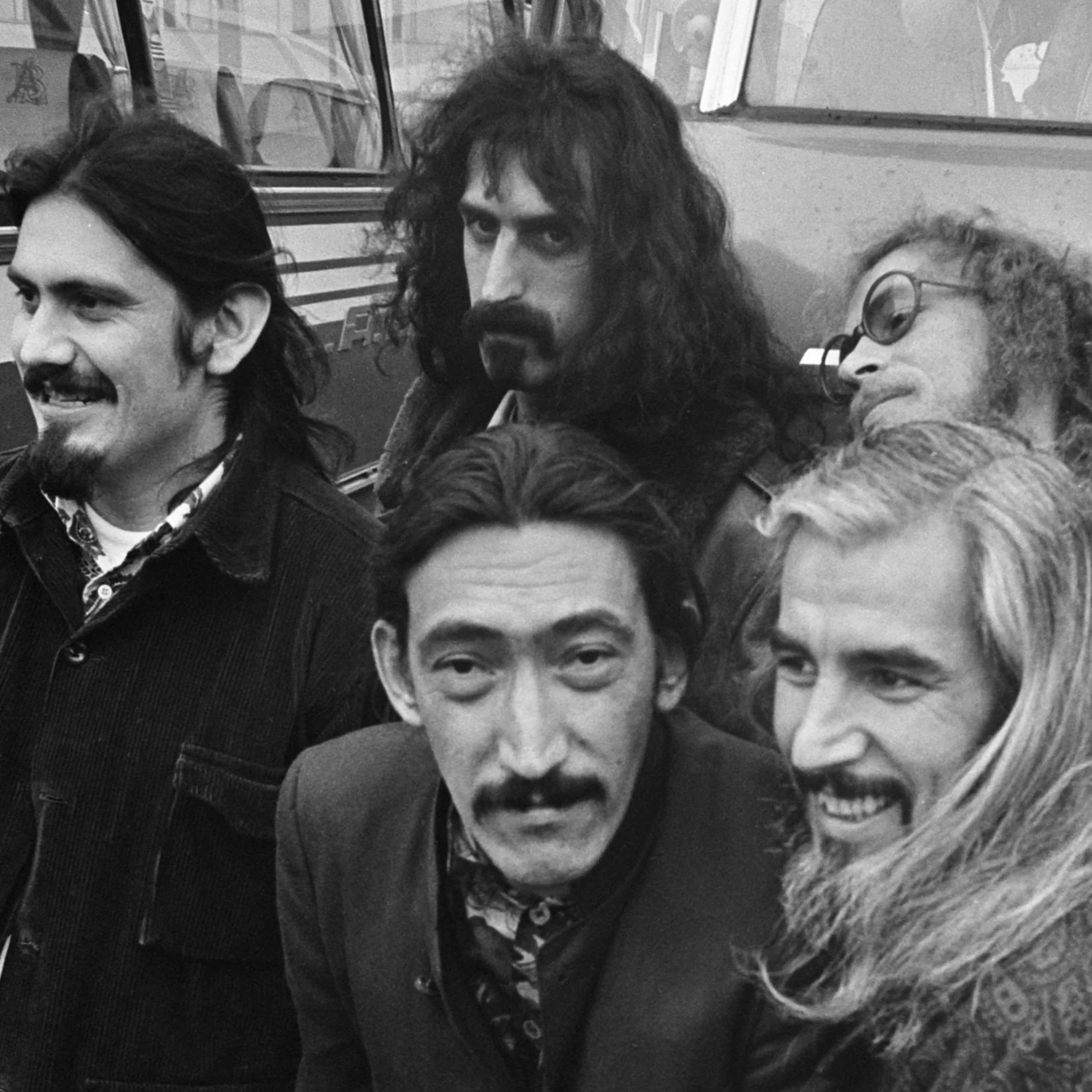
Frank Zappa and The Mothers of Invention - Trouble Every Day
“Trouble Every Day” is a song by Frank Zappa and The Mothers of Invention. It was originally released on their debut album Freak Out! in 1966. The song was written by Frank Zappa and reflects on the social unrest and racial tensions of the time, particularly focusing on the Watts riots in Los Angeles in 1965.
“Trouble Every Day” is characterized by its raw and confrontational lyrics, as well as its fusion of rock, blues, and avant-garde elements. The song features Zappa's biting social commentary and incisive observations on the state of society during the mid-1960s.
Despite its controversial subject matter, Trouble Every Day has been praised for its relevance and enduring significance. It remains a standout track in Frank Zappa's discography and is often cited as one of his most powerful and thought-provoking compositions.

Frijid Pink - House of the Rising Sun
"Frijid Pink" released their version of "House of the Rising Sun" in 1970 as part of their self-titled debut album. The song became their most famous and successful track, reaching the top ten on the Billboard Hot 100 chart in the United States. Frijid Pink's rendition of "House of the Rising Sun" is notable for its hard rock approach, featuring heavy guitar riffs and intense vocals that differ significantly from the folk and blues origins of the song. It remains a classic example of how rock bands of the era adapted traditional songs into their own style, contributing to the broader evolution of rock music in the late 1960s and early 1970s.
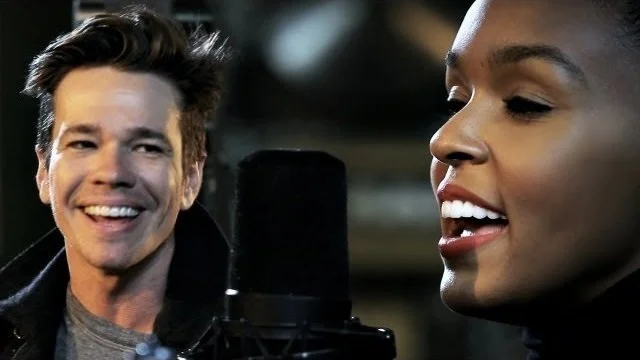


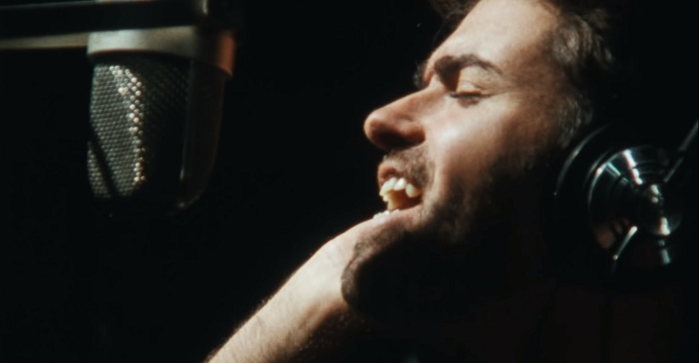
George Michael - Praying For Time
The song is a dark and somber reflection on social ills and injustice. George Michael stated that no event inspired the song, describing it as his way of trying to figure out why it's so hard for people to be good to each other. The song explores themes of poverty, hypocrisy, greed, and humanity's lack of compassion.
Michael explained the song addresses how the media has affected consciousness, teaching people that resources and time are running out, leaving almost no time for compassion.
"Praying for Time" was the first single from his second studio album, Listen Without Prejudice Vol. 1 (1990), spending one week at number one on the US Billboard Hot 100, making it Michael's seventh number one in the US and his last solo single to top the chart. It also reached number one in Canada.
The music video, directed by Michael Borofsky, didn't feature Michael as it only featured the lyrics of the song. This was part of Michael's effort to step away from celebrity and focus on the music itself. As a compromise with his label Columbia, Michael allowed a video where the song's words simply appeared in classy fonts against a black background — essentially creating one of the first lyric videos.
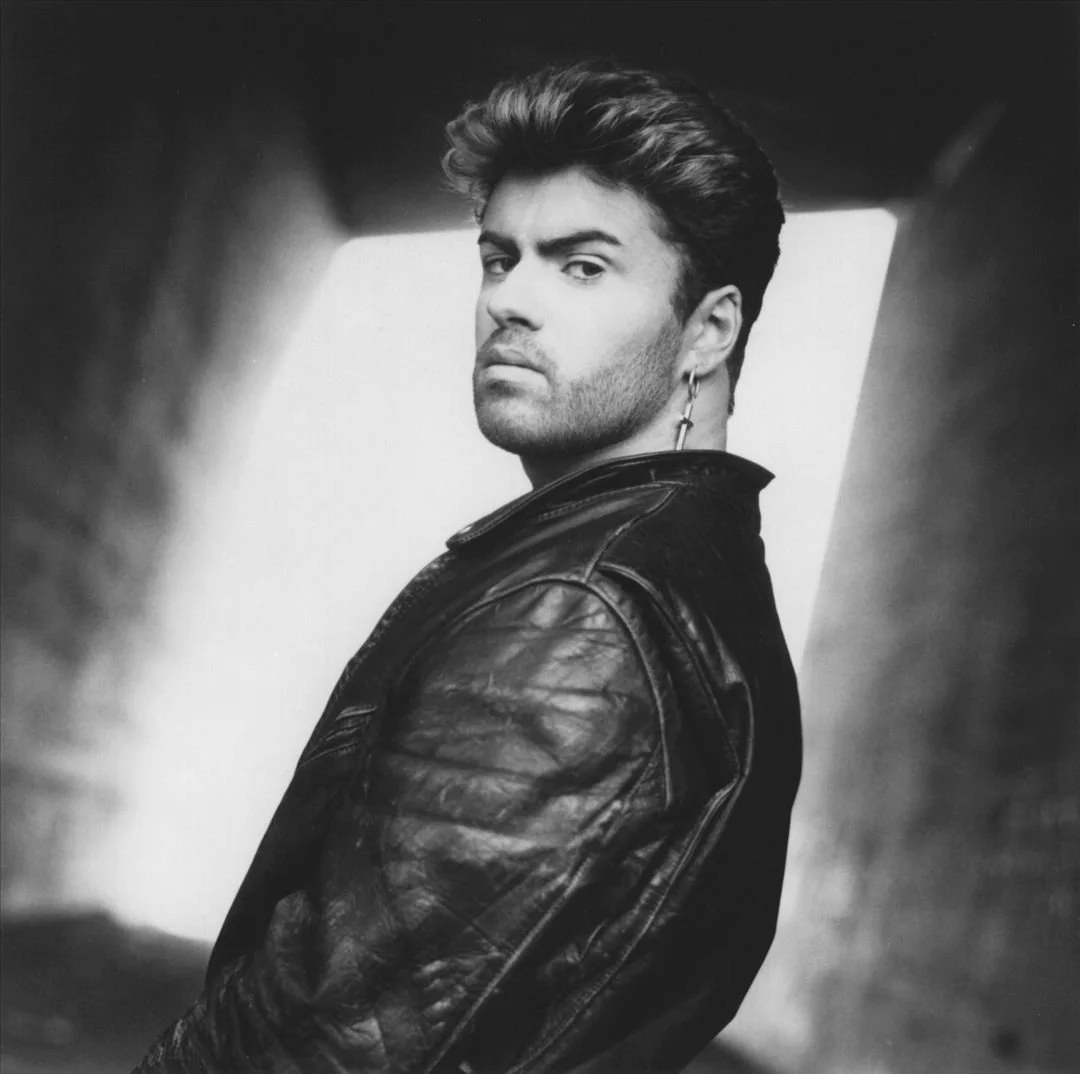
George Michael - Freedom! ’90
“Freedom! '90” is a landmark song written, produced, and performed by English singer-songwriter George Michael, released in October 1990 as part of his album Listen Without Prejudice Vol. 1. The “'90” was added to the title to prevent confusion with a hit by Michael’s former band Wham!, also entitled “Freedom”. The song refers to Michael’s past success with Wham!, yet also shows a new side of himself as a new man, who is more cynical about the music business than ever before. George Michael was trying to free himself from the shackles of Sony, his record label at the time. They created a heartthrob image for him to promote Faith, his 1987 debut solo album, and Michael was now trying to distance himself from it, using both the lyrics and video to made his point. The song achieved significant commercial success, peaking at number 28 on the UK Singles Chart, but was a major success on both the US Billboard Hot 100 and US Cash Box Top 100, reaching number 8 and 7.
The music video for “Freedom! '90” became one of the most iconic and influential pop videos of all time. Michael refused to appear in the music video for the song, directed by David Fincher, and cast a group of supermodels to appear instead. Appearing in the video are Cindy Crawford, Naomi Campbell, Linda Evangelista, Christy Turlington and Tatjana Patitz, who had recently appeared together on the cover of British Vogue. This was part of his effort to distance himself from his image and bring the focus to his music, and he did it in a very clever way for this video: He got a bunch of supermodels to lip sync for him. The video featured powerful imagery, with the iconic symbols from his “Faith” era—the leather jacket, jukebox, and guitar—being destroyed, representing his desire to break free from his manufactured pop star image. The song has endured as a cultural touchstone, with Rolling Stone placing “Freedom! '90” at number 126 in their list of “500 Best Songs of All Time” in 2021 and Billboard ranking it number 28 in their “The 100 Greatest LGBTQ+ Anthems of All Time” list in 2025.
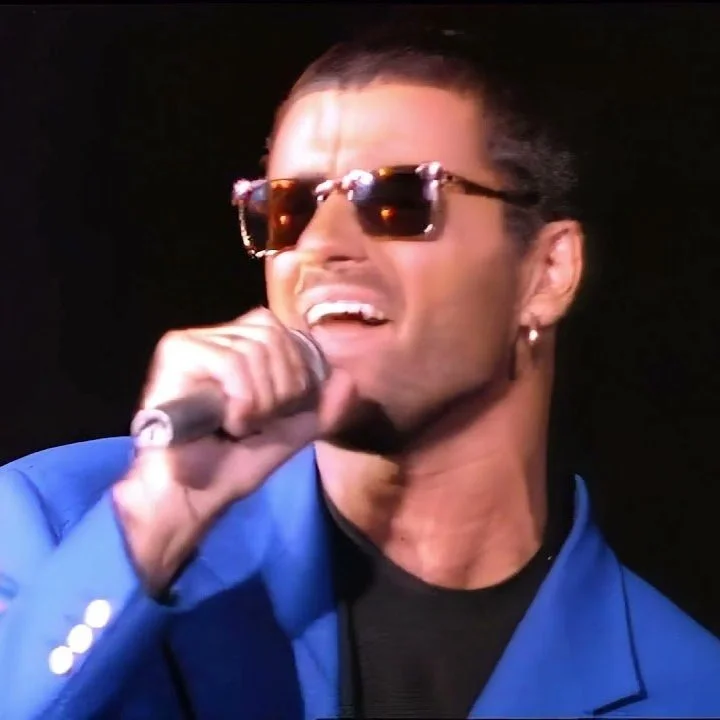
George Michael & Elton John - Don’t Let The Sun Go Down On Me
The live duet of "Don't Let the Sun Go Down on Me" by George Michael and Elton John is a memorable and emotional performance. It took place at the 1985 concert for the charity "Live Aid," which was held at Wembley Stadium in London. George Michael and Elton John came together to perform this classic ballad, which Elton John originally released in 1974. Michael's rich, soulful voice combined with Elton John's powerful piano performance created a rendition that was both stirring and poignant. The collaboration showcased their vocal chemistry and mutual respect, and it remains a highlight in both of their musical legacies. Their performance is often celebrated for its emotional depth and the way it captures the vulnerability and strength of the song. It’s a great example of how two legendary artists can come together to create something truly special.

Gladys Knight & the Pips - Midnight Train to Georgia
“Midnight Train to Georgia” by Gladys Knight & the Pips is a soulful ballad released in 1973 that tells a heartfelt story of love, sacrifice, and the pursuit of a simpler life. Written by Jim Weatherly and featured on the group’s album Imagination, the song follows a man who gives up his dreams of stardom in Los Angeles and returns to Georgia, with his devoted partner choosing to follow him. Gladys Knight’s powerful vocals, paired with the smooth harmonies of the Pips, bring emotional depth to the narrative. The song became a number-one hit on the Billboard Hot 100 and won a Grammy Award, solidifying its place as a classic in American soul and R&B music history.
Gladys Knight & the Pips Midnight Train to Georgia Lyrics
L.A proved too much for the man
(Too much for the man)
(He couldn't make it)
So, he's leaving the life he's come to know, oh
He said he's going back to find
(Going back to find)
What's left of his world
The world he left behind
Not so long ago
He's leaving (leaving)
On that midnight train to Georgia (leaving on a midnight train)
Hmm, yeah
Said he's going back (going back to find)
To a simpler place and time (and when he takes that ride)
Oh yes, he is (guess who's gonna sit right by his side)
And I'll be with him (I know you will)
On that midnight train to Georgia
(Leaving on a midnight train to Georgia)
I'd rather live in his world (live in his world)
Than live without him in mine (world, world)
(It's his, his and hers alone)
He kept dreaming
(Dreaming)
Oh, that someday he'd be a star
(A superstar, but he didn't get far)
But he sure found out the hard way
That dreams don't always come true (dreams don't always come true)
Oh no (uh-uh, no, uh-uh)
So he hung all his hopes
And he even sold his own car, hmm
Bought a one way ticket back
To the life that he once knew
Oh yes he did
He said he would
I know he's leaving (leaving)
On that midnight train to Georgia (leaving on a midnight train)
Hmm, yeah
Said he's going back to find, oh (going back to find)
A simpler place and time (and when he takes that ride)
(Guess who's gonna sit right by his side)
And, I'm gonna be with him (I know you will)
On that midnight train to Georgia
(Leaving on the midnight train to Georgia)
I'd rather live in his world (live in his world)
Than live without him in mine (world, world)
(It's his, his and hers alone)
Oh, he's leaving
(Leaving)
On a midnight train to Georgia
(Leaving on a midnight train)
Yeah, oh yo
Said he's going back to find
(Going back to find)
Oh, a simpler place and time (whenever he takes that ride)
(Guess who's gonna be right by his side)
I've got to be with him
(I know you will)
On that midnight train to Georgia
(Leaving on a midnight train to Georgia)
I'd rather live in his world (live in his world)
Than live without him in mine (world, world)
(Is his, his and hers alone)
one love
(All aboard) all aboard
A midnight train to ride
(One love) one love
(All aboard) all aboard
Gotta go on the midnight train to go (midnight train to go)
(One love) one love
(All aboard) all aboard
Aha, the midnight train to go (midnight train to go)
My world (one love)
His world (all aboard)
Our world, mine and his alone (midnight train to go)
My world (one love)
His world (all aboard)
Our world, mine and his alone (midnight train to go)
I've got to go (one love)
I've got to go (all abroad)
I've got to go (midnight train to go)
Hey
I've got to go (one love)
I've got to go (all abroad)
(Midnight train to go)
My world (one love)
His world (all aboard)
My man, his girl
I've got to go, I've got go
I've got to go
