

Elvis Presley - My Way
Elvis Presley’s version of "My Way" was released in 1977, towards the end of his career, and it became one of the standout tracks of his later years. The song was originally written by Paul Anka, and it was made famous by Frank Sinatra in 1969. Elvis's interpretation of "My Way" is heartfelt and reflective, which aligns with the themes of living life on one's own terms and dealing with the consequences of those choices.
Elvis's version is emotionally charged and often seen as a fitting representation of his life at the time, especially given the personal struggles he was facing. His vocal delivery in this song is powerful, and it carries a sense of finality and personal reflection. The song also became one of the key tracks on his album Moody Blue, which was released just before his passing.
"My Way" in Elvis’s hands takes on a more vulnerable tone than Frank Sinatra's, and many fans and critics consider it one of his more poignant performances.
Elvis Presley - Unchained Melody
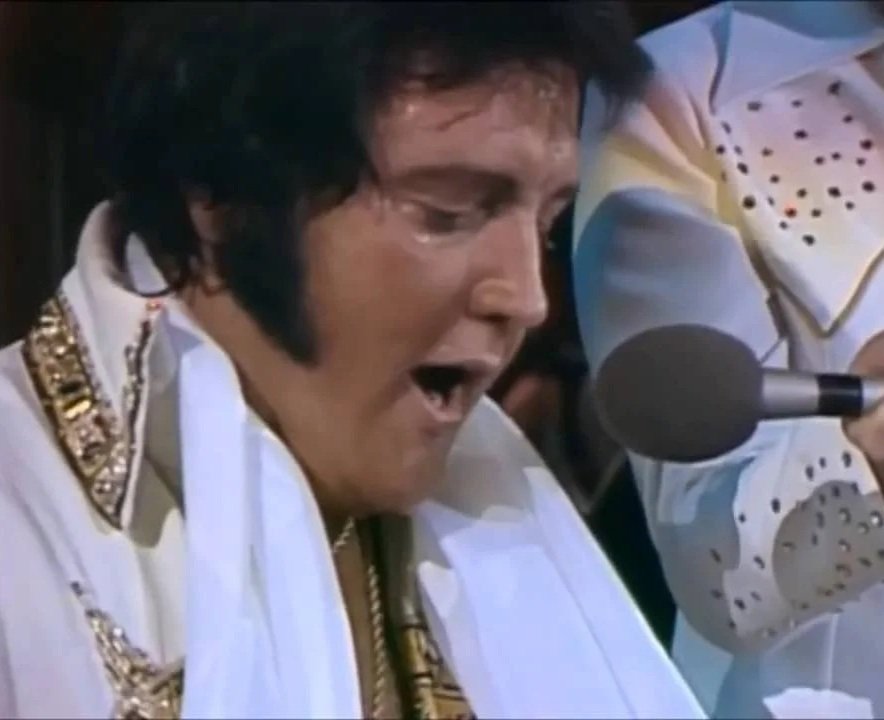
Elvis Presley's rendition of "Unchained Melody" represents one of the most poignant and powerful moments in the final chapter of his legendary career. Originally written by Alex North with lyrics by Hy Zaret in 1955 as the theme for the prison film "Unchained," the song had already become a standard through numerous recordings, most notably by the Righteous Brothers in 1965. Elvis began performing "Unchained Melody" during his concert tours in 1977, accompanying himself on piano in an intimate arrangement that showcased his remarkable vocal abilities even as his health deteriorated. The version that appeared on his final studio album, Moody Blue, released on July 19, 1977, was recorded live in Ann Arbor, Michigan, on April 24, 1977, and was heavily overdubbed with additional instrumentation and orchestration by producer Felton Jarvis to create a polished studio sound.
The most famous and emotionally resonant performance of "Unchained Melody" came on June 21, 1977, at the Rushmore Plaza Civic Center in Rapid City, South Dakota, just two months before Elvis's death on August 16, 1977. This performance was filmed as part of the CBS television special "Elvis in Concert," which would air two months after his passing. During what had been described as a weak concert, Elvis sat down at the piano near the end of the show, and with guitarist Charlie Hodge holding a microphone, delivered what Rolling Stone called "the last great moment of his career." Despite being only 42 years old, Elvis was suffering from severe health issues including an enlarged heart, hypertension, and debilitating effects from years of prescription drug abuse and poor dietary habits. Yet when he began to sing, his voice remained almost as powerful as ever, demonstrating the enduring strength of his talent even as his body was failing. The performance captured Elvis pouring his heart into the song's lyrics about longing and the passage of time, creating an intimate and deeply moving moment that resonated profoundly with audiences who witnessed it.
Following Elvis's death, "Unchained Melody" was released as a single in February 1978, using an overdubbed version of the June 21 Rapid City performance rather than the Ann Arbor recording that appeared on the Moody Blue album. The single peaked at number six on the country music charts, adding to the song's legacy as a testament to Elvis's enduring vocal power and emotional depth. The Moody Blue album itself, which had been released just weeks before his death, vaulted to number three on the charts and sold over three million copies in the wake of his passing. Elvis's interpretation of "Unchained Melody" has since become iconic, particularly after being featured in Baz Luhrmann's 2022 biographical film "Elvis," introducing the performance to new generations. The haunting image of Elvis at the piano, visibly struggling with his health yet delivering a transcendent vocal performance, serves as both a powerful artistic achievement and a bittersweet reminder of the toll that fame and personal struggles had taken on the King of Rock and Roll during his final days.
Elvis's version is emotionally charged and often seen as a fitting representation of his life at the time, especially given the personal struggles he was facing. His vocal delivery in this song is powerful, and it carries a sense of finality and personal reflection. The song also became one of the key tracks on his album Moody Blue, which was released just before his passing.
Elvis Presley - You Gave Me A Mountain
"You Gave Me A Mountain" was written by the prolific country singer-songwriter Marty Robbins in the mid-1960s. The song is a poignant narrative of a man reflecting on a life defined by hardship and personal tragedy. Its lyrics detail a series of "hills" the protagonist has overcome, including the death of his mother during his birth, the emotional abandonment by his father, and a period of wrongful imprisonment. However, the emotional climax of the song arrives with the "mountain"—the departure of his wife and child—which he fears he may never be able to climb. While Frankie Laine had the most successful commercial version in 1969, Elvis Presley's interpretation became a staple of his 1970s live repertoire, infused with a raw, operatic power that resonated with his own personal struggles.
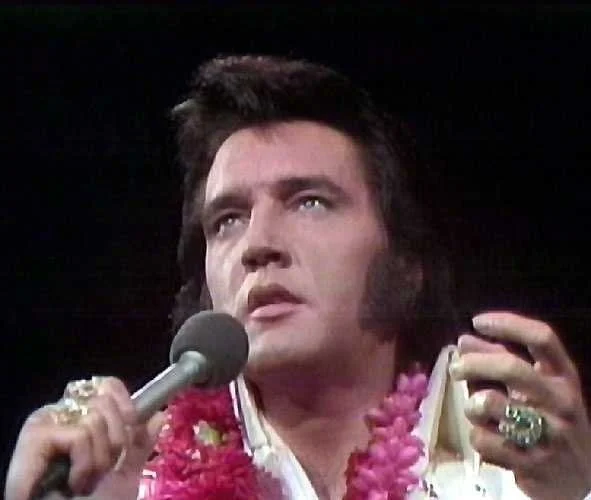
The performance of "You Gave Me A Mountain" during the Aloha From Hawaii via Satellite concert on January 14, 1973, remains one of its most iconic iterations. Held at the Honolulu International Center, the event was a landmark in broadcasting history, being the first live concert by a solo artist to be beamed globally via satellite. For Elvis, the concert was a professional peak, showcasing him in peak physical condition and vocal form. The setlist was carefully curated to demonstrate his versatility, and "You Gave Me A Mountain" served as a dramatic centerpiece. At the time of the performance, Elvis was navigating the painful dissolution of his marriage to Priscilla Presley; their legal separation had occurred in 1972, and their divorce would be finalized later in 1973. This personal backdrop lent an unmistakable
In the 1973 Honolulu performance, Elvis’s rendition of the song was characterized by its building intensity and the support of the TCB Band, the Joe Guercio Orchestra, and the J.D. Sumner & the Stamps Quartet. The arrangement transformed Robbins' country ballad into a soaring power ballad, highlighting Elvis's maturing baritone and his ability to convey deep emotional pathos. The performance is often cited by critics and fans as a testament to his "concert years" artistry, where he moved away from his early rock-and-roll roots toward a more sophisticated, dramatic stage persona. "You Gave Me A Mountain" appeared on the subsequent live album, Aloha from Hawaii via Satellite, which reached number one on the Billboard charts, further cementing the song's association with Elvis’s legacy as a master of the emotional ballad.

Eric Burdon & The Animals - When I Was Young
"When I Was Young" is a song by Eric Burdon & The Animals, released in 1967. Eric Burdon, the lead vocalist, co-wrote the song with the band's guitarist, Vic Briggs. It became one of their most popular tracks, known for its introspective lyrics and powerful rock sound typical of the late 1960s. The song reflects on the passage of time and the changes that come with growing older, capturing the spirit of the era with its blend of blues rock and psychedelic elements. "When I Was Young" remains a significant piece in the catalog of Eric Burdon & The Animals and is often regarded as one of their signature songs.

Etta James - The Blues Is My Business
“The Blues Is My Business” is a powerful blues song recorded by legendary vocalist Etta James for her 2003 album “Let’s Roll.” Written by Kevin Bowe and Todd Cerney, the song was first released by Larry McCray in 2000 before James made it her own with her signature vocal style. The album “Let’s Roll” was Etta James’ twenty-sixth studio album and won a Grammy Award for Best Contemporary Blues Album in 2003, along with a W.C. Handy Award as the Soul/Blues Album of the Year from the Blues Foundation in 2004. The track showcases James’ deep connection to the blues tradition, featuring gritty lyrics about trouble, heartbreak, and pain delivered with raw emotional intensity. With its memorable refrain declaring that “the blues is my business, and business is good,” the song became a testament to James’ lifelong dedication to the genre and her ability to transform personal suffering into powerful musical expression. The recording captures the essence of traditional blues while demonstrating why Etta James remained one of the most influential and authentic voices in American music well into the 21st century.

Eva Cassidy - Over the Rainbow
Eva Cassidy’s "Over the Rainbow" is one of the most famous and beloved renditions of the song. Originally written by Harold Arlen and E.Y. Harburg for the 1939 movie "The Wizard of Oz," Cassidy's interpretation of the song is particularly poignant. Her version is characterized by its hauntingly beautiful vocals and stripped-down arrangement, often accompanied by just her guitar. Cassidy's rendition of "Over the Rainbow" showcases her incredible vocal range and emotional depth, making it a timeless classic that continues to resonate with listeners around the world.
Eva Cassidy recorded her rendition of "Over the Rainbow" in 1992. This recording, along with others, helped to establish her posthumous fame after her untimely death in 1996. Cassidy's interpretation of the song became one of her most well-known and cherished performances, contributing to her enduring legacy as a talented and beloved vocalist.
Everclear – Father of Mine
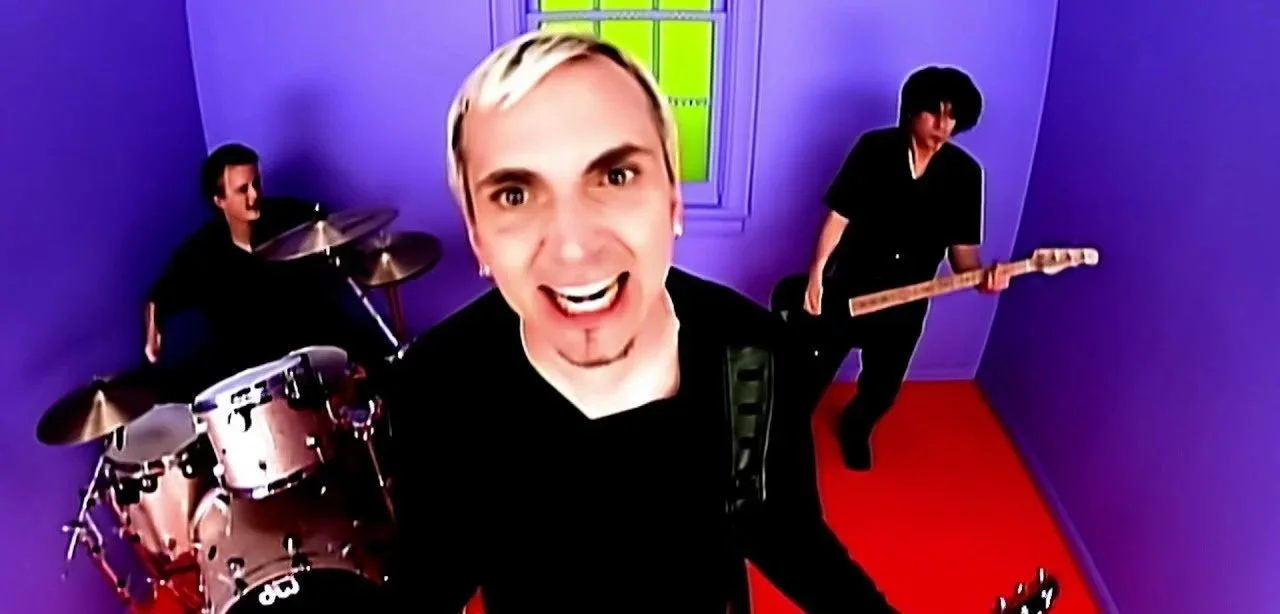
"Father of Mine" is a song by the American rock band Everclear, released in 1997 as part of their album "So Much for the Afterglow." The song is notable for its introspective lyrics that deal with themes of abandonment and the emotional turmoil caused by a father’s absence. Written by lead vocalist Art Alexakis, the song reflects on his own experiences growing up without a father. The lyrics convey feelings of anger, sadness, and confusion about his father's abandonment, which is something many listeners relate to on a personal level. The song's catchy melody and honest storytelling helped it gain radio play and popularity in the late '90s, ultimately becoming one of Everclear's signature tracks. Musically, "Father of Mine" features the band's characteristic mix of alternative rock and post-grunge elements, with a memorable chorus that resonates well with audiences. The emotional weight of the song, combined with its infectious sound, has kept it relevant over the years, and it continues to be a staple in Everclear's live performances.

Everlast - What it's Like
"What It's Like" is a song by Everlast, released in 1998 as the lead single from his album "Whitey Ford Sings the Blues." Everlast, whose real name is Erik Schrody, is known for blending elements of hip hop, rock, and folk music in his work.
"What It's Like" is a narrative-driven song that explores themes of empathy, judgment, and the complexities of human experience. The lyrics tell three distinct stories: a homeless woman struggling with addiction, a young man dealing with the consequences of violence, and a woman facing an unplanned pregnancy. Each story sheds light on the challenges people face and the importance of understanding and compassion.
Musically, "What It's Like" features acoustic guitar and a laid-back groove, with Everlast's gravelly vocals delivering the poignant lyrics. The song was a commercial success, reaching the top 10 on the Billboard Hot 100 chart and receiving critical acclaim for its storytelling and emotional depth. It remains one of Everlast's most well-known and enduring songs, resonating with audiences for its powerful message and relatable themes.

Faith No More - Easy
"Easy" by Faith No More is a cover of the classic soul song originally performed by The Commodores. Faith No More released their version in 1992 as part of their album "Angel Dust." The band's rendition of "Easy" retains the smooth, mellow vibe of the original but incorporates their own alternative rock style, adding heavier guitar tones and a more modern production.
The cover was quite successful for Faith No More, receiving positive reviews and becoming one of their most recognizable tracks. It showcases Mike Patton's versatile vocal ability, as he delivers the song with soulful emotion while staying true to the band's alternative rock roots.
Overall, Faith No More's cover of "Easy" is a unique interpretation of a classic song that blends different musical styles and has left a lasting impact on both fans of the band and admirers of the original Commodores version.

Five Stairsteps - O-o-h Child
"O-o-h Child" by Five Stairsteps is a soulful, uplifting anthem released in 1970 that became the group’s biggest hit. Written and produced by Stan Vincent, the song is known for its soothing melody and hopeful message, reassuring listeners that despite life’s hardships, “things are gonna get easier.” Its gentle harmonies and optimistic tone helped it become a timeless classic, resonating across generations. Often associated with themes of perseverance and healing, "O-o-h Child" has been featured in numerous films and television shows, including Guardians of the Galaxy, cementing its place in pop culture history.
Foo Fighters - My Hero
“My Hero” is one of Foo Fighters’ most iconic and enduring songs, released as the third single from their second album, The Colour and the Shape, in January 1998. Written by Dave Grohl, Nate Mendel, and Pat Smear, the song was actually first demoed by Grohl in July 1995 in the basement of his Seattle home, where he played all the instruments himself on an 8-track reel-to-reel. Bassist Nate Mendel later recalled that hearing this demo made him realize the band had a significant future ahead, calling the song “so great.” The track features a distinctive recording technique where two separate drum tracks played by Grohl were layered together for the intro and verses, creating a complex, powerful galloping rhythm that became one of the song’s most recognizable elements.
The meaning of “My Hero” has been the subject of much speculation over the years. Many fans initially assumed the song was written about Kurt Cobain, Grohl’s late Nirvana bandmate who died in 1994. While Grohl acknowledged that “there’s definitely an element of Kurt in that song,” he has consistently emphasized that the track is actually a celebration of ordinary, everyday heroes rather than celebrities or rock stars. In a 1999 interview on The Howard Stern Show, when asked if it was about Cobain, Grohl clarified that it’s “more about heroes that are ordinary,” explaining that he looks up to regular people more than celebrities. He further elaborated during a 2009 VH1 Storytellers appearance that the song was written while watching 1980s movies like Valley Girl, and that it was about Pete Stahl and Chip Donaldson “without even knowing it.” The song’s universal message about celebrating the common man and his extraordinary potential has allowed listeners to attribute their own personal meanings to the lyrics.
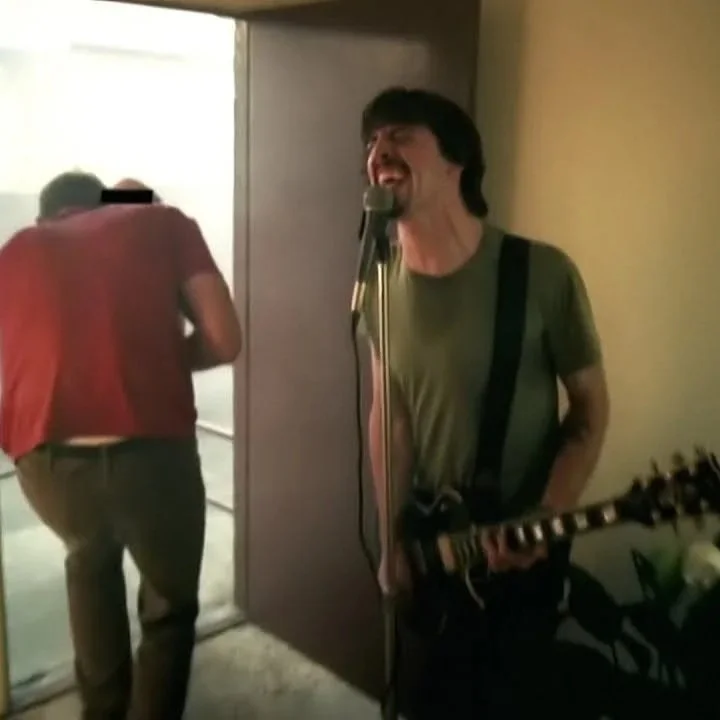
“My Hero” achieved significant commercial success, reaching number six on the US Billboard Alternative Songs chart and selling over 600,000 copies in the UK alone. The song’s music video, directed by Dave Grohl himself, features a continuous “long take” format following a man rescuing people and pets from a burning building, with his face never shown to emphasize that heroes are everyday people. The song has been ranked highly on numerous “best of” lists, with American Songwriter naming it the greatest Foo Fighters song and Rolling Stone readers ranking it as the band’s fourth-greatest. Over the years, “My Hero” has taken on new meanings in different contexts. In 2020, Grohl performed an acoustic version from Hawaii for a coronavirus benefit concert, dedicating it to healthcare workers and essential workers on the frontlines. Following the death of drummer Taylor Hawkins in 2022, the song gained even deeper significance when his son Shane performed it with the band at the tribute concert at Wembley Stadium, creating an emotional moment that redefined the song’s meaning for many fans. The track remains a staple of Foo Fighters concerts and continues to resonate as an anthem celebrating the unsung heroes of everyday life.
The creation of “Reach Out I’ll Be There” came at a crucial time for the Four Tops, who were experiencing a lull after their breakthrough in 1964-65. Lamont Dozier envisioned the song as “a journey of emotions with sustained tension, like a bolero,” alternating between a minor, Russian feel in the verses and a major, gospel feel in the chorus. The production team was heavily influenced by Bob Dylan’s vocal style at the time, wanting lead singer Levi Stubbs to “shout-sing” the lyrics with similar urgency and intensity. To achieve the desired emotional impact, Holland-Dozier-Holland intentionally pushed Stubbs to the top of his vocal range, ensuring his performance would have “that cry and hunger and wailing in his voice,” according to Four Tops member Abdul Fakir. The song’s distinctive sound was enhanced by arranger Paul Riser’s innovative instrumentation, including piccolo and flute in the introduction, and a unique drum pattern created by using timpani mallets on a tambourine head.
The song’s impact extended far beyond its initial chart success. It appeared on the Four Tops’ fifth studio album, also titled Reach Out, released in July 1967, which became the group’s biggest-selling studio album. The track helped establish the Four Tops as international stars, particularly in Britain, where they toured extensively in early 1967 under the promotion of the Beatles’ manager Brian Epstein. Over the decades, “Reach Out I’ll Be There” has been covered by numerous artists including Diana Ross, Gloria Gaynor, Michael Bolton, and many others, cementing its status as a timeless soul classic. In 2022, the U.S. Library of Congress added the song to the National Recording Registry, recognizing it as “culturally, historically, or aesthetically significant.” The original Four Tops lineup performed together for 44 years until Lawrence Payton’s death in 1997, and throughout that remarkable career, they never had a bigger commercial hit than “Reach Out I’ll Be There.”
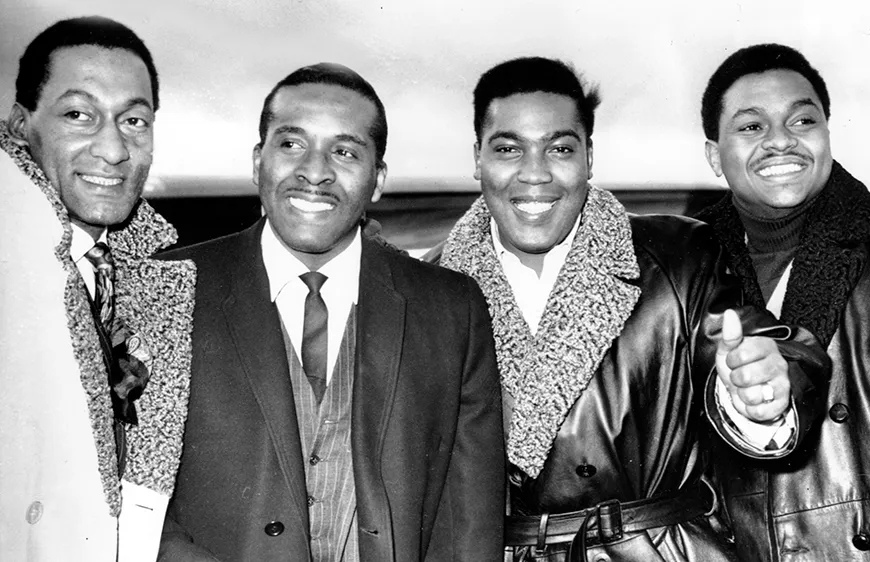
Four Tops - Reach Out (I'll Be There)
“Reach Out I’ll Be There” by the Four Tops stands as one of the most iconic and widely-known Motown hits of the 1960s, serving as the group’s signature song. Written and produced by Motown’s legendary production team Holland-Dozier-Holland, the track was released on August 18, 1966, and quickly became a massive commercial success. The song reached number one on the Billboard Hot 100 on October 15, 1966, holding the top position for two weeks. It also dominated the UK Singles Chart, becoming Motown’s second British chart-topper after the Supremes’ “Baby Love,” where it spent three weeks at number one beginning October 27, 1966. Billboard ranked it as the number four song of 1966, and it later earned a place at number 206 on Rolling Stone’s “The 500 Greatest Songs of All Time” list.
The creation of “Reach Out I’ll Be There” came at a crucial time for the Four Tops, who were experiencing a lull after their breakthrough in 1964-65. Lamont Dozier envisioned the song as “a journey of emotions with sustained tension, like a bolero,” alternating between a minor, Russian feel in the verses and a major, gospel feel in the chorus. The production team was heavily influenced by Bob Dylan’s vocal style at the time, wanting lead singer Levi Stubbs to “shout-sing” the lyrics with similar urgency and intensity. To achieve the desired emotional impact, Holland-Dozier-Holland intentionally pushed Stubbs to the top of his vocal range, ensuring his performance would have “that cry and hunger and wailing in his voice,” according to Four Tops member Abdul Fakir. The song’s distinctive sound was enhanced by arranger Paul Riser’s innovative instrumentation, including piccolo and flute in the introduction, and a unique drum pattern created by using timpani mallets on a tambourine head.
The song’s impact extended far beyond its initial chart success. It appeared on the Four Tops’ fifth studio album, also titled Reach Out, released in July 1967, which became the group’s biggest-selling studio album. The track helped establish the Four Tops as international stars, particularly in Britain, where they toured extensively in early 1967 under the promotion of the Beatles’ manager Brian Epstein. Over the decades, “Reach Out I’ll Be There” has been covered by numerous artists including Diana Ross, Gloria Gaynor, Michael Bolton, and many others, cementing its status as a timeless soul classic. In 2022, the U.S. Library of Congress added the song to the National Recording Registry, recognizing it as “culturally, historically, or aesthetically significant.” The original Four Tops lineup performed together for 44 years until Lawrence Payton’s death in 1997, and throughout that remarkable career, they never had a bigger commercial hit than “Reach Out I’ll Be There.”

Foxy Shazam - Oh Lord
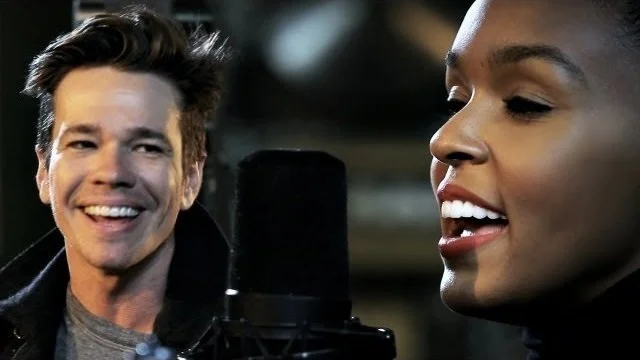
Released in 2010, Foxy Shazam's "Oh Lord" is a powerhouse of a song that blends theatrical rock with unbridled energy. The track opens with a haunting piano melody that quickly builds into a frenetic anthem, driven by Eric Nally's electrifying vocals and the band's explosive instrumentation. Lyrically, "Oh Lord" explores themes of desire, redemption, and the intensity of human emotion. It's a rollercoaster of a song that captures the band's signature blend of glam, punk, and classic rock influences, showcasing their knack for creating music that's both exhilarating and deeply resonant. With its larger-than-life sound and impassioned delivery, "Oh Lord" stands as a testament to Foxy Shazam's ability to push the boundaries of rock music while delivering a memorable and electrifying listening experience.
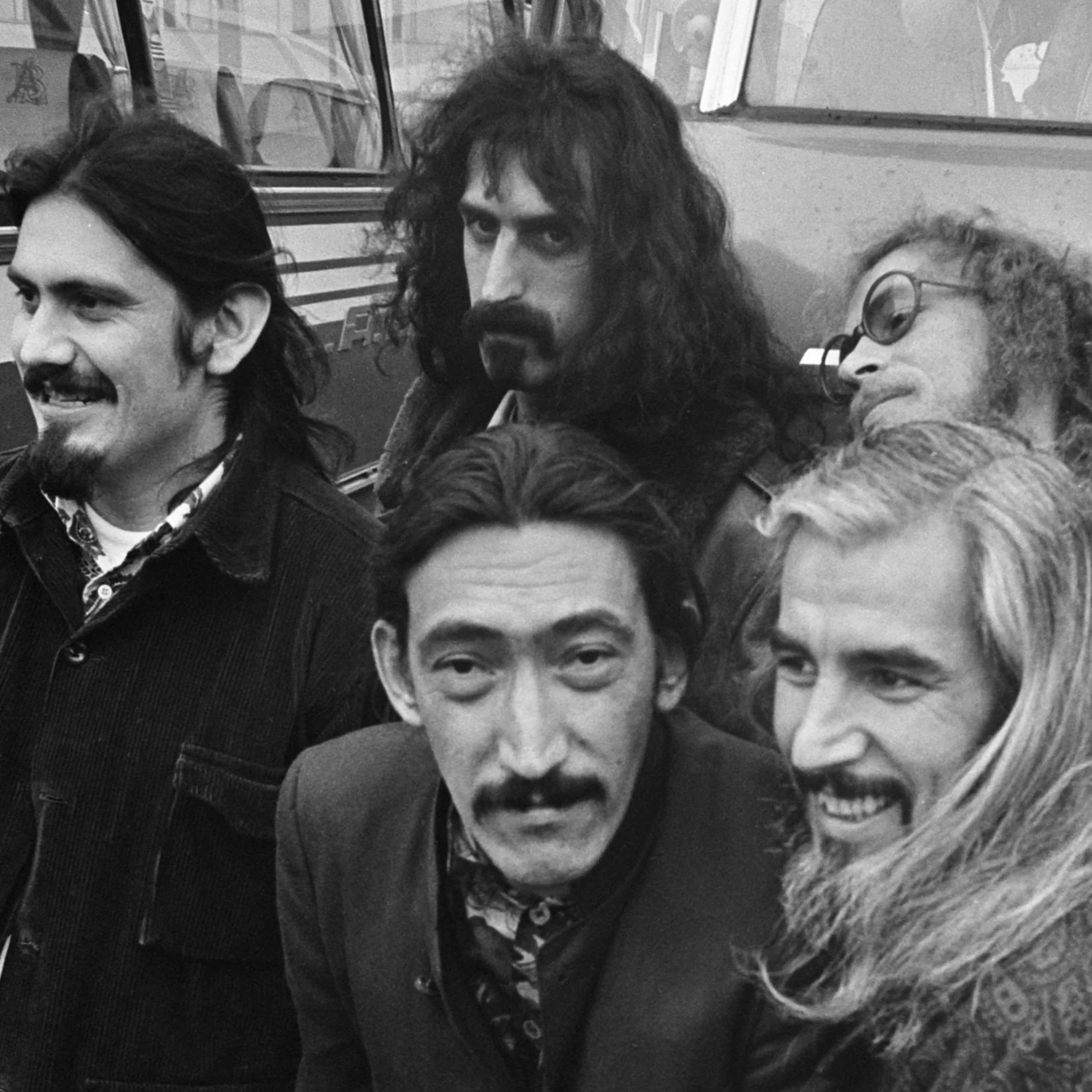
Frank Zappa and The Mothers of Invention - Trouble Every Day
“Trouble Every Day” is a song by Frank Zappa and The Mothers of Invention. It was originally released on their debut album Freak Out! in 1966. The song was written by Frank Zappa and reflects on the social unrest and racial tensions of the time, particularly focusing on the Watts riots in Los Angeles in 1965.
“Trouble Every Day” is characterized by its raw and confrontational lyrics, as well as its fusion of rock, blues, and avant-garde elements. The song features Zappa's biting social commentary and incisive observations on the state of society during the mid-1960s.
Despite its controversial subject matter, Trouble Every Day has been praised for its relevance and enduring significance. It remains a standout track in Frank Zappa's discography and is often cited as one of his most powerful and thought-provoking compositions.

Frijid Pink - House of the Rising Sun
Frijid Pink, a psychedelic rock band from Detroit, released their distinctive version of the traditional folk song "House of the Rising Sun" in 1969. While the song had been famously covered by The Animals in 1964, Frijid Pink's rendition brought a heavier, more distorted guitar-driven sound that resonated with the burgeoning hard rock and psychedelic scene of the late 1960s and early 1970s.
The band's cover quickly gained international traction, becoming a significant hit in 1970. It reached impressive chart positions, including number seven on the U.S. Billboard Hot 100, number four on the UK Singles Chart, and number one in West Germany. The single's success was substantial, selling over one million copies and earning a gold record certification. This version of "House of the Rising Sun" became Frijid Pink's most recognizable song and a defining moment in their career, showcasing their unique blend of blues-rock and psychedelic elements.
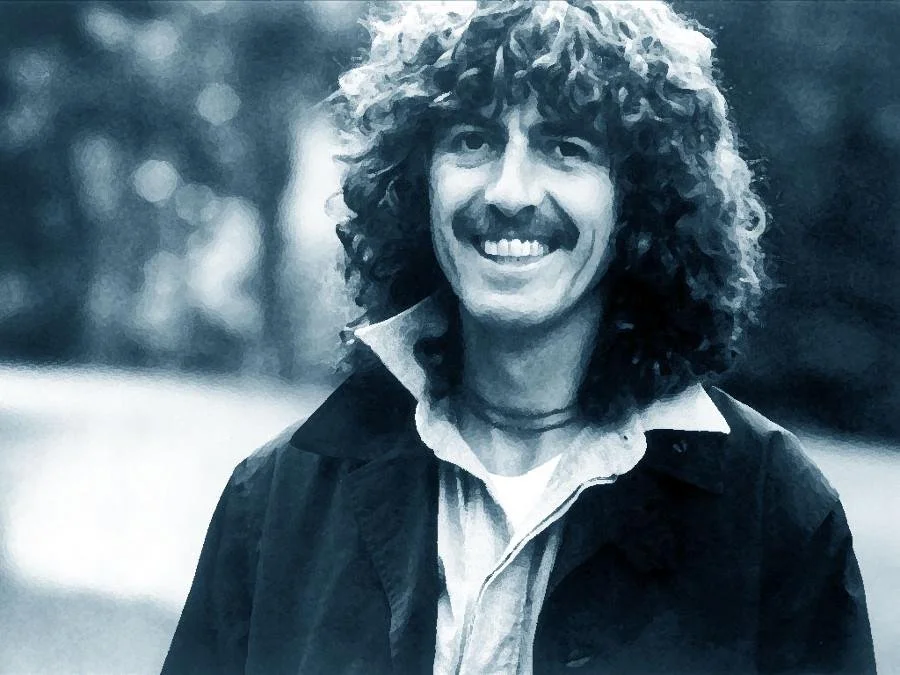
George Harrison - All Those Years Ago
George Harrison's song "All Those Years Ago" was released in 1981 and holds a unique place in music history as a heartfelt tribute to his former Beatles bandmate, John Lennon, who had been tragically murdered in December 1980. The song was originally conceived by Harrison with different lyrics and intended for Ringo Starr to sing. However, following Lennon's death, Harrison rewrote the lyrics to reflect his grief and memories of their time together.
The recording of "All Those Years Ago" became a poignant reunion of the surviving Beatles. Ringo Starr played drums on the track, and Paul McCartney, along with Linda McCartney, contributed backing vocals. This marked the first time Harrison, McCartney, and Starr had all appeared on a recording together since The Beatles' "I Me Mine" in 1970. The song was featured on Harrison's album "Somewhere in England" and was released as a single on May 11, 1981. It achieved significant chart success, reaching number two on the Billboard Hot 100 in the United States and becoming a top 10 hit in several other countries. "All Those Years Ago" stands as a powerful and emotional testament to the bond between the former bandmates and a lasting memorial to John Lennon.

George Harrison - My Sweet Lord
“My Sweet Lord” is a song by George Harrison and notably the first number-one single by an ex-Beatle. It became an instant hit in both the USA and the UK. The song is quite literally a celebration of the Hindu god Krishna and exudes George's classic style and grace.
“My Sweet Lord” beautifully blends Harrison's spiritual exploration with his musical talent. Released in 1970 as a single from his album “All Things Must Pass”, the song features Harrison's signature slide guitar work and rich vocal harmonies. Its message of seeking a higher power resonates with listeners of all backgrounds, and the uplifting melody has made it a timeless classic. It's a song that continues to inspire and uplift people around the world.