
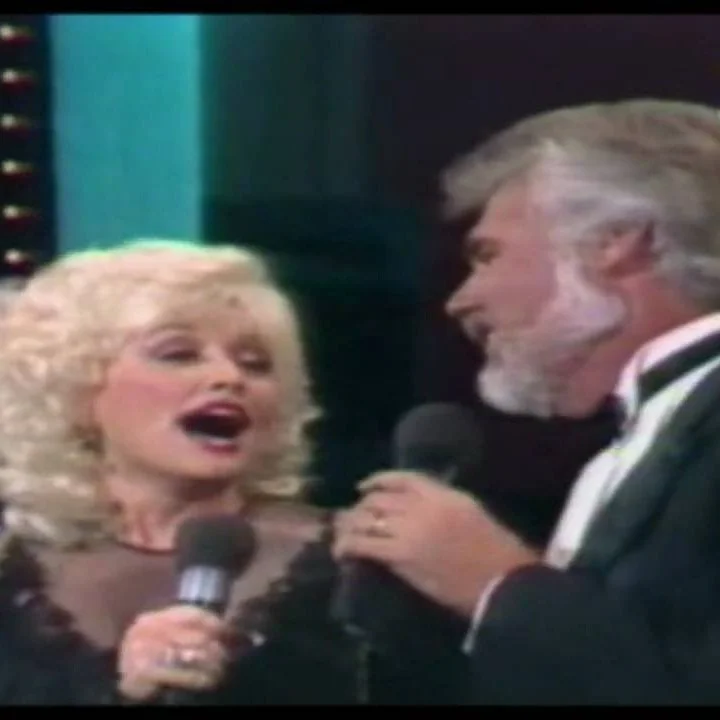
Dolly Parton and Kenny Rogers - Islands In The Stream
"Islands in the Stream" is a classic duet performed by Dolly Parton and Kenny Rogers. Released in 1983, it became one of their most iconic songs. The track was written by the Bee Gees and was named after the Ernest Hemingway novel. Its upbeat tempo and heartfelt lyrics reflect a deep connection between two people, evoking themes of love and devotion.
The song was well-received commercially and critically, reaching the top of the charts in multiple countries. It remains a beloved classic in the realm of country and pop music, remembered for the chemistry between Parton and Rogers and its timeless appeal.

Duran Duran - Save A Prayer
“Save A Prayer” is a song by the English new wave band Duran Duran. It was released in 1982 as the third single from their second studio album, "Rio." The song was written by the band's lead vocalist Simon Le Bon, keyboardist Nick Rhodes, guitarist Andy Taylor, bassist John Taylor, and drummer Roger Taylor.
“Save A Prayer” is known for its dreamy, atmospheric sound and romantic lyrics. It became one of Duran Duran's most popular and enduring songs, reaching the top ten in several countries, including the UK, where it peaked at number two on the UK Singles Chart.
The song's music video, directed by Russell Mulcahy, features the band performing in various exotic locations, including Sri Lanka, interspersed with scenes of a young woman exploring the city of Colombo. The video contributed to the song's success and helped establish Duran Duran's image as glamorous and adventurous pop stars.
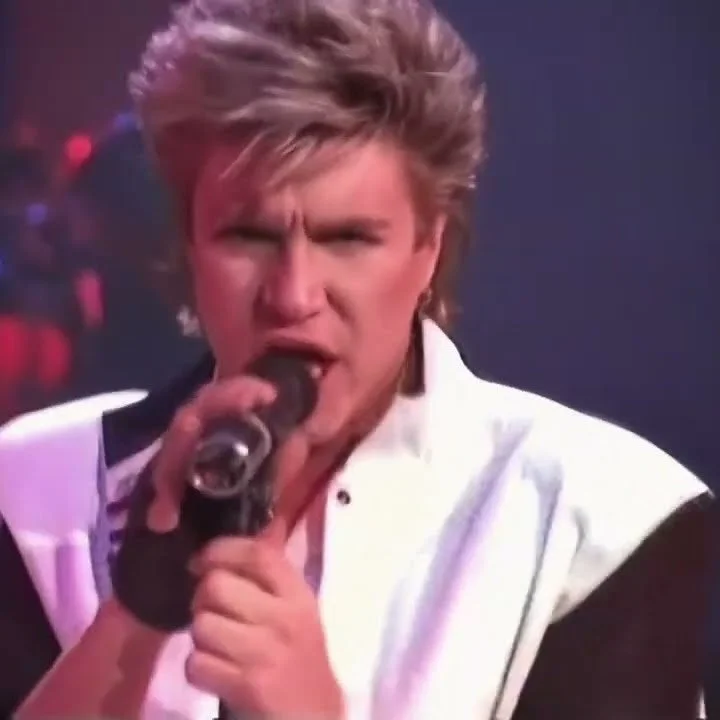
Duran Duran - The Reflex
Duran Duran's "The Reflex" stands as a quintessential anthem of 1980s pop music, released in 1984 as a lead single from their album "Seven and the Ragged Tiger." Produced by Nile Rodgers of Chic, the song pulses with a dynamic blend of New Wave energy and funk influences, characterized by its infectious synthesizers and driving rhythms. The lyrics, with their enigmatic verses and catchy chorus, add to the song's appeal, inviting listeners to engage with its danceable groove and memorable hooks. "The Reflex" soared to the top of charts worldwide, showcasing Duran Duran's knack for creating polished pop gems that resonate both on the dance floor and in popular culture. With its stylish music video and the band's charismatic presence, "The Reflex" remains a timeless example of Duran Duran's impact on the music scene of the 1980s and beyond.

Echo & The Bunnymen - The Killing Moon
"The Killing Moon" by Echo & The Bunnymen is a haunting, atmospheric track released in 1984, widely considered one of the band’s masterpieces. With its lush string arrangements, moody guitar lines, and Ian McCulloch’s dramatic, brooding vocals, the song captures a sense of fatalistic romance and destiny. The lyrics, filled with poetic imagery—“Fate up against your will / Through the thick and thin”—evoke themes of love, inevitability, and cosmic influence. Often associated with the gothic and post-punk movements of the 1980s, the song’s timeless quality has kept it relevant, famously appearing in films like Donnie Darko. "The Killing Moon" remains a defining moment for Echo & The Bunnymen, encapsulating their moody elegance and emotional depth.

Eddie Cochran - Summertime Blues
Summertime Blues is a song written and recorded by American rockabilly artist Eddie Cochran. It was released in 1958 as a single and became one of Cochran's most well-known songs. The lyrics express frustration with various aspects of teenage life, particularly the restrictions placed on young people during the summer months. The song's catchy guitar riff and energetic delivery helped solidify Cochran's status as a rock and roll icon. Over the years, Summertime Blues has been covered by numerous artists and remains a classic of the genre.
Tragically, Cochran's life and career were cut short when he died in a car accident at the age of 21 while on tour in the United Kingdom. Despite his short time in the spotlight, his music continues to be celebrated by fans of all kinds of music around the world.

Electric Light Orchestra - Mr. Blue Sky
"Mr. Blue Sky" is a quintessential song by the British rock group Electric Light Orchestra (ELO), prominently featured on their seventh studio album, Out of the Blue (1977) . Penned and produced by the band's frontman, Jeff Lynne, the track serves as the fourth and concluding piece of the "Concerto for a Rainy Day" suite, which occupies side three of the original double album . Released as the second single from Out of the Blue, it achieved considerable commercial success, reaching number 6 on the UK Singles Chart and number 35 on the US Billboard Hot 100 . Its enduring popularity and frequent appearances in various television shows and films have led many to consider it the band's signature song .
The genesis of "Mr. Blue Sky" is rooted in a period of creative struggle and subsequent inspiration experienced by Jeff Lynne. He recounted in a BBC Radio interview that he had sequestered himself in a Swiss chalet, endeavoring to compose material for ELO's follow-up album to A New World Record . For two weeks, the weather remained persistently dark and misty, hindering his creative flow. However, a sudden and dramatic shift occurred when the sun emerged, revealing the breathtaking beauty of the Alps. This moment of clarity and joy proved to be a catalyst, inspiring Lynne to write "Mr. Blue Sky" and 13 other songs within the subsequent two weeks .
The song's arrangement is notable for its intricate layering and distinctive sonic elements. A prominent, cowbell-like sound, credited to percussionist Bev Bevan, was uniquely produced using a fire extinguisher . Dominic King, in a description for the BBC, highlighted the song's rich tapestry of influences, noting vocal inflections reminiscent of the Gibb Brothers and various Beatles' arrangement quotes, such as the bell from "Penny Lane," the panting from "Sgt. Pepper's Lonely Hearts Club Band," and the arpeggio guitars from "Abbey Road" . King further praised the
song's "bendy guitar solo, funky cello stop-chorus, and the most freakatastic vocoder since Sparky's Magic Piano." He described the overall effect as "Kitsch, yet truly exhilarating," particularly noting the "musical ambush on 'way' at 2.51" and the "Swingle Singers/RKO Tarzan movie/Rachmaninoff symphonic finale" . A heavily vocoded voice singing "Mr. Blue Sky" and the phrase "please turn me over" at the end (instructing listeners to flip the LP) are also distinctive features .
Critics have widely lauded "Mr. Blue Sky" for its innovative composition and homage to pop and rock influences. Donald A. Guarisco of AllMusic characterized it as a "miniature pop symphony" and a "multi-layered pop treat that was a pure Beatles pastiche." He drew parallels between the song's two-note hypnotic verses and "I Am the Walrus," and its effervescent chorus, also noting the staccato bassline reminiscent of "Hello Goodbye" and the pounding piano lines and panting background vocals akin to "A Day in the Life" . Music critic Nick DeRiso also identified several Beatles references, including "Maxwell's Silver Hammer" .
Billboard praised the song's "catchy" beat and its progression from a "thumping intro" to a "harmonic operatic" ending . Cash Box highlighted its "characteristically full sound and effective use of breaks," along with its "fast pace, airy singing and strings" that provide "musical dramatics" . Record World affirmed Jeff Lynne's legend as a writer and producer, emphasizing ELO's unique sound .
In contemporary assessments, Ultimate Classic Rock critic Michael Gallucci ranked it as ELO's best song, while Classic Rock History critic Brian Kachejian placed it as the second best, specifically commending the "bouncing piano groove at the beginning of the song" . Stereogum contributor Ryan Reed also rated it as ELO's second best, describing it as a "stand-alone art-pop epic, a sort of engorged 'Penny Lane' – built on stomping pianos, manic cowbell...and an octave-spanning choral vocal arrangement" . Jeff Lynne himself included "Mr. Blue Sky" among his nine favorite ELO songs in 2022 .
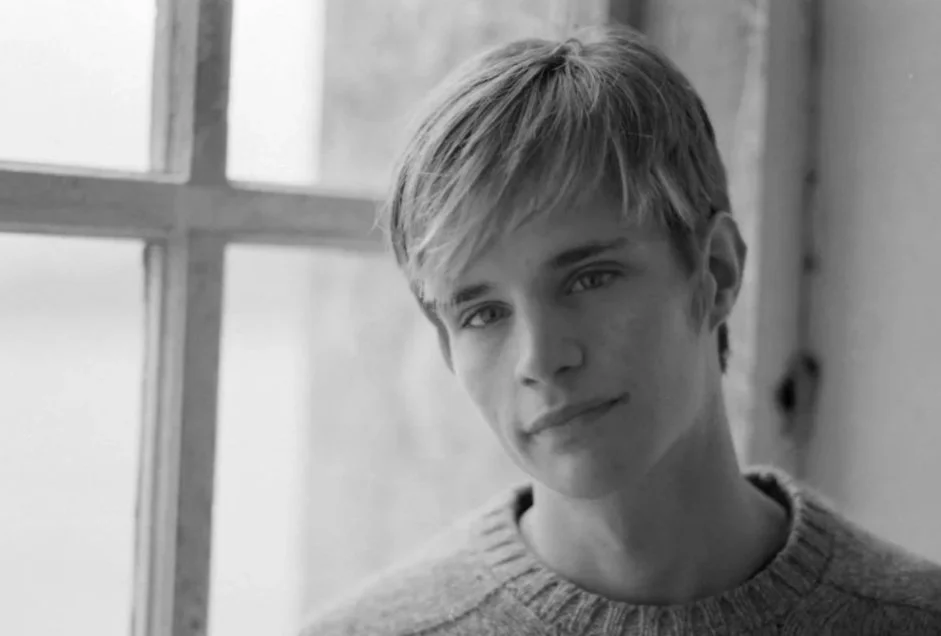
Elton John - American Triangle
Matthew Wayne Shepard was a gay American student at the University of Wyoming who was beaten, tortured, and left to die near Laramie on the night of October 6, 1998. He was taken by rescuers to Poudre Valley Hospital in Fort Collins, Colorado, where he died from severe head injuries six days later.
“The first song that we actually wrote for the album and when Bernie gave me this lyric I knew that I had to write a great song because it's uh about the murder of Matthew Shepard which happened two years ago in Laramie, Wyoming in America and he was a 21-year-old gay student who was uh beaten up and left to die and um affected me incredibly I went to laram me and I did a concert uh for four anti-hate groups and I met Matthew's parents and uh since then I've I've always wanted to write a song about this uh this event and this is the song called American Triangle.” Elton John. Released 2002.
This performance was recorded from Top Of The Pops 2 shown on 26th September 2001, originally recorded at Top Of The Pops in September 2001.
The song was written by Elton John and his longtime collaborator Bernie Taupin. The lyrics reflect a sense of yearning and the desire to return to simpler, more authentic beginnings, contrasting the glitz and pressures of fame with the comfort of home. The "yellow brick road" metaphorically alludes to the journey and dreams people chase, often leading to unexpected and sometimes disillusioning destinations.
The song was critically acclaimed upon its release and has continued to be a staple in Elton John's repertoire. It showcases his ability to blend pop with rich storytelling, aided by a lush arrangement featuring piano, strings, and harmonious backing vocals. "Goodbye Yellow Brick Road" has remained a beloved classic, resonating with listeners through its reflective themes and unforgettable melody. Over the years, it has been covered by numerous artists and featured in various media, further solidifying its legacy in music history.
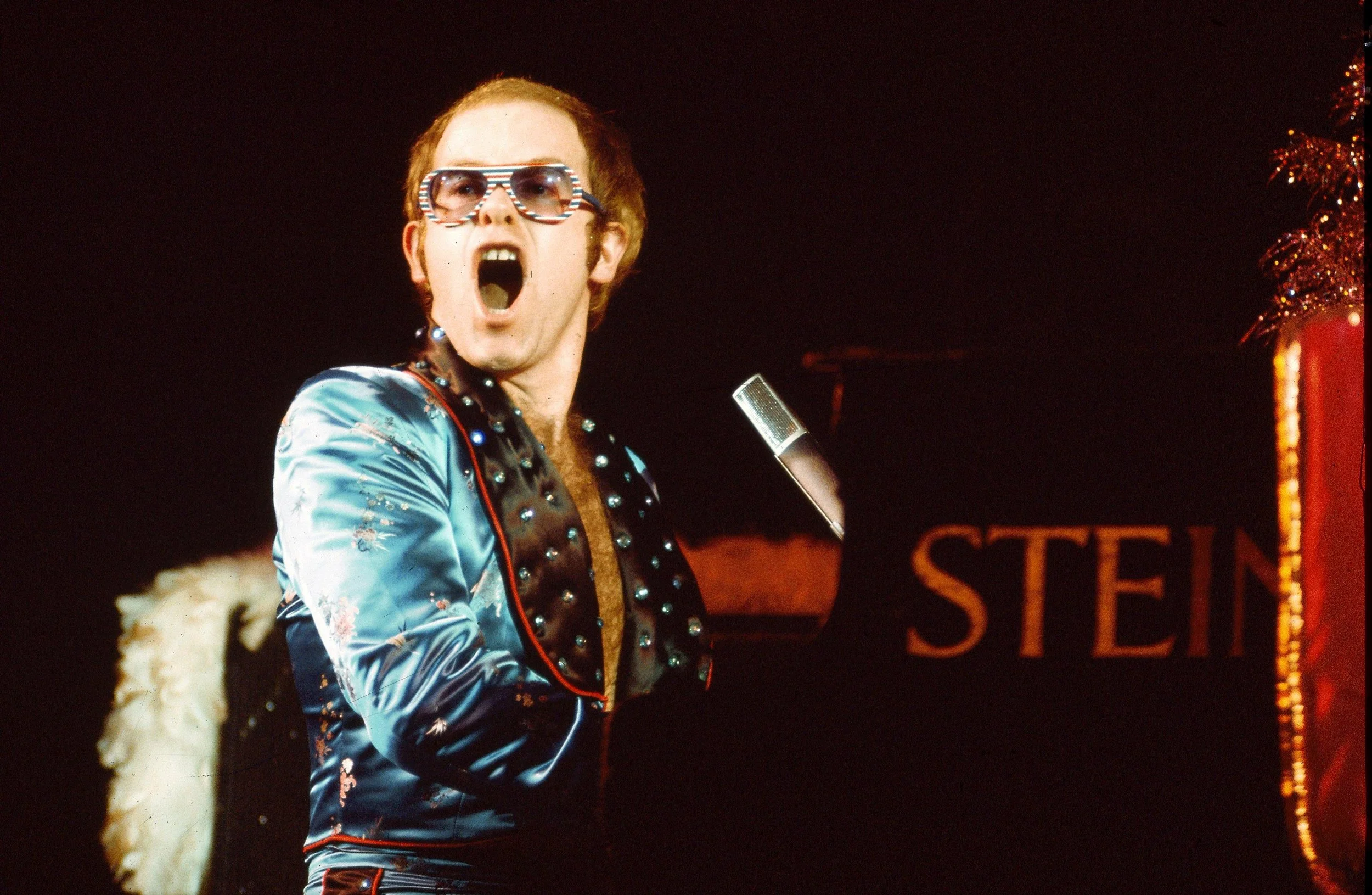
Elton John - Goodbye Yellow Brick Road
"Goodbye Yellow Brick Road" is a standout track from Elton John's 1973 album of the same name. The album was released at a pivotal moment in Elton John's career, as it followed the massive success of his previous album, "Don’t Shoot Me I’m Only the Piano Player."
The song was written by Elton John and his longtime collaborator Bernie Taupin. The lyrics reflect a sense of yearning and the desire to return to simpler, more authentic beginnings, contrasting the glitz and pressures of fame with the comfort of home. The "yellow brick road" metaphorically alludes to the journey and dreams people chase, often leading to unexpected and sometimes disillusioning destinations.
The song was critically acclaimed upon its release and has continued to be a staple in Elton John's repertoire. It showcases his ability to blend pop with rich storytelling, aided by a lush arrangement featuring piano, strings, and harmonious backing vocals. "Goodbye Yellow Brick Road" has remained a beloved classic, resonating with listeners through its reflective themes and unforgettable melody. Over the years, it has been covered by numerous artists and featured in various media, further solidifying its legacy in music history.

Elton John - Levon
"Levon" is a song by Elton John from his 1971 album Madman Across the Water. It was written by John and his longtime collaborator Bernie Taupin. The song is one of the standout tracks from the album and is noted for its storytelling, which features a character named Levon, who is depicted as a complex figure living a somewhat troubled life. The lyrics of "Levon" explore themes such as identity, societal expectations, and personal struggle, though much of the song remains somewhat enigmatic.
The song has a strong, distinctive melody and is driven by a piano riff, characteristic of Elton John's style. The instrumental arrangement includes lush orchestration, which was a hallmark of the Madman Across the Water album. The track's lyrics suggest Levon is a man trying to find meaning in life, yet he is also seen as someone caught in a cycle of tradition and expectations. The chorus, "Levon sells cartoon balloons in town," is one of the most memorable lines in the song, and the narrative feels both personal and symbolic.
"Levon" is widely regarded as one of Elton John's finest songs, praised for its depth and the emotional resonance of the music. While it wasn’t released as a single, it became a fan favorite and remains one of his most beloved tracks.
Elton John - Rocket Man
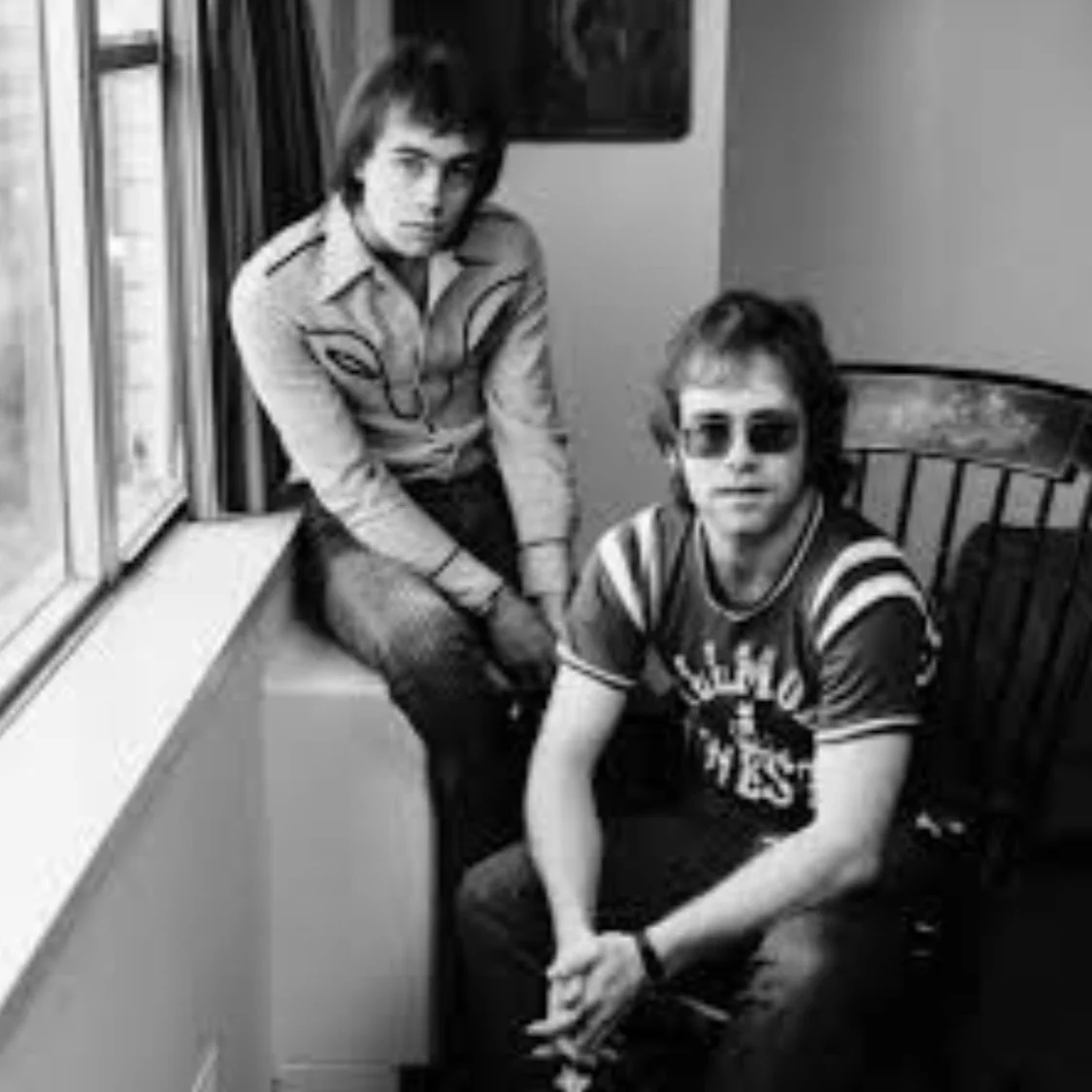
"Rocket Man (I Think It's Going to Be a Long, Long Time)" is one of Elton John's most enduring and iconic songs, released in April 1972 as the lead single from his critically acclaimed album Honky Château. With music composed by John and lyrics penned by his longtime collaborator Bernie Taupin, the track was recorded at the famous Château d'Hérouville in France under the guidance of producer Gus Dudgeon. Musically, the song blends elements of pop rock, glam rock, and psychedelic pop, featuring John's classic backing band—bassist Dee Murray, drummer Nigel Olsson, and guitarist Davey Johnstone. The track's signature "spacey" atmosphere was achieved through Johnstone's slide guitar work and the innovative use of an ARP synthesizer played by David Hentschel. Upon its release, "Rocket Man" became a massive commercial success, peaking at number two on the UK Singles Chart and number six on the US Billboard Hot 100, firmly establishing Elton John as a global superstar .
The inspiration for "Rocket Man" stems primarily from science fiction literature rather than contemporary space exploration or other musical acts. Bernie Taupin drew heavily from Ray Bradbury's 1951 short story "The Rocket Man," featured in the collection The Illustrated Man, which tells the tale of an astronaut whose family struggles with his frequent absences. Taupin was also influenced by a 1970 song of the same name by the folk group Pearls Before Swine, which was similarly inspired by Bradbury's work. The lyrical concept came to Taupin in a flash of inspiration while he was driving to his parents' home in Lincolnshire, England; he reportedly saw a shooting star or a distant airplane and had to repeat the opening lines to himself continuously until he could write them down. Despite frequent comparisons to David Bowie's 1969 hit "Space Oddity," Taupin has maintained that Bowie's song was not a direct influence on his writing process .
At its core, "Rocket Man" explores the duality of public perception versus private reality, using the metaphor of space travel to depict profound isolation. Rather than romanticizing the life of an astronaut, the lyrics present space exploration as a mundane, working-class occupation—"just my job five days a week." This grounded perspective highlights the protagonist's deep loneliness and his disconnection from his family, encapsulated in the poignant line, "I'm not the man they think I am at home." Many listeners and critics have interpreted the song as an allegory for the isolating nature of fame and the grueling demands of life as a touring musician, a theme that resonated deeply with Elton John's own experiences during his rapid ascent to stardom. The song's exploration of feeling alienated while performing a highly visible, extraordinary job gives it a universal emotional resonance that transcends its science fiction premise .
Over the decades, "Rocket Man" has cemented its status as a cultural touchstone and a defining piece of Elton John's musical legacy. The song's enduring popularity is evidenced by its 5× Platinum certification in the United States and its inclusion in Rolling Stone's list of the 500 Greatest Songs of All Time, where it ranked at number 149 in the 2021 revision. Its cultural impact was further solidified when it served as the title for the acclaimed 2019 biographical musical film Rocketman, starring Taron Egerton as Elton John. The track has also inspired numerous covers and reinterpretations across various genres, most notably Kate Bush's reggae-inflected 1991 version and William Shatner's famous spoken-word performance. Today, "Rocket Man" remains a staple of classic rock radio and a testament to the powerful songwriting partnership between Elton John and Bernie Taupin .


Elvis Presley - Blue Christmas
"Blue Christmas" is one of Elvis Presley’s most iconic holiday songs. Originally written by Billy Hayes and Jay W. Johnson in 1948, it was famously performed by Elvis Presley for his 1957 album Elvis' Christmas Album. The track has since become a Christmas classic, with Elvis's deep, soulful voice and melancholic delivery adding a unique emotional depth to the song.
The song’s lyrics convey a sense of longing and loneliness during the holiday season, as the narrator faces a "blue" Christmas without their loved one. Elvis's rendition, with its backing vocals, smooth arrangement, and subtle orchestration, has remained a holiday favorite for generations.
The version recorded by Elvis was released as a single in 1957, and over time, it has come to represent a bittersweet yet beautiful reflection of the holiday season for many fans worldwide. The melancholic tone contrasts with the usual joy associated with Christmas music, which has helped it stand out as a staple of holiday playlists.

Elvis Presley - If I Can Dream
Elvis Presley's performance of "If I Can Dream" during his 1968 Comeback Special is one of the most powerful moments in his career. The song, written by Walter Earl Brown, was inspired by the civil rights struggles and the assassination of Martin Luther King Jr. It features a soulful and emotional delivery that showcases Elvis's range and depth as an artist.
The performance is notable not only for its vocal intensity but also for the way Elvis connects with the song's message. He delivers the song with a fervor that resonates deeply with the audience, making it a standout moment of the special. The special itself marked Elvis's return to live performance after a period focused primarily on movies, and "If I Can Dream" symbolized a new, more socially conscious direction in his music.

Elvis Presley - My Way
Elvis Presley’s version of "My Way" was released in 1977, towards the end of his career, and it became one of the standout tracks of his later years. The song was originally written by Paul Anka, and it was made famous by Frank Sinatra in 1969. Elvis's interpretation of "My Way" is heartfelt and reflective, which aligns with the themes of living life on one's own terms and dealing with the consequences of those choices.
Elvis's version is emotionally charged and often seen as a fitting representation of his life at the time, especially given the personal struggles he was facing. His vocal delivery in this song is powerful, and it carries a sense of finality and personal reflection. The song also became one of the key tracks on his album Moody Blue, which was released just before his passing.
"My Way" in Elvis’s hands takes on a more vulnerable tone than Frank Sinatra's, and many fans and critics consider it one of his more poignant performances.
Elvis Presley - Unchained Melody
Elvis Presley's rendition of "Unchained Melody" represents one of the most poignant and powerful moments in the final chapter of his legendary career. Originally written by Alex North with lyrics by Hy Zaret in 1955 as the theme for the prison film "Unchained," the song had already become a standard through numerous recordings, most notably by the Righteous Brothers in 1965. Elvis began performing "Unchained Melody" during his concert tours in 1977, accompanying himself on piano in an intimate arrangement that showcased his remarkable vocal abilities even as his health deteriorated. The version that appeared on his final studio album, Moody Blue, released on July 19, 1977, was recorded live in Ann Arbor, Michigan, on April 24, 1977, and was heavily overdubbed with additional instrumentation and orchestration by producer Felton Jarvis to create a polished studio sound.
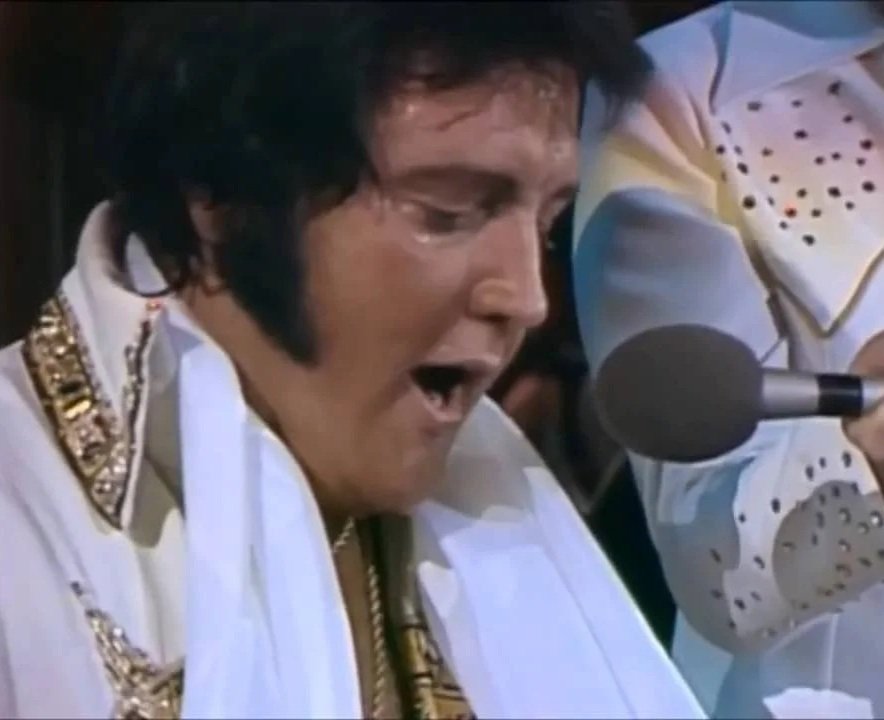
The most famous and emotionally resonant performance of "Unchained Melody" came on June 21, 1977, at the Rushmore Plaza Civic Center in Rapid City, South Dakota, just two months before Elvis's death on August 16, 1977. This performance was filmed as part of the CBS television special "Elvis in Concert," which would air two months after his passing. During what had been described as a weak concert, Elvis sat down at the piano near the end of the show, and with guitarist Charlie Hodge holding a microphone, delivered what Rolling Stone called "the last great moment of his career." Despite being only 42 years old, Elvis was suffering from severe health issues including an enlarged heart, hypertension, and debilitating effects from years of prescription drug abuse and poor dietary habits. Yet when he began to sing, his voice remained almost as powerful as ever, demonstrating the enduring strength of his talent even as his body was failing. The performance captured Elvis pouring his heart into the song's lyrics about longing and the passage of time, creating an intimate and deeply moving moment that resonated profoundly with audiences who witnessed it.
Following Elvis's death, "Unchained Melody" was released as a single in February 1978, using an overdubbed version of the June 21 Rapid City performance rather than the Ann Arbor recording that appeared on the Moody Blue album. The single peaked at number six on the country music charts, adding to the song's legacy as a testament to Elvis's enduring vocal power and emotional depth. The Moody Blue album itself, which had been released just weeks before his death, vaulted to number three on the charts and sold over three million copies in the wake of his passing. Elvis's interpretation of "Unchained Melody" has since become iconic, particularly after being featured in Baz Luhrmann's 2022 biographical film "Elvis," introducing the performance to new generations. The haunting image of Elvis at the piano, visibly struggling with his health yet delivering a transcendent vocal performance, serves as both a powerful artistic achievement and a bittersweet reminder of the toll that fame and personal struggles had taken on the King of Rock and Roll during his final days.
Elvis's version is emotionally charged and often seen as a fitting representation of his life at the time, especially given the personal struggles he was facing. His vocal delivery in this song is powerful, and it carries a sense of finality and personal reflection. The song also became one of the key tracks on his album Moody Blue, which was released just before his passing.
"My Way" in Elvis’s hands takes on a more vulnerable tone than Frank Sinatra's, and many fans and critics consider it one of his more poignant performances.
Elvis Presley - You Gave Me A Mountain
"You Gave Me A Mountain" was written by the prolific country singer-songwriter Marty Robbins in the mid-1960s. The song is a poignant narrative of a man reflecting on a life defined by hardship and personal tragedy. Its lyrics detail a series of "hills" the protagonist has overcome, including the death of his mother during his birth, the emotional abandonment by his father, and a period of wrongful imprisonment. However, the emotional climax of the song arrives with the "mountain"—the departure of his wife and child—which he fears he may never be able to climb. While Frankie Laine had the most successful commercial version in 1969, Elvis Presley's interpretation became a staple of his 1970s live repertoire, infused with a raw, operatic power that resonated with his own personal struggles.
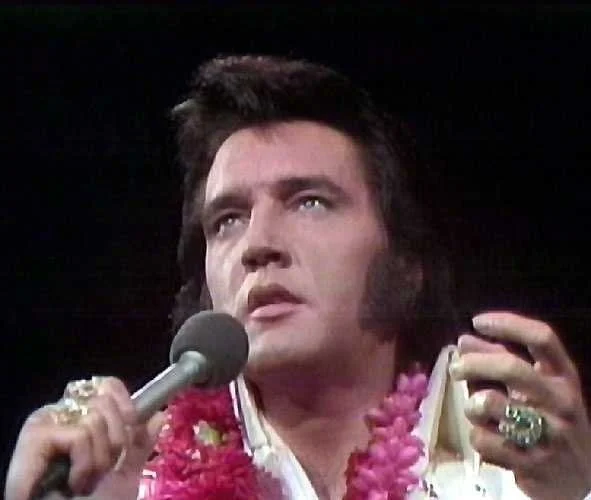
The performance of "You Gave Me A Mountain" during the Aloha From Hawaii via Satellite concert on January 14, 1973, remains one of its most iconic iterations. Held at the Honolulu International Center, the event was a landmark in broadcasting history, being the first live concert by a solo artist to be beamed globally via satellite. For Elvis, the concert was a professional peak, showcasing him in peak physical condition and vocal form. The setlist was carefully curated to demonstrate his versatility, and "You Gave Me A Mountain" served as a dramatic centerpiece. At the time of the performance, Elvis was navigating the painful dissolution of his marriage to Priscilla Presley; their legal separation had occurred in 1972, and their divorce would be finalized later in 1973. This personal backdrop lent an unmistakable
In the 1973 Honolulu performance, Elvis’s rendition of the song was characterized by its building intensity and the support of the TCB Band, the Joe Guercio Orchestra, and the J.D. Sumner & the Stamps Quartet. The arrangement transformed Robbins' country ballad into a soaring power ballad, highlighting Elvis's maturing baritone and his ability to convey deep emotional pathos. The performance is often cited by critics and fans as a testament to his "concert years" artistry, where he moved away from his early rock-and-roll roots toward a more sophisticated, dramatic stage persona. "You Gave Me A Mountain" appeared on the subsequent live album, Aloha from Hawaii via Satellite, which reached number one on the Billboard charts, further cementing the song's association with Elvis’s legacy as a master of the emotional ballad.

Eric Burdon & The Animals - When I Was Young
"When I Was Young" is a song by Eric Burdon & The Animals, released in 1967. Eric Burdon, the lead vocalist, co-wrote the song with the band's guitarist, Vic Briggs. It became one of their most popular tracks, known for its introspective lyrics and powerful rock sound typical of the late 1960s. The song reflects on the passage of time and the changes that come with growing older, capturing the spirit of the era with its blend of blues rock and psychedelic elements. "When I Was Young" remains a significant piece in the catalog of Eric Burdon & The Animals and is often regarded as one of their signature songs.

Etta James - The Blues Is My Business
“The Blues Is My Business” is a powerful blues song recorded by legendary vocalist Etta James for her 2003 album “Let’s Roll.” Written by Kevin Bowe and Todd Cerney, the song was first released by Larry McCray in 2000 before James made it her own with her signature vocal style. The album “Let’s Roll” was Etta James’ twenty-sixth studio album and won a Grammy Award for Best Contemporary Blues Album in 2003, along with a W.C. Handy Award as the Soul/Blues Album of the Year from the Blues Foundation in 2004. The track showcases James’ deep connection to the blues tradition, featuring gritty lyrics about trouble, heartbreak, and pain delivered with raw emotional intensity. With its memorable refrain declaring that “the blues is my business, and business is good,” the song became a testament to James’ lifelong dedication to the genre and her ability to transform personal suffering into powerful musical expression. The recording captures the essence of traditional blues while demonstrating why Etta James remained one of the most influential and authentic voices in American music well into the 21st century.