
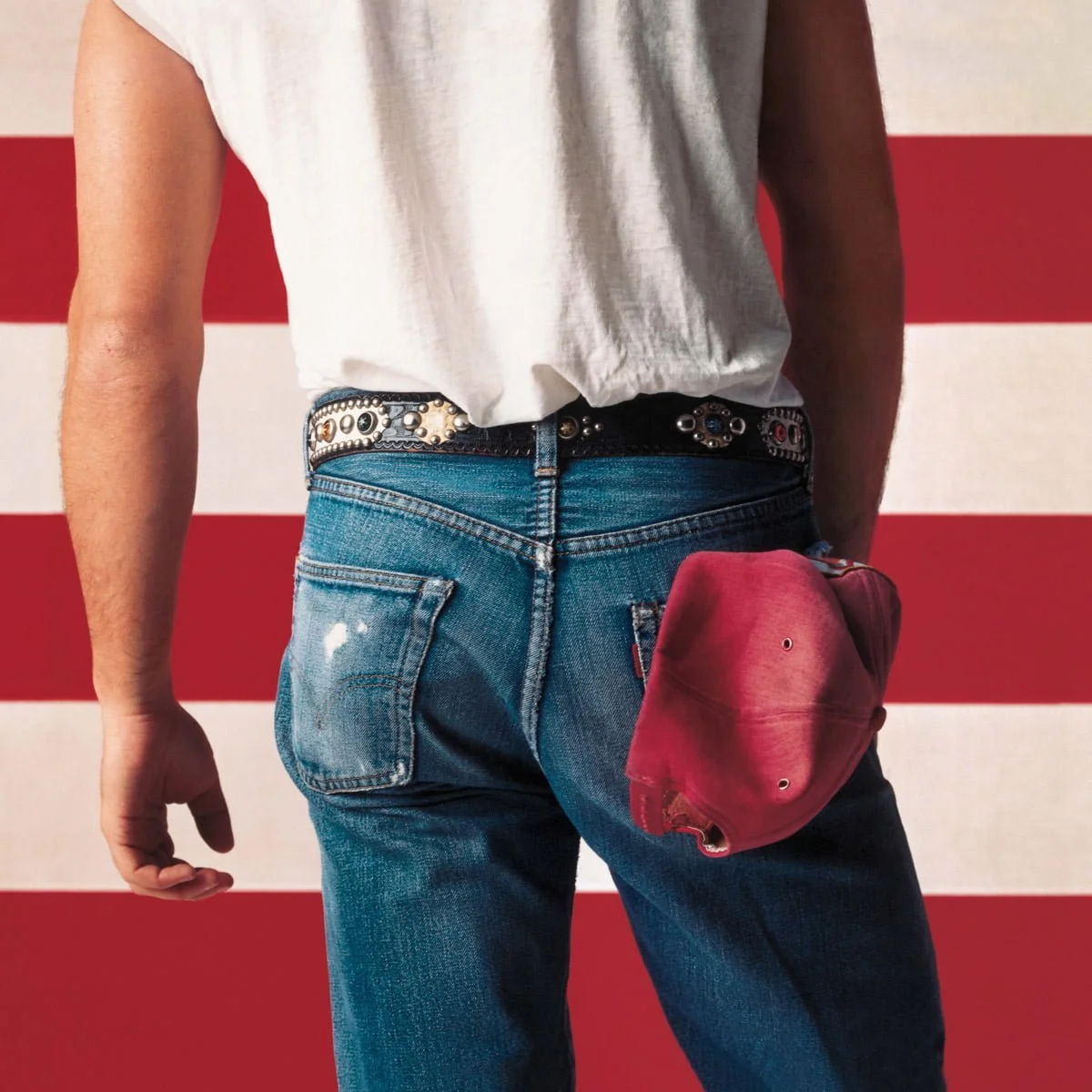
Bruce Springsteen - Born in the U.S.A.
"Born in the USA" is a song by Bruce Springsteen, released in 1984 on the album of the same name. The song is a powerful anthem that addresses the experiences of working-class Americans, particularly Vietnam War veterans, and critiques the treatment of these individuals upon their return home.
The lyrics highlight the struggles and disillusionment faced by the protagonist, who grapples with the complexities of national identity and personal hardship. Despite its upbeat rock sound and catchy chorus, "Born in the USA" confronts themes of economic hardship, social inequality, and the disillusionment of the American Dream.
The song's chorus, with its repeated refrain of "Born in the USA," has often been misinterpreted as a straightforward celebration of American patriotism. However, the verses reveal a more nuanced narrative that challenges the listener to reflect on the realities faced by many Americans during the 1980s.
"Born in the USA" became one of Bruce Springsteen's most commercially successful songs, reaching the top of the charts in several countries. Its enduring popularity has cemented its status as a quintessential American rock anthem, known for its blend of energetic music and socially conscious lyrics.
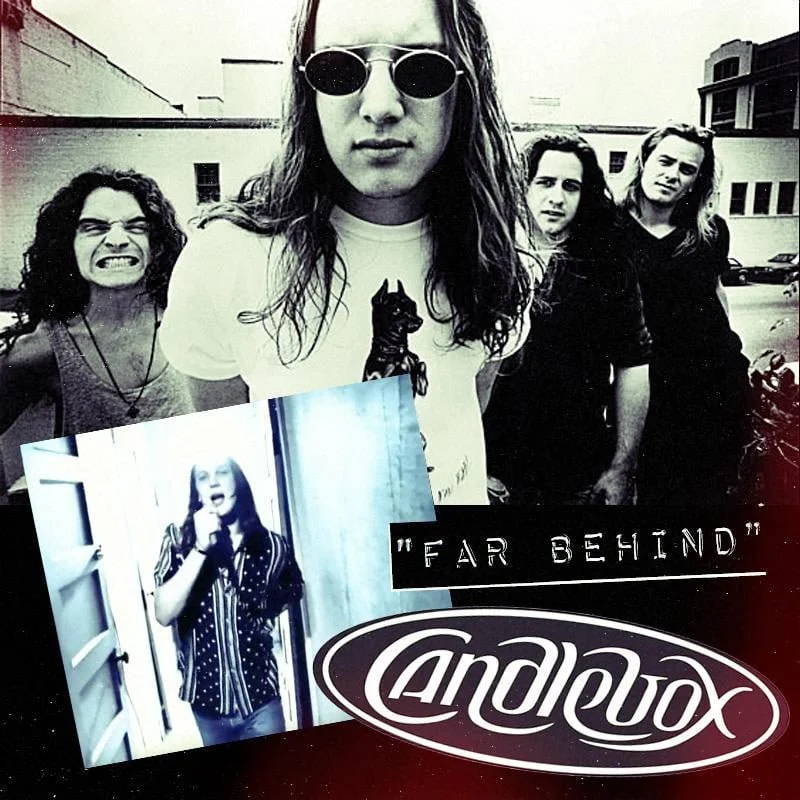

Carly Simon - Coming Around Again
"Coming Around Again" is a song by Carly Simon, released in 1987 as part of her album of the same name. The song is characterized by its poignant lyrics and a catchy melody, reflecting themes of resilience and the cycles of life, particularly in the context of love and relationships.
The track saw notable success, peaking at number 18 on the Billboard Hot 100 chart and becoming one of Simon's signature songs. Its popularity was bolstered by its inclusion in the 1987 film "Heartburn," which was based on Nora Ephron's novel. The song plays a significant role in the film and effectively captures its emotional undertones.
The lyrics of "Coming Around Again" convey a sense of hope and renewal, emphasizing the idea that despite challenges and heartaches, one can always come back to a place of familiarity and love. The song's reflective nature resonates with listeners, contributing to its lasting appeal.
Carly Simon, a prominent figure in the music industry since the early 1970s, is known for her introspective songwriting and distinctive voice. "Coming Around Again" is just one example of her ability to craft relatable and emotionally charged music. Over the years, Simon's work has influenced countless artists and continues to be celebrated for its lyrical depth and musicality.

Carole King - So Far Away
“So Far Away” is a song written and performed by Carole King that appeared on her landmark 1971 album Tapestry. The song was released as a single in March 1971 and reached number 14 on the Billboard Hot 100 and number 3 on Billboard’s Adult Contemporary chart. King wrote the song in 1970 while on tour with James Taylor, experiencing homesickness and missing her children and husband while living the touring lifestyle she had chosen. The lyrics capture a poignant sense of longing and separation, with the memorable line “Doesn’t anybody stay in one place anymore?” becoming what producer Lou Adler called “an anthem of that particular time,” reflecting the restless, transitory spirit of the late 1960s and early 1970s when young people were increasingly leaving settled lives to pursue new experiences.
The recording features a stellar lineup of musicians, including James Taylor on acoustic guitar, Russ Kunkel on drums, Charles Larkey on bass guitar, and Curtis Amy on flute, with King herself on piano and vocals. Lou Adler produced the track, which he later cited as his favorite song on the Tapestry album. Musically, the song showcases King’s sophisticated compositional style, with complex chord substitutions and extensions that create a distinctive sense of tension and release. Interestingly, “So Far Away” was unique for King at the time in that she wrote both the words and music herself, whereas she typically collaborated with lyricists such as her ex-husband Gerry Goffin or Toni Stern.
The song’s impact extended far beyond its initial release. Tapestry itself became one of the best-selling albums of all time, selling 25 million copies and remaining on the charts until 1977, while winning Album of the Year at the 1972 Grammy Awards. “So Far Away” has been covered by numerous artists over the decades, most notably by Rod Stewart in 1995 for the tribute album Tapestry Revisited, whose version charted in several countries. The song was also a favorite of the late Amy Winehouse, who covered it in performance and had it played at her funeral in 2011. The enduring appeal of “So Far Away” lies in its honest expression of the universal human experience of missing someone you love, combined with King’s masterful songwriting and the intimate, organic quality of the recording.

Carpenters - Rainy Days and Mondays
“Superstar” is a classic song by Carpenters, released in 1971 on their album Carpenters. The song was written by Bonnie Bramlett and Leon Russell. It's a poignant ballad that tells the story of unrequited love and longing. Karen Carpenter's emotive vocals combined with Richard Carpenter's lush arrangements made it one of their most memorable hits. The song has been covered by various artists over the years and remains a beloved staple of pop music.


Cher - Many Rivers to Cross
Cher's version of "Many Rivers to Cross" is a beautiful cover of the classic reggae-influenced song written by Jimmy Cliff. First released in 1969, the song is a deeply emotional ballad about life's struggles, and while it was originally associated with Cliff's soulful reggae style, Cher's 1995 rendition gave it a whole new flavor.
On her "Believe" album, Cher gave "Many Rivers to Cross" a more stripped-down, emotional treatment that showcased her vocal strength and vulnerability. The version is haunting, with a subtle mix of orchestral strings and soft backing vocals that perfectly complement Cher's deeper, more reflective voice at that point in her career. It's an example of how Cher has always had the ability to reinterpret a song and make it her own, bringing out layers of emotion that resonate with listeners.
The song is all about overcoming hardships and emotional barriers, and Cher's delivery of it carries so much weight. It’s a bit of a departure from her usual pop hits, but the rawness of her voice brings a new depth to it.
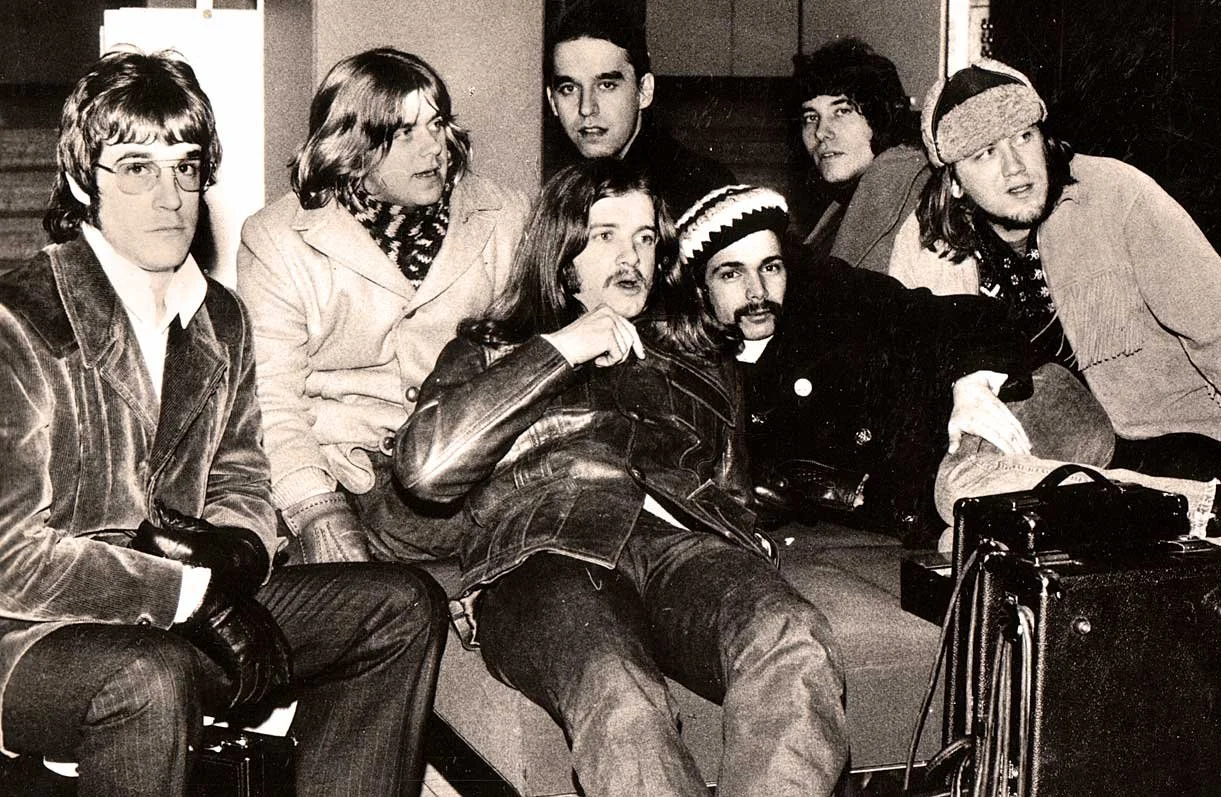
Chicago - 25 or 6 to 4
“25 or 6 to 4” is one of Chicago’s most iconic songs, written by keyboardist Robert Lamm and recorded in August 1969 for their second album, Chicago.
If you love live monster guitar jams; cue in at 3:00 on the video - one of the best. At one point it is truly a "one man show;" with the rest of the band waiting for it to end to cue up on time.
Released as a single in June 1970, the song climbed to number four on the US Billboard Hot 100 chart, becoming the band’s first top-five hit. The title refers to the time of day—either 3:35 or 3:34 a.m., expressed as 25 or 26 minutes before 4 o’clock—when Lamm was struggling to write a song late at night in his Hollywood Hills home. Looking out over Los Angeles, he decided to simply describe the creative process itself, capturing the experience of searching for inspiration in the early morning hours. The song features Peter Cetera’s distinctive lead vocals, recorded while his jaw was wired shut following an altercation at a baseball game, which gave the performance its characteristic clenched, urgent quality. Terry Kath’s legendary wah-wah guitar solo became one of the defining elements of the track, later ranked among the greatest wah solos of all time by Guitar World. Despite Lamm’s straightforward explanation that the song is about writing a song, rumors persisted that it referenced drug use, leading Singapore to ban it in 1970. The track has endured as a cultural touchstone, becoming a staple for marching bands across America, appearing in films and video games, and remaining a centerpiece of Chicago’s live performances for over five decades. In 2019, Billboard critics ranked it as the number one Chicago song of all time.

Childish Gambino - This Is America
Childish Gambino's "This Is America" tackles complex themes surrounding gun violence, racism, and the superficiality of American culture. The song blends trap beats with stark commentary, using powerful visuals and contrasting moments of joy and chaos in its music video. It prompts listeners to reflect on the underlying issues in society while also highlighting the disconnect between entertainment and real-world struggles.

Counting Crows - Mrs. Potters Lullaby
Counting Crows’ "Mrs. Potter's Lullaby" is such a beautifully layered and introspective song. Released in 1999 as part of their This Desert Life album, it features the band's signature blend of folk rock and alternative rock with poetic, storytelling lyrics. The track revolves around themes of loss, longing, and reflection, and like many of the band's songs, it has that feeling of both melancholy and hope, which makes it so compelling.
The song's protagonist seems to be grappling with feelings of disillusionment and confusion, while also finding solace in the memory of someone or something they’ve lost—“Mrs. Potter” representing, in part, a muse or figure that they reflect on with both affection and regret. The dreamy piano and evocative instrumental arrangement add to the mood, making the track feel like a kind of lullaby for someone stuck in a complex emotional space.
The way the song flows, from the gentle lullaby feeling at the start to its more intense moments, mirrors the emotional rollercoaster of trying to come to terms with something or someone you can't quite move on from. Counting Crows really know how to capture those bittersweet emotions that so many people relate to.
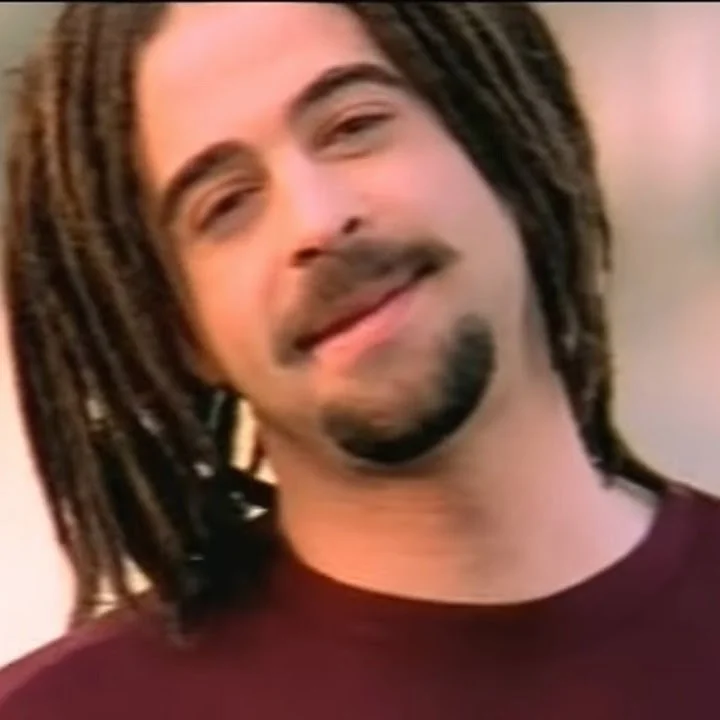
Counting Crows - Spaceman In Tulsa
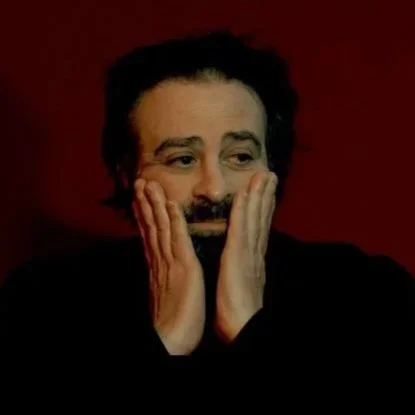
"Spaceman In Tulsa" by Counting Crows is a song that reflects on themes of longing, nostalgia, and the search for connection amidst feelings of isolation. While the lyrics may not explicitly focus on a specific historical event, they evoke emotions tied to personal experiences and universal themes of hope and wonder.
The title references a fictional spaceman, symbolizing a longing to escape and find a different perspective on life, which can resonate with listeners who feel detached from their surroundings. The imagery often paints a vivid picture of a landscape that's both familiar and dreamlike, hinting at a narrative that connects personal history with the broader human experience.
The song ties into the band’s ability to blend storytelling with emotional depth, a hallmark of Counting Crows' music. It captures a moment in time that invites listeners to reflect on their own journeys, amidst the backdrop of life’s complexities. While it’s not explicitly historical, the themes and feelings presented in "Spaceman In Tulsa" can resonate across different eras and experiences.

Creedence Clearwater Revival - Fortunate Son
"Fortunate Son" by Creedence Clearwater Revival is a defiant anthem that became an emblematic protest song during the Vietnam War era. Released in 1969, the song's lyrics criticize the disparity in how privilege and wealth affected the draft during the war. John Fogerty's raw vocals and the band's gritty instrumentation drive home the message of frustration and disillusionment with the system.
The song's iconic guitar riff and energetic rhythm section provide a powerful backdrop for its politically charged lyrics. Fogerty's impassioned delivery condemns the hypocrisy of the privileged class who could avoid military service, contrasting sharply with those who were less fortunate and forced to serve. "Fortunate Son" resonated deeply with listeners during a turbulent time in American history, becoming a rallying cry for those opposed to the war and social injustice.
Decades later, the song remains a potent critique of inequality and remains relevant in discussions about class, privilege, and the responsibilities of citizenship. Its enduring popularity and cultural impact solidify "Fortunate Son" as one of Creedence Clearwater Revival's most enduring and influential songs.
Decades later, the song remains a potent critique of inequality and remains relevant in discussions about class, privilege, and the responsibilities of citizenship. Its enduring popularity and cultural impact solidify "Fortunate Son" as one of Creedence Clearwater Revival's most enduring and influential songs.
David Bowie - Changes
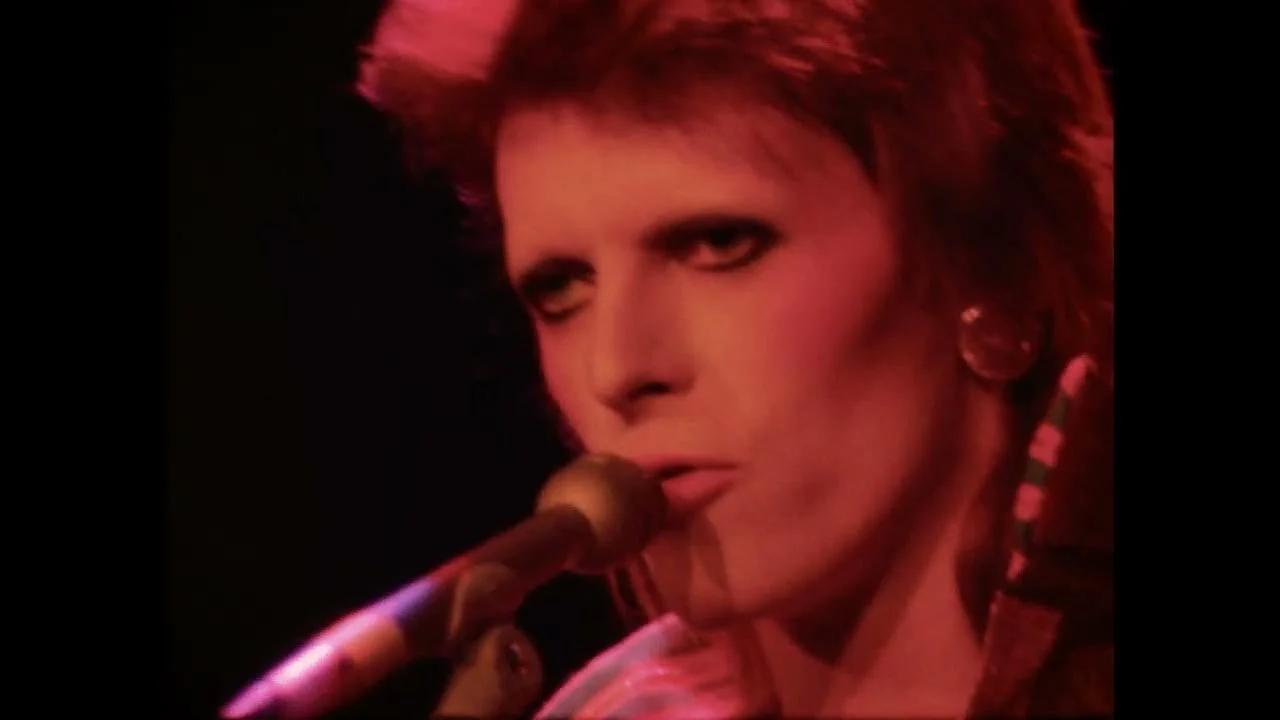
"Changes" is one of David Bowie's most iconic songs, featured on his 1971 album Hunky Dory. The song explores themes of transformation and the inevitability of change in life. With its catchy melody and reflective lyrics, it captures the essence of personal evolution and the struggles that come with it. The line "Ch-ch-changes" has become especially memorable, symbolizing Bowie’s embrace of change both in his music and in his life. The song remains a timeless anthem, resonating with listeners who find themselves facing transitions.

David Bowie - I'm Afraid of Americans
"I'm Afraid of Americans" was released by David Bowie in 1997 as part of his album "Earthling." The song reflects Bowie's experiences and observations of American culture during his travels. This period in his career was marked by a fascination with electronic music and jungle rhythms, which influenced the sound of the track.
The song was co-written with Brian Eno, a long-time collaborator of Bowie's, and it showcases a blend of rock and electronic elements. Its lyrics convey a sense of paranoia and discomfort associated with American society, capturing the cultural tensions of the time.
The track gained renewed prominence with the release of a remix by Nine Inch Nails' Trent Reznor, who also appeared in the accompanying music video. This version, released in 1998, further amplified the song's reach and introduced it to a new audience, cementing its place in both Bowie's and Reznor's discographies.
Over the years, "I'm Afraid of Americans" has been interpreted as a commentary on the darker sides of American culture, including consumerism, nationalism, and identity conflicts. Its themes remain relevant, engaging listeners with its critical perspective on globalization and cultural exchange. The song is often seen as one of Bowie's successful explorations of contemporary issues through his music.


David Bowie - The Man Who Sold The World
“The Man Who Sold the World” is a song by David Bowie, originally released as the title track of his 1970 album. It's one of Bowie's most iconic early songs, blending elements of rock, glam, and proto-heavy metal with a haunting, enigmatic narrative.
The song is often interpreted as exploring themes of identity, alienation, and existential crisis. The lyrics tell the story of a narrator who confronts a version of themselves that seems distant or unfamiliar, possibly symbolizing a loss of personal integrity or the feeling of being disconnected from one's true self. The central phrase, "the man who sold the world," could be understood as a metaphor for selling out, losing one's soul, or giving in to external pressures.
In terms of its musical style, the song features heavy guitar riffs and a driving rhythm, adding to its eerie and intense atmosphere. It marked a departure from Bowie's previous work and helped establish his ability to experiment with various genres and themes, a characteristic that would define his entire career.
In 1993, the song gained wider recognition when it was covered by Nirvana in their legendary MTV Unplugged performance, introducing it to a new generation of listeners. Bowie's version remains a fan favorite and is a key piece in his early discography.
