
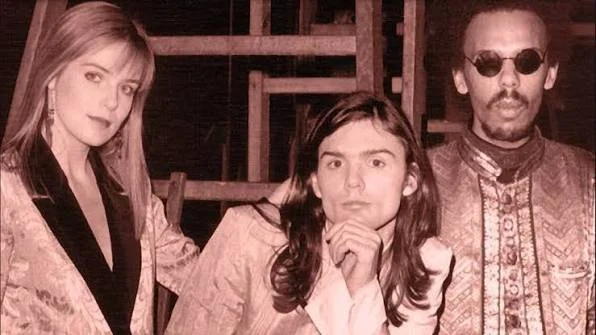
The Dream Academy - Life in a Northern Town
The Dream Academy's enduring hit, "Life in a Northern Town," released in 1985, was conceived by Nick Laird-Clowes, the band's songwriter, as an elegy dedicated to the British folk musician Nick Drake. While often mistakenly believed to be directly about Drake, Laird-Clowes clarified that the song was written to honor his memory and influence. The initial spark for the song came during a writing session with Gilbert Gabriel in a Southgate bedsit, where they aimed to blend a folk sound with an African-style chorus. Laird-Clowes even used a guitar that had once belonged to Nick Drake, which he acquired for a modest sum. The song's production saw the involvement of Pink Floyd's David Gilmour, who co-produced the band's debut album after hearing an early version of "Life in a Northern Town" and recognizing its potential. The title itself was suggested by Paul Simon, who advised against Laird-Clowes' original working title, "Morning Lasted All Day." The lyrical content, which evokes images of unemployment and closed shipyards, was inspired by Laird-Clowes' observations of the economic hardships in northern England during his time as a presenter on a television show. This poignant blend of personal dedication, musical craftsmanship, and social commentary contributed to the song's commercial success, reaching high positions on both UK and US charts, and solidifying its place as a distinctive piece of 1980s music.
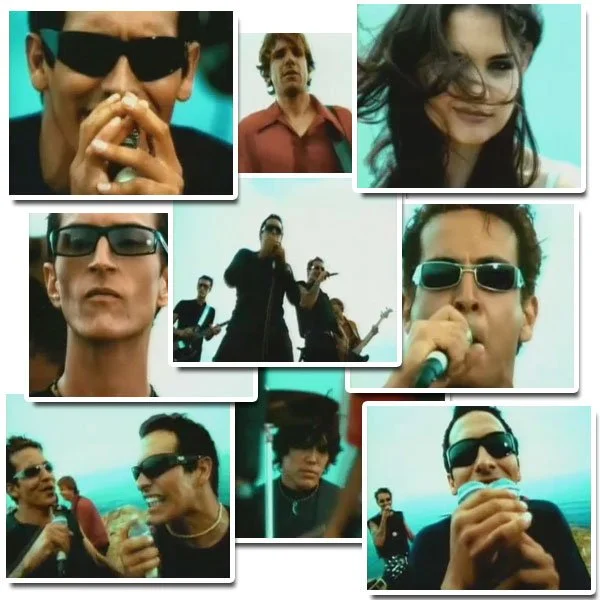
The Flys - Got You (Where I Want You)
“Got You (Where I Want You)” is the signature song by American rock band The Flys, released in 1998 on their debut album Holiday Man. The band, formed in Hollywood in 1994 by brothers Adam and Josh Paskowitz—sons of legendary surf figure Doc Paskowitz—created what would become their most successful track with producer Chris Goss. The song reached number five on the Billboard Modern Rock Tracks chart in December 1998 and also charted at number eight on Mainstream Rock, becoming a defining alternative rock hit of the late 1990s. According to frontman Adam Paskowitz, the song captures the desperate, awkward attempts men make when trying to pick up women in bars, inspired by a friend’s clumsy efforts to strike up a conversation with an attractive woman. The track gained additional exposure through its appearance on the soundtrack for the 1998 MGM film Disturbing Behavior, starring Katie Holmes and James Marsden, both of whom appeared in the music video. Critics praised the song’s “dark, Nirvana-esque pop” sound and its distinctive “rap-reggae breakdown,” with Spin magazine ranking it at number 28 on their list of the best alternative rock songs of 1998. The Flys went on indefinite hiatus in 2012 after releasing three albums, though the Paskowitz brothers briefly reunited the band in 2024 for festival performances in California.

The Hollies - He Ain’t Heavy, He’s My Brother
The phrase "He ain't heavy. He's my brother." has been cited in the written word dating back to the 1880's. The song has been covered most notably by "The Hollies," with a young Elton John working as a session musician at the time.
The song was originally recorded by a different band before The Hollies. It was first released by The Hollies in 1969, but the song was actually written by Bobby Scott and Bob Russell. The first recording of the song was by Kelly Gordon in 1969, followed closely by a version by Neil Diamond. The Hollies' rendition, however, became the most well-known and successful, reaching high positions on the charts and becoming a timeless classic.
Known for its powerful lyrics and soulful melody, which convey a message of unconditional love and support. The title phrase itself has become a well-known expression, symbolizing the willingness to carry the burdens of others, especially those we care about deeply. The song has resonated with listeners for decades, enduring as a classic that continues to touch hearts with its emotional depth and sincerity.

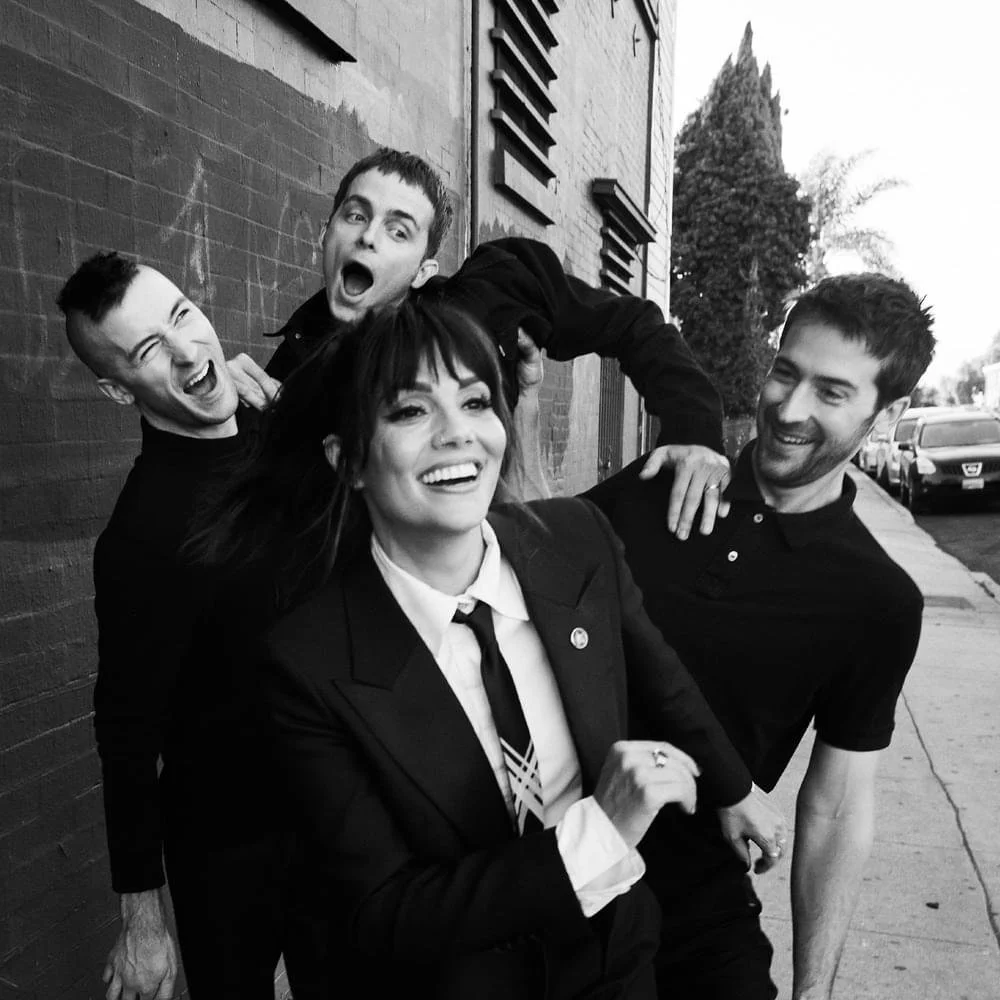
The Interrupters - A Friend Like Me
The Interrupters are an American ska-punk band formed in Los Angeles in 2011 by vocalist Aimee Interrupter, guitarist Kevin Bivona, and brothers Justin and Jesse Bivona. Their music combines the energetic sound of punk rock with ska rhythms, catchy melodies, and themes of friendship, loyalty, independence, and social struggle. “A Friend Like Me” was released in 2013 as one of the band’s early songs and later appeared on their self-titled debut album, The Interrupters, released through Hellcat Records in 2014. The song presents a confident promise of dependable friendship, with the singer emphasizing that she will remain loyal when others may not. Its fast tempo, upbeat guitar, driving drums, and lively ska influence give the message a joyful and powerful feeling. The song helped introduce The Interrupters’ distinctive style and established their reputation as a band capable of combining positive, personal lyrics with the rebellious energy of modern ska-punk. The Interrupters’ official biography states that the band formed in Los Angeles in 2011, while the band’s official music video identifies “A Friend Like Me” as a song from their self-titled debut album.

The Interrupters - Bad Guy
The Interrupters’ cover of Billie Eilish’s "Bad Guy" offers a fresh and energetic take on the original, infusing it with their signature ska-punk style. While Billie Eilish’s version is minimalistic and moody, The Interrupters transform the track into an upbeat, high-energy anthem. The brass section, including trumpets and trombones, adds a distinct ska flavor, while the fast-paced guitar riffs and driving drums give the song a punk edge. Aimee Interrupter’s vocal performance is another key highlight, bringing a more forceful and rebellious tone compared to Billie’s soft-spoken delivery. The rhythm section adds to the song’s new energy, with syncopated guitar strumming and lively drumming that make it feel like a raucous live show. By speeding up the tempo and layering in classic ska instrumentation, The Interrupters create a version of "Bad Guy" that feels like a danceable punk anthem rather than a laid-back pop song. Their cover highlights how a band can take a hit from another genre and completely reimagine it while maintaining the essence of the original. It’s a fun, dynamic reinterpretation of the song, perfect for fans of both Billie Eilish and ska-punk music.
About The Interrupters
The Interrupters are a ska-punk band formed in 2011 in Los Angeles, California. Known for their energetic sound that blends elements of ska, punk, and reggae, the band has become one of the leading acts in the modern ska-punk scene. Their music often features catchy melodies, infectious rhythms, and socially conscious lyrics, with a focus on themes of empowerment, resistance, and personal struggles.
The group is fronted by Aimee Interrupter, whose powerful and distinctive vocals have become a defining element of the band’s sound. She is backed by her brother, Kevin Bivona (guitar), Justin Bivona (bass), and Jesse Bivona (drums). The band’s style combines the upbeat, horn-driven elements of traditional ska with the fast-paced, rebellious energy of punk rock, creating a sound that appeals to fans of both genres.
The Interrupters gained wider recognition with their self-titled debut album in 2014, and continued to build momentum with subsequent releases like Say It Out Loud (2016) and Fight the Good Fight (2018). Their ability to blend old-school ska influences with modern punk sensibilities has earned them a dedicated fanbase and praise from both ska and punk communities.
In addition to their original music, The Interrupters are known for their high-energy live performances, often bringing their music to life with an infectious stage presence. Their versatility, catchy hooks, and distinctive sound have made them a standout band in the contemporary ska-punk scene.
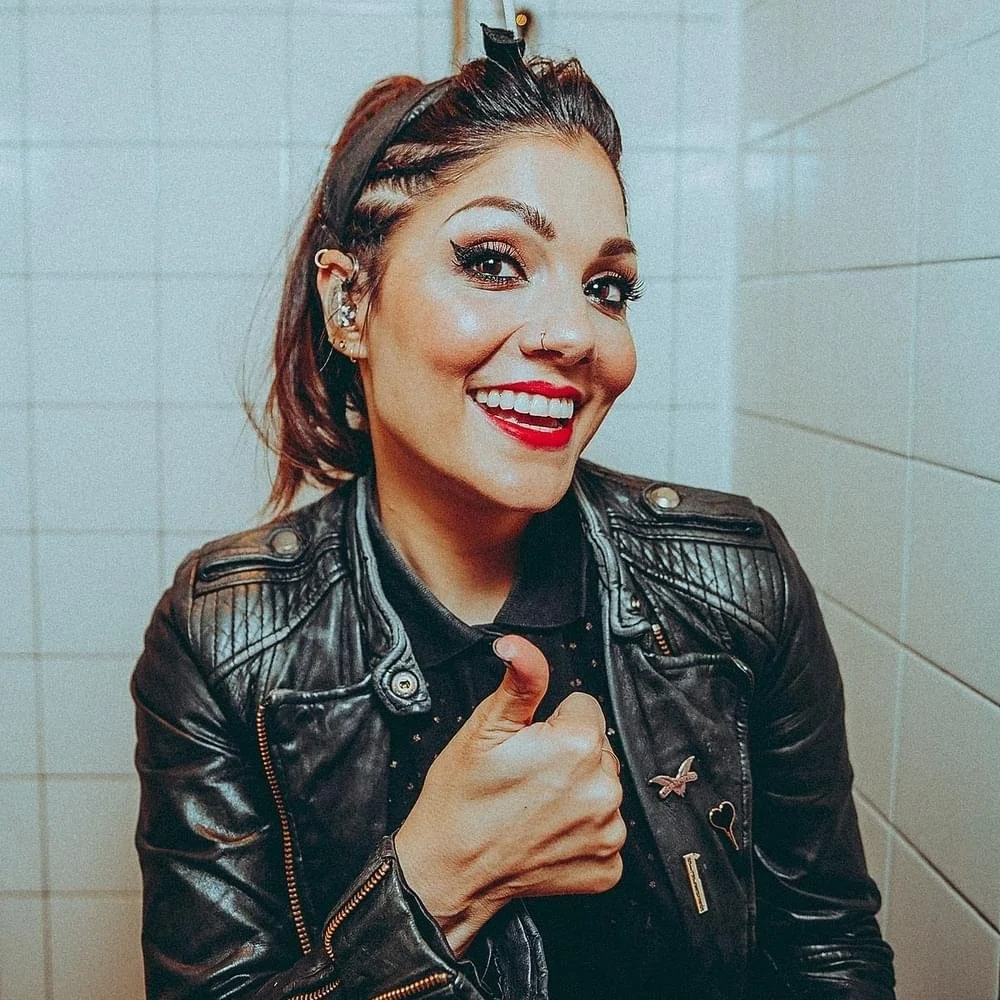
The Interrupters - She Got Arrested
The Interrupters' song "She Got Arrested" delves into themes of rebellion and a woman's fantasy of reclaiming power after experiencing domestic abuse. While the lyrics describe a scenario of a woman being arrested for retaliating against her abuser, the band's lead singer, Aimee Interrupter, has stated that the song was inspired by her own life experiences, though she initially wrote it from the perspective of another person. This approach allowed her to explore deeply personal and traumatic events, including her history with abuse, by externalizing them into a narrative. The song is featured on their 2016 album, Say It Out Loud, and reflects the band's characteristic ska-punk sound while addressing serious social issues. It has resonated with many listeners for its raw emotion and its portrayal of a powerful, albeit fictionalized, response to prolonged suffering for retaliating against her abuser, the band's lead singer, Aimee Interrupter, has stated that the song was inspired by her own life experiences, though she initially wrote it from the perspective of another person. This approach allowed her to explore deeply personal and traumatic events, including her history with abuse, by externalizing them into a narrative. The song is featured on their 2016 album, Say It Out Loud, and reflects the band's characteristic ska-punk sound while addressing serious social issues. It has resonated with many listeners for its raw emotion and its portrayal of a powerful, albeit fictionalized, response to prolonged suffering.

The Jeff Healey Band - Angel Eyes
“Angel Eyes” by The Jeff Healey Band is a blues-rock ballad that became the group’s signature song and biggest commercial success. Written by acclaimed songwriters John Hiatt and Fred Koller, the song was produced by Greg Ladanyi and appeared on the band’s debut album, See the Light, released in 1988 on Arista Records. The Toronto-based band, formed in 1985, featured the extraordinary guitarist Jeff Healey, who was blind from infancy due to eye cancer and developed a unique playing style by laying his guitar flat on his lap and pressing directly down on the fretboard. Released as a single in April 1989 in the United Kingdom and shortly after in the United States, “Angel Eyes” climbed to No. 5 on the Billboard Hot 100, spending 22 weeks on the chart and becoming the 70th-highest-selling single in the United States for 1989. The song’s success was significantly boosted by its inclusion in the 1989 film Road House, where Healey and his band appeared as the house band at the Double Deuce saloon alongside Patrick Swayze. The track showcased Healey’s emotive vocals and expressive guitar work, blending blues sensibility with soft rock accessibility. While it remains The Jeff Healey Band’s only major hit in America, the song has endured as a classic, later covered by Australian artist Paulini, whose version reached No. 1 in Australia in 2004. Healey continued performing until his death in 2008 at age 41 from lung cancer, leaving “Angel Eyes” as his most recognizable and enduring contribution to popular music.
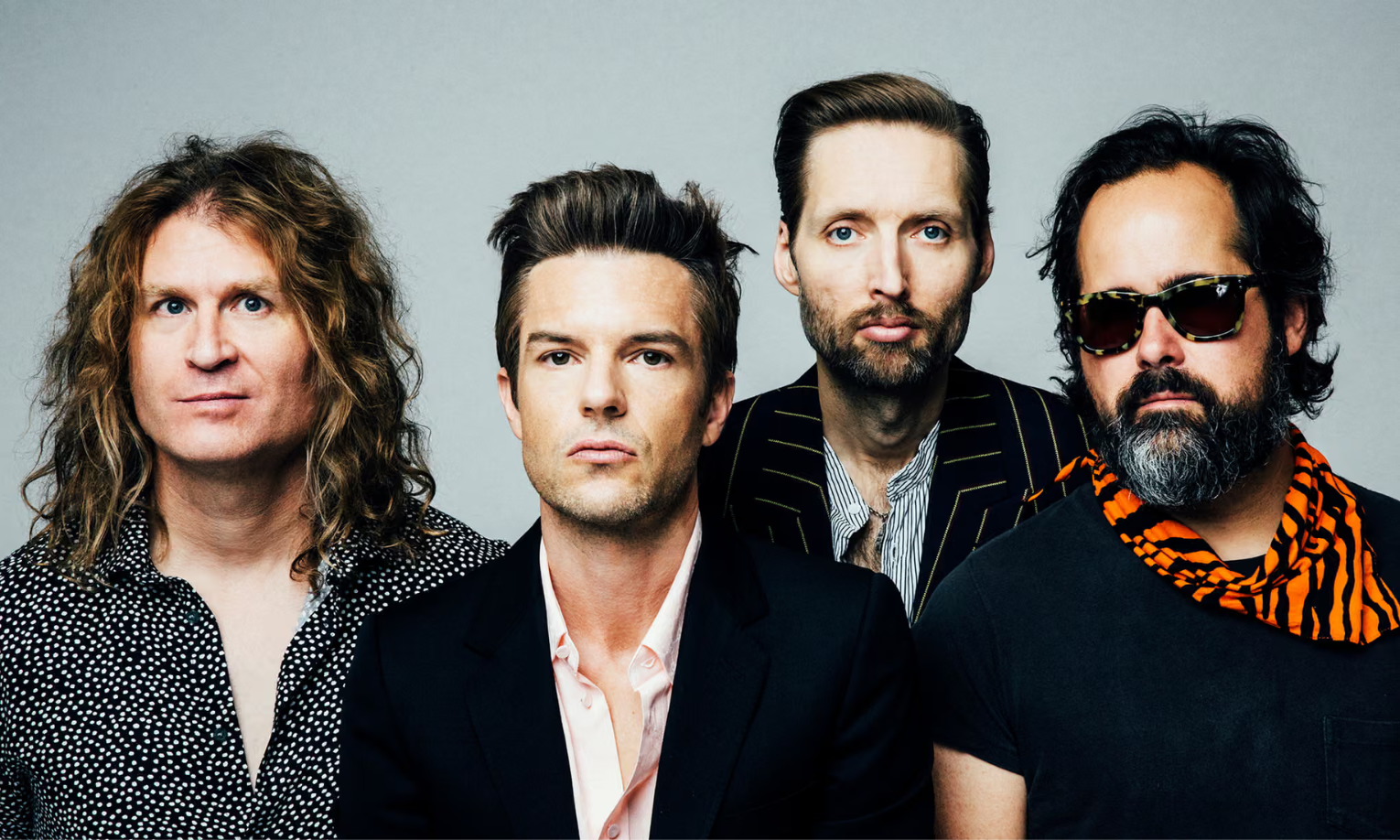
The Killers - Mr. Brightside
Mr. Brightside, the iconic breakthrough single by The Killers, originated from a deeply personal experience of heartbreak for frontman Brandon Flowers. The lyrics were penned by Flowers at the age of 19 or 20, following the discovery of his girlfriend cheating on him in a bar. Guitarist Dave Keuning had already composed the music, and the two combined their efforts to create one of the band's earliest songs. The track's distinctive repetitive structure, particularly the identical first and second verses, arose from Flowers' procrastination in writing a new verse. Vocally, Flowers drew inspiration from David Bowie's urgent delivery in "Queen Bitch" and aimed to emulate Iggy Pop's monotone style from "Sweet Sixteen," though his own sweeter voice and youth shaped the final sound. The song quickly became a staple in The Killers' live performances, even at their very first show. Despite never reaching number one in the UK, "Mr. Brightside" has achieved extraordinary longevity on the charts, earning it the title of the UK's biggest single of all time yet to reach the top spot, and has become a cultural phenomenon, often referred to as the UK's alternative national anthem.
The song was primarily written in late 2001, shortly after Brandon Flowers and Dave Keuning first met and began collaborating. It saw its initial limited release in the United Kingdom on September 29, 2003, through the independent label Lizard King. Following this, a more widespread global release occurred in May 2004, preceding the debut of their first studio album, Hot Fuss, which was released in June 2004.
The Kinks - Father Christmas
"Father Christmas" is a Christmas song by the British rock band The Kinks, released in 1977 as a single. The song, written by lead singer and songwriter Ray Davies, is a departure from the traditional cheerful holiday music. It stands out for its more cynical and rebellious tone.
In "Father Christmas," the lyrics tell the story of a young boy who confronts Santa Claus, asking for money and presents. However, the song takes an unexpected twist when the child, rather than expressing joy and excitement, is frustrated by the commercialism of Christmas. The boy even tells Father Christmas to "give it to the poor" and expresses disillusionment with the idea of material gifts. The song also has a darker side, as the narrator describes being attacked by a group of "naughty" children who end up taking Santa's presents.
Despite its grittier and more rebellious approach, "Father Christmas" became a holiday favorite, especially among fans of rock music. The song's catchy melody, energetic performance, and sharp lyrics made it an anthem of sorts for those who see Christmas through a more critical lens, highlighting the commercialization and materialistic nature of the holiday.
While it was not initially a major chart hit, "Father Christmas" has since gained popularity and is now considered one of The Kinks' most iconic holiday songs. It remains a staple of alternative Christmas playlists and is beloved for its unique take on the festive season.

The Kinks - You Really Got Me
"You Really Got Me" by The Kinks stands as one of the most influential rock songs of the 1960s and a pivotal moment in the development of hard rock and heavy metal. Written by frontman Ray Davies and released as the band's third single in 1964, the song became the Kinks' breakthrough hit, establishing them as one of the top British Invasion acts in the United States. During the spring of 1964, Ray Davies initially conceived the song as a more laid-back, jazz-oriented number centered around a piano or saxophone line. However, when he played the chords to his younger brother Dave Davies, the Kinks' lead guitarist, Dave recognized that the riff would be much more powerful on guitar. This decision to transform the song into a guitar-centered track proved to be career-defining, as the resulting sound was radically different from anything the band had recorded before.
The recording process for "You Really Got Me" was fraught with tension and nearly didn't happen at all. The Kinks recorded the song at least twice in mid-1964, likely around June and July. The band's first full studio version was slower and less emphatic than the final single, with producer Shel Talmy covering the track in reverb that buried the lead guitar. The band was dissatisfied with this version and wanted to re-record it, but their record company Pye refused to fund another session since the band's first two singles had failed to chart. Ray Davies threatened that he would refuse to perform or promote the single unless it was re-recorded, and manager Larry Page also refused to publish the original recording. When Pye stood its ground, the band's own management broke the stalemate by funding the session themselves. The final version was recorded in July 1964, with session drummer Bobby Graham playing drums (despite Mick Avory having joined the band, Talmy didn't trust him and had him play tambourine instead). The song's revolutionary guitar sound came from Dave Davies' damaged amplifier, though the Davies brothers have disputed over the years exactly how the distortion was achieved—Ray claims he stuck knitting needles through the speaker, while Dave insists he sliced the amp's speaker cone with a razor blade.
The impact of "You Really Got Me" was immediate and far-reaching. Released in the UK on August 4, 1964, it climbed to number one on September 16, where it stayed for two weeks. When it first charted in the U.S. on September 26, 1964, it was already number one on the British pop charts, and it would reach number seven on the U.S. Hot 100. The song's novel use of power chords and distortion heavily influenced later rock musicians, particularly in the heavy metal and punk rock genres. Its raw, aggressive guitar riff became a template for countless rock songs that followed, and the track has been covered by numerous artists over the decades. Most notably, Van Halen recorded a new version of the song for their self-titled debut album in 1978, turning it into a Top 40 single all over again and helping spark a Kinks revival in the process. "You Really Got Me" remains a fundamental building block of rock music, representing the moment when the genre took a decisive turn toward heavier, more aggressive sounds.
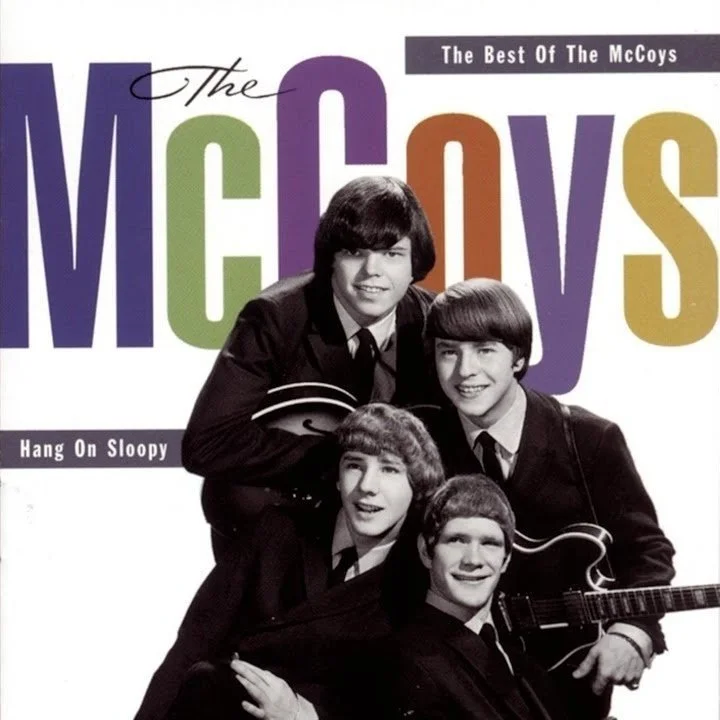
The McCoys - Hang On Sloopy
"Hang On Sloopy," performed by The McCoys and released in 1965, is a quintessential rock song that achieved widespread popularity for its infectious energy and memorable chorus. Written by Wes Farrell and Conny Van Dyke, the song tells the story of a girl named Sloopy, encouraging her to persevere and stay resilient despite life's challenges. The repetitive and catchy refrain, "Hang on Sloopy, Sloopy hang on," serves as both a rallying cry and a message of support. Musically, the song features a driving guitar riff and a vibrant tempo, emblematic of the mid-60s rock sound. Its cultural impact was further solidified when it became the official rock song of Ohio, due in part to its association with the Ohio State University Buckeyes. "Hang On Sloopy" remains a beloved classic rock anthem, celebrated for its lively spirit and enduring appeal.

The Police - Every Breath You Take
"Every Breath You Take" by The Police is a song that is often misunderstood as a romantic love song due to its melodic structure and the use of phrases like "every breath you take" and "every move you make." However, it actually explores the darker side of relationships, focusing on themes of obsession and surveillance. The lyrics, sung from the perspective of someone watching another person's every move, convey a sense of possessiveness and longing.
The song was written by Sting, The Police's lead vocalist and bassist, and was released in 1983 as part of their album "Synchronicity." It became one of their most famous and successful songs, topping the charts in multiple countries and winning Grammy Awards for Song of the Year and Best Pop Performance by a Duo or Group with Vocals.
Musically, "Every Breath You Take" features a distinctive guitar riff and a steady, hypnotic beat that enhances the song's atmosphere of obsession and introspection. Its enduring popularity has cemented it as a classic in pop music history, despite its complex lyrical themes.
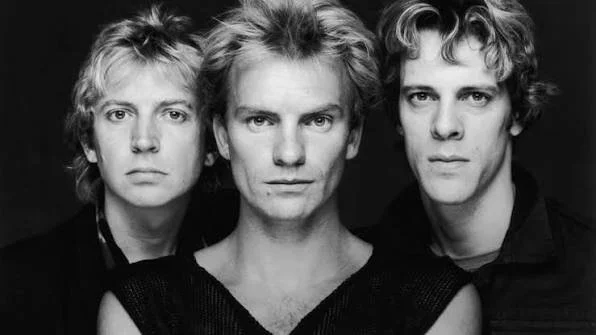
The Police - King of Pain
“King of Pain” is a song by the English rock band The Police, released as the final single from their fifth studio album, “Synchronicity,” in 1983. The song was written by the band's lead vocalist and bassist, Sting.
“King of Pain” is characterized by its introspective lyrics, exploring themes of despair, isolation, and emotional turmoil. The song's verses vividly describe various forms of pain and suffering, while the chorus expresses a sense of resignation and acceptance. Musically, “King of Pain” features a haunting melody, driven by Sting's emotive vocals and Andy Summers' atmospheric guitar work. The song's intricate arrangement and atmospheric production contribute to its enduring appeal.
“King of Pain” achieved commercial success, reaching the top ten in several countries and becoming a staple of The Police's live performances. Its poignant lyrics and evocative melody have made it one of the band's most beloved songs, earning it a place as a classic in the rock genre.
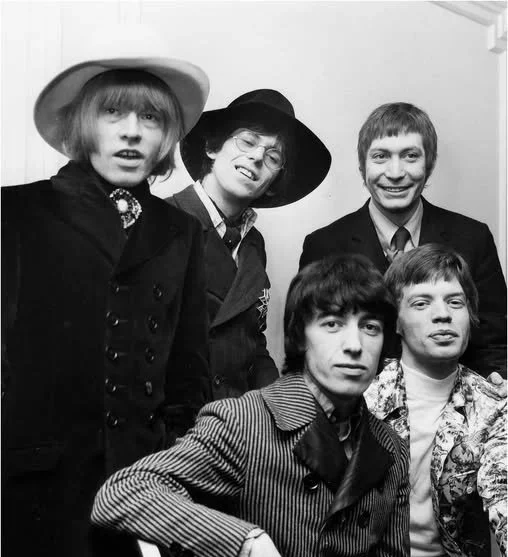
The Rolling Stones - Paint It Black
The Rolling Stones' iconic song "Paint It Black," released in 1966, stands as a powerful and distinctive track in their discography, marking a significant foray into psychedelic rock with its unique instrumentation and somber themes. Composed by Mick Jagger and Keith Richards, the song's creation began during the band's tour in Australia, with Richards developing the melody and Jagger crafting the lyrics.
During the recording sessions for their album Aftermath at RCA Studios in Los Angeles, the band initially struggled to capture the desired intensity for "Paint It Black." The breakthrough came with an unconventional suggestion from bassist Bill Wyman, who proposed using Hammond organ pedals to create a second, double-time bass riff. This innovative addition dramatically altered the song's direction, imbuing it with an exotic, almost Turkish flavor that set it apart from their earlier, more straightforward rock numbers.
A pivotal element of "Paint It Black" is the prominent sitar melody, played by multi-instrumentalist Brian Jones. Inspired by George Harrison's use of the sitar on The Beatles' "Norwegian Wood," Jones, who had been experimenting with the instrument, brought its distinctive sound to the track. His sitar playing, which picked out the vocal melody and provided the unsettling intro riff, was crucial in defining the song's unique atmosphere and contributing to its psychedelic potency. This marked a departure from traditional rock instrumentation and showcased Jones's willingness to explore new sonic territories.
The lyrics of "Paint It Black" delve into themes of profound grief and despair. Jagger's words describe a narrator overwhelmed by the sudden loss of a loved one, wishing for everything around him to turn black to match his internal sorrow. The imagery of a "red door" that the narrator wants "painted black" and the inability to bear the sight of "girls walk by, dressed in their summer clothes" vividly convey a deep sense of bereavement and a desire to retreat from a world that continues to be vibrant despite his personal tragedy. The song's emotional depth is further amplified by Charlie Watts's uncharacteristically energetic and pounding drum work, which provides a relentless backdrop to the somber narrative.
Upon its release in May 1966, "Paint It Black" quickly ascended to the top of the charts in both the US and the UK. Its impact extended beyond commercial success, influencing public perception of The Rolling Stones as pioneers of psychedelic sound. Brian Jones's visual presence, often seen playing the sitar cross-legged, became an iconic image associated with the song. Furthermore, its foreboding energy resonated with American troops during the Vietnam War, who found its themes of fury and despair reflective of their experiences. The song's powerful and disquieting nature has led to its frequent use in media, notably in Stanley Kubrick's film Full Metal Jacket, underscoring its enduring legacy as a chilling and evocative piece of music.

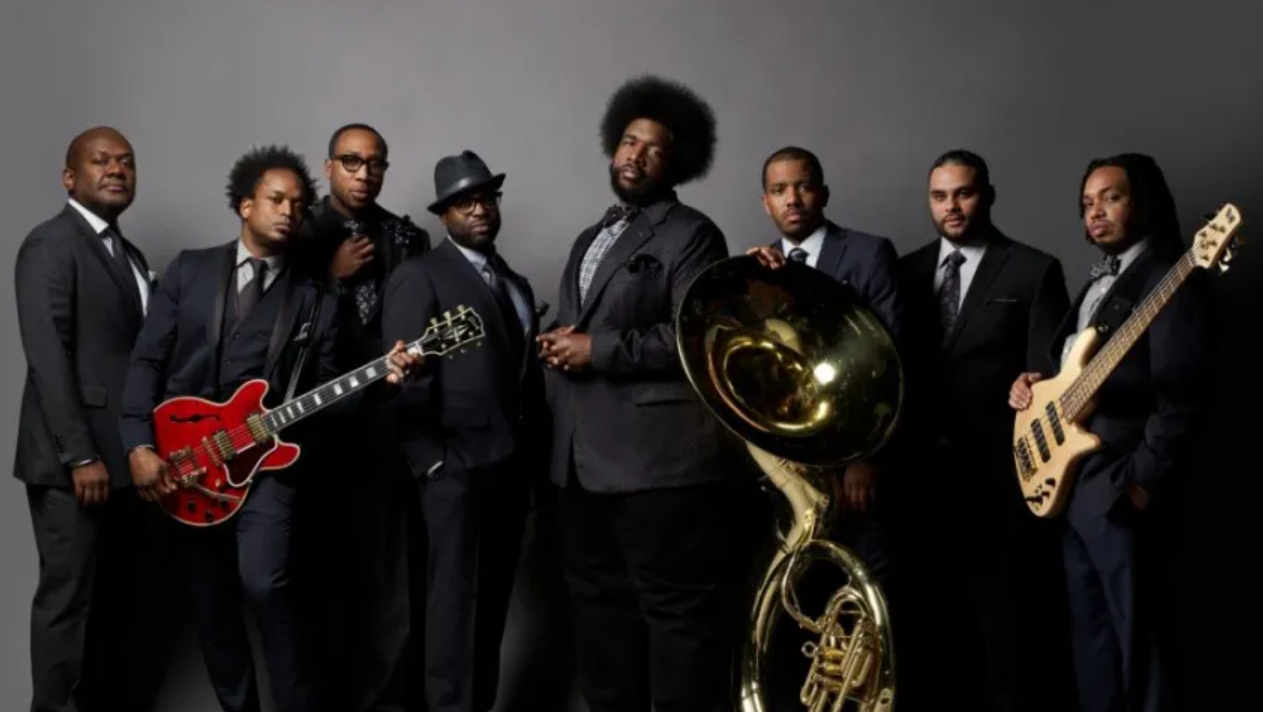
The Roots - The Seed (2.0) ft. Cody ChesnuTT
The Roots' acclaimed track, "The Seed (2.0)," released in 2002 as the second single from their fifth album, Phrenology, is a vibrant reinterpretation of an original song by Cody ChesnuTT. ChesnuTT, who also features on The Roots' version, initially recorded a raw, lo-fi rendition titled "The Seed" for his debut album, The Headphone Masterpiece. The Roots, known for their innovative approach to hip-hop, transformed ChesnuTT's soulful, somewhat unpolished original into a dynamic, genre-bending anthem. Their version amplifies the song's energy with live instrumentation, Black Thought's distinctive rap verses, and a more polished production, while retaining the essence of ChesnuTT's lyrical exploration of love, procreation, and societal expectations. "The Seed (2.0)" became one of The Roots' most recognizable and commercially successful songs, showcasing their ability to blend hip-hop with rock, funk, and soul influences, and solidifying their reputation as one of music's most eclectic and talented groups.
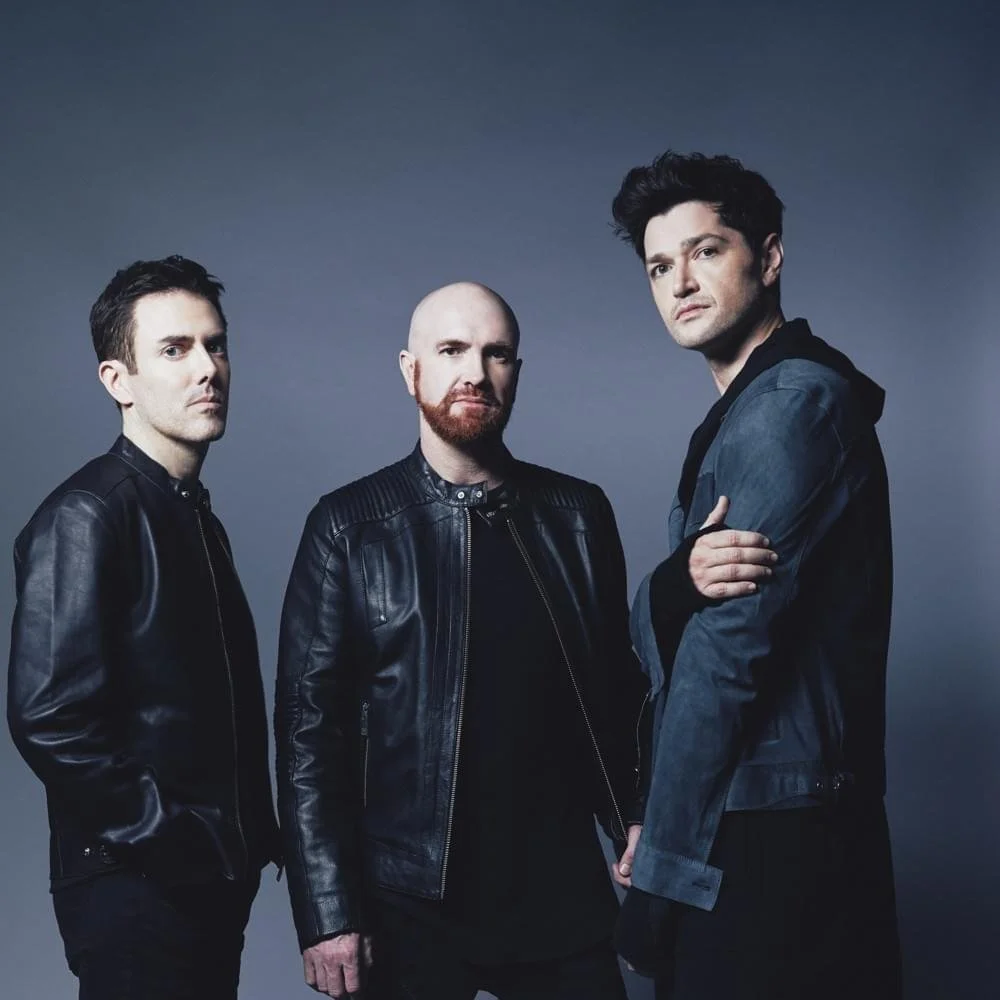
The Script – Breakeven
"Breakeven," also known as "Breakeven (Falling to Pieces)," is a signature song by the Irish pop-rock band The Script, released in November 2008 as the third single from their self-titled debut album. The track is widely celebrated for its poignant exploration of the emotional asymmetry that often follows the end of a romantic relationship. The central theme revolves around the idea that heartbreak is rarely a shared, equal experience; instead, one person is typically left devastated while the other appears to move on with ease. This sentiment is encapsulated in the song's iconic hook, which observes that when a heart breaks, it does not "break even."
The inspiration for the song’s lyrics came from a combination of personal therapy-like songwriting sessions and unexpected cultural influences. Frontman Danny O'Donoghue and guitarist Mark Sheehan wrote the track with producers Steve Kipner and Andrew Frampton. O'Donoghue has noted that the emotional core of the song was inspired by the realization that in every breakup, someone is left with the "lesser piece" of life. Interestingly, a specific line in the chorus—"What am I supposed to do when the best part of me was always you?"—was influenced by a similar sentiment expressed in the 2003 romantic comedy film Love Actually. The band sought to capture the raw, suffocating feeling of being "still alive but barely breathing" while watching a former partner embrace their new-found freedom.
Musically, "Breakeven" is a mid-tempo pop-rock ballad set in the key of B-flat major, characterized by its melodic guitar work and O'Donoghue's soulful, emotive vocal delivery. Upon its release, the song became a massive commercial success and served as the band's breakthrough hit in the United States. While it performed well in the United Kingdom and Ireland, reaching the top 25 and top 10 respectively, it achieved remarkable longevity on the American charts. It peaked at number 12 on the Billboard Hot 100 and set a record at the time for the longest climb to the number one spot on the Adult Pop Songs chart, taking 36 weeks to reach the summit. Its success in Australia was even more pronounced, where it climbed to number three and received multi-platinum certification.
The music video for "Breakeven" further emphasizes the band's roots, having been filmed at the Great South Wall in their hometown of Dublin, Ireland. The visual features atmospheric shots of the city alongside the band performing the track, capturing a sense of melancholy and local pride. During the production, a Dublin radio station held a contest for a fan to appear in the video, adding a personal connection to their Irish audience. Over the years, "Breakeven" has remained a staple of The Script's live performances and has been covered by numerous artists on reality singing competitions, cementing its status as a modern classic of the heartbreak genre.